

Alfalfa Weevil Activity and Winter Production Reminders
As Oklahoma digs out of the recent winter weather, warmer temperatures are on the horizon. The forecast for the coming weeks indicates temperatures approaching 70°. As the temperature warms, heat units or degree days for alfalfa weevil (AW) larval development will start to build. Degree days are a measurement of heat units over time calculated from daily maximum and minimum temperatures. Using an insect’s baseline temperature for development, insect life cycles can be predicted. A great tool in degree day tracking for AW is located on the Oklahoma Mesonet and creates daily calculations for degree days while also keeping a running total. There is at least one Mesonet station in each of Oklahoma's 77 counties (Fig. 1).
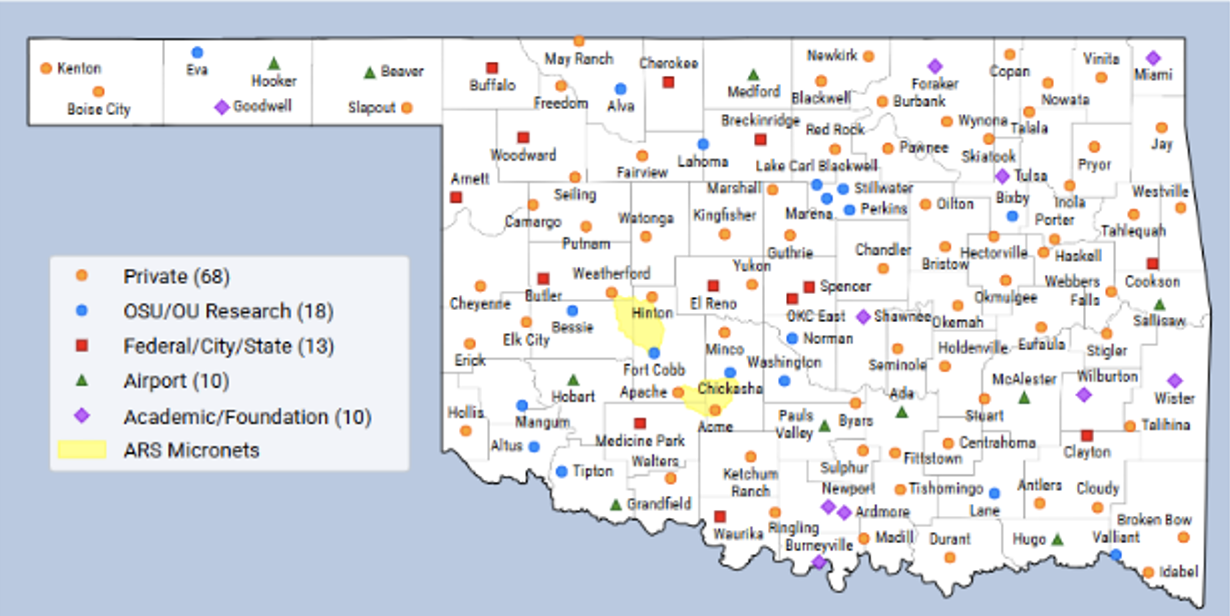
Figure 1. Mesonet sites throughout Oklahoma. Oklahoma Mesonet
Based on information from the Alfalfa Weevil Model as degree day numbers accumulate from January 1 each year, 150 - degree days serves as guide for monitoring to begin looking for larval activity.
Several counties in the southern part of the state have already reached 150-degree days (Fig. 2). However, this is just a starting point. Several variables can come into play after 150 - degree days are achieved. The cold and wet weather experienced recently will slow the development of any early developing larvae. Temperatures in single digits or below over several days can increase mortality, not only in larvae, but also eggs that may have already been laid.
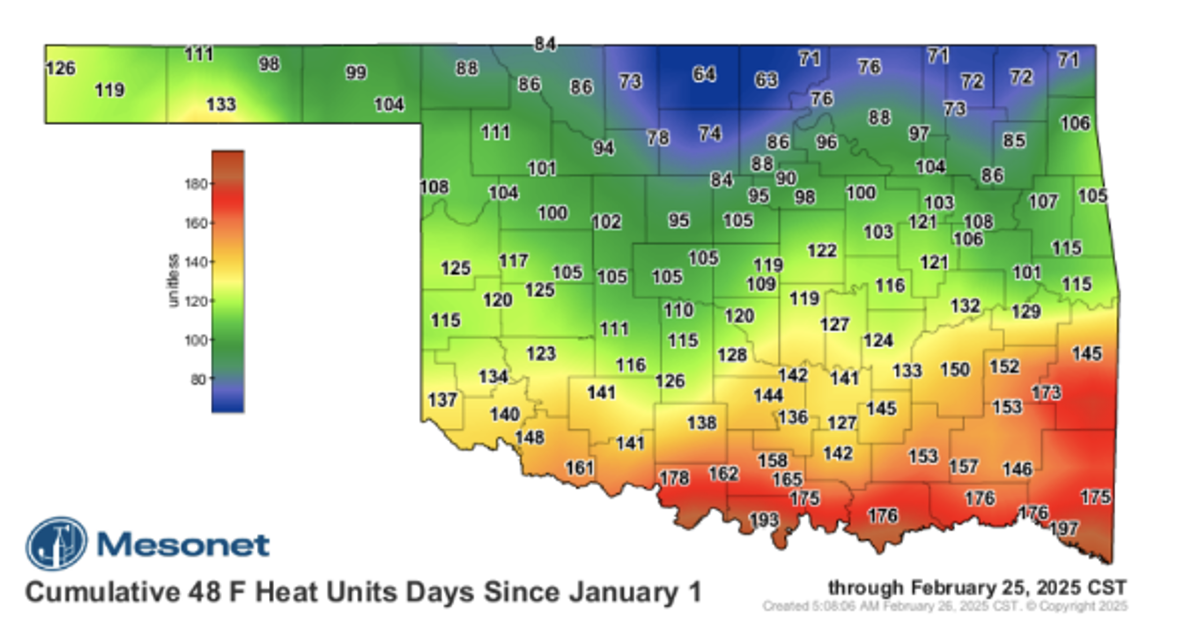
Figure 2. Current Alfalfa Weevil Heat Units.
Moving forward, as consistent warm weather starts to occur, adult activity will increase, and additional oviposition (egg laying) will take place. In warmer conditions (70°), larval development can happen quickly. Alfalfa weevil larvae go through four instars (developmental stages), with the later instars generally doing the most (>80%) of the damage (Fig. 3). After oviposition, with optimum weather conditions, development from egg to final instar can occur in approximately two weeks. Monitoring and decision making must be made quickly during this timeframe, as defoliation of alfalfa fields can happen in as little as 3 days with heavy infestations (Fig. 4).
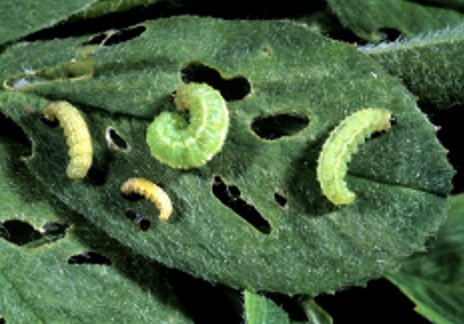
Figure 3. Alfalfa Weevil instars 1-4. Photo: Entomology Today
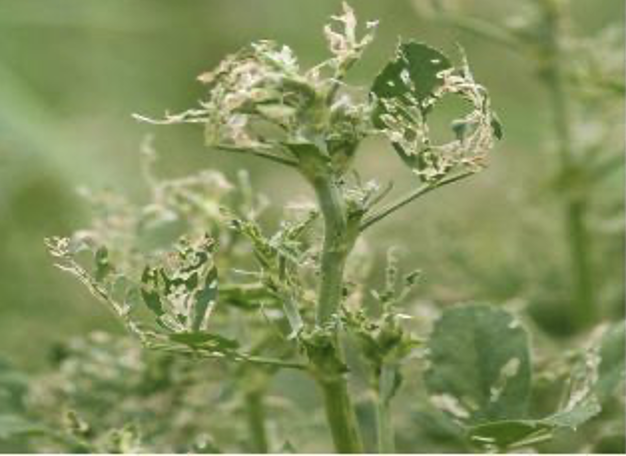
Figure 4. Alfalfa Weevil larval damage. Photo: Oklahoma State University
However, significant damage can occur with early instar activity as well. The past two seasons, based on mild winter weather and early insect activity, AW threshold applications in the Stillwater, OK (Payne County) area were made in late February.
These applications represented a timeline of almost three weeks ahead of historical first threshold applications. In addition, with earlier insect activity and thresholds being reached sooner, plant height just coming out of winter dormancy was much shorter. This resulted in application being made with 1.0 – 2.0 inches on new growth, with a threshold level per stem at around 0.25. Keep in mind the shorter the plant the lower the threshold and there is an increased chance of damage. More information on scouting can be found in CR- 7177, Scouting for the alfalfa weevil in Oklahoma.
All that being said, weather is unpredictable. After a warm period, we could still be in for some cool/wet temperatures into March or beyond. Continued monitoring is essential for keeping up with this perennial pest.
***Keep an eye out for future news releases for seasonal updates.
For more information on seasonal insect pests in alfalfa throughout the year, visit the Oklahoma Alfalfa Management Calendar for Insects and Diseases.
Winter Production Tips for February
When you drive by alfalfa fields this time of year it appears there may not be much going on. However, you might be surprised by what’s happening in those fields that look so brown from the road.
Many things occurring now can affect production throughout the rest of the year and possibly the life of the stand. Plants are accumulating nutrients in their roots and crowns for a quick start when warm weather arrives for good and dormancy breaks.
Plants cannot accumulate the needed carbohydrate or protein if they are stressed by inadequate soil fertility. Insects and weeds are also getting ready for spring in dormant alfalfa fields.
A general checklist of things alfalfa producers can do in the next few weeks to get ready for the upcoming hay season includes:
- Check for cool season weeds.
- Soil test and fertilize.
- Check for insects.
- Grazing off old growth (before breaking dormancy). Can also help delay alfalfa weevil development.
- Evaluate stand density.
- Identify fields where alfalfa may be sown next fall. Fertilize for alfalfa and choose herbicides carefully.