

Cow-Calf Corner | February 10, 2025
Beef Herd Dynamics: What’s Possible in 2025?
Derrell S. Peel, Oklahoma State University Extension Livestock Marketing Specialist
The latest Cattle report confirms what happened in 2024 – the cattle industry continued to shrink – but also provides indications of what to expect in 2025. Figure 1 shows the basic drivers of beef cow herd dynamics. The graph shows heifer retention and cow culling, both as a percentage of the beef cow inventory. Simply put, beef herd expansion occurs when the blue line (heifer retention) is above the red line (cow culling). For example, this occurred dramatically in 2015-2018 with record high heifer retention and record low cow culling.
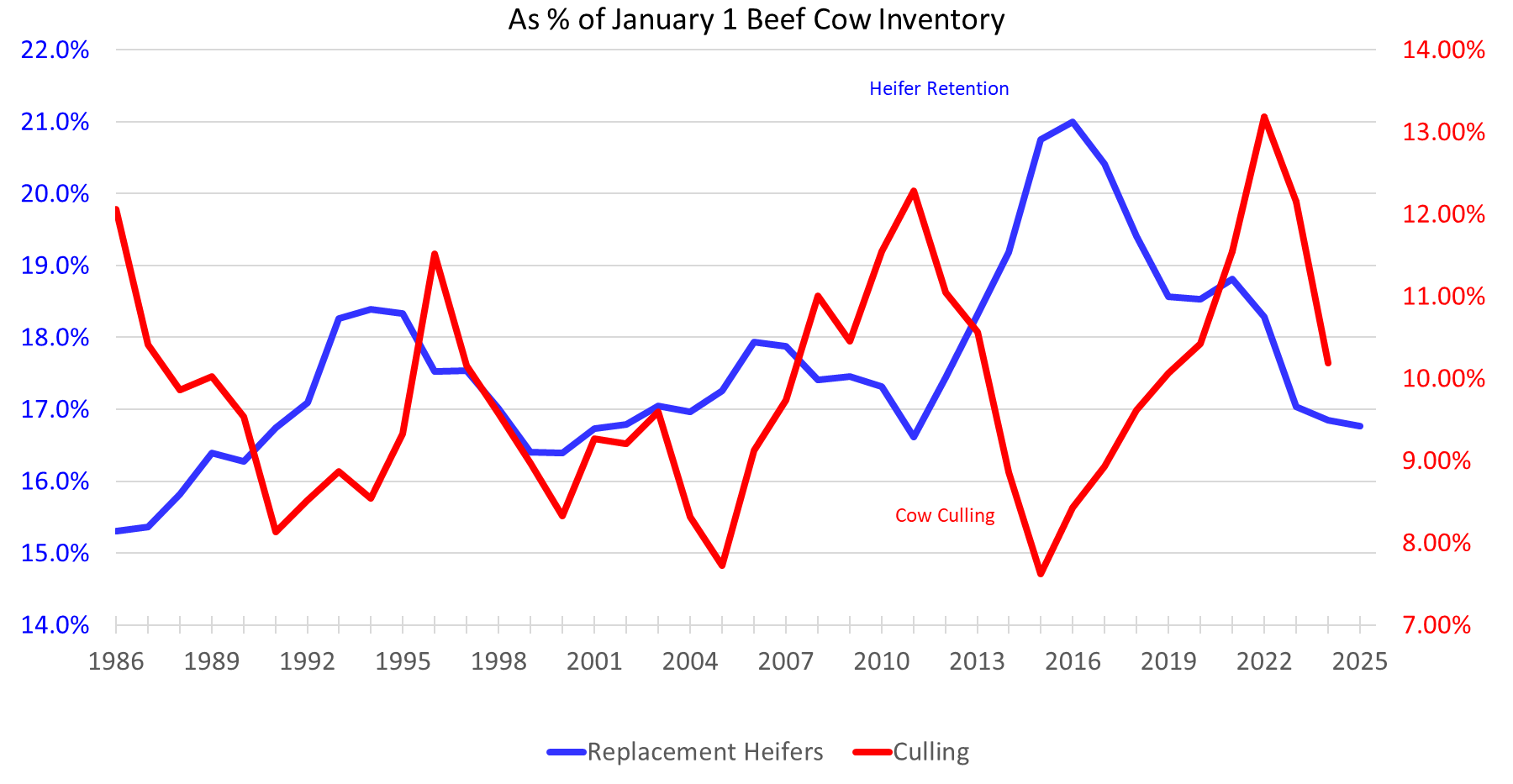
Figure 1. Heifer Retention and Cow Culling
In 2024. Cow culling decreased sharply to 10.19 percent, about equal to the long-term average. It’s headed in the right direction but will need to drop further – 9.0 percent or below for two or more years - to indicate herd expansion. Even more critical is the heifer retention part of herd rebuilding. Figure 1 indicates that heifer retention has declined continuously since 2021 and has not yet begun to increase, as is required for herd expansion.
Prospects for herd growth in 2025 are very limited. Part of the replacement heifer inventory is the number of bred heifers available this year. That number was 2.92 million head, down 1.7 percent year over year and the smallest in data back to 2001. With this supply of bred heifers, cow slaughter will have to decrease at least seven percent year over year just to hold the beef cow inventory stable for the year. That would imply a cow culling rate of 9.3 percent for the year. A cow culling rate less than that will be required for even fractional herd expansion in 2025.
For 2025, the supply of bred heifers is mostly fixed. There is little that the beef industry can do to change herd growth prospects in the short run. The inventory of heifers saved for breeding was also determined in the Cattle report at 1.75 million head. These heifers can be bred to calve in 2026. Producers may decide to breed some additional heifers in 2025. This “impulse” breeding can augment the supply for bred heifers for 2026. Impulse heifer breeding was an important part of the rapid herd expansion from 2014-2019. This impulse heifer breeding would utilize heifers currently counted as part of the Other Heifer category in the 2025 cattle inventory. In other words, increased impulse heifer breeding will reduce available feeder cattle supplies on a one for one basis in 2025.
Cow culling will determine herd dynamics in 2025. It depends both on what producers are trying to do and what Mother Nature will let them do – drought is still a large threat. The beef cow herd could stabilize, decrease more or, perhaps, increased fractionally in 2025. Heifer retention in 2025 can set the stage for some herd growth beginning in 2026. The inventory of replacement heifers suggests that there are few plans for increased heifer breeding going into 2025, but impulse heifer breeding during the year may result in additional bred heifers for 2026. As with cow culling, it will depend on what producers are trying to do and whether drought limits those plans.
Gene Editing in Beef Cattle
Mark Z. Johnson, Oklahoma State University Extension Beef Cattle Breeding Specialist
Clustered Regularly Interspaced Short Palindromic Repeats (CRISPR) is a powerful tool for editing genomes. It allows researchers to easily alter DNA sequences and modify gene function. These “intended alterations” accomplished through editing are another potential tool in the tool box of cattle breeders. This technology is primarily useful for simply inherited traits (influenced at one locus of the genome). CRISPR technology has many potential applications that facilitate sustainability, animal health, welfare and efficiency.
These include
- The opportunity to repair deleterious genetic conditions
- The opportunity to introduce naturally occurring useful alleles into breed germplasm. Specifically, to potentially bring a useful gene from one breed to another breed.
- Introduce traits that change sex ratio of heifers versus bulls.
- Enable breeding schemes to accelerate genetic progress
- Gene edits for disease resistance
As of now, the successful gene edits accomplished in cattle include
- The first gene edited beef calf with reduced susceptibility to a major viral pathogen, Bovine Viral Diarrhea Virus (BVDV)
- Knock out of the Myostatin gene to increase lean muscle yield
- Intraspecies Polled allele substitution
- Intraspecies Slick hair allele and gene for diluted coat color to improve heat tolerance
Long-term, the use of this technology in the United States beef industry likely hinges on the regulatory framework imposed. On a global basis, this varies dramatically from country to country. The future of genome editing will likely be governed by the development of a fit-for-purpose, risk-based regulatory framework that fosters innovation, supports trade, creates profit potential and promotes public acceptance.
Reference: Blueprint For The Future – Part 2 Cattle Conference. The Evolution of Technology, Successful Gene Edits, How It Works and the Approval Process Panel Discussion. May, 2024
How do I get My Cows to Eat Poor Quality Hay?
Brian Freking, OSU Cooperative Extension Southeast Area Livestock Specialist
To encourage cows to eat low-quality hay, you can consider a few strategies:
- Supplementation: Providing supplemental feeds, especially those rich in protein, can make low-quality hays more digestible and increase passage rate. For example, enhancing low protein hays with with a high protein supplement can provide essential nutrients that might be lacking in the hay.4
- Mix with Better Quality Forage: Mixing low-quality hay with better quality hay can encourage cows to consume more of the lower quality. This method utilizes the appeal of better forage to stimulate intake of the less desirable hay.1, 2
- Behavioral Management: Try to minimize competition for feed among cows as this can lead to stress and reduced forage intake. Providing adequate bunk space and ensuring that cows have access to hay without overcrowding can improve consumption rates.1
- Ammoniation: Treatment of low-quality hay with ammonium can significantly increase its crude protein levels and improve digestibility, making it more appealing to cattle. This process can enhance consumption by 15 to 20 percent and can make low-quality hays equivalent to better quality forages in feed value.3
- Long Stem Hay vs Processed Hay: Offering low-quality hay in long stem form might encourage cows to chew their cud, thereby increasing consumption through natural feeding behaviors during extreme cold weather. Processing hay into smaller particle size tends to increase consumption by increasing digestion rate and passage through the digestive tract.1
By employing these strategies, you can improve the likelihood of your cows consuming low-quality hay. If you need more tailored advice, consider reaching out to your local extension office in Oklahoma for specific recommendations based on your situation.
References
1 Drylot Beef Cow-Calf Production
2 How Much Does Bad Hay Cost a Beef Cattle Producer?
3 Ammoniation of Low Quality Roughages
4 Short Supply of Hay May Make Grain an Economical Choice for Beef Cow Feed