

Sunlight and Health Issues
Sunlight Exposure and Health Benefits
- Vitamin D production occurs after 10-15 minutes of exposure to sunlight
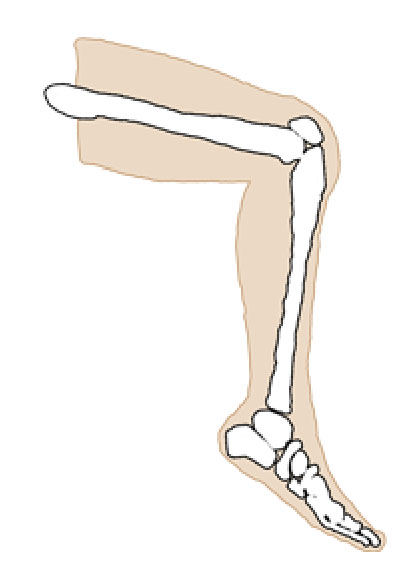 on face, arms, or back of legs. Use care when exposing your skin to sunlight.
Lack of Sunlight Exposure and Health Concerns
- Seasonal Affective Disorder (SAD)
 may be effectively treated with light therapy, anti-depressant medicines, and/or counseling. Ask your doctor what is right for you.
 - Even without exposure to sunlight, vitamin D may also be obtained from egg yolks, fatty fish, vitamin D enriched milk, vitamin enriched cereal,
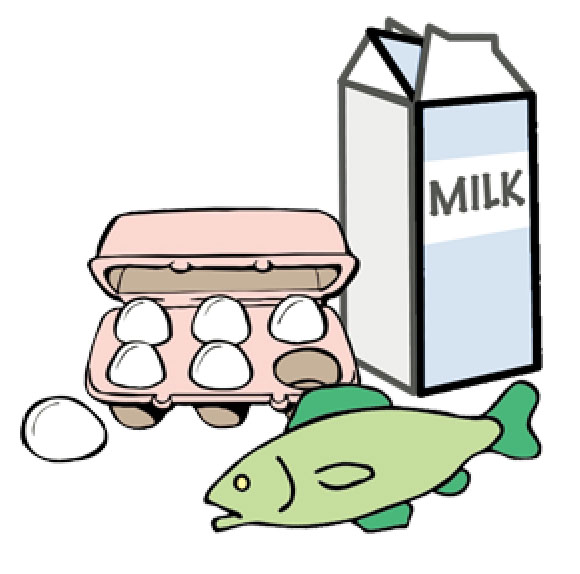 and calcium supplements. Some people may need extra vitamin D. Ask your doctor about your health concerns.
Sunlight Exposure and Health Concerns
- Photosensitive Medicines:
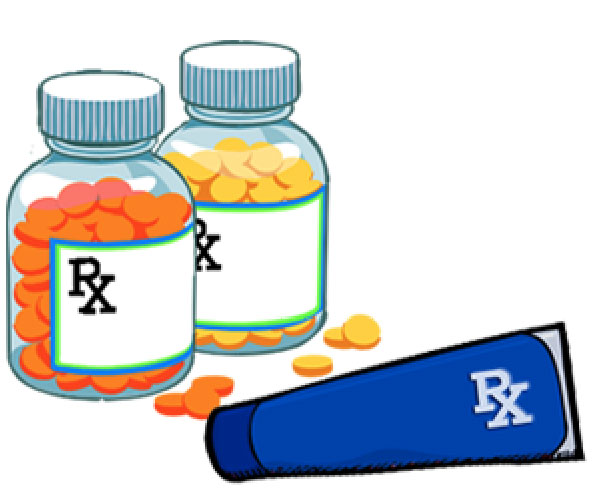 Ask your pharmacist or doctor if any of your medicines cause sensitivity and if so, avoid sunlight while using these topical or oral medicines. Look out for photosensitivity in over-the-counter and prescription medications.
 - Suntans and Sunburns:
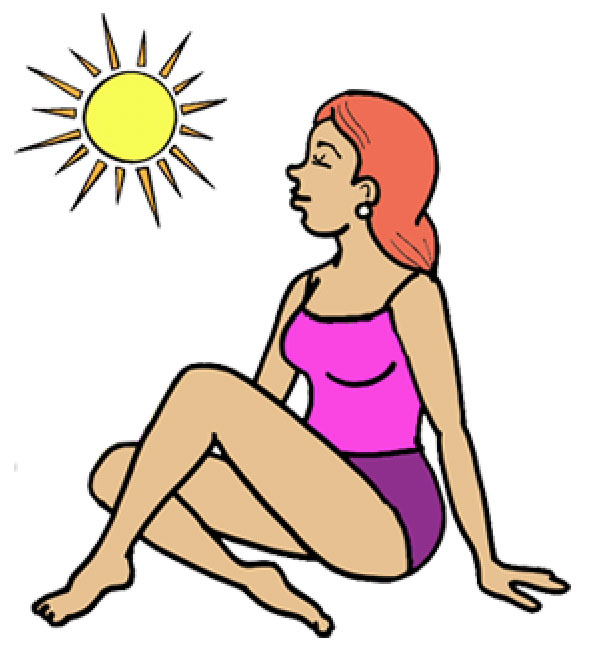 Sunburns can increase your risk of developing skin cancer later in life. Limit sun exposure between 10am and 4pm. Wear protective clothing and sunscreen of SPF 15-30 or more even on cloudy days. Some people also develop rashes and other conditions after sun exposure.
 - Skin Cancer:
 Skin cancer is the most common form of cancer and may occur on face, lips, ears, neck, chest, arms, and hands. Some cancers are easily treated. Melanoma is less common but more dangerous than other types of skin cancer. Check with your doctor if you have any changes in your skin or you develop unusual markings. Early detection is important. Some skin cancers can spread.
 - Eye Problems:
 Sunlight can damage your eyes. In the short term, exposure to UV rays can burn your eyes and long-term exposure increases the risk of cataracts, skin cancer around your eyes and other eye problems. Wear wide-brim hats and wraparound sunglasses with maximum UV protection (99-100% UVA and UVB). Eat fruits and vegetables.
What is vitamin D and why is it important?
- Vitamin D helps the body absorb calcium, which is necessary to maintain bone health
- Without vitamin D, some people will develop osteoporosis (adults) or rickets (children)
What is photosensitivity?
- The use of some medicines increase sensitivity to sunlight, which may result in sunburn or other symptoms
What is sunburn?
- Sunburn is the reddening of the skin, which occurs when the amount of exposure to UV rays exceeds the ability of skin to protect itself
What is UV?
- UV is ultraviolet radiation, which is an invisible component of sunlight
What is Seasonal Affective Disorder (SAD)?
- SAD is symptoms of depression in fall and winter when there is less available sunlight and less exposure
What is suntan?
- A suntan is a type of skin damage where skin produces more melanin as a result of UV exposure
What is melanin?
- Melanin is the human body's protective pigment
What is skin cancer?
- Skin cancer is uncontrolled growth of abnormal skin cells
Paulette Hebert, Ph.D.
Professor
Design, Housing & Merchandising
Janice Hermann, Ph.D., R.D./L.D.
Professor
Extension Specialist Adult and Older Adult Nutrition
Mihyun Kang, Ph.D.
Associate Professor
Design, Housing & Merchandising
Gina Peek, Ph.D
Assistant Professor
Extension Specialist Housing & Consumer