

Cooking For One or Two
Simple Tips for Healthy, Easy Meals
Cooking for one or two people can be challenging because many recipes and food packages are made for families. With simple planning and smart habits, you can cook healthy meals, save money, reduce food waste and maintain independence. These tips are helpful for people living alone, couples, older adults and young adults.
Build Balanced Meals
| Food Group | Serving Goals (based on a 2,000 Kcal/day) |
|---|---|
| Protein | 1.2 - 1.6 grams of protein per kilogram of body weight per day; adjusting as needed based on individual caloric requirements |
| Dairy | 3 servings; adjusting as needed based on individual caloric requirements |
| Vegetables | 3 servings; adjusting as needed based on individual caloric requirements |
| Fruits | 2 servings; adjusting as needed based on individual caloric requirements |
| Whole Grains | 2 - 4 servings; adjusting as needed based on individual caloric requirements |
- A simple meal formula: Protein + Vegetable + Grain + Dairy + Optional fruit.
- Tip for older adults: Include protein at each meal and stay well-hydrated.
Meal Planning Made Simple
- Shop your pantry, fridge, and freezer first before shopping
- Plan 3–5 meals per week
- Keep meals flexible
- Use convenience foods, like pre-chopped vegetables, frozen or canned produce, or rotisserie chicken, to save time or energy
Helpful Pantry Foods
- Canned proteins: beans, tuna, or chicken
- Whole grains: rice, pasta, or other whole grains
- Broths, canned tomatoes, seasonings
- Frozen fruits and vegetables
Right-Sizing Recipes
Most recipes are written for families. Right-sizing means changing the recipe to fit your needs.
- Cut recipes in half or thirds
- Measure ingredients carefully
- Smaller meals cook faster
- Right-sizing saves money and reduces food waste
Using Leftovers the Smart Way
Leftovers are helpful when cooking for one or two people.
- Enjoy home-cooked meals without cooking every day
- Fewer dishes and less cleanup
- Cook once, eat more than once
Safely Store Leftovers
- Cover and label the container with the name of the food and the date
- Refrigerate within two hours (1 hour if over 90°F)
- Use refrigerated leftovers within four days
- Freeze extra food in meal-sized portions
Planned Overs and Reducing Food Waste
- Plan meals that share ingredients across the week
- Use small amounts of leftovers in flexible meals
- Make “use it up” meals like soups, stir-fries, bowls, or omelettes
- Repurpose leftovers:
- Cooked chicken: tacos or chicken salad
- Vegetables: soups, omelettes, or bowls
- Rice or pasta: stir-fries or casseroles
Shopping Strategies
- Compare unit prices
- Buy only what you will use
- Buy unpackaged produce (when cheaper) to avoid waste
- Convenience can save time and reduce waste
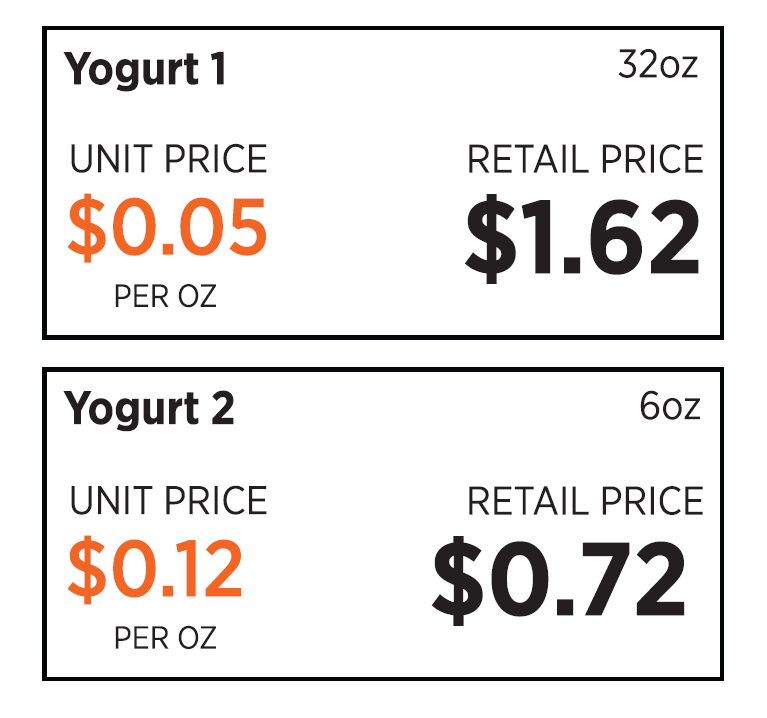 Figure 1. Unit pricing comparison. Rutgers NJAES (2026).
Know Your Food Dates
- Sell-by: store display guidance, not safety
- Best if used by: quality, not safety
- Use-by: peak quality date, not safety
- Freeze-by: to maintain quality, not safety
Quality dates ≠ safety. Always rely on proper storage and
handling.
Food Safety Basics
Follow these four steps to keep food safe:
- Clean: Wash hands and surfaces
- Separate: Keep raw foods apart
- Cook: Cook foods to safe temperatures
- Chill: Refrigerate food quickly
Food Safety Tips
- Watch the temperature danger zone (40–140 F)
- Reheat leftovers to 165 F
- When in doubt, throw it out
Freezer Basics
- Keep freezer at 0 F or lower
- Freezing keeps food safe indefinitely, but quality declines
over time - Use airtight containers
- Freeze single-serving portions
- Freeze small amounts (broths, sauces) in ice cube trays
Easy Cooking Tools and Methods
Use methods that save time and reduce dishes:
- Sheet-pan, skillet and one-pot meals
- Air fryer, toaster oven, microwave, mini slow cooker, single-
burner induction cooktop
Budget-Conscious Strategies
- Buy high-quality proteins in smaller packages, or buy
family-size packs and freeze them in smaller portions - Choose seasonal produce when possible
- Fresh vs. frozen vs. canned: choose what fits your budget
and reduces waste - Use store loyalty apps, digital coupons, pick-up or delivery
options
Making Meals Enjoyable
Cooking for yourself matters, try:
- Music, podcasts, or a clean and relaxing space
- Nicely plating your meal
- Trying new flavors and quick, rewarding recipes
Key Takeaways
- Plan simple, flexible meals and use what you already have
- Right-size recipes and use leftovers or freezer portions
to reduce waste - Shop smart with unit pricing and proper storage to save
money - Follow basic food safety steps to keep meals safe
- Make cooking enjoyable with easy routines that fit your lifestyle