

Integrated Management of Corn Stunt
Corn stunt is considered one of the most important limiting factors of corn production in the Americas, a region responsible for more than 50% of the world’s corn grain production. In the United States, corn stunt re-emerged in 2024 across several corn-producing regions, with substantial economic losses documented in Texas, Oklahoma, Missouri and Kansas. Corn stunt is caused by a complex of four plant pathogens, including two bacteria-like organisms and two viruses, which may occur individually or in combination within infected plants. The bacterial pathogens are corn stunt spiroplasma (Spiroplasma kunkelii; CSS) and Maize bushy stunt phytoplasma (‘Candidatus Phytoplasma zeae’, MBSP). The viral pathogens are maize rayado fino virus (MRVF) and maize striate mosaic virus (MSMV). The three primary pathogens associated with corn stunt — CSS, MBSP and MRFV — have previously been reported in the United States. In contrast, MSMV was only recently reported in Brazil and Argentina, associated with corn stunt symptoms and has not yet been detected in the U.S.
Disease Symptoms
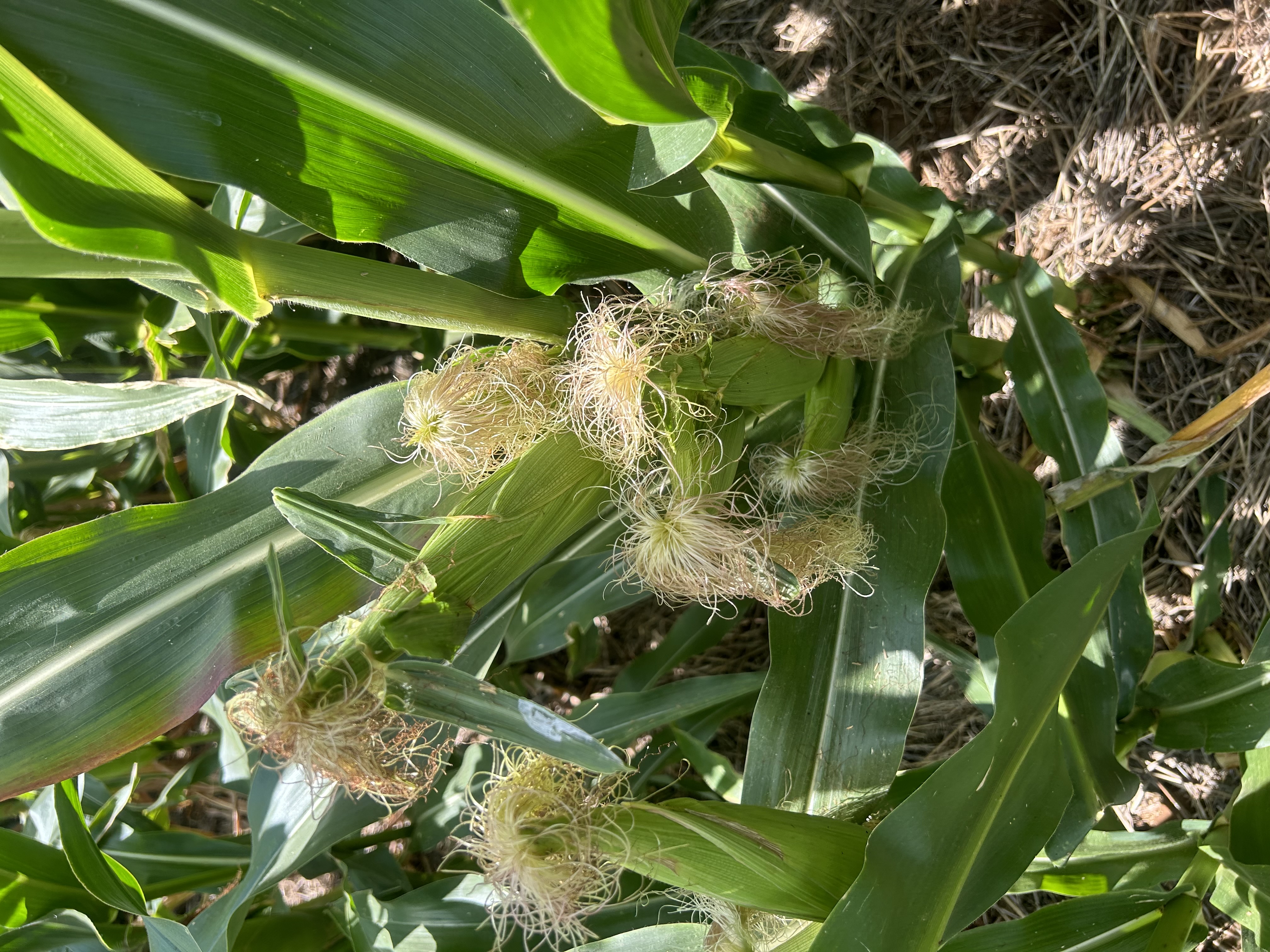
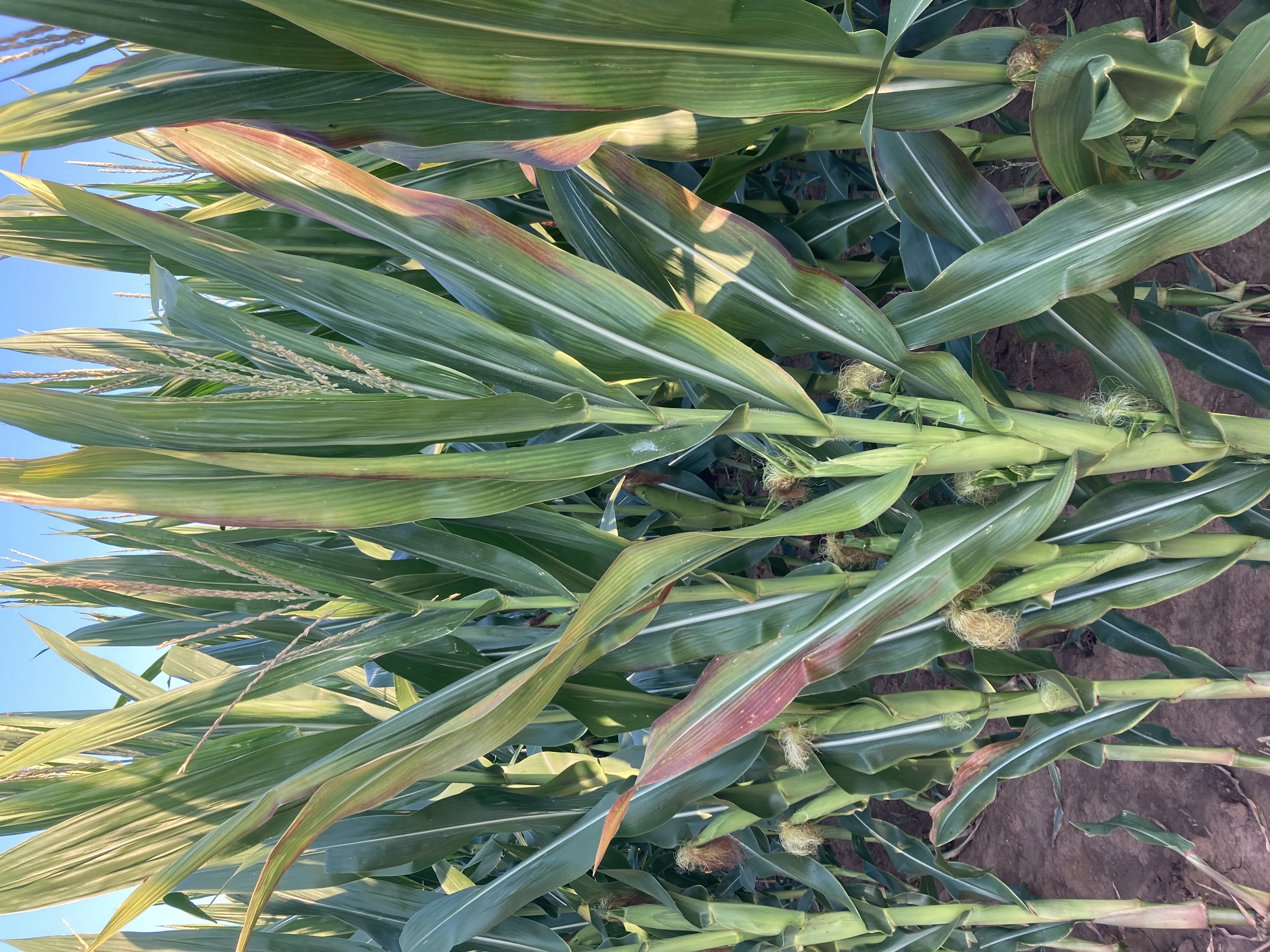
Symptoms of corn stunt can vary depending on the corn hybrid, growth stage at infection, environmental conditions and the pathogen or combination of pathogens involved. In general, symptoms are more severe when plants are infected during the early vegetative growth stages, from emergence (VE) to tassel (VT). Common symptoms associated with corn stunt include chlorotic striping or yellow streaks along leaf veins (Figure 1), reddening or purpling of leaf margins, veins and midribs (Figure 2) and yellowing of the leaf margins (Figure 3). These symptoms are typically most evident in the upper canopy, as corn stunt pathogens are systemic and tend to accumulate in actively growing tissues, particularly young leaves. Additional common symptoms include stunting and shortened internodes (Figure 4); excessive tillering or proliferation of shoots (Figure 5); reduced ear size with scattered or missing kernels (Figure 6); and premature plant decline or senescence. Corn ears of plants infected with corn stunt pathogens will often have loosely attached kernels compared to healthy ears (Figure 6), which can contribute to greater yield losses during harvest and increased volunteer corn in the field after harvest. Another symptom associated with corn stunt is the “stay-green” effect, in which infected plants fail to transition normally into reproductive growth stages and remain green in the field for an extended period, while non-infected plants senesce naturally and reach harvest maturity (Figure 7). In some cases, infected corn plants may also produce adventitious roots from the brace root node (Figure 8). In sweet corn, chlorosis and leaf reddening can be observed together on the same plants (Figure 9). Symptomatic plants often first appear along field borders and can occur in patches or irregular patterns throughout the field. As in grain corn, symptoms in sweet corn are often more severe when infection occurs during early vegetative growth stages.
| Figure | Caption |
|---|---|
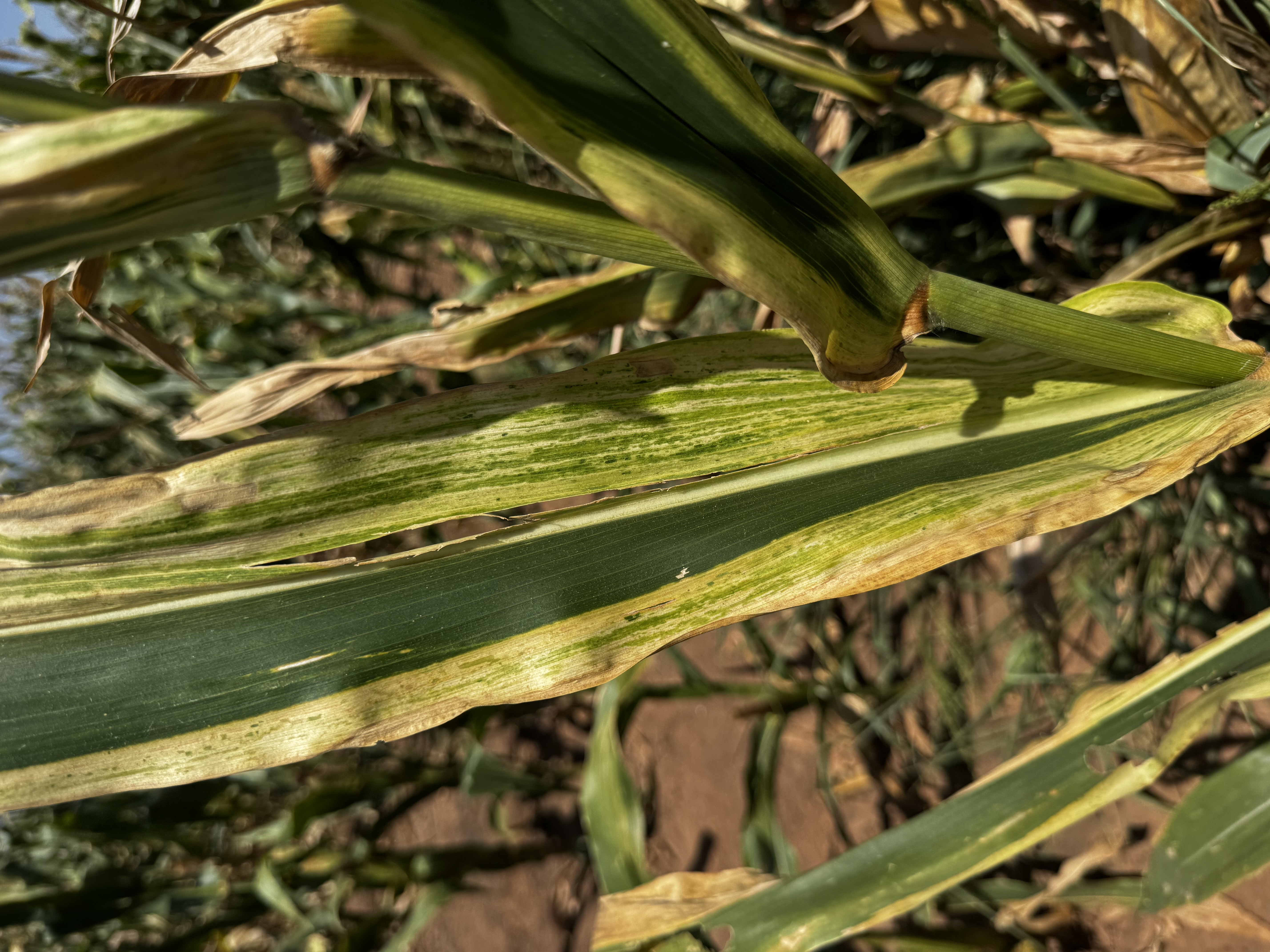 | Caption for Figure 1a-b. Grain corn in Oklahoma exhibiting symptoms of corn stunt, with chlorotic striping and yellow streaks along leaf veins. Photo credit: Maira R. Duffeck. |
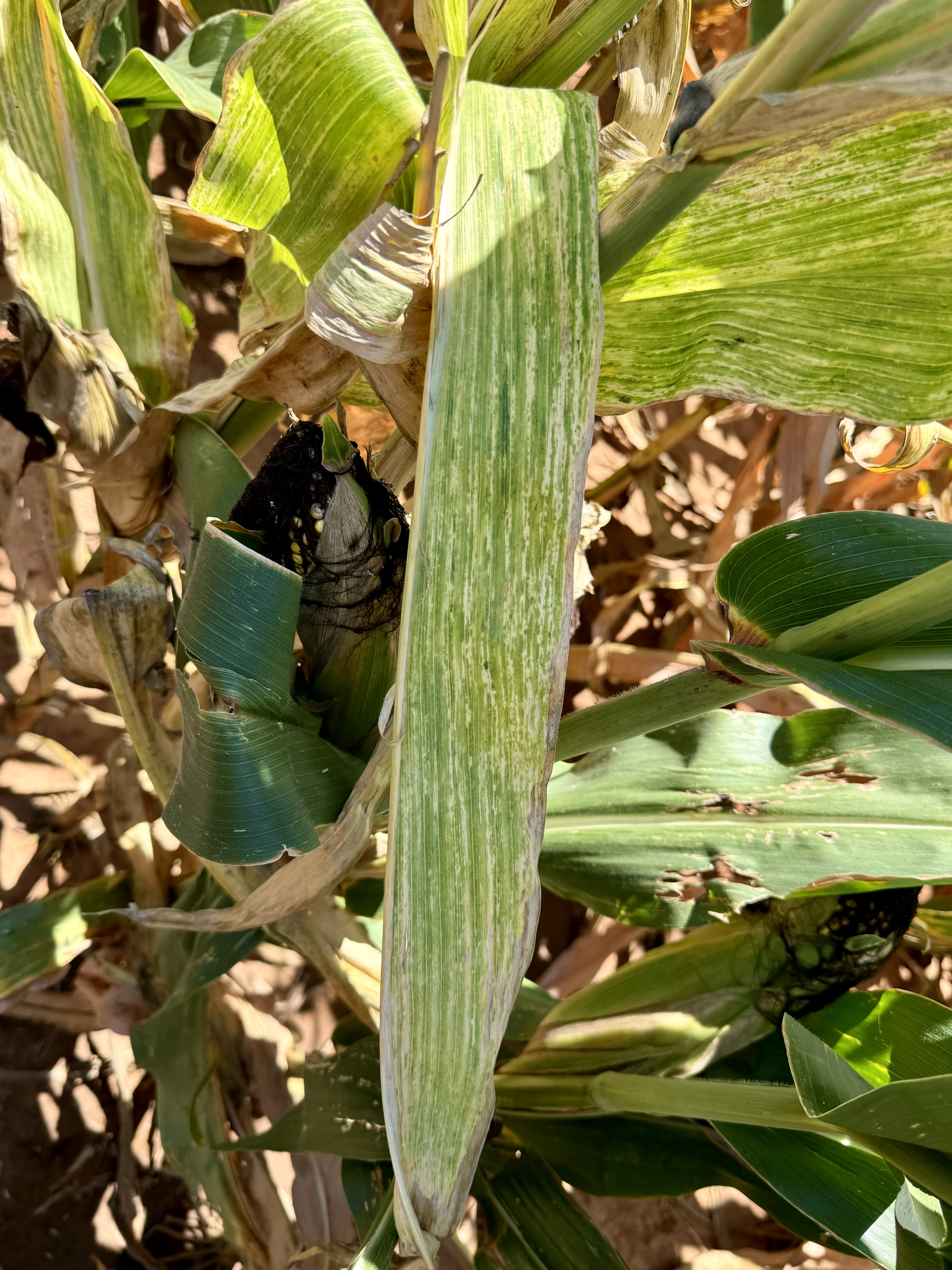 | Figure 1b. |
| Figure | Caption |
|---|---|
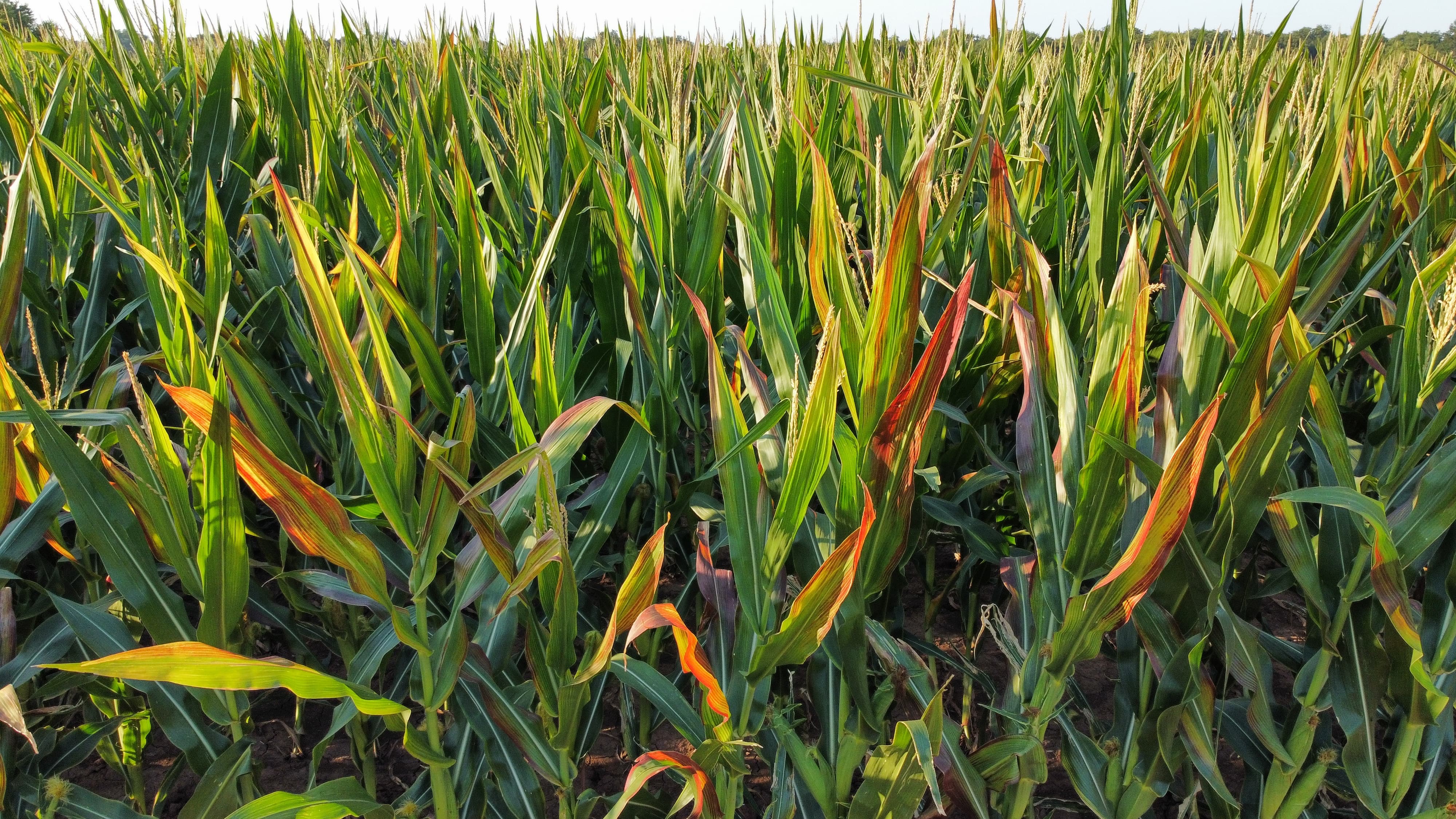 | Caption for Figure 2a-b. Late-planted grain corn in Oklahoma exhibiting symptoms of corn stunt, with the reddening of the leaves in the upper canopy of the corn plants (picture on the left) and reddening of leaf veins and midribs (picture on the right). Photo credit: Maira R. Duffeck. |
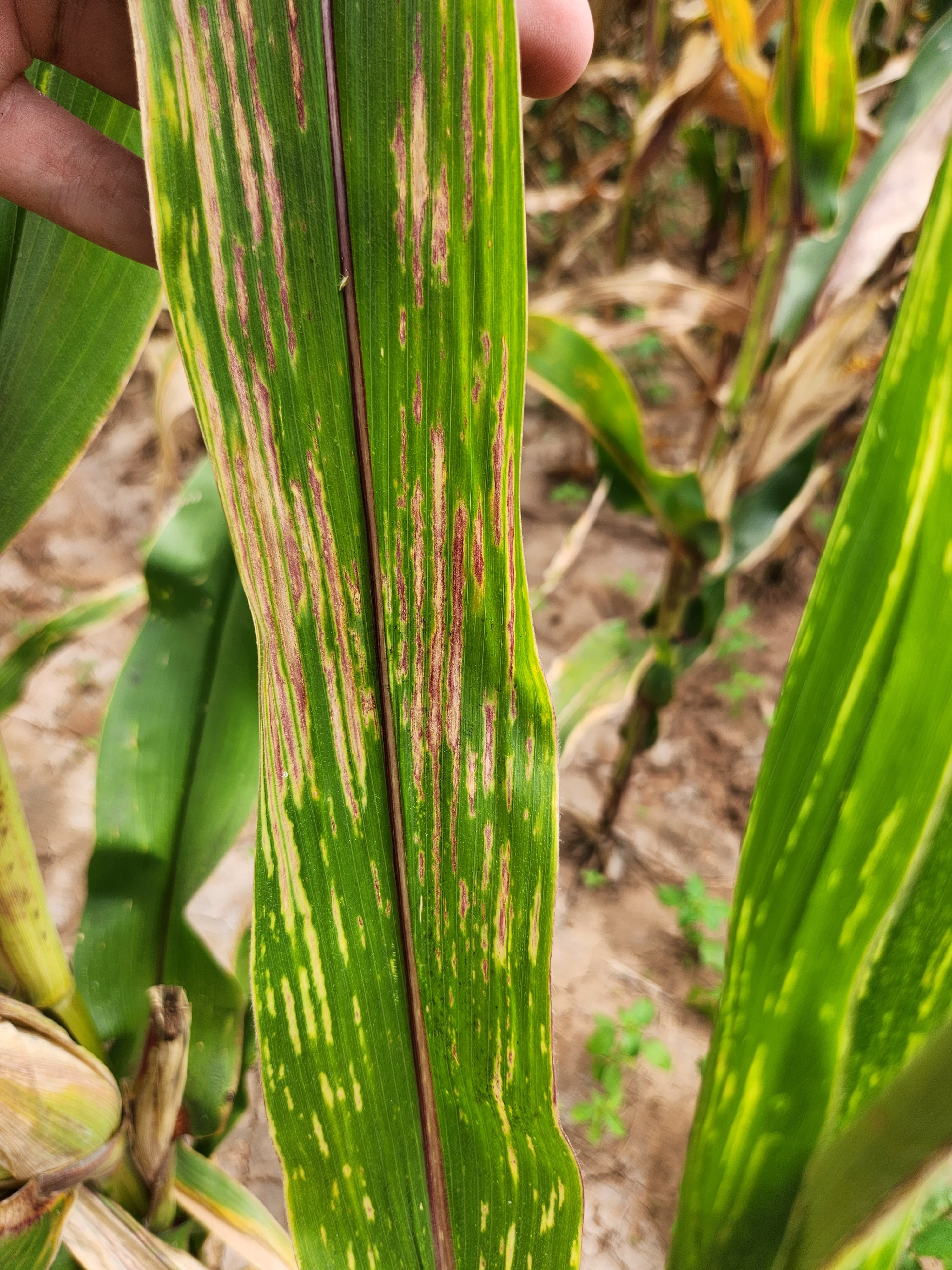 | Figure 2b. |
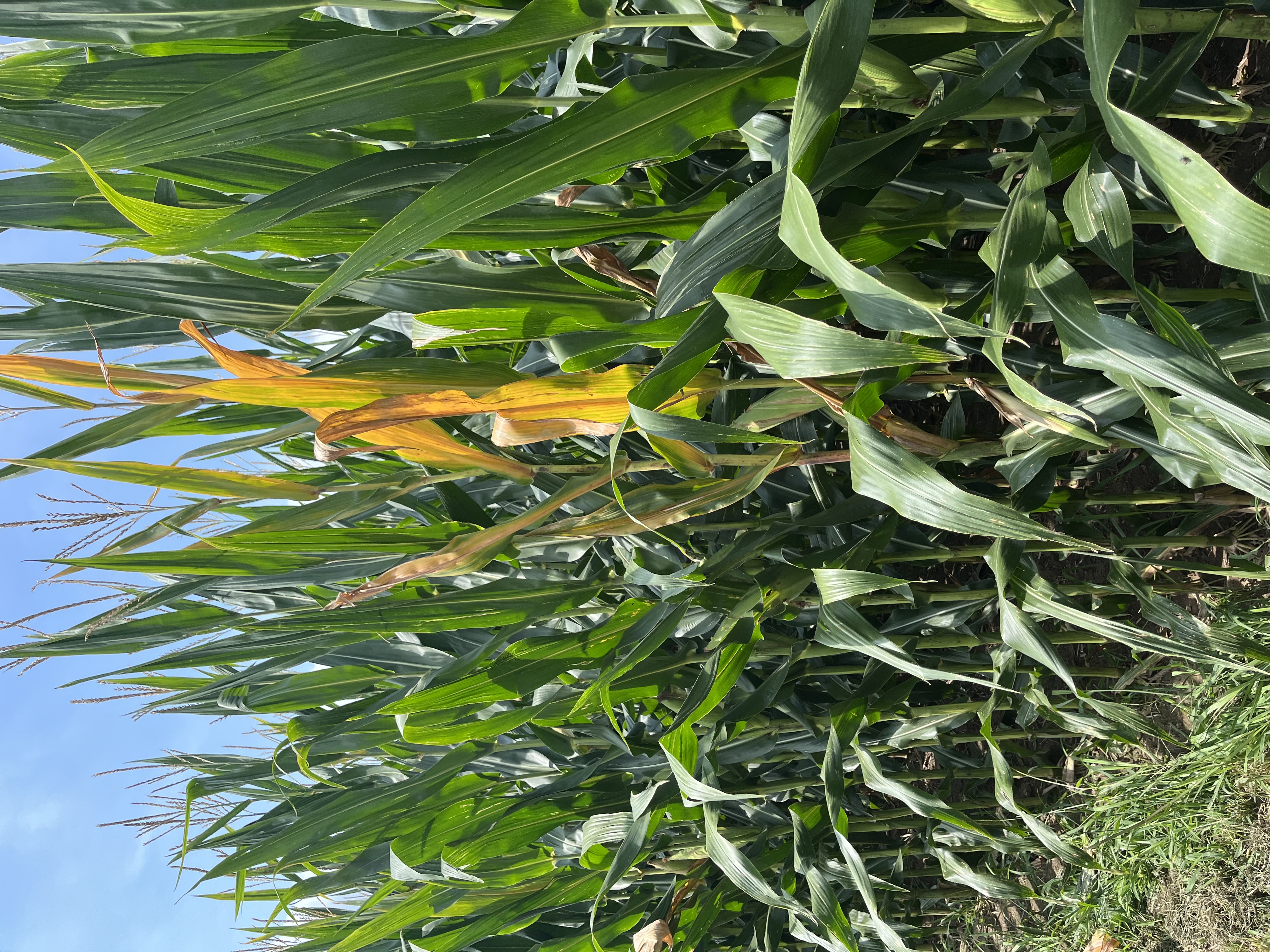 Figure 3. Grain corn in Missouri exhibiting symptoms of corn stunt, with the yellowing of the leaves in the upper canopy of the corn plants. Photo credit: Ivair Valmorbida, University of Missouri.
| Figure | Caption |
|---|---|
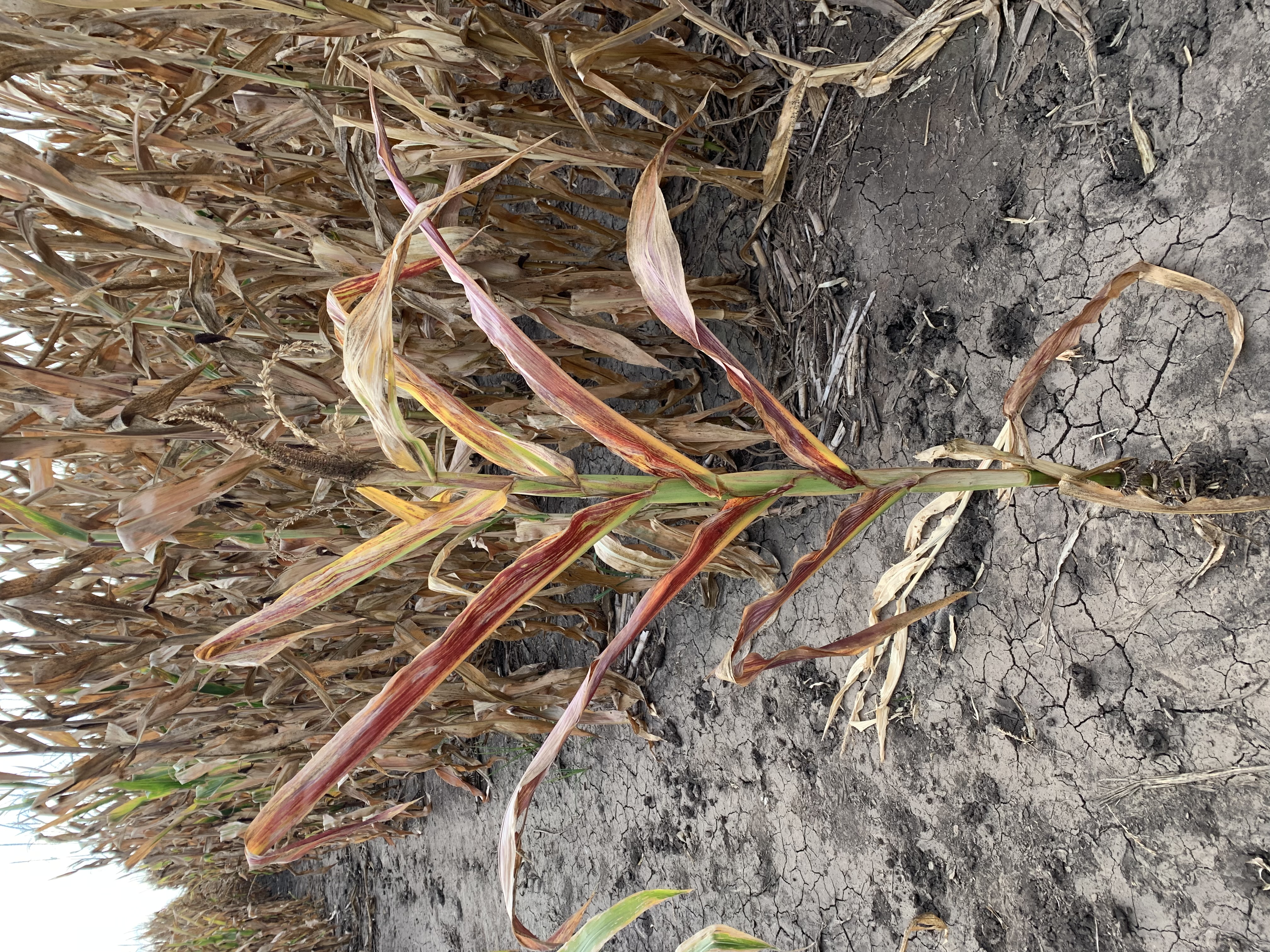 | Caption for Figure 4a-b. Corn plant in Oklahoma exhibiting severe stunting symptoms caused by corn stunt, with shortened internodes. Photo credit: Maira R. Duffeck. |
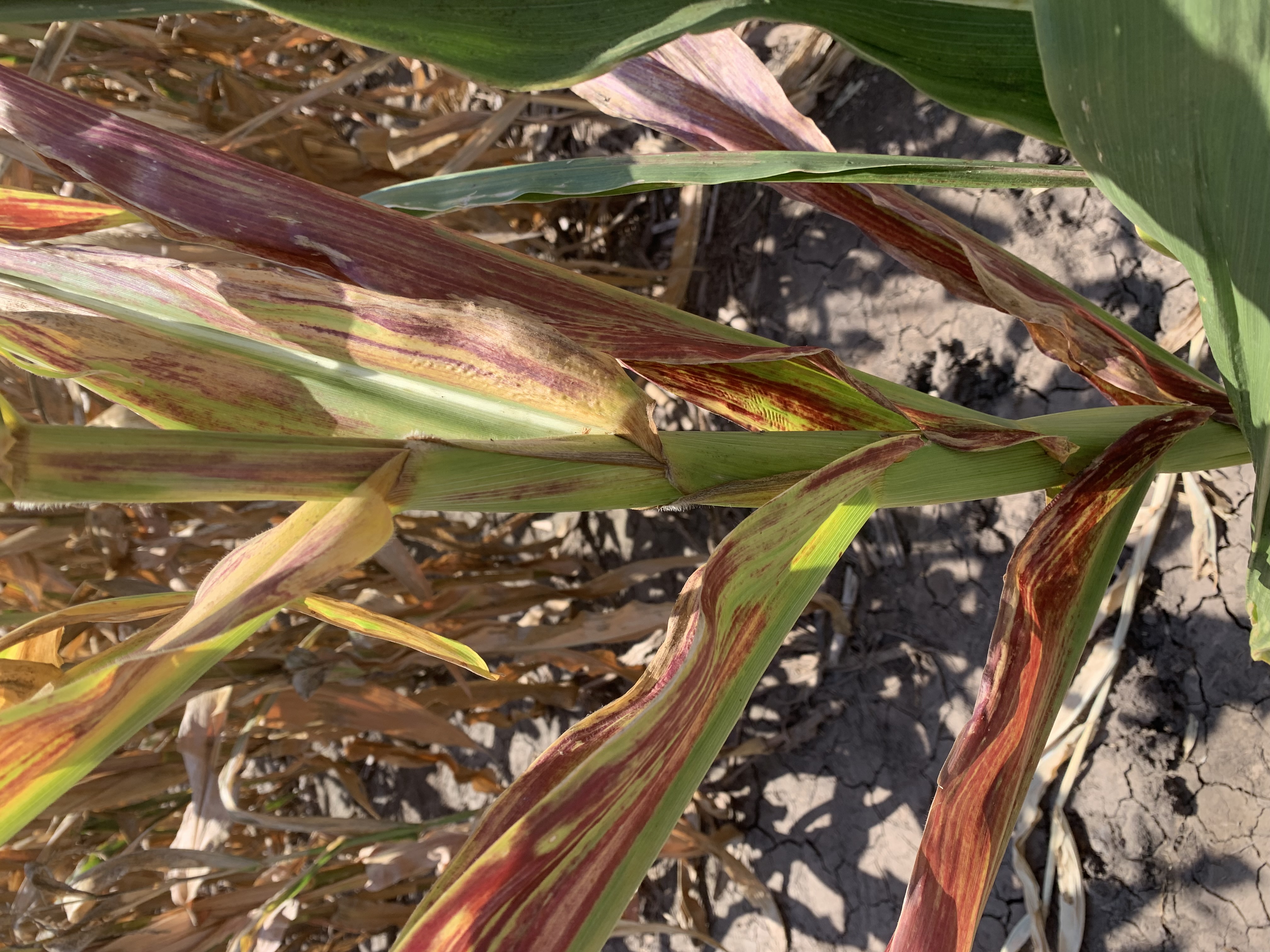 | Figure 4b. |
| Figure | Caption |
|---|---|
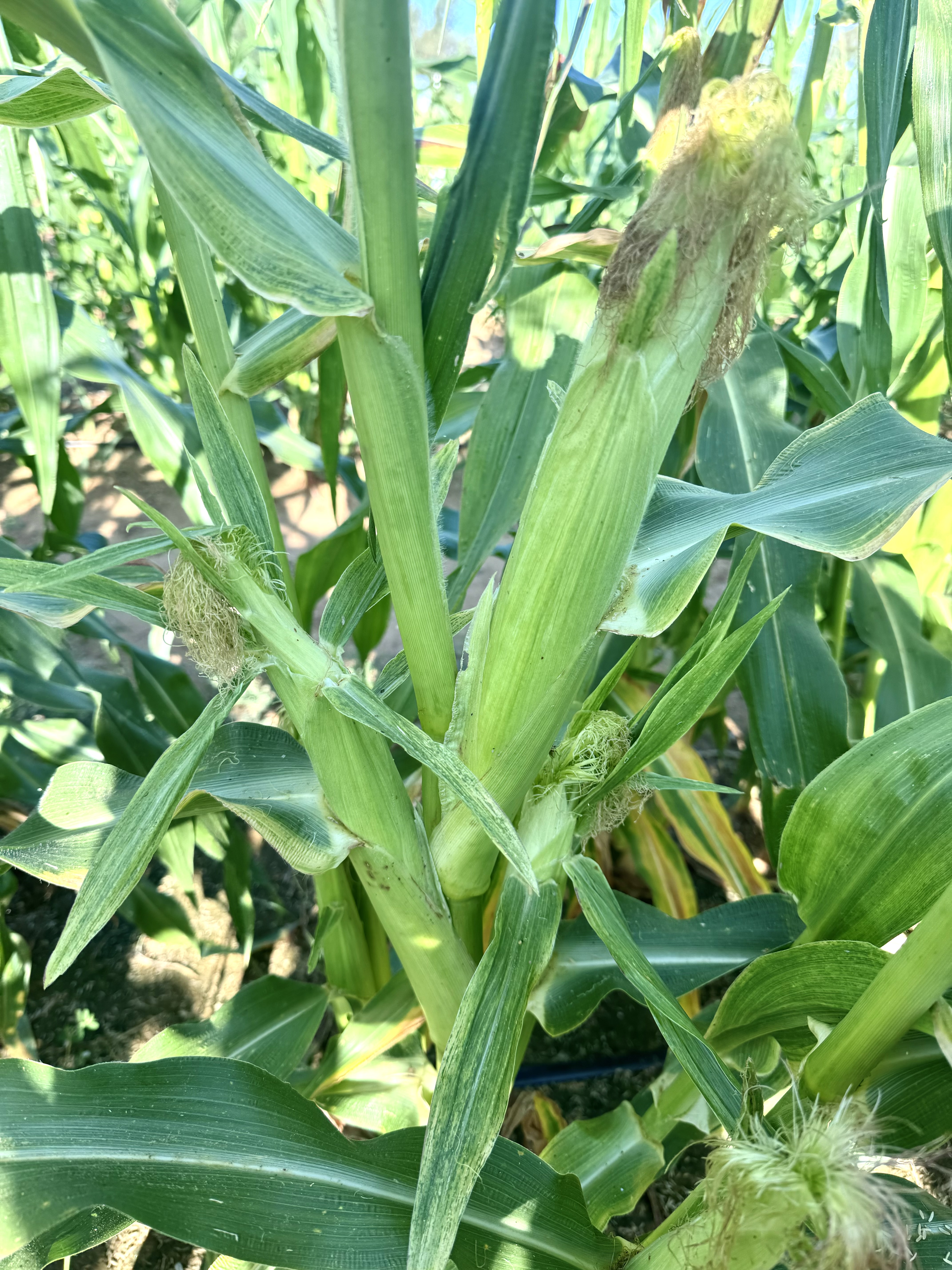 | Caption for Figure 5a-c. Corn plants in Oklahoma exhibiting the production of multiple, small ears caused by the infection with corn stunt pathogens (A-C). Photo credit: Maira R. Duffeck and Beck Johnson. |
 | Figure 5b. |
 | Figure 5c. |
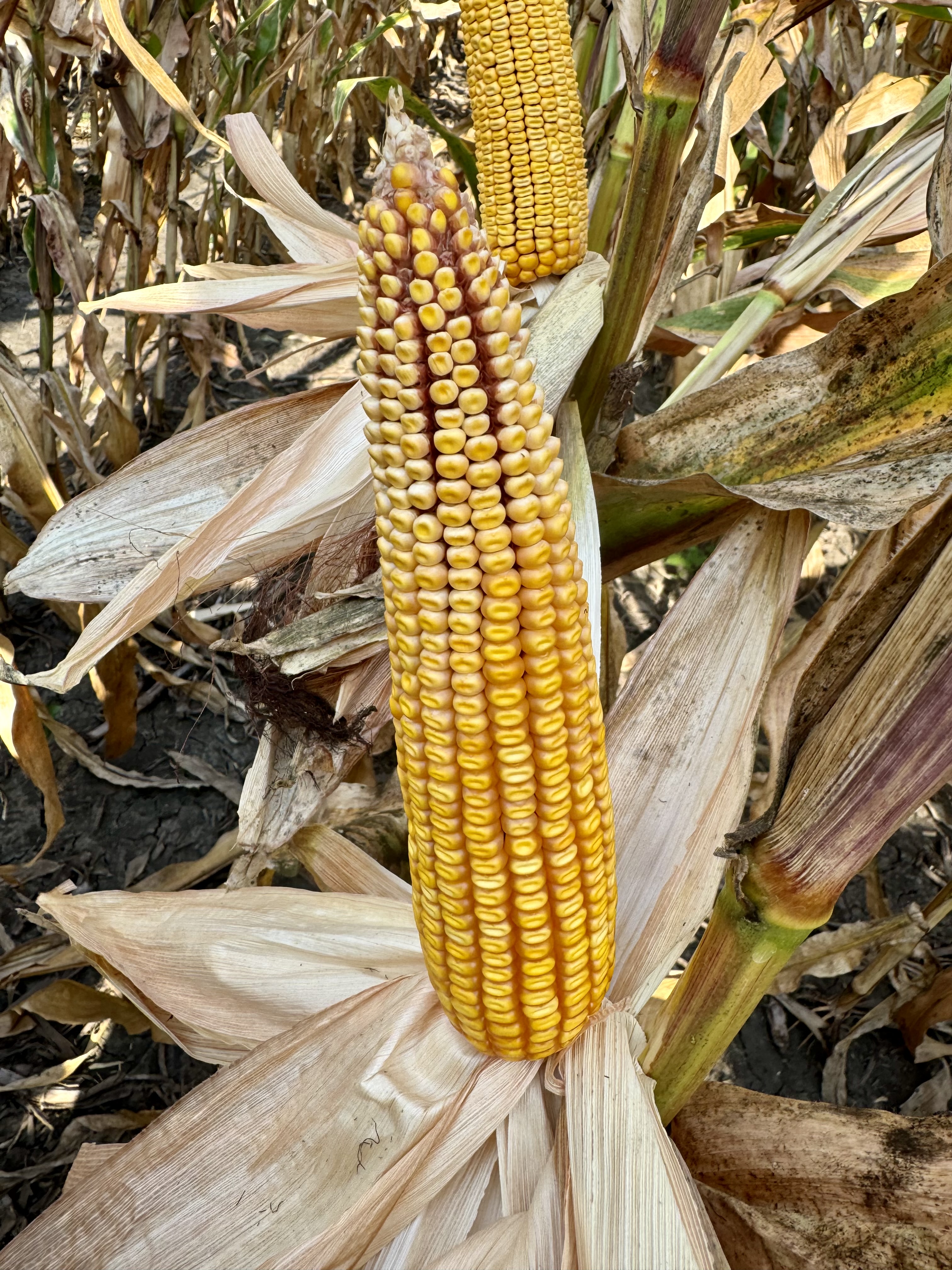 Figure 6a. Corn ear from a plant exhibiting symptoms of corn stunt, with smaller and loosely attached kernels at the ear tip. Photo credit: Maira R. Duffeck.
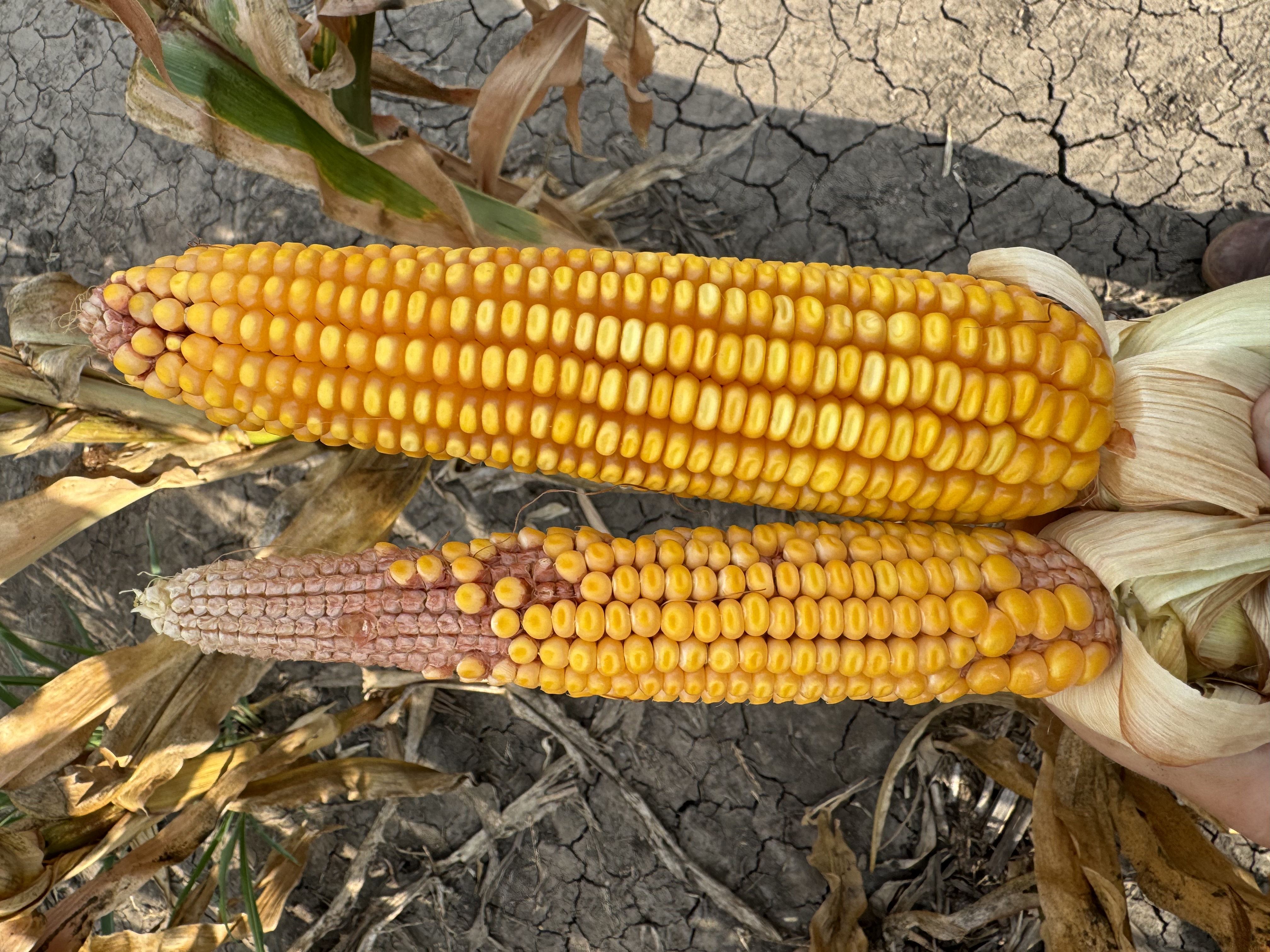 Figure 6b. Comparison of corn ears collected from the same field, exhibiting an ear from a plant with corn stunt symptoms (left) and an ear from a healthy plant (right). Photo credit: Maira R. Duffeck.
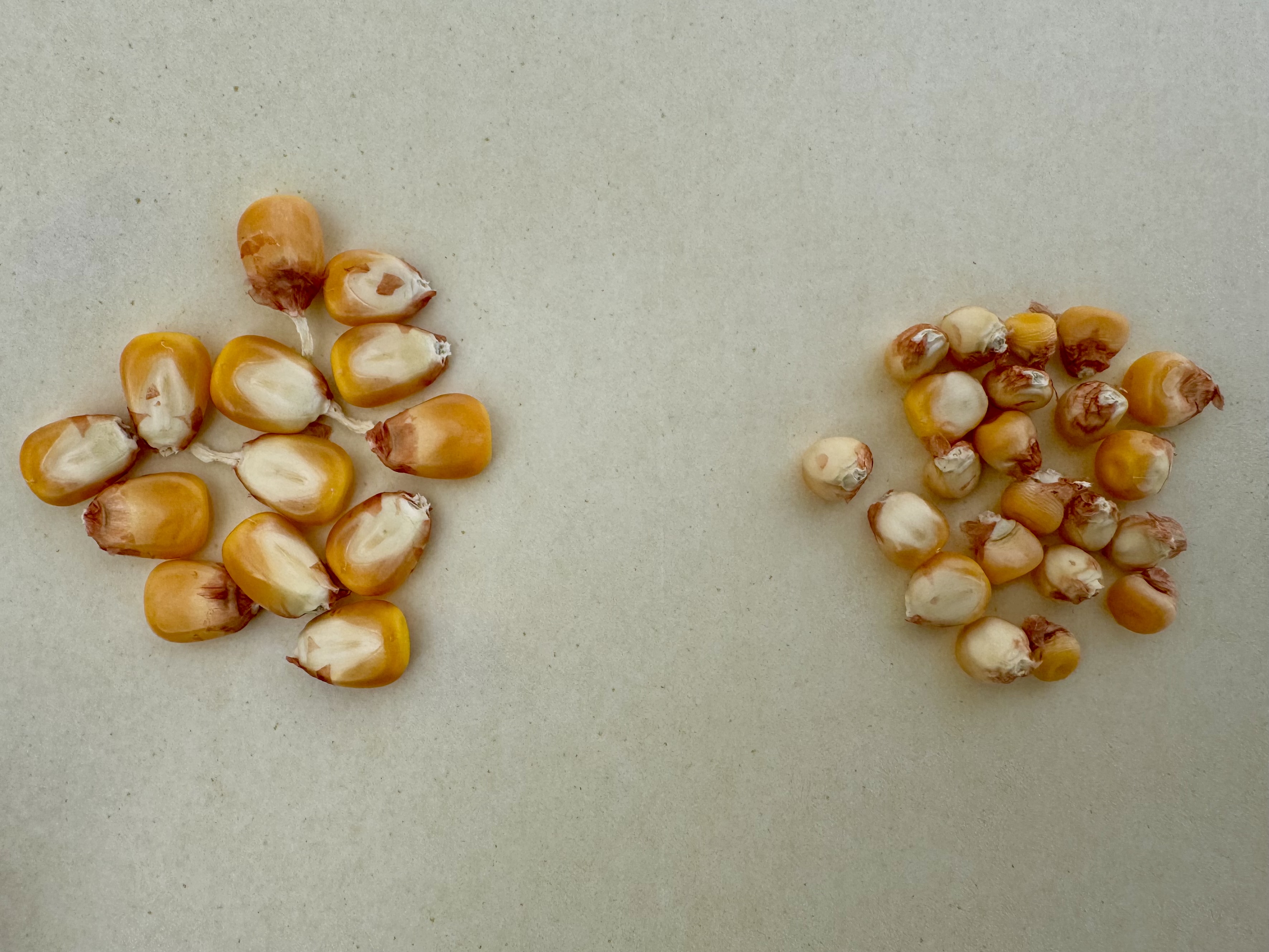 Figure 6c. Comparison of kernel size between healthy plants (top) and plants exhibiting corn stunt symptoms (bottom). Photo credit: Maira R. Duffeck.
| Figure | Caption |
|---|---|
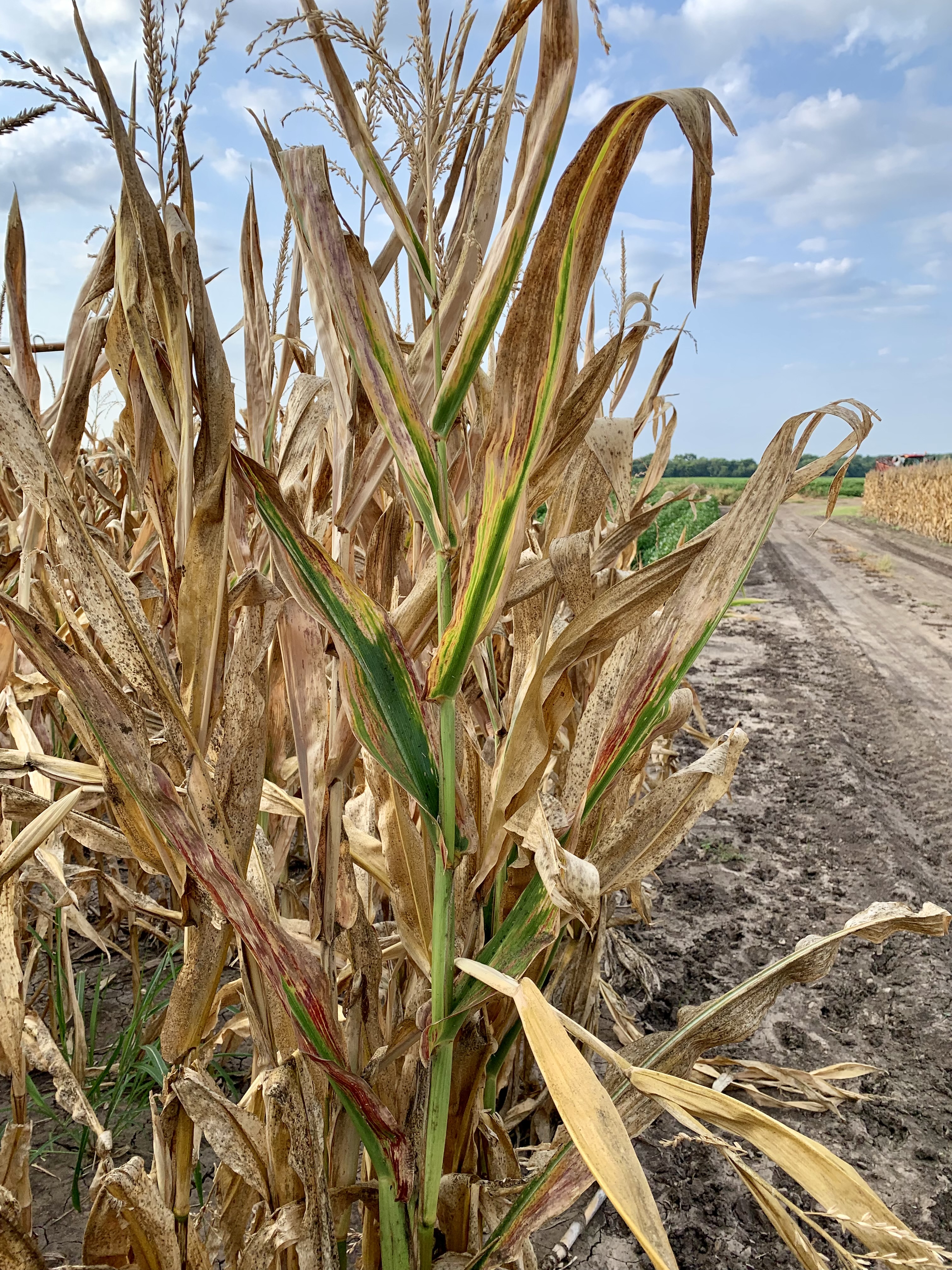 | Caption for Figure 7a-c. Corn plants in Oklahoma infected with corn stunt pathogens exhibiting “stay green” symptoms. Photo credit: Maira R. Duffeck. |
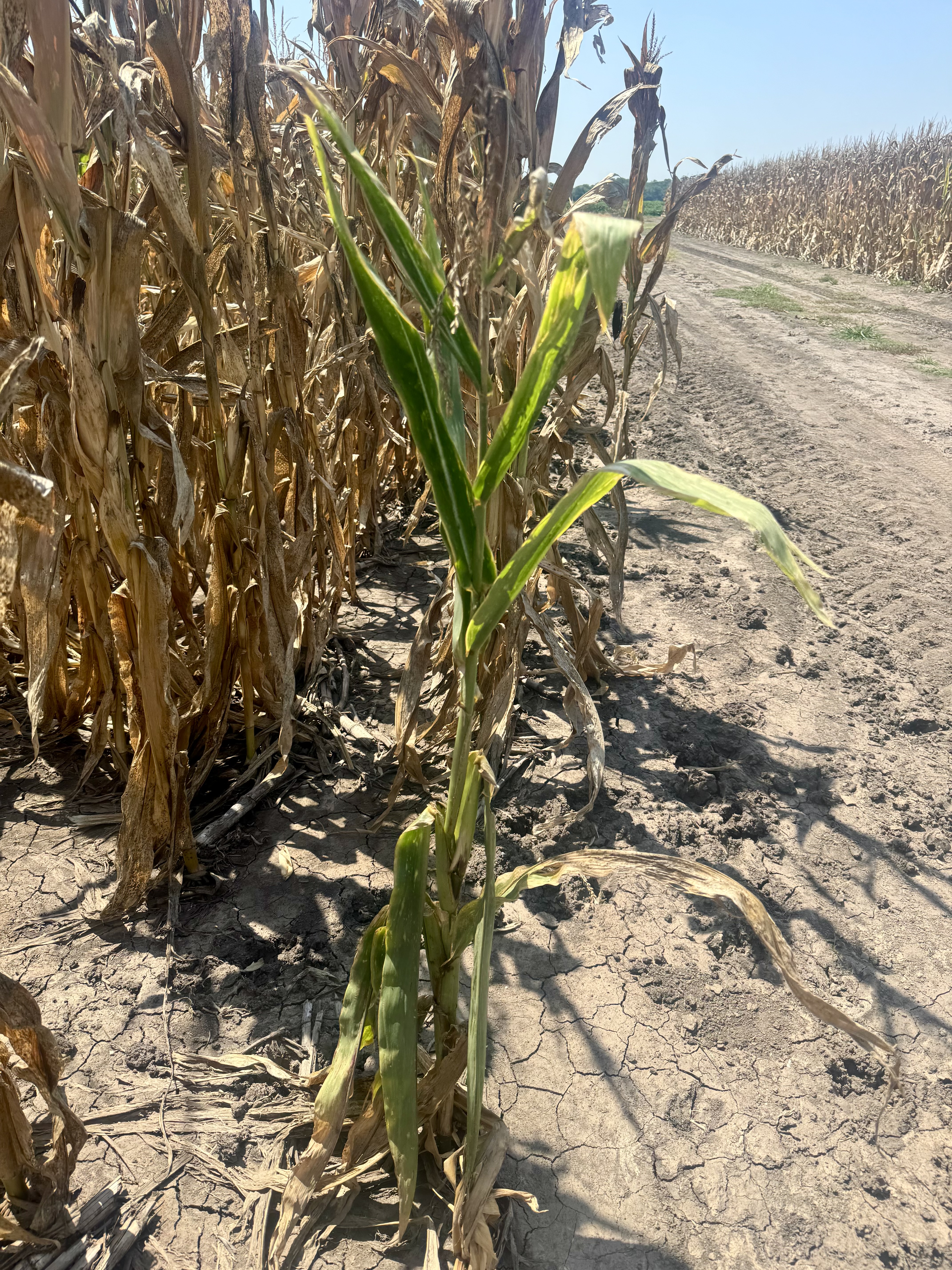 | Figure 7b. |
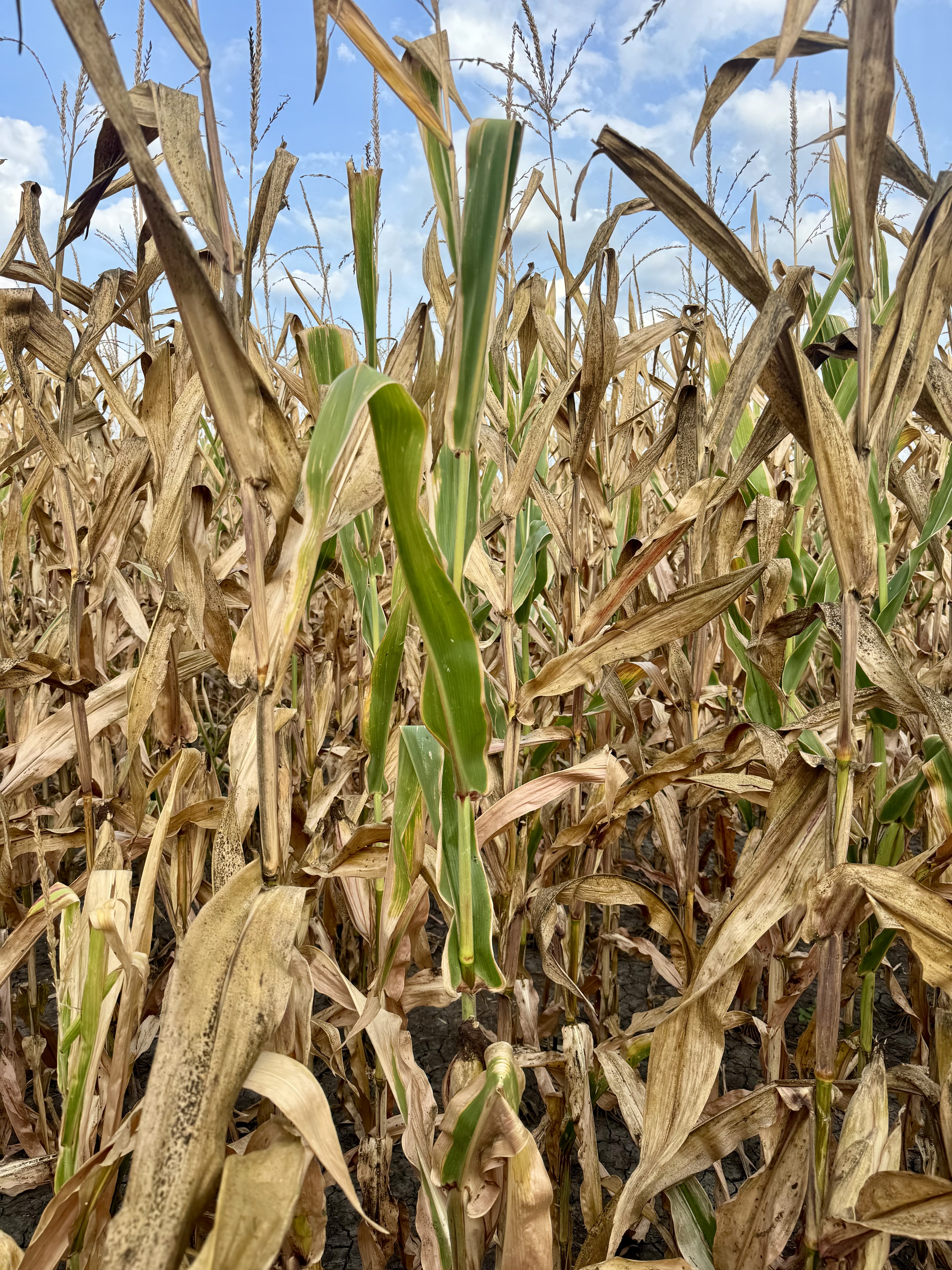 | Figure 7c. |
| Figure | Caption |
|---|---|
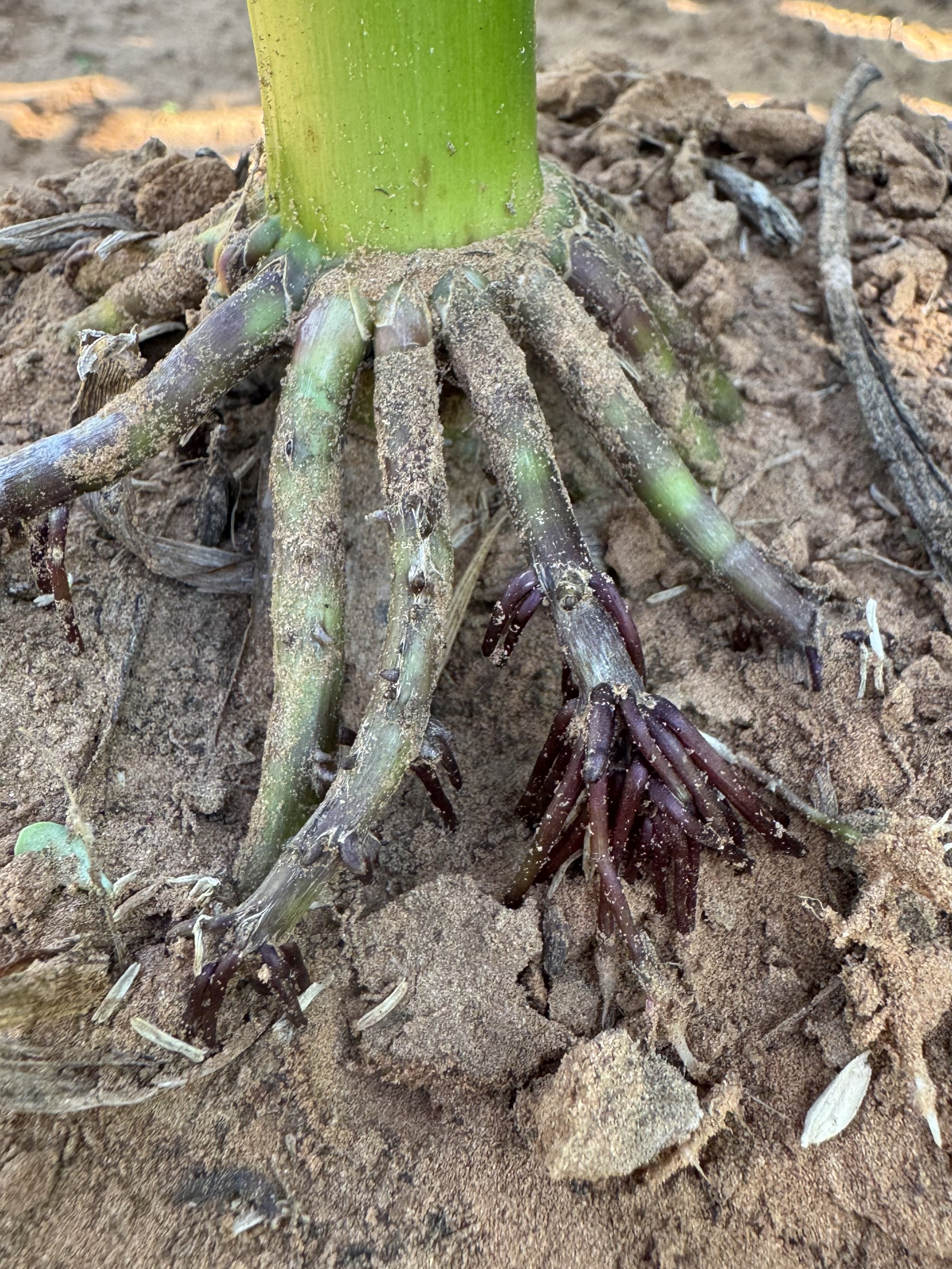 | Caption for Figure 8a-b. Corn plants in Oklahoma exhibiting symptoms of corn stunt with the production of adventitious roots on the brace root. Photo credit: Maira R. Duffeck. |
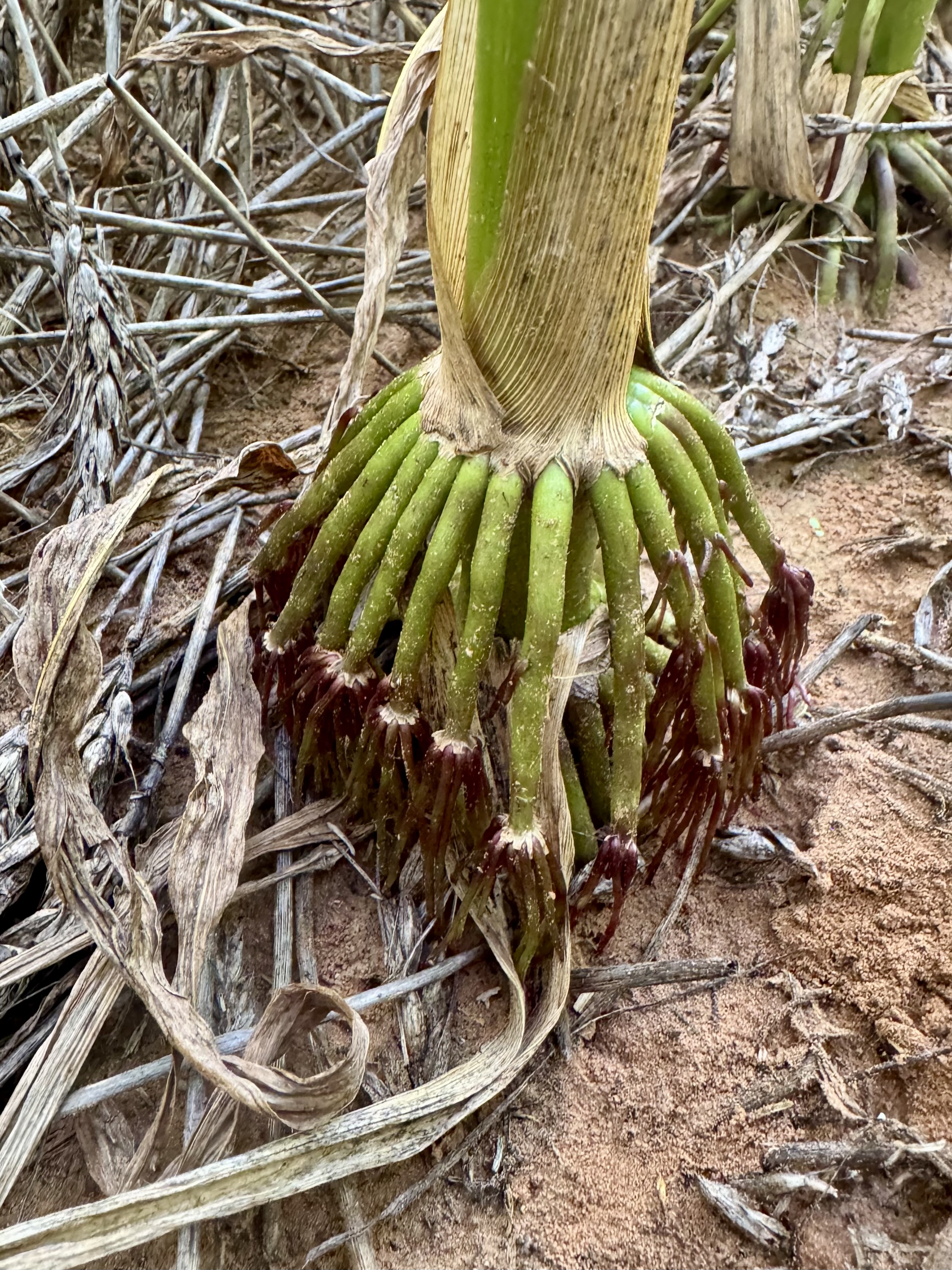 | Figure 8b. |
| Figure | Caption |
|---|---|
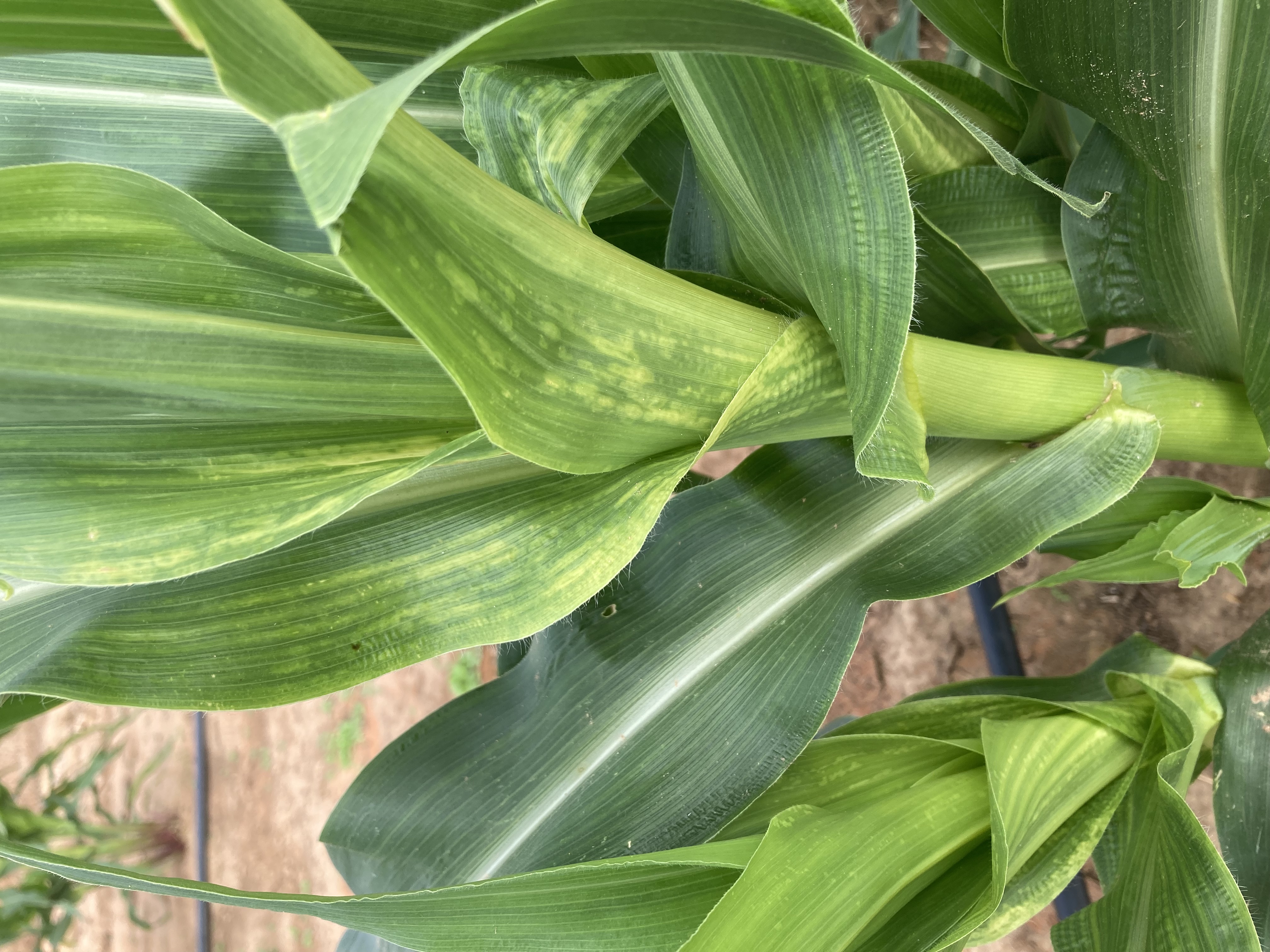 | Caption for Figure 9a-c. Sweet corn plants in Oklahoma exhibiting symptoms of corn stunt, with chlorosis and reddening of the leaves. Photo credit: Astri Wayadande. |
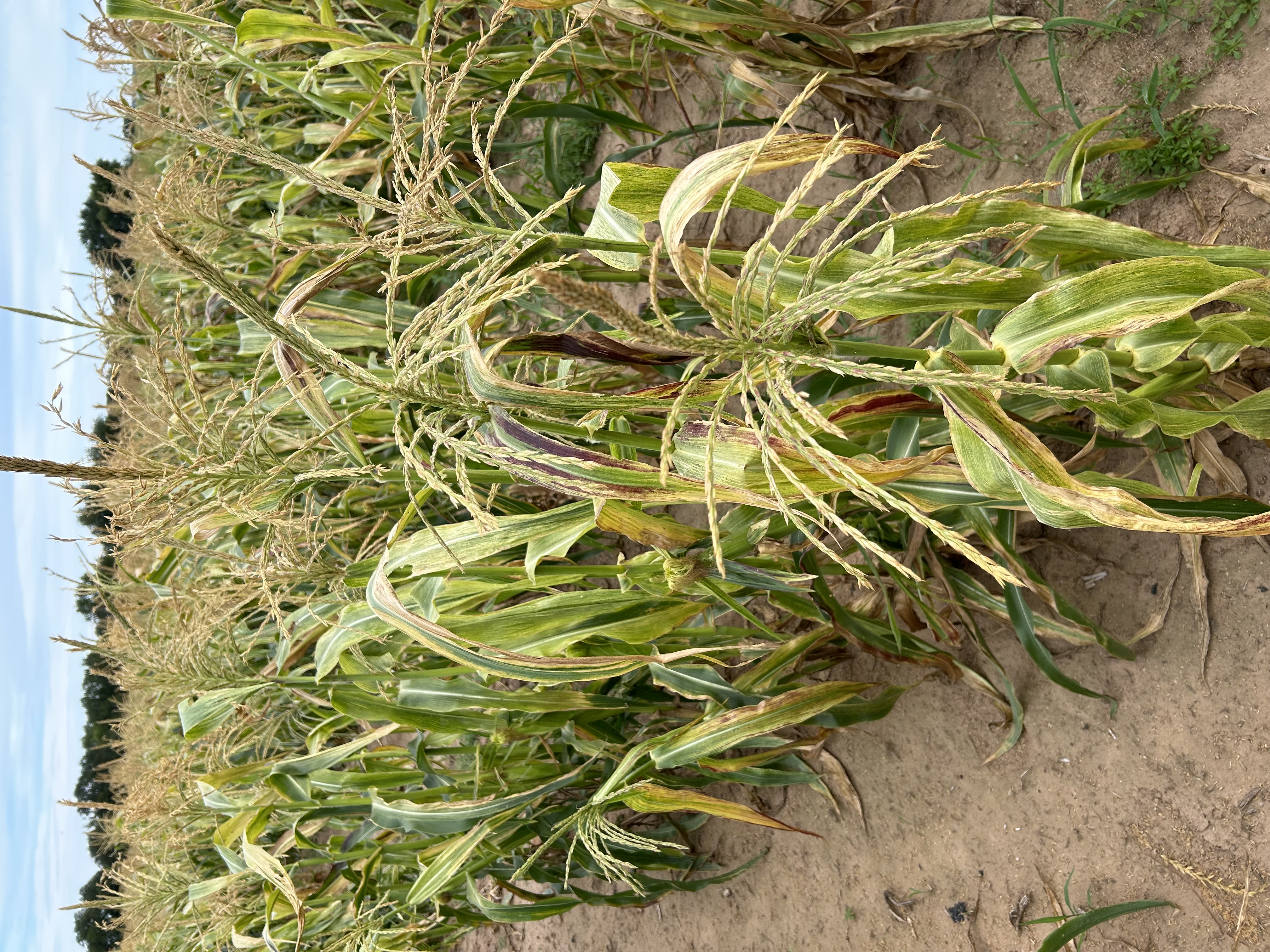 | Figure 9b. |
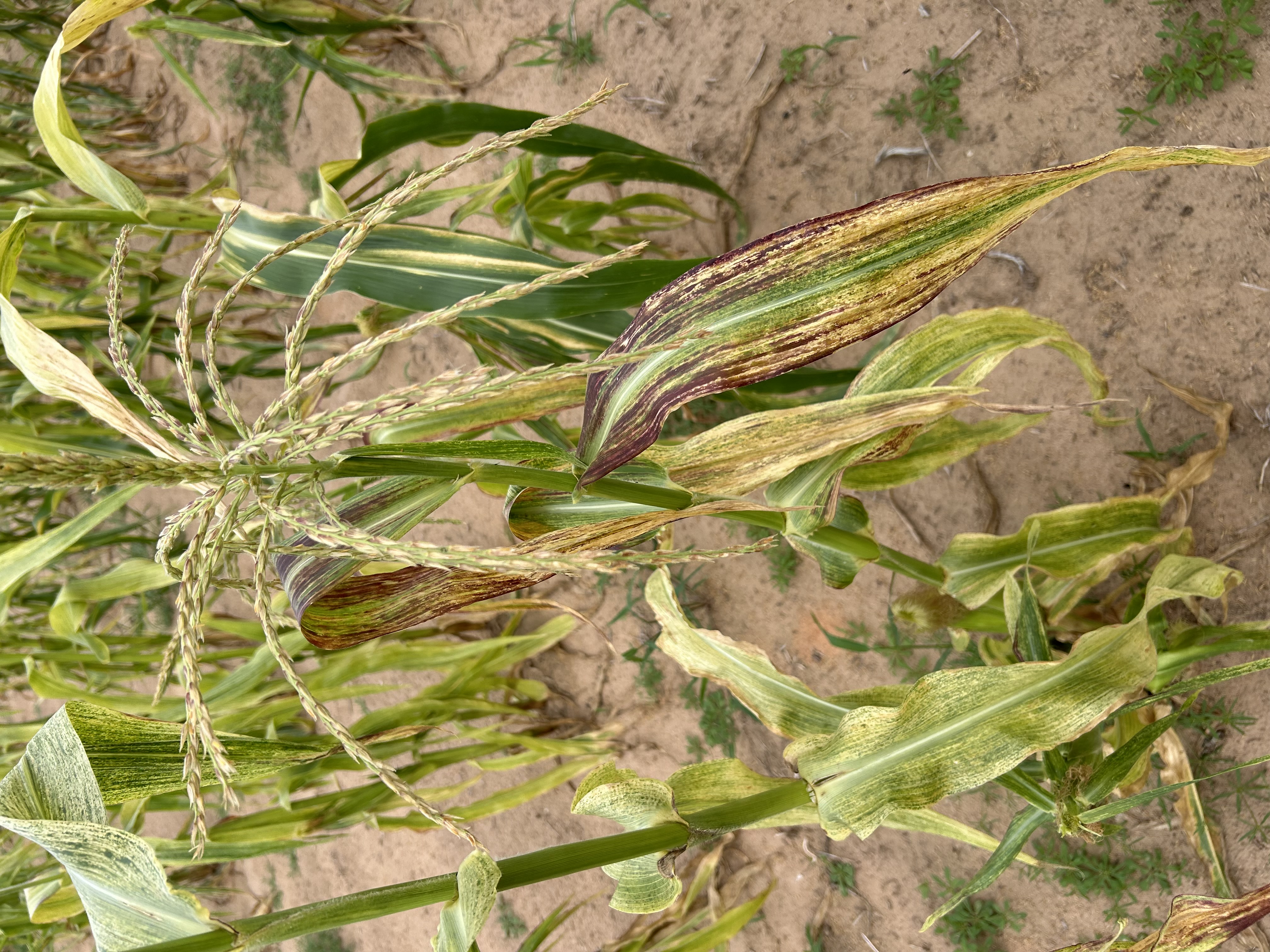 | Figure 9c. |
Disease Cycle
The pathogens that cause corn stunt are obligate parasites, meaning they cannot survive or complete their life cycle without a living host. These hosts include grain corn, sweet corn and related species of Zea L., such as teosinte. The corn stunt pathogens also survive within the corn leafhopper (Dalbulus maidis), which transmits them to healthy corn plants. To learn more about the corn leafhopper, refer to publication EPP-7108 - Integrated pest management of the corn leafhopper, the insect vector of corn stunt disease pathogen.The corn leafhopper reproduces only on corn and closely related species such as teosinte. Although the insect may feed on other grasses, such as gamagrass and johnsongrass, it cannot reproduce or complete its life cycle on these hosts.
Corn stunt pathogens can be transmitted individually or in combination through feeding activity by the corn leafhopper. The insect vector acquires the pathogens while feeding on the phloem of infected corn plants. After entering the corn leafhopper’s body, the pathogens undergo a latent/incubation period during which they multiply within the insect. The pathogens must first multiply and circulate within the insect vector before transmission can occur. Following this latent period, the pathogens reach the insect’s salivary glands and are transmitted to healthy corn plants during feeding. Although the corn leafhopper may acquire the corn stunt pathogens while feeding on an infected plant, it cannot immediately transmit them to healthy corn plants.
Once inside the healthy corn plant, the corn stunt pathogens colonize the phloem sieve elements, and the infected plant becomes a new source of inoculum for further disease spread. In general, corn stunt symptoms begin to develop approximately 3–4 weeks after the pathogens are transmitted into a corn plant. However, symptom severity and the impact on grain yield can vary considerably depending on the corn hybrid, the corn stunt pathogen transmitted, environmental conditions and the growth stage at which the plant becomes infected.
It is important to emphasize that corn stunt pathogens are not transmitted transovarially, meaning they are not transmitted from adult corn leafhoppers to their offspring. Therefore, both nymphs and adults must acquire the pathogens by feeding on infected corn plants in each generation to become capable of transmitting the pathogens that cause corn stunt disease. For more information on the life cycle of the corn stunt disease, refer to publication: An Overview of Corn Stunt.
Corn Stunt Disease Diagnosis
Diagnosis of corn stunt disease should be based on a combination of field symptoms, the presence of the insect vector and laboratory confirmation of the pathogens involved. Disease symptoms may vary depending on the corn hybrid, environmental conditions, plant growth stage at infection and the pathogen or combination of pathogens present. Therefore, an accurate diagnosis based solely on the disease’s symptoms is challenging. In addition, since several pathogens usually occur together in infected plants and produce similar disease symptoms, laboratory testing is necessary to confirm the presence of corn stunt pathogens. Common diagnostic methods include molecular assays such as DNA extraction, PCR and gene sequencing. These tests can detect and differentiate the pathogens associated with the corn stunt disease complex.
The presence of corn leafhoppers in the field, especially during early crop stages, may indicate an increased risk of corn stunt disease. However, visual symptoms alone are not sufficient to confirm the disease because several nutrient deficiencies, herbicide injuries, environmental stresses and other diseases may produce similar symptoms.
Leaf tissue collected near the base of symptomatic leaves, especially from the midrib region, is commonly used for pathogen detection. Proper sample handling and storage are important to preserve pathogen integrity prior to laboratory analysis. For more information on how to collect corn samples from fields exhibiting symptoms of corn stunt and how to submit samples for corn stunt pathogen detection, please visit the OSU Plant Disease and Insect Diagnostic Laboratory (PDIDL).
Disease Management
Management of corn stunt requires an integrated approach that combines cultural practices, host plant resistance and management of the insect vector. There are no curative treatments for plants infected with corn stunt pathogens; therefore, management efforts should focus on controlling or suppressing corn leafhopper populations across the regional landscape. Preventing insect feeding and reducing early infection of corn plants by corn stunt pathogens help reduce disease spread within and between fields.
Key Management Strategies
- Plant resistant or tolerant hybrids when available. In countries where corn stunt has been a recurring problem, such as Brazil and Argentina, corn hybrids differ considerably in their susceptibility to the disease. However, information on the response of commercially available U.S. hybrids is currently unavailable.
- Controlling of volunteer corn. Volunteer corn plants can serve as a “green bridge” that allows both the corn leafhopper and corn stunt pathogens to survive from one growing season to the next. Eliminating volunteer corn plants in the fields and, importantly, around fields helps to eliminate reservoirs for corn stunt pathogens and shelter for the insect vector during the off-season.
- Planting strategies: One of the most important cultural practices for reducing the risk of corn stunt disease is planting corn as early as possible during the growing season. Early in the season, corn leafhopper populations are typically lower, reducing the risk of disease development. As the growing season progresses, corn leafhopper populations increase, and the proportion of insects carrying corn stunt pathogens also tends to rise. As a result, late-planted corn is exposed to higher populations of corn leafhoppers infected with corn stunt pathogens and consequently faces a greater risk of developing the disease.
- Crop rotation: Crop rotation with non-grass crops such as soybean, cotton, peanut or other broadleaf crops is recommended because the corn leafhopper reproduces only on corn and related species. Although other grass crops, such as wheat and sorghum, are not suitable hosts for corn leafhopper reproduction, they may provide shelter and temporary food sources that may help the insect survive outside the corn growing season. For this reason, planting these grass crops in succession with corn is not recommended in areas known to be affected by corn stunt disease. However, it is important to emphasize that the corn leafhopper has a high capacity for long-distance movement and can migrate between regions in search of newly planted corn fields. During these migrations, the insect may also spread corn stunt pathogens. As a result, crop rotation alone may have limited effectiveness as a management strategy for corn stunt disease.
- Weed control: Eliminating grass weeds, such as gamagrass and johnsongrass, is also recommended. Although the corn leafhopper cannot reproduce on these plant species, weeds may provide shelter and temporary food sources that help the insect survive outside the corn growing season.
- Chemical control: Corn stunt disease has been indirectly suppressed using the application of insecticides targeting control of the insect vector. For more information on the management of the corn leafhopper, refer to publication EPP-7108 - Integrated pest management of the corn leafhopper, the insect vector of corn stunt disease pathogens. Currently, no products are available for the management of pathogens that cause corn stunt. It is unlikely that a product targeting the pathogens within corn plants will become available in the future. The importance of utilizing an integrated approach towards corn stunt disease is critical for reducing yield losses to the disease.
References
Pozebon, H., Stürmer, G. R., and Arnemann, J. A. 2022. Corn stunt pathosystem and its leafhopper vector in Brazil. J. Econ. En-tomol. 115:1817-1833.