

Understanding ThryvOn Cotton Technology
Introduction
Cotton production in Oklahoma faces many challenges, including drought, extreme heat, weeds, disease and insects. ThryvOn cotton provides a new management tool for some of those insect pests. This Bt technology provides protection against certain early-season insects, such as thrips (Figure 1) and tarnished plant bug species (also called lygus bugs) (Figure 2). This new technology is stacked with the Bollgard 3 technology that provides protection from cotton bollworm (Helicoverpa zea), tobacco budworm (Heliothis virescens) and other worm pests. There is also some laboratory-based evidence that ThryvOn may provide limited protection from cotton fleahoppers (Pseudatomoscelis seriatus) (Figure 3).
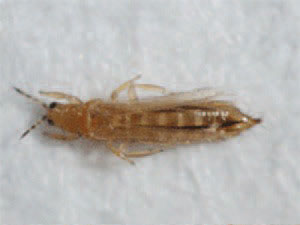 Figure 1a. Western flower thrips adult. Photo Credit: Texas A&M AgriLife Extension
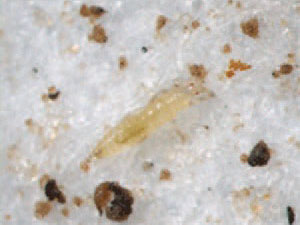 Figure 1b. Western flower thrips larva. Photo Credit: Texas A&M AgriLife Extension
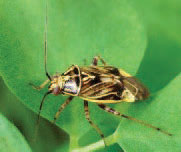 Figure 2. Adult tarnished plant bug. Photo Credit: Oklahoma State University Extension
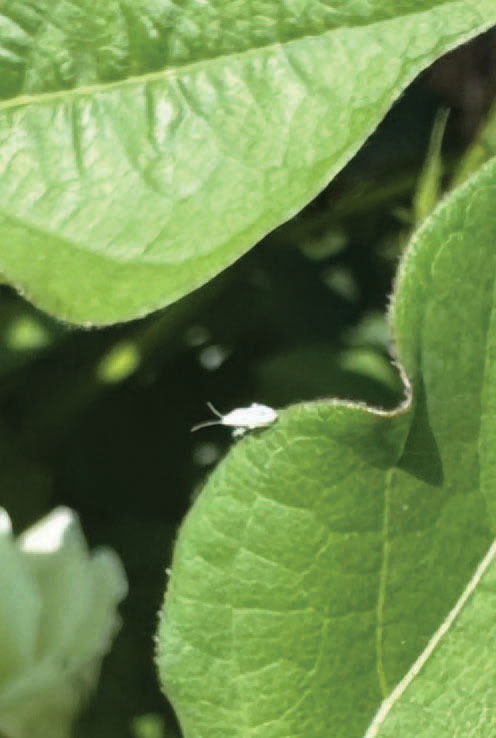 Figure 3. Adult cotton fleahopper. Photo Credit: Maxwell Smith, Oklahoma State University Extension
How it Works
ThryvOn cotton is a biotechnology trait unlike other Bt traits in cotton. This Bt trait does not protect against bollworms or other worm pests, but it provides protection against specific thrips and plant bug species. It also does not behave in the same manner as other Bt traits. The ThryvOn trait causes preferential feeding instead of insect death. This means pests will still be present in the crop but should not feed or oviposit (lay eggs), and will most likely be present in lower numbers than in non-traited cotton. United States cotton belt studies have shown high levels of control for the most common thrips species in Oklahoma cotton, western flower thrips (Frankliniella occidentalis) (Figure 1) and tobacco thrips (Frankliniella fusca) (Figure 2). Activity against plant bug feeding is documented, but when infestation levels are high, additional treatments may be necessary. There is also laboratory data to support the ThryvOn trait having activity on cotton fleahoppers (Figure 3), but this data has not been con-firmed in field settings.
Scouting
While this technology provides protection against early-season pests, detection remains important. Scouting for insects in ThryvOn cotton can be challenging. Growers who plant ThryvOn cotton should keep in mind that early-season thrips and tarnished plant bugs will likely be present in the crop, but may not be causing damage due to deterred feeding.
When scouting for thrips or plant bugs, be sure to assess the damage to the crop and the number of pests present. Thrips cause damage by attacking leaves, leaf buds and small squares. Thrips damage appears as silvering of lower leaves and curling distortion of young leaves (Figure 4). Tarnished plant bugs damage cotton by feeding directly on small squares, causing them to abort (Figure 5). When blooming begins, plant bugs can continue to feed not only on the smaller squares, but also on larger squares and even small bolls. Tarnished plant bugs feeding on large squares just prior to opening cause dirty blooms. If damage is not occurring, insecticide treatment application may not be necessary. Action thresholds for insect pests in ThryvOn cotton are currently under evaluation to determine whether thresholds developed for non-ThryvOn™ cotton cultivars are applicable to the same pests in ThryvOn cotton.
Thrips and other early-season pests can cause significant injury to cotton if left unmanaged. Historically, seed treatments and foliar insecticides have been used to manage these pests. Timely applications of these insecticides are crucial for controlling these pests, but weather and other factors can delay them while damage is occurring. ThryvOn technology offers a new trait that provides protection against thrips and other early-season pests. As a result, reliance on seed treatments and foliar insecticides may be reduced. ThryvOn cotton has been shown to have lower populations of early-season pests and less feeding injury than non-traited cotton varieties. ThryvOn has the potential to be a good integrated pest management (IPM) tool for cotton growers in Oklahoma and beyond.
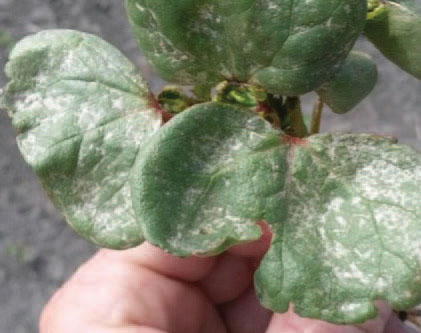 Figure 4a. Photo credit: North Carolina State University Extension.
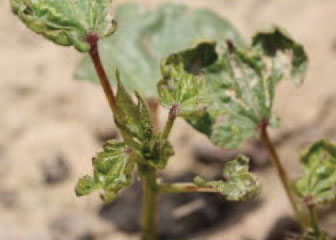 Figure 4b. Thrips damage to early growth stages of cotton results in silvering or lower leaves and distorted cupping of young leaves. Photo credit: North Carolina State University Extension.
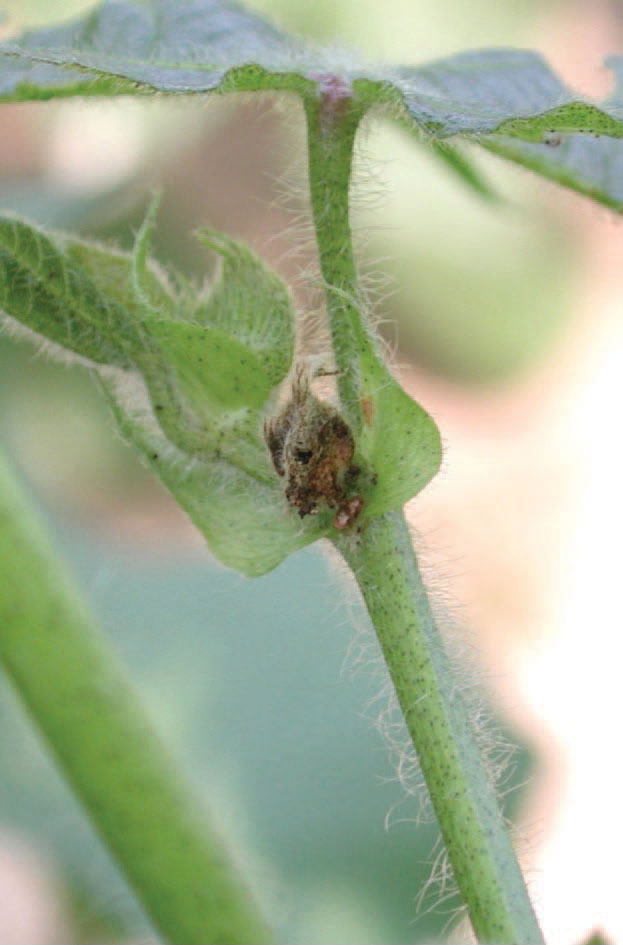 Figure 5. Aborted cotton square due to tarnished plant bug feeding. Photo credit: North Carolina State University Extension.
Thrips and other early-season pests can cause significant injury to cotton if left unmanaged. Historically, seed treatments and foliar insecticides have been used to manage these pests. Timely applications of these insecticides are crucial for controlling these pests, but weather and other factors can delay them while damage is occurring. ThryvOn technology offers a new trait that provides protection against thrips and other early-season pests. As a result, reliance on seed treatments and foliar insecticides may be reduced. ThryvOn cotton has been shown to have lower populations of early-season pests and less feeding injury than non-traited cotton varieties. ThryvOn has the potential to be a good integrated pest management (IPM) tool for cotton growers in Oklahoma and beyond.