

Integrated Pest Management of The Corn Leafhopper, The Insect Vector of Corn Stunt Disease Pathogens
The corn leafhopper, Dalbulus maidis (Hemiptera: Ciccadellidae), is an economic pest of corn that can cause damage through direct injury by feeding and transmitting multiple pathogens associated with corn stunt disease. The insect originated in Mexico but has spread throughout Latin America and into parts of the southern United States, where some areas experience sporadic outbreaks. The corn leafhopper and corn stunt disease were documented across several states in the Great Plains, Midwest and parts of the northeast United States, reaching the corn belt in 2024 and 2025, with yield losses documented in Oklahoma in both years.
Insect Description
Adult corn leafhoppers are torpedo-shaped and up to ⅛ inch long. They are light tan to yellow in color, but light and dark morphs have been observed. Corn leafhoppers have two black dots surrounded by light halos located on the top of their head, between their eyes (Figure 1). They have no other markings on their face or body. Corn leafhopper nymphs are wingless, green or yellow in
color and can lack the dark spots between their eyes (Figure 2). Adults move quickly in a darting flight from plant to plant. They can be found in the whorls of vegetative corn (Figure 3) as well as on the undersides of leaves of corn in the reproductive stages. Nymphs also reside in whorls, and in reproductive stages, they are likely to be found on the undersides of lower leaves (Figure 4).
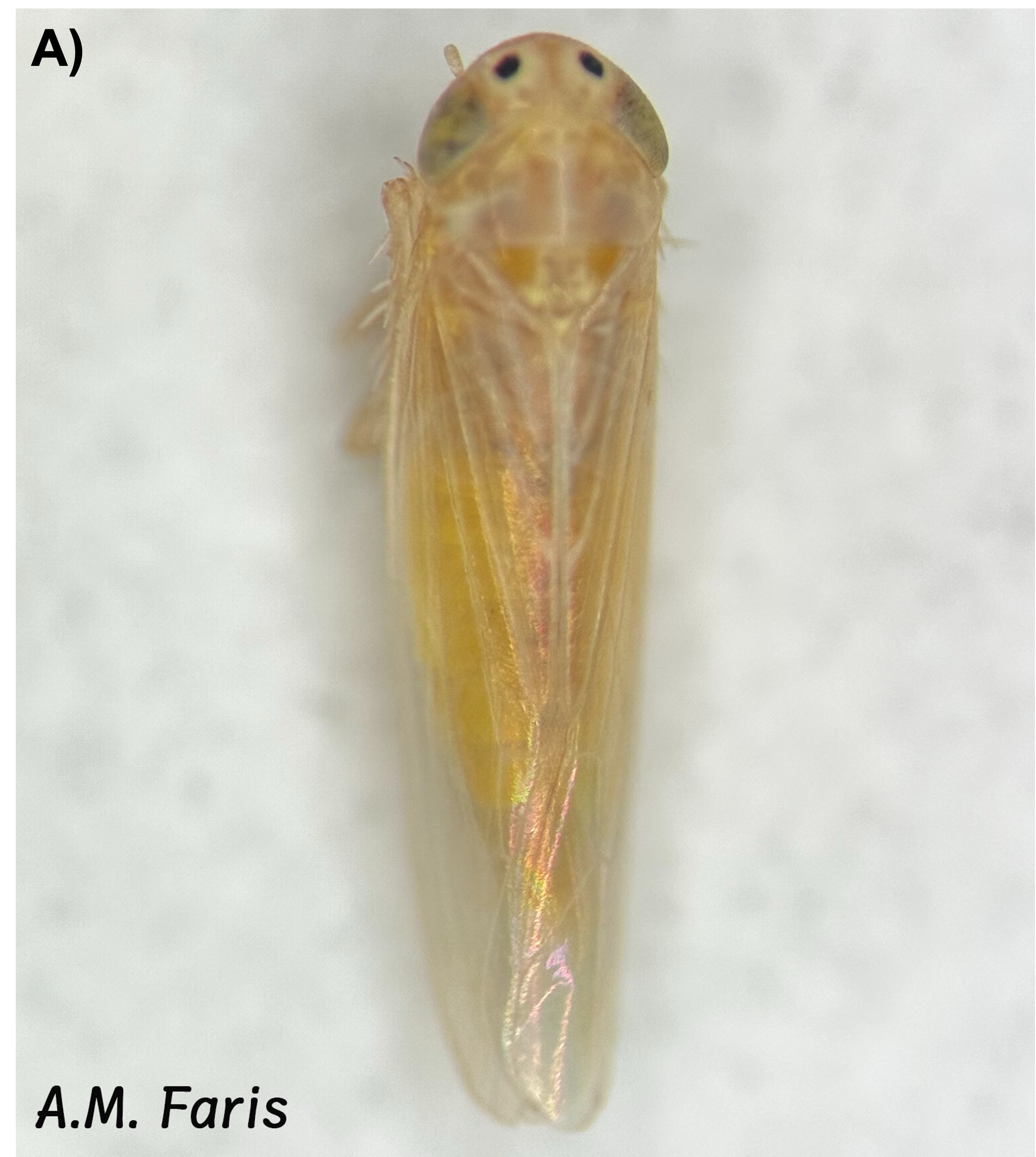 Figure 1a. The corn leafhopper adult. Note the two black dots surrounded by light colored halos between the eyes. In addition to these dots, corn leafhoppers will have no other markings on their body or their face; it is this combination that distinguishes them from other leafhoppers. Photo credit to: Ashleigh M. Faris
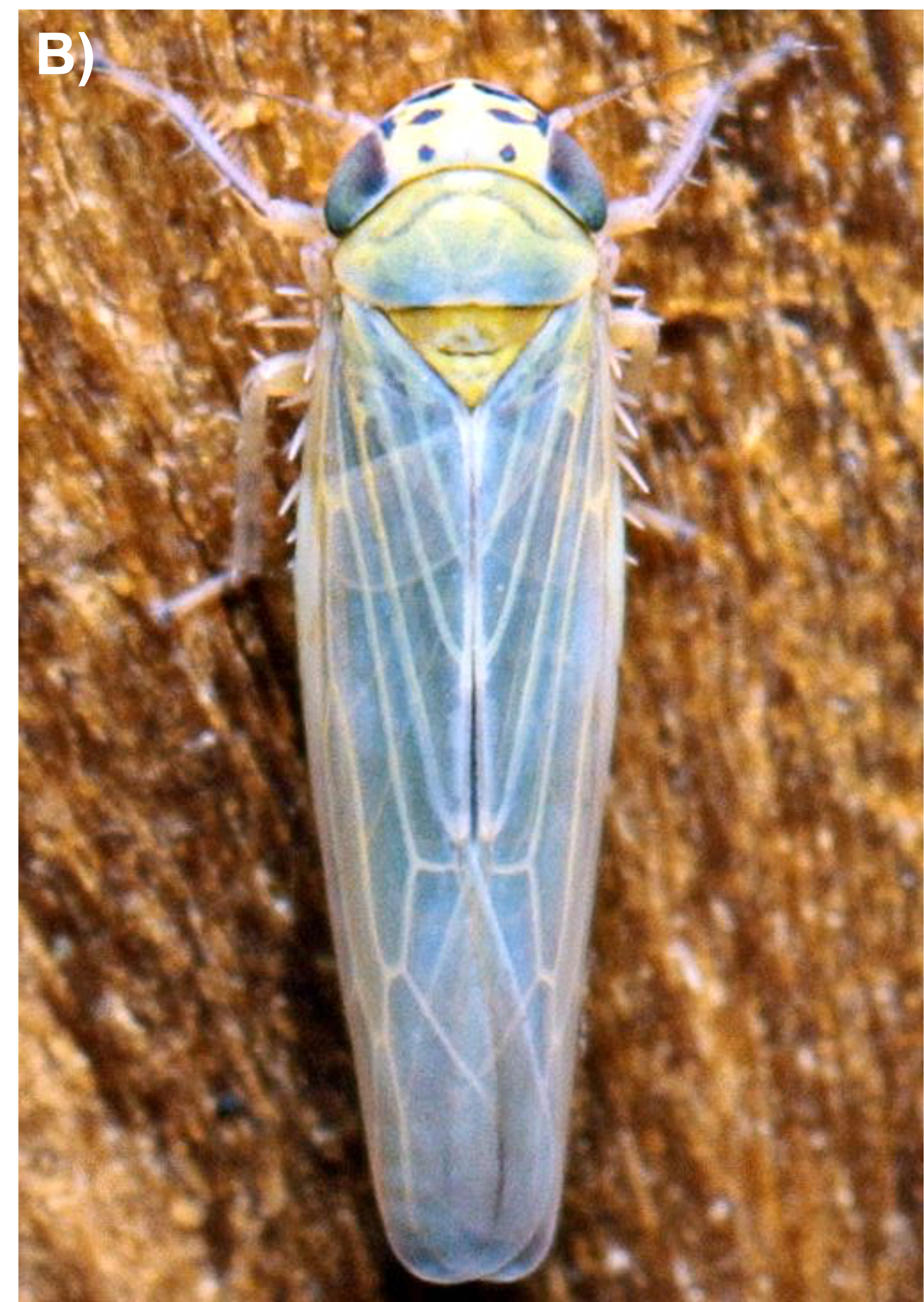 Figure 1b. Commonly occurring leafhopper species that may be confused for the corn leafhopper but are not an economic threat to corn. Aster leafhopper adult. Note that in addition to two black dots between the eyes, there are additional markings on the face of the aster leafhopper, Macrosteles quadrilineatus, which the corn leafhopper lacks. Photo credit to: Ken Childs
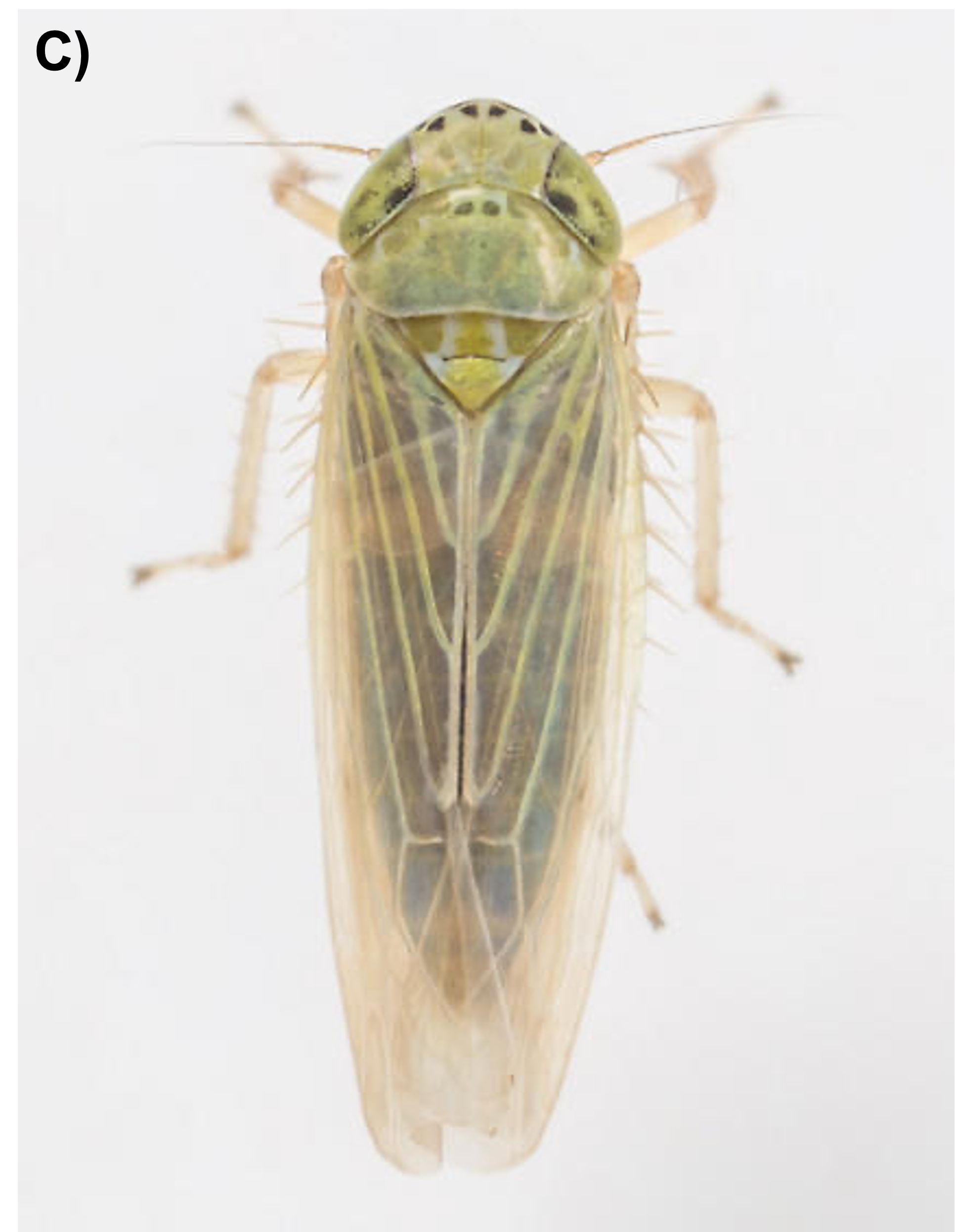 Figure 1c. Commonly occurring leafhopper species that may be confused for the corn leafhopper but are not an economic threat to corn. Black-faced leafhopper adult. Note that the black-faced leafhopper, Graminella nigrifrons, lacks the two dots between the eyes and has small markings at the apex of the face when viewed from above. Photo credit to: John Rosenfeld.
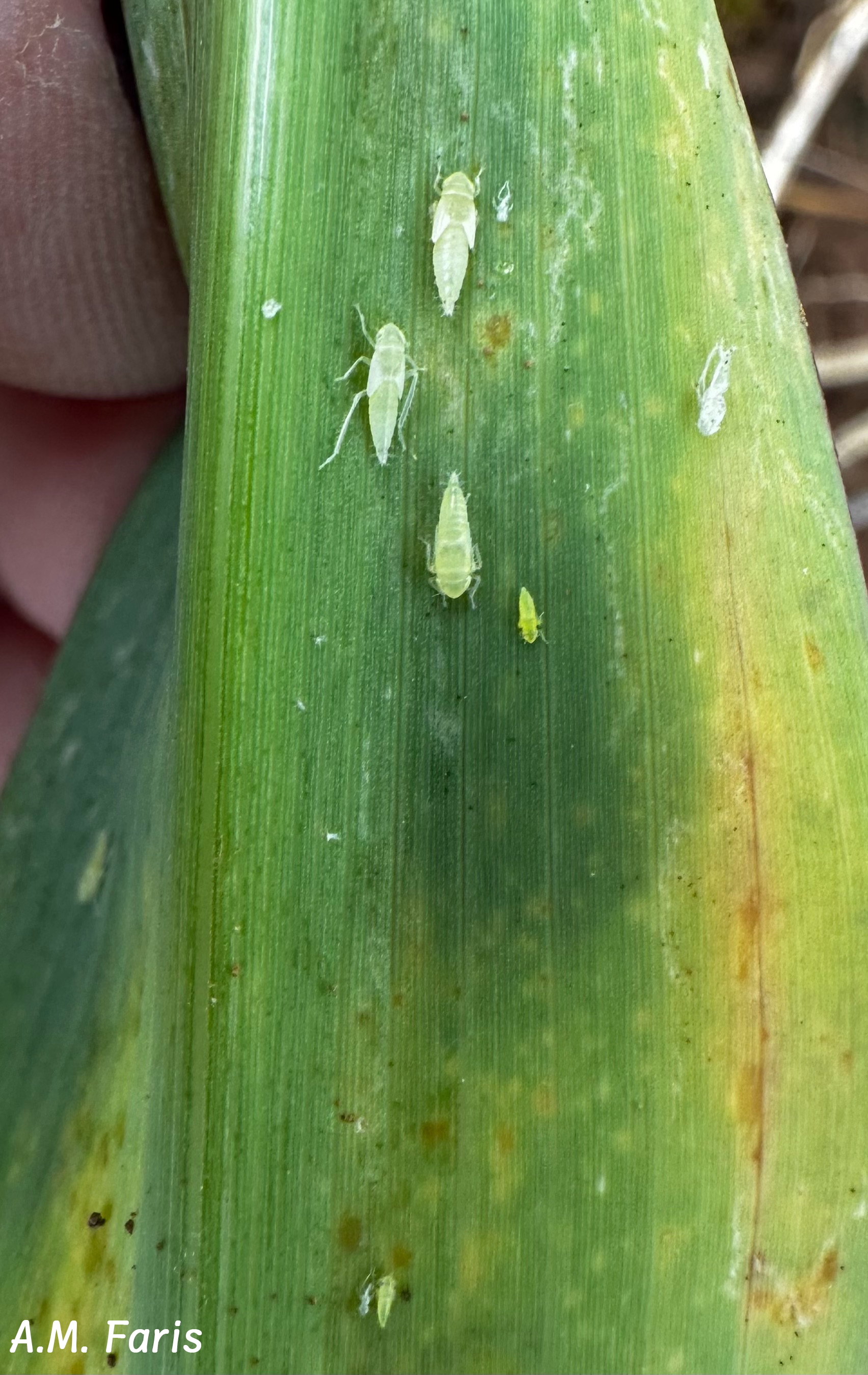 Figure 2. Corn leafhopper nymphs and exuviae (cast skins) of corn leafhoppers as they molt from one stage to the next. Photo credit to: Ashleigh M. Faris.
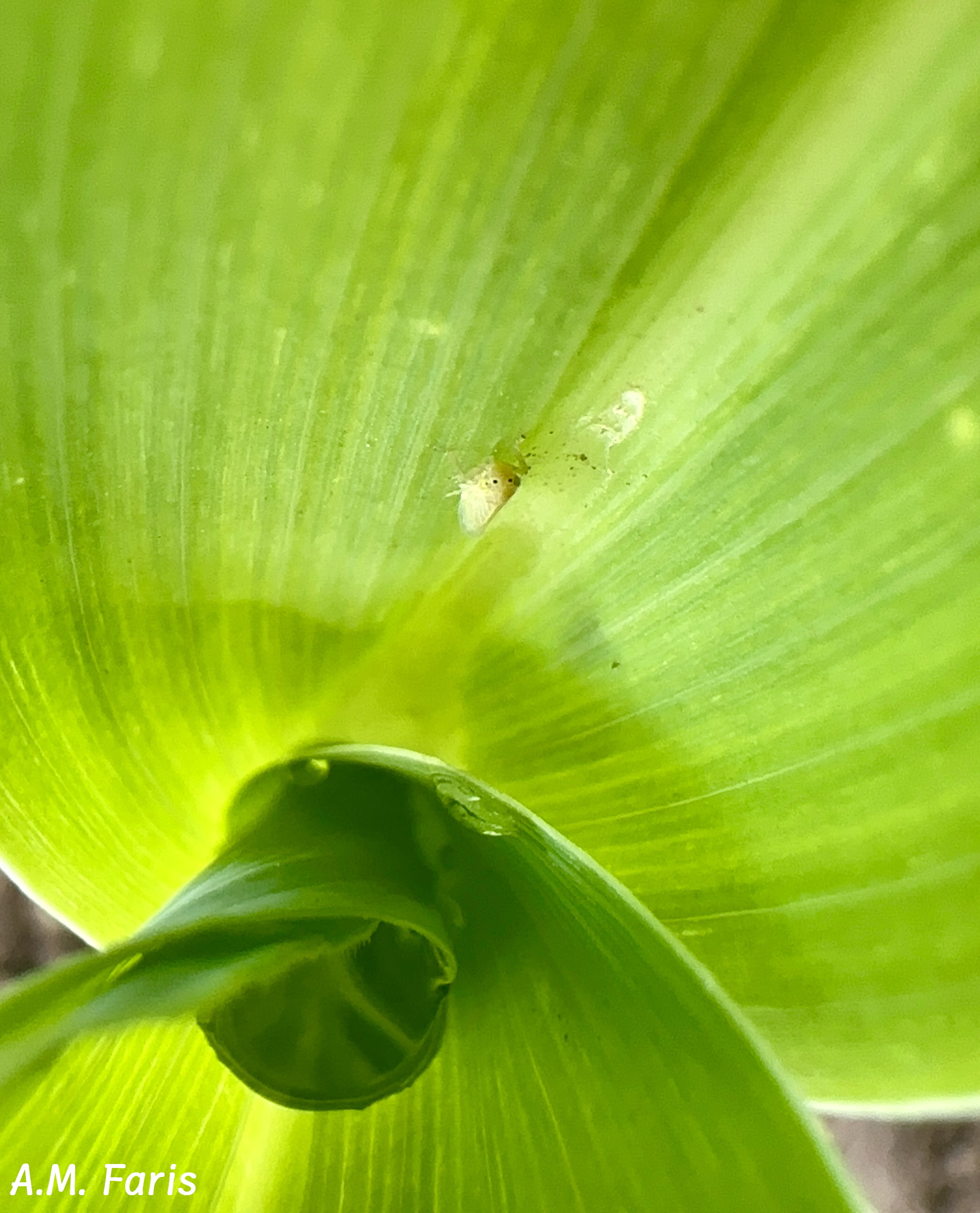
Figure 3. Corn leafhopper adult in the whorl of the vegetative stage of corn. Photo credit to: Ashleigh M. Faris.
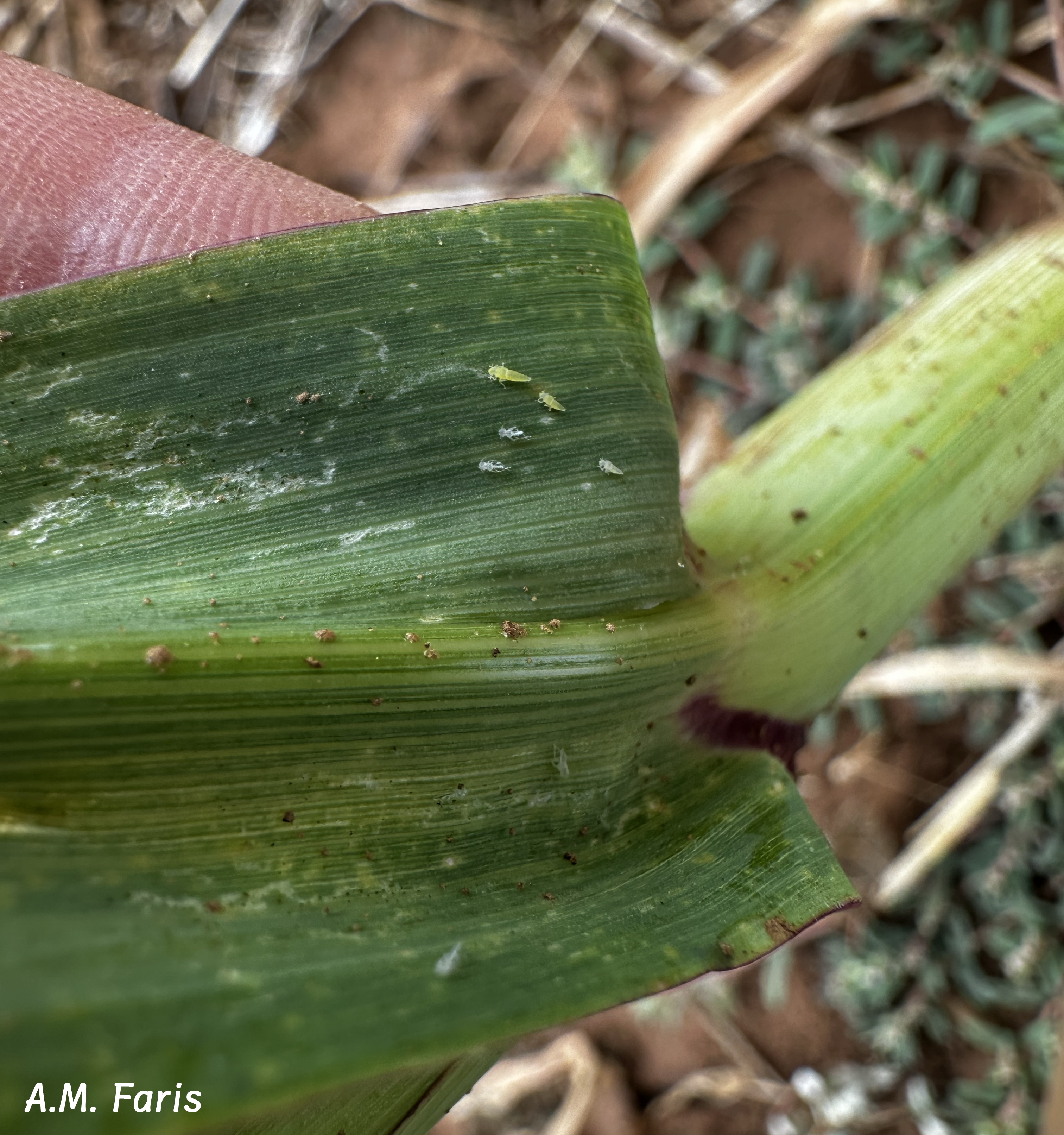
Figure 4. Corn leafhopper nymphs and exuviae (cast skins from molting) on the underside of a lower corn leaf. Photo credit to: Ashleigh M. Faris.
Life History of the Corn Leafhopper
Corn leafhoppers reproduce and complete their life cycle only on corn plants and closely related hosts, such as teosinte. Females will lay eggs in the leaf tissue of corn plants when the temperature ranges from 59 F to 104 F. Adult females can lay an average of 15 eggs per day and can produce between 130–611 eggs in their lifetime. Wingless nymphs will emerge from eggs after 8–11 days and then progress through five nymphal instars over 13 17 days before becoming winged adults. Total time from egg to adult ranges between 21–28 days depending on temperature, with development occurring more rapidly at warmer temperatures. Adult longevity ranges from 18–85 days with up to 15 weeks being reported in literature. The critical thermal minimum for corn leafhopper is 23 F for > 8 hours. The corn leafhopper can reproduce and have multiple generations in a year in Oklahoma.
Corn leafhoppers do not truly overwinter, as they require a living host year-round. They have been found in incidental hosts such as gamagrass and Johnsongrass, as well as alfalfa, winter wheat, sorghum, triticale and annual winter weeds. However, there is no evidence of corn leafhopper transmitting the corn stunt pathogens to plants other than corn and its closely related relatives such as teosintes. Corn leafhoppers migrate north from Mexico and south Texas during the corn growing season. Local dispersal of 12 miles and migration of up to 60 miles have been documented. In 2024 and 2025, the corn leafhopper was first documented in Oklahoma in mid to late June.
Damage to Corn and Corn Stunt Disease Symptomology
Corn leafhoppers are piercing-sucking insects that feed on plant phloem. Feeding and egg laying can cause damage to plants, as well as the secretion of honeydew which leads to black sooty mold that interferes with photosynthesis (Figure 5). Corn leafhoppers transmit pathogens that cause corn stunt disease, which is more damaging than the direct feeding injury caused by the insect. To date, corn leafhoppers are known to transmit four pathogens: two bacterial and two viral. The bacterial pathogens are corn stunt spiroplasma (Spiroplasma kunkelii; CSS) and the maize bushy stunt phytoplasma (‘Candidatus Phytoplasma asteris’ subgroup 16SrI-B; MBSP). The viral pathogens are the maize rayado fino virus (MRFV) and the maize striate mosaic virus (MSMV). These pathogens make up the corn stunt disease complex. The CSS, MBSP and MRFV have been detected in the United States, with CSS being the most common pathogen detected associated with corn stunt disease. These pathogens can be present singly or in combination in the infected corn plants.
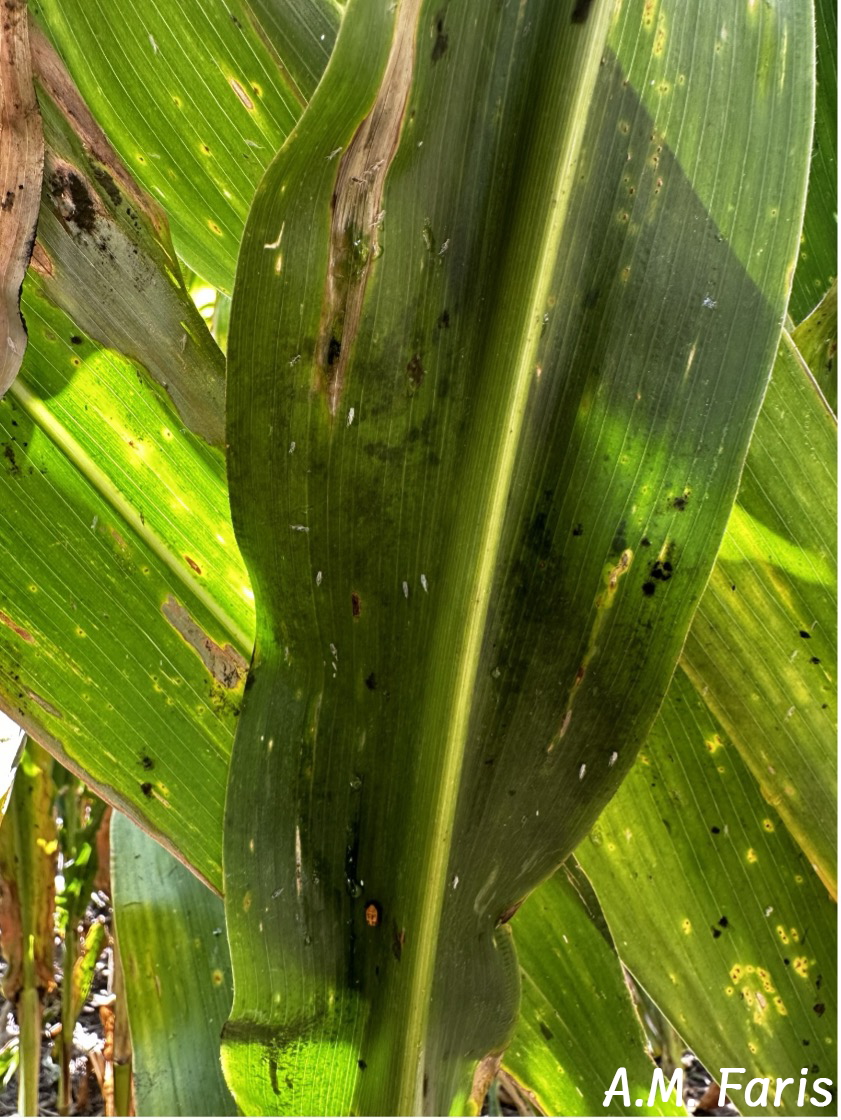 Figure 5. Black sooty mold and exuviae (cast skins) of corn leafhopper nymphs. Photo credit to: Ashleigh M. Faris.
The corn leafhopper must feed on an infected corn plant to acquire the pathogen. The pathogen then replicates in the corn leafhopper’s gut before the insect can transmit it to the corn plant. Depending on the pathogen transmitted by the corn leafhopper, corn stunt disease symptoms can take anywhere between 1–4 weeks to appear following the infected corn leafhopper feeding on a corn plant (Figures 6 and 7). However, corn plants can be infected with corn stunt pathogens and remain asymptomatic
for a longer period. Symptomatic plants are typically first evident along the field borders. The growth stage of the corn at the time of infection affects symptomology and yield loss potential. Pathogen transmission during VE to R1/R2 is the most critical period, resulting in economic crop damage.
Examples of corn stunt disease symptomology in corn plants.
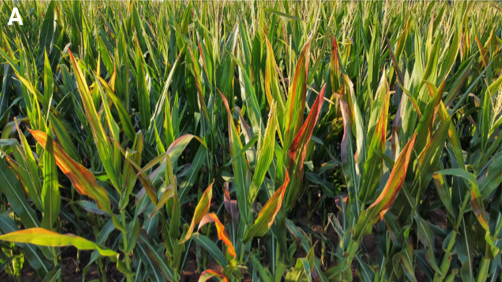
Figure 6a. Corn field showing 100% incidence of corn
stunt symptoms, with reddening of the leaf tips.
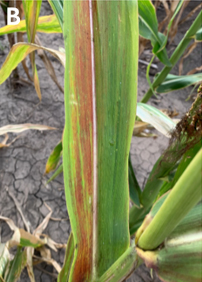 Figure 6b. Reddening streaks on a corn leaf in an infected corn hybrid.
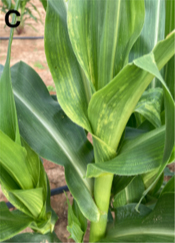
Figure 6c. Initial symptoms of chlorosis streaks at the base of the corn leaf in a sweet corn hybrid.
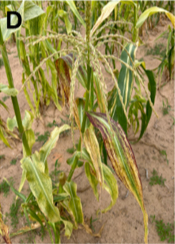 Figure 6d. Symptoms of chlorosis streak and reddening in the corn leaves on a sweet corn hybrid.
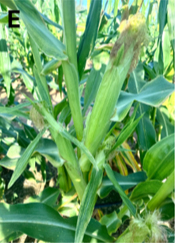 Figure 6e. Corn plant with over-production of ears.
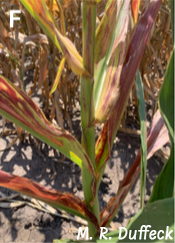
Figure 6f. Severely stunted corn plant due to the shortening of internodes and reddening of the leaves. Photo credit to: Maira Duffeck.
Comparison of corn stunt-infected corn to healthy corn.
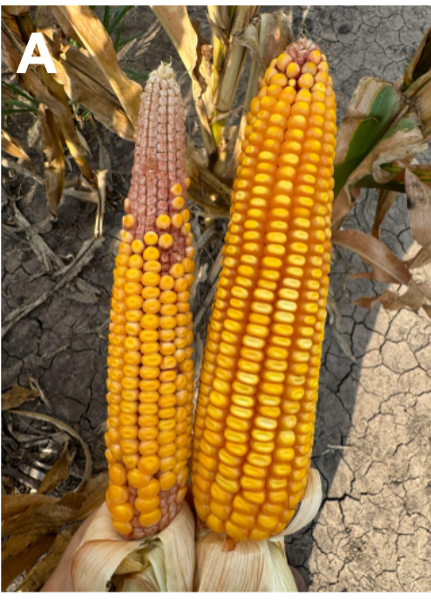 Figure 7a. Missing or light kernels on the infected ear (left) versus the healthy ear (right).
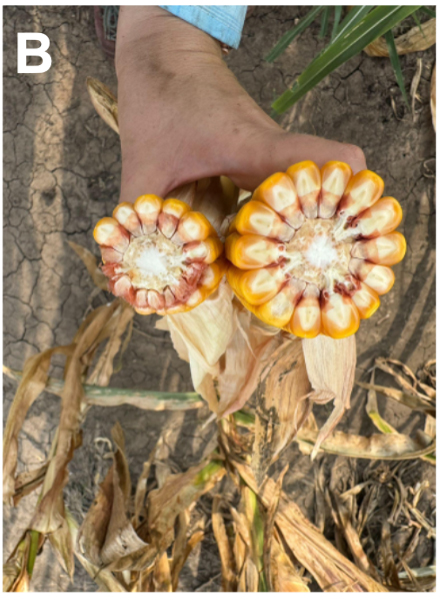 Figure 7b. Comparison of ear diameter for a corn stunt infected ear (left) and healthy ear (right).
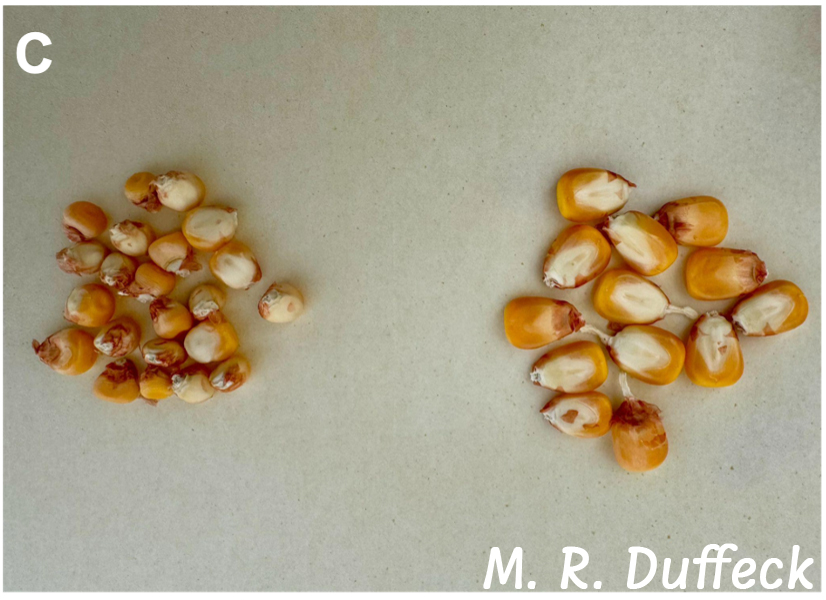 Figure 7c. Comparison of kernel size for kernels from an infected ear (left) and a healthy ear (right). Photo credit to: Maira Duffeck.
Scouting for Corn Leafhopper
Frequent scouting with a combination of tools is suggested for monitoring for the corn leafhopper: vacuum sampling, sweep nets and yellow sticky traps. Each tool has both benefits and limitations. Corn leafhoppers tend to aggregate and are most numerous along field margins. In addition to the insect, other signs of corn leafhopper presence are their honeydew secretions, black sooty mold that develops from the honeydew and the white/translucent cast skins (exuviae) from corn leafhopper molting from one stage into the next (Figure 5). The presence of nymphs indicates that the corn leafhoppers are reproducing in the field. For Oklahoma, scouting should begin as reports of the corn leafhopper move northward through Texas. At the time of this publication, Texas A&M AgriLife Extension releases reports through their Extension communication channels. Continue scouting until plants reach the R1/R2 growth stage to minimize the risk of corn stunt disease.
For initial detections when populations are low as corn leafhoppers migrate into the field, vacuum sampling is advised. In pre-reproductive (vegetative stage) corn, corn leafhopper can be vacuumed out of whorls using a handheld, cordless car vacuum with a clear canister or with a leaf vacuum that has been modified by attaching stockings to the end of the vacuum tube to collect insects sampled. Divide the field into four quadrants and sample numerous plants in each quadrant starting at the field edges, then check the collection container or stocking for corn leafhopper. When corn is too tall to vacuum or progresses to the reproductive stages, change to a sweep net for scouting.
Sweep nets can be used in vegetative and reproductive corn. In vegetative corn, sweep the net side to side as you walk down a row, making a figure eight motion with the net in front of you and swinging over the corn plants on either side of you. Flip the net over on itself to close the net and then open the net slowly when you are ready to visually inspect for corn leafhoppers. At reproductive stages, sweep the net up and down the side of the corn plant.
Yellow sticky traps are a form of passive monitoring that may capture corn leafhoppers migrating into a field. Yellow, non-bait sticky traps can be placed at the edge of a corn field, adjusted to the height of the canopy. Traps should be checked frequently. However, as with most trap devices, trap catches are not indicative of population size. It is also possible that the yellow sticky trap will not capture the first corn leafhoppers that enter the field. This is why a combination of scouting methods is recommended for accurate detection. The accuracy of detection will increase with the frequency and number of plants sampled within a field.
Corn Leafhopper Management
Currently, there is no established economic threshold for the corn leafhopper, and the risk for the corn stunt disease can vary from year to year depending on vector population dynamics, pathogen prevalence, and environmental conditions. Prior to the 2024 outbreak, corn leafhoppers were last detected in 2016 in the Lower Rio Grande Valley of Texas, but corn stunt disease was not confirmed. The corn leafhopper and corn stunt disease have been detected off and on in the U.S. since 1945. There is still much to be learned about the corn leafhopper, corn stunt disease, and the dynamics of this pathosystem in United States corn production systems.
Action Threshold
Risk for corn stunt disease is highly dependent on the abundance of the corn leafhopper population and the presence or absence of corn stunt pathogens in corn plants; risk can increase or decrease accordingly (Figure 8). More research is needed to identify the specific environmental conditions and other factors that drive year-to-year fluctuations in vector populations and pathogen load intensity. The only way to confirm if a corn leafhopper is infected with corn stunt pathogens is through molecular testing. In terms of risk, low risk years can occur when corn leafhopper populations and corn stunt pathogen load in corn plants are low (Figure 8). In years when the risk of corn stunt disease is low, no action may be needed to manage corn leafhoppers (Figure 8). Moderate risk years will occur when corn leafhopper populations increase but pathogen load is low in corn plants (Figure 8). A moderate-to-high risk year can occur when corn leafhopper populations are low but pathogen load is high on infected corn plants (Figure 8). A high-risk year can occur when both the corn leafhopper population and pathogen load are high (Figure 8).
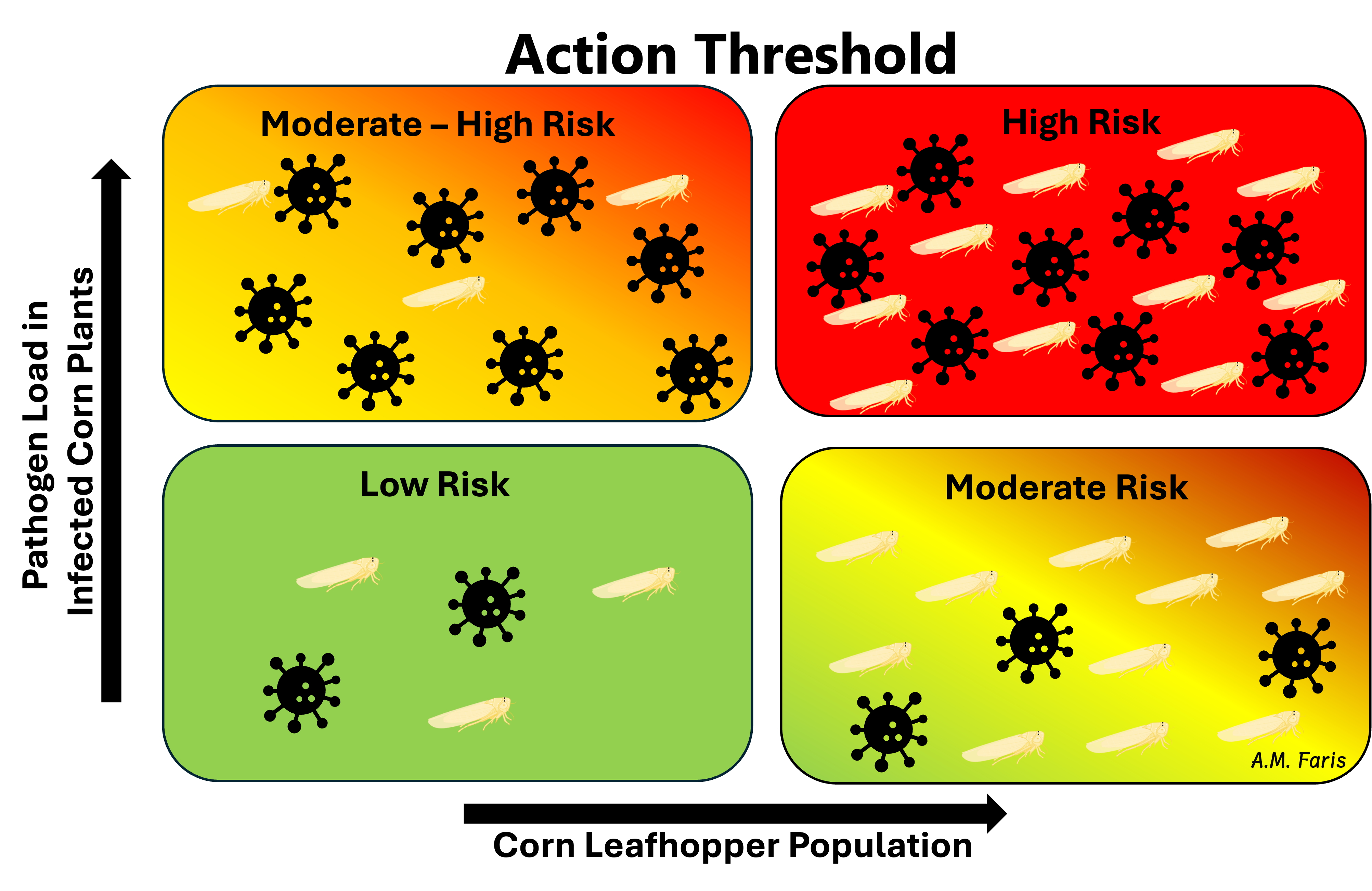 Figure 8. Risk for corn stunt disease based on corn leafhopper (CLH) population and corn stunt pathogen load in infected corn plants; risk can range from low to high. More research is needed to understand the drivers of vector and pathogen dynamics. Because corn leafhopper abundance and pathogen load dynamics fluctuate year to year, a different level of risk for corn stunt disease can exist each year. Figure credit to: Ashleigh M. Faris and BioRender.
These dynamics can fluctuate annually, and corn growers should monitor reports of corn leafhoppers and corn stunt disease moving northward from Mexico and Texas during the growing season. The Oklahoma State University IPM team will send out updates on the corn leafhopper approaching Oklahoma through OSU Entomology and Plant Pathology Pest e-Alerts. Corn leafhopper movement can also be tracked through the Crop Protection Network’s Corn Leafhopper Distribution Map.
Cultural Control
Guidance from countries where corn leafhopper is endemic suggests that growers protect their corn crop from corn leafhopper through the V8 stage. However, more research is needed to determine if the corn stunt pathogens can cause yield loss if they are transmitted to corn at or after V8. U.S. growers are encouraged to protect their corn to the early reproductive stages (R1/R2). Currently, there are no corn stunt disease-resistant hybrids available on the U.S. market. Industry partners are working to identify tolerant hybrids, but more work is needed to identify hybrids that are less susceptible to corn stunt disease.
In areas where volunteer corn is present, growers should remove it as this vegetation serves as a reproductive resource for the insect and a potential reservoir for corn stunt pathogens. When possible, growers are encouraged to plant corn early to reduce the likelihood of planting when corn leafhoppers are present. For Oklahoma and north of the state, freezing winter temperatures should eliminate this green bridge.
Natural Control
Some species of parasitoids (parasitic wasps) known to attack leafhopper eggs and nymphs have been documented in Oklahoma. There have also been observations of predators such as spiders and lady beetle larvae feeding on corn leafhopper nymphs in the field. However, the contribution these beneficial insects make to natural control is not well understood.
Chemical Control
For those planting corn when corn leafhoppers are present or will be present shortly thereafter (a scenario possible for Oklahoma double-crop or late-planted corn), an insecticide seed treatment containing Cruiser 500 or 1250, or Poncho 500 or 1250, is recommended to reduce the risk of corn stunt disease during early vegetative growth stages. Trials conducted by Texas A&M AgriLife Research and Extension indicate that 500 and 1250 rates of the insecticide seed treatments suppress corn leafhopper adults through V5 and suppress nymphs (or egg laying) at least until V10. The higher 1250 rates of insecticide seed treatment outperformed the lower 500 rates.
Insecticide trials performed by the OSU Extension Cropping Systems Entomology team suggest that foliar applications of indoxacarb at 8–10 fl. oz./A rate and flupyradifurone at 7 fl. oz./A rate can provide up to 14 days of suppression for corn leafhopper nymphs. Thiamethoxam + lambda-cyhalothrin at 10 fl. oz./A rate provided similar nymph suppression for 14 days. If applying a foliar insecticide prior to tassel, applicators should not use a non-ionic surfactant (NIS) as an adjuvant. An NIS applied pre-tassel, particularly mid to late vegetative stages (V6-VT) can result in arrested ear development, which causes baby or stunted ears/ cobs with reduced or absent kernels, underdeveloped husks, poor or absent silk emergence and reddish/purple leaves (Figure 9). These symptoms can resemble corn stunt disease; however, confirmation of corn stunt disease pathogens can only be done through molecular testing.
Examples of damage to corn when a non-ionic (NIS) surfactant has been applied during the V6-VT growth stages.
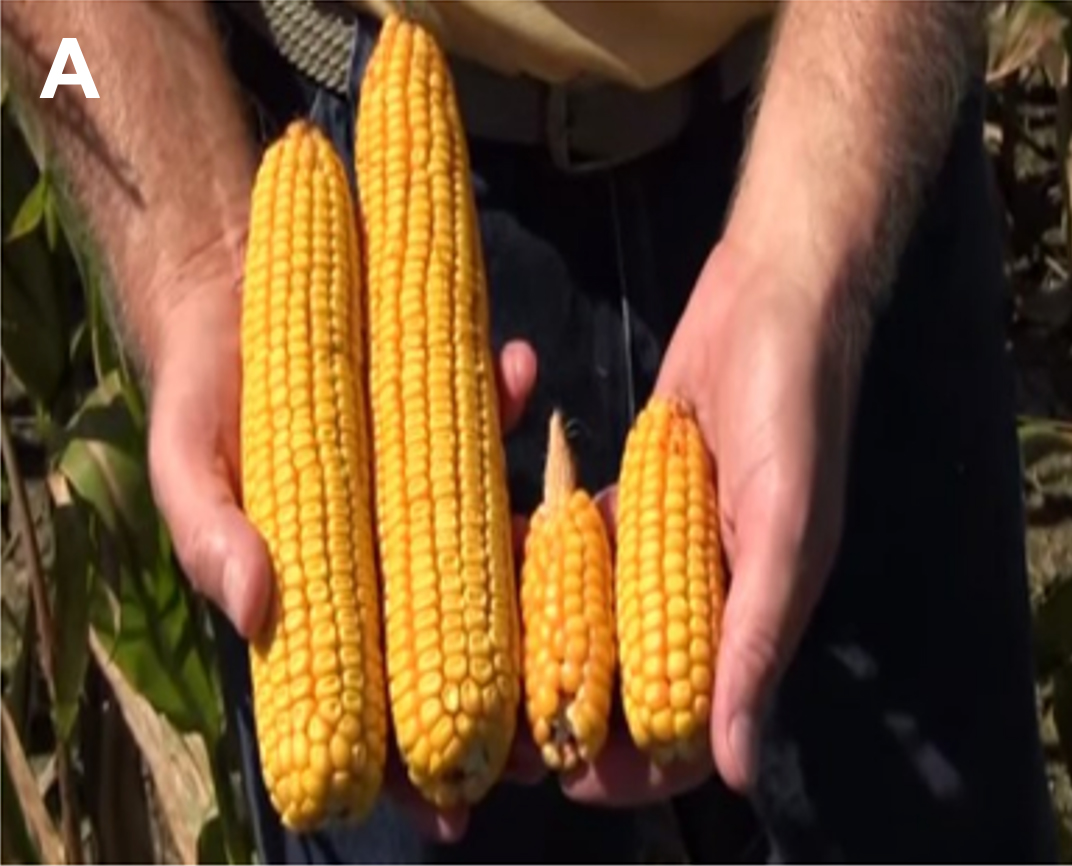
Figure 9a. Comparison of normal ears (left) to ears with arrested ear development.
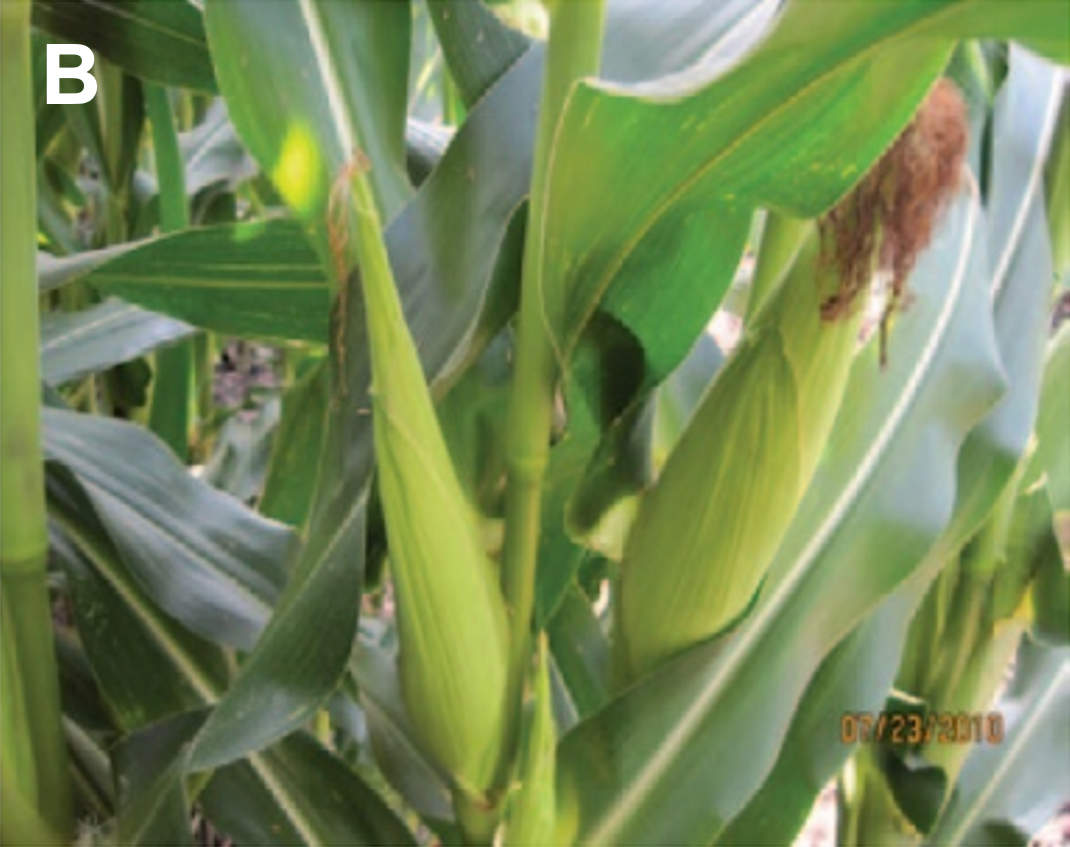
Figure 9b. Husk and silk symptoms of arrested ear development (left ear) compared to normal ear development (right).
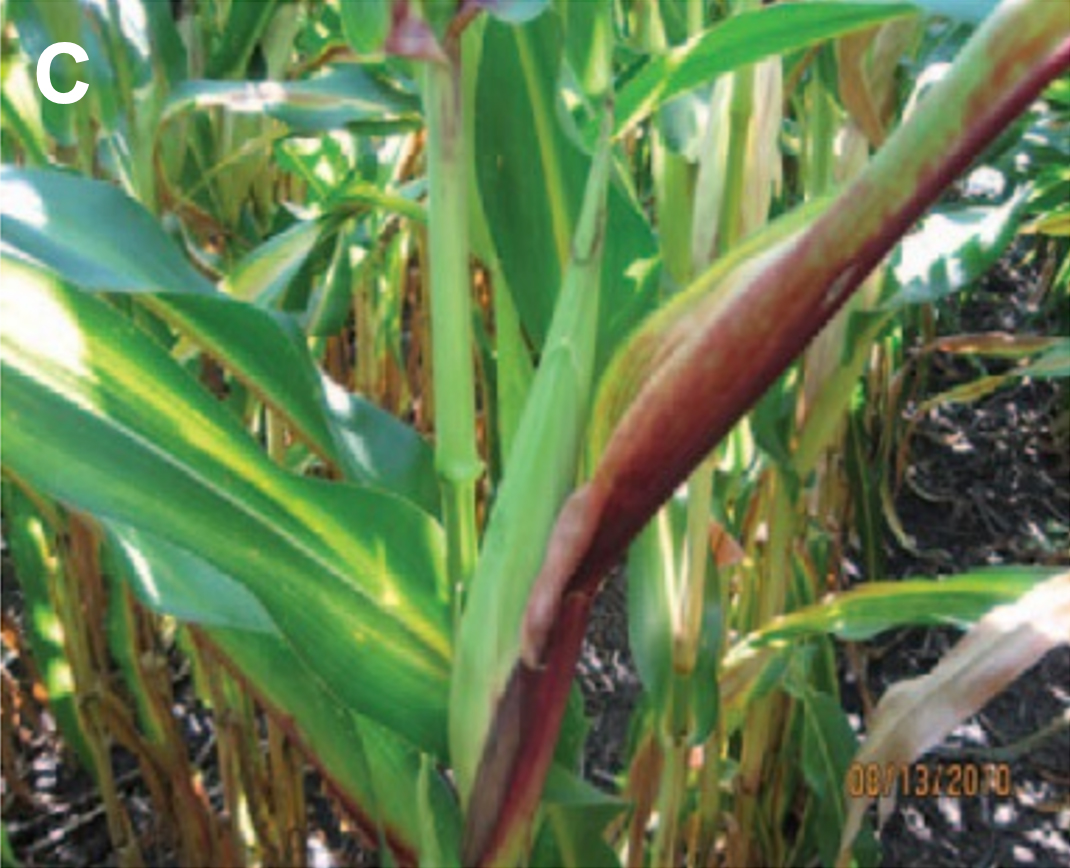
Figure 9c. Purple discoloration in a plant severely affected by arrested ear development. Photo credits to: Cristina Castellano, Kiersten Wise, and Nolan Anderson, University of Kentucky Research and Education Center.
Depending on the corn growth stage at the time of corn leafhopper arrival, multiple insecticide applications may be required to reduce corn stunt disease infection risk. If the corn leafhopper population is not high at the time of initial migration, an edge spray may be an effective option for suppressing corn leafhoppers. When selecting an insecticide, choose one that is not broad-spectrum and that is soft on beneficials to preserve natural control of arthropod pests. Always read and follow the guidelines provided on the insecticide label, as application sites and rates can change. Only apply insecticides when the corn leafhopper is confirmed to be present in the field you are treating. IPM guidance for the corn leafhopper will continue to evolve as we learn more about the vector and corn stunt disease in U.S. corn production.