

Plant Health Update, February 2025
Although February 2025 began with warm temperatures, the weather conditions changed near the middle of the month. Much of the state had snow, sleet or ice in mid-February, and extremely cold temperatures. The Stillwater Mesonet site recorded 1˚F on March 19, 2025 and many areas of Oklahoma had similar low temperatures. Many spring bulbs were emerging, so you may notice brown leaf tips on these plants because of cold temperatures (Figure 1). Bulbs grown outside in containers (above ground) may have been damaged by the cold and may not bloom normally. Bulbs planted in the ground should recover and grow normally for the rest of the year. This problem can be prevented. If leaves of bulb crops are above ground and we are expecting a period of very cold temperatures, cover the emerging plants with leaves, mulch or blankets to protect and insulate the leaves.
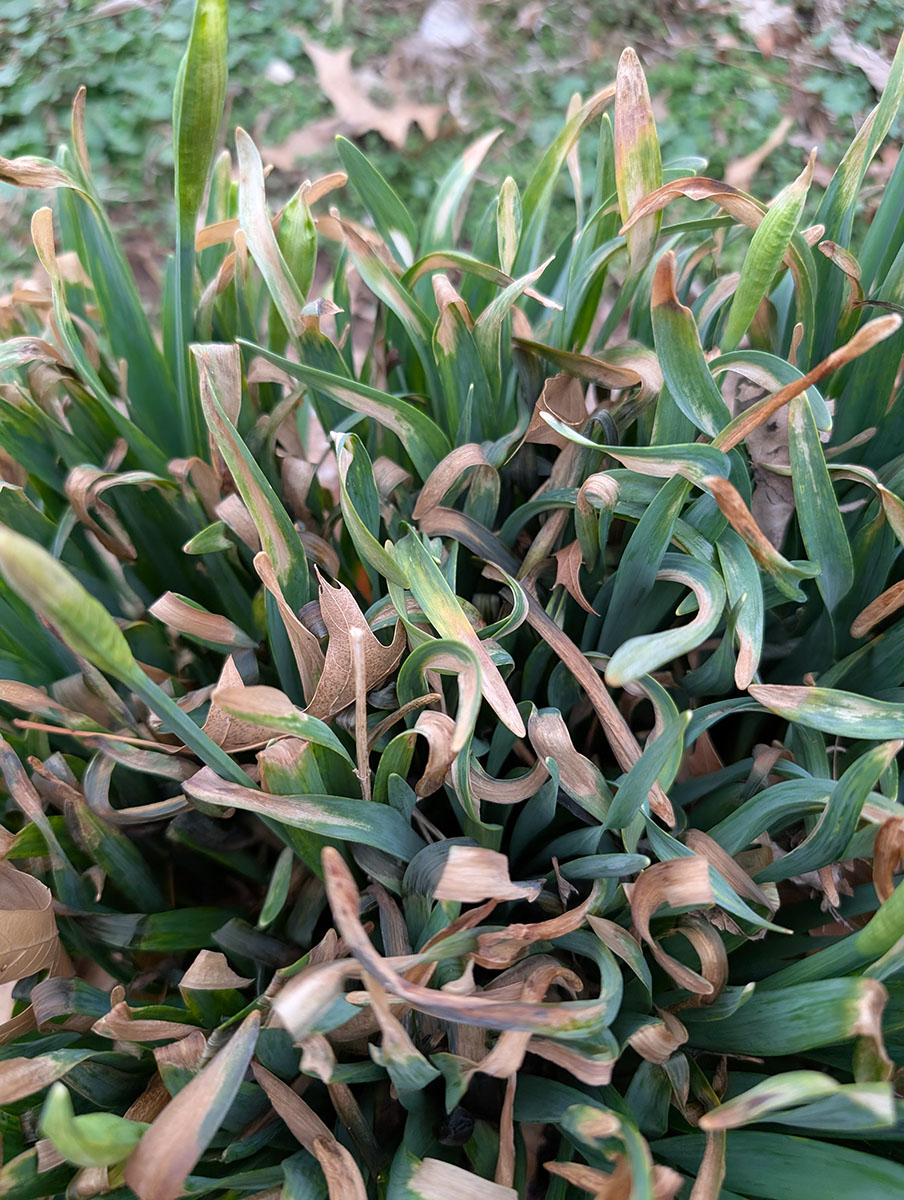
Figure 1. These daffodil plants have brown leaf tips because of very cold temperatures.
The volume of samples submitted to the PDIDL from Oklahoma Specialty Crop Growers was low in the month of February. A summary of sample submissions is shown in Table 1.
| Sample ID | Submit Date | Host | County | Identification method | Diagnosis/Identification |
|---|---|---|---|---|---|
| 202500063 | 1/29/2025 | American Holly | Cherokee | Culture, DNA PCR test, sequencing | Culture, DNA PCR test, sequencing |
| 202500071 | 1/31/2025 | Wintercreeper | Cherokee | Microscopy, culture, DNA PCR test, sequencing | Edema, Anthracnose (Colletotrichum) |
| 202500072 | 2/3/2025 | Corkscrew Willow | Oklahoma | Digital diagnosis | Wound canker suspected |
| 202500094 | 2/11/2025 | Holly | Tulsa | Digital diagnosis, Culture | No pathogen found; root problem suspected |
| 202500095 | 2/13/2025 | Sage (Leucophyllum sp./spp.) | Cherokee | Culture, PCR, sequencing | Fusarium wilt (Fusarium oxysporum) |
| 202500096 | 2/13/2025 | Insect/arthropod Id request | Garfield | Digital diagnosis | Leafcutting bee (Family Megachilidae) |
| 202500100 | 2/17/2025 | Soil | Marshall | Soil extraction, microscopy | Plant parasitic nematodes |
| 202500101 | 2/17/2025 | Soil | Marshall | Soil extraction, microscopy, DNA PCR test, sequencing | Plant parasitic nematodes |
| 202500102 | 2/17/2025 | Soil | Marshall | Soil extraction, microscopy | Plant parasitic nematodes |
| 202500105 | 2/17/2025 | Common Apple | Cherokee | Visual examination, culture, DNA PCR test, sequencing | No pathogen found; Chemical injury suspected |
| 202500136 | 2/26/2025 | Maple | Oklahoma | Digital diagnosis, DNA PCR test, sequencing | Lion's mane (Hericium erinaceus) |
| 202500139 | 2/26/2025 | Red Oaks | Oklahoma | In progress | In progress |
| 202500144 | 2/27/2025 | Japanese Maple | Cherokee | In progress | In progress |
| 202500145 | 2/27/2025 | Holly | Cherokee | In progress | In progress |
*All Oklahoma residents may submit up to 10 free samples per year. General fees are applied after 10 samples have been submitted.
Our most interesting submission was a mushroom that was collected from inside of a declining tree. Although the PDIDL does not identify all mushrooms, we do provide diagnostics if the mushroom is suspected to affect plant health. Based on digital images, the mushroom was likely in the family Hericiaceae. This fungal family often has visible “teeth” or cascading spines present on the fruiting structure. The mushroom was submitted to the PDIDL (Figure 2) to confirm the exact species and impact on plant health.
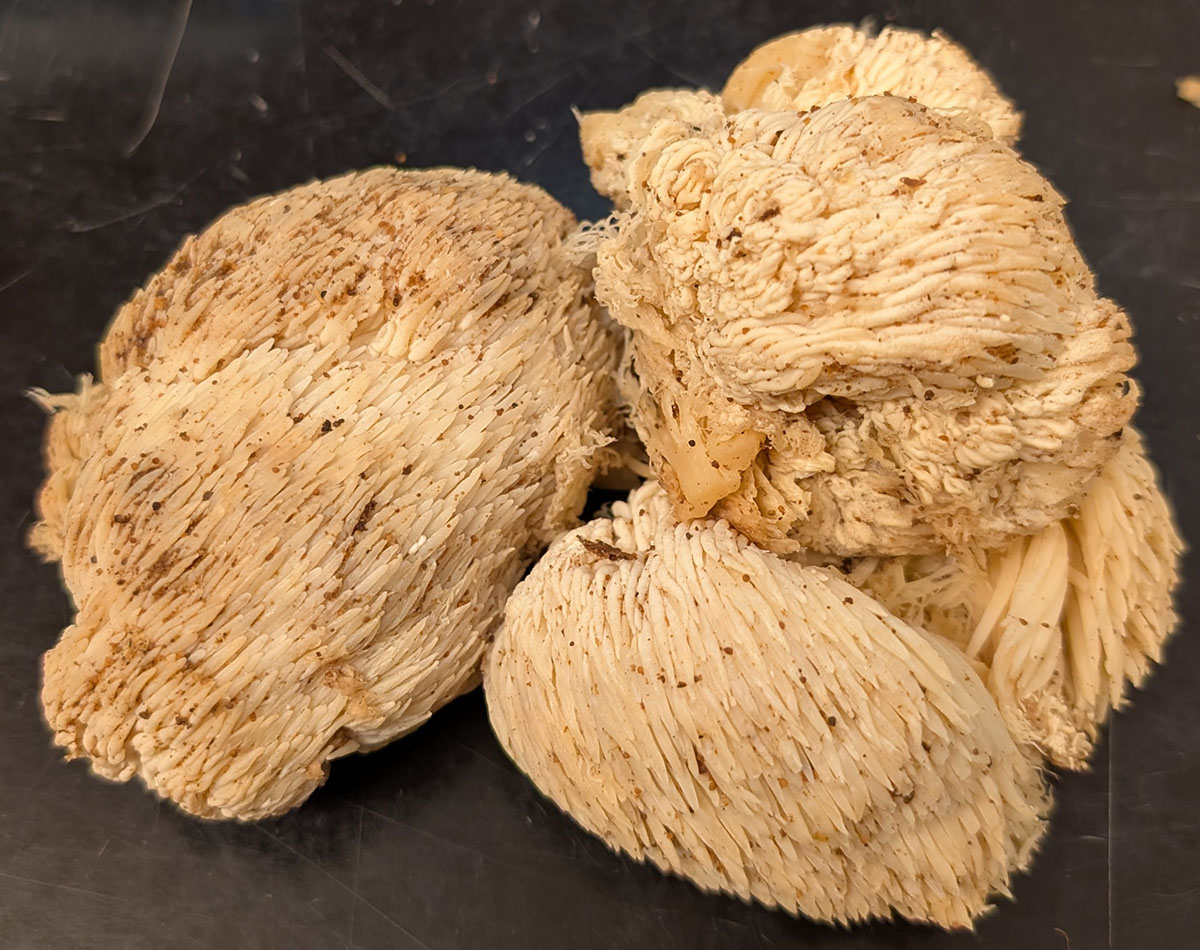
Figure 2. This mushroom was collected from a hardwood tree and submitted to the PDIDL for identification using molecular diagnostic testing and DNA sequencing.
PDIDL staff amplified a fragment of the DNA using the polymerase chain reaction (PCR) method. The DNA fragment was submitted to the DNA Protein Core Facility in the Department of Biochemistry at Oklahoma State University. The resulting DNA sequence confirms that this fungus is Lion’s mane (Hericium erinaceus). This fungus can be found growing on dead wood of hardwood trees. This suggests that the area of the tree where the mushroom was collected was already dead. The tree was already in decline before the mushroom developed.
We have noted many posts on social media regarding the health of seedlings. Many home gardeners are struggling to produce healthy plants from seed for a variety of reasons (method or volume of irrigation, lack of heat germination mats, improper light, etc.). Sara Wallace, a plant pathologist and diagnostician in the PDIDL, is preparing an article on tips to produce healthy seedlings at home. This article should be available in a few days.
Pear rust is one of the most common diseases in the Oklahoma landscape. Detailed information about this disease can be reviewed in fact sheet EPP-7681 Pear Rust. Management of pear rust beings in early spring with the application of fungicides, when pear trees begin blooming and as leaves emerge from the buds. Additional infections will occur throughout the month of March and in some areas, in April. Fungicides are preventative rather than curative, so applications should begin when conditions are right for disease development. A fungicide application will not remove existing spots, but they prevent new leaf spots from developing and prevent old spots from enlarging. Without fungicide applications, ornamental pear leaves will show unsightly blemishes (Figure 3) and premature defoliation may occur.
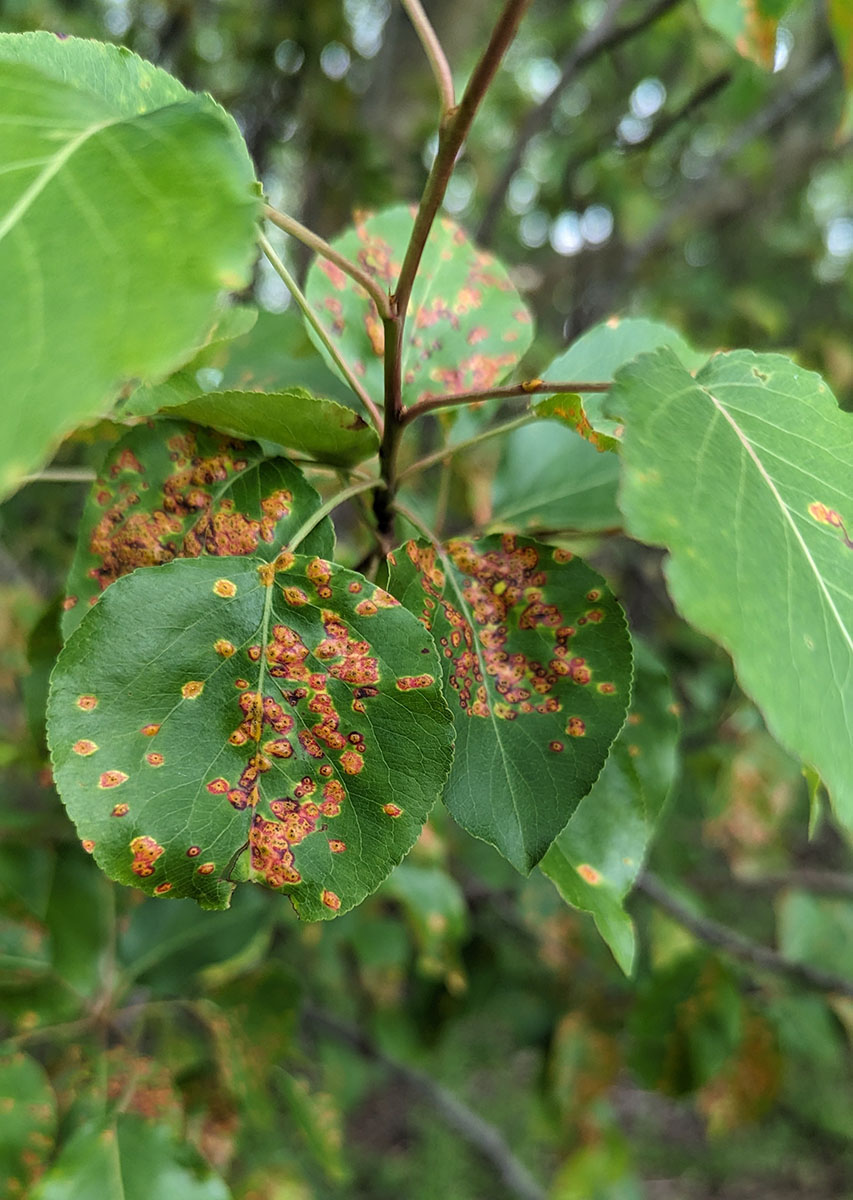
Figure 3. Pear rust has caused the leaves of this ornamental pear to develop unsightly spots and blemishes.
The fungicides recommended for pear rust include systemic fungicides (myclobutanil or tebuconazole) and contact fungicides (copper containing products). Systemic fungicides do not need to be applied as often since they are absorbed and move within the plant to protect new growth. Contact fungicides should be reapplied each week. Some formulations of copper containing fungicides are labeled for organic gardens. When applying pesticides, follow the label instructions for mixing and application. Verify that the plant you wish to treat is listed on the product container and follow the directions. The label is the law.
Look for additional plant health updates from the PDIDL throughout 2025. If you have suggestions for future topics, please contact jen.olson@okstate.edu or call the PDIDL at (405) 744-9961.