

Black Rot and Phomopsis Impacting Vineyard Health in Oklahoma in 2025
Grape Black Rot is Widespread in Oklahoma Vineyards: Stay Ahead of your Management Plans!
Over the past weeks, visits to some vineyards in the state show that black rot continues to be the most conspicuous disease in Oklahoma vineyards. The black rot pathogen, Phyllosticta ampelicida (Sexual stage: Guignardia bidwellii) can infect and reinfect the vines throughout the growing season. The recent rains and associated humid conditions provided a perfect environment for the fungal spores to spread and thrive. Early in the season, rain splashes, and wind currents carried the ascospores from perithecia (black fruiting bodies) in the dormant stage to young emerging leaves. These spores grow within 48 hours in the presence of moisture and penetrate the leaves, canes and fruits. What we now have in many vineyards is now visible infection. The spores can be released continuously during wet weather, leading to multiple cycles of infection. As we move into the summer with less rain conditions, reinfections might be slower, but the inoculum already present in the vines will continue to produce symptoms. It is therefore important to stay ahead of your sprays.
And Phomopsis Too!
Phomopsis is caused by another fungus, Phomopsis viticola (sexual stage Diaporthe ampelina), and it is widespread in the vineyards visited thus far. Its epidemiology is similar in many ways to the grape black rot. The disease appears as tiny dark spots, sometimes with yellowish margins on leaf blades and veins. The spots can be found on the leaf (leafspot) and canes (cane spot). Infected spurs and canes provide inoculum for new infections. Moisture is required for infection, so the rainfall may have contributed to disease epidemics. Hopefully, growers will stay consistent with sulfur application before the onset of rain. Contact fungicides like Mancozeb and Ziram are necessary after significant rainfall. If several rains are in the prediction, please include systemic fungicides.
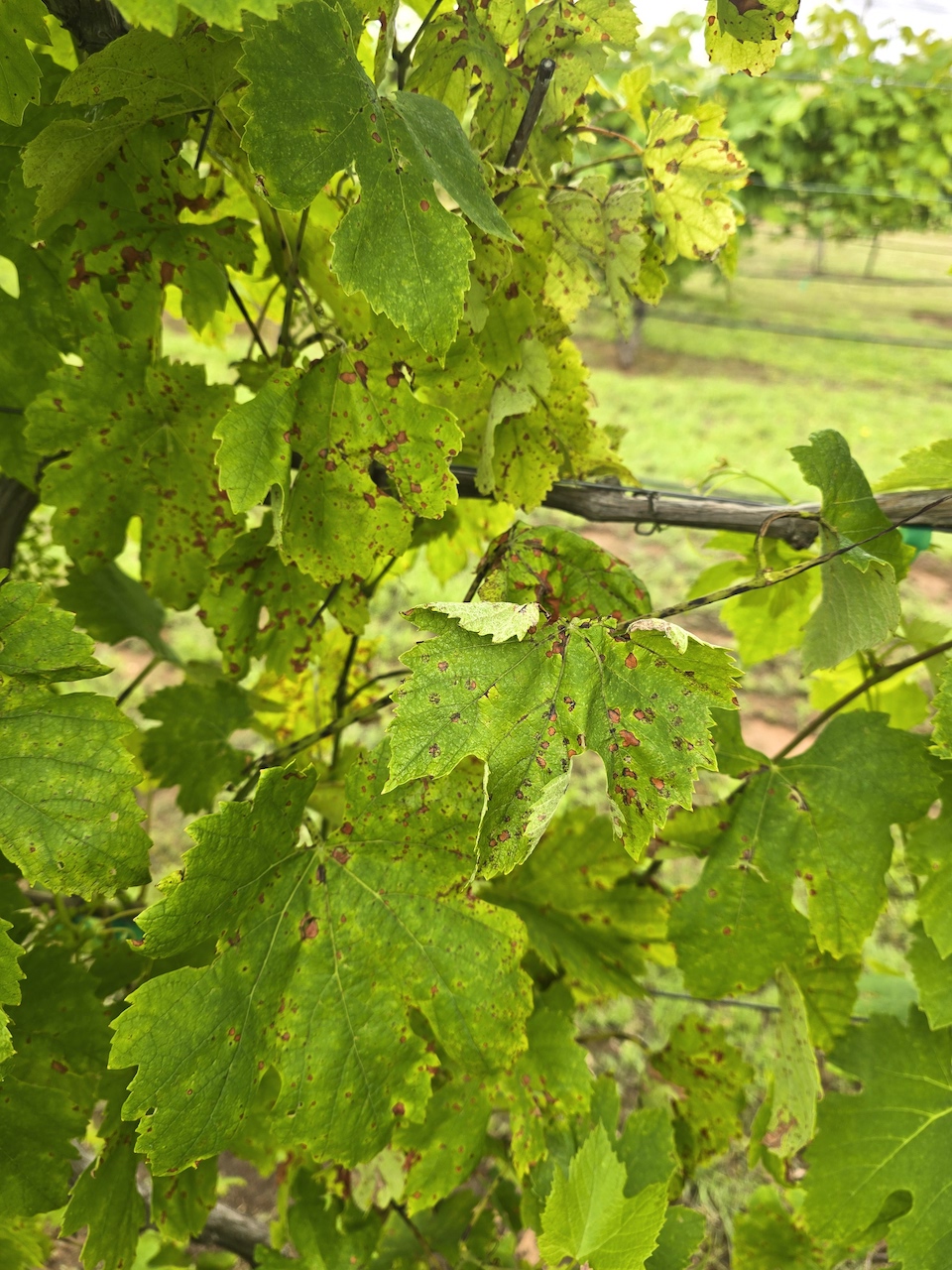
Figure 1a. Black rot symptoms on grapevine.
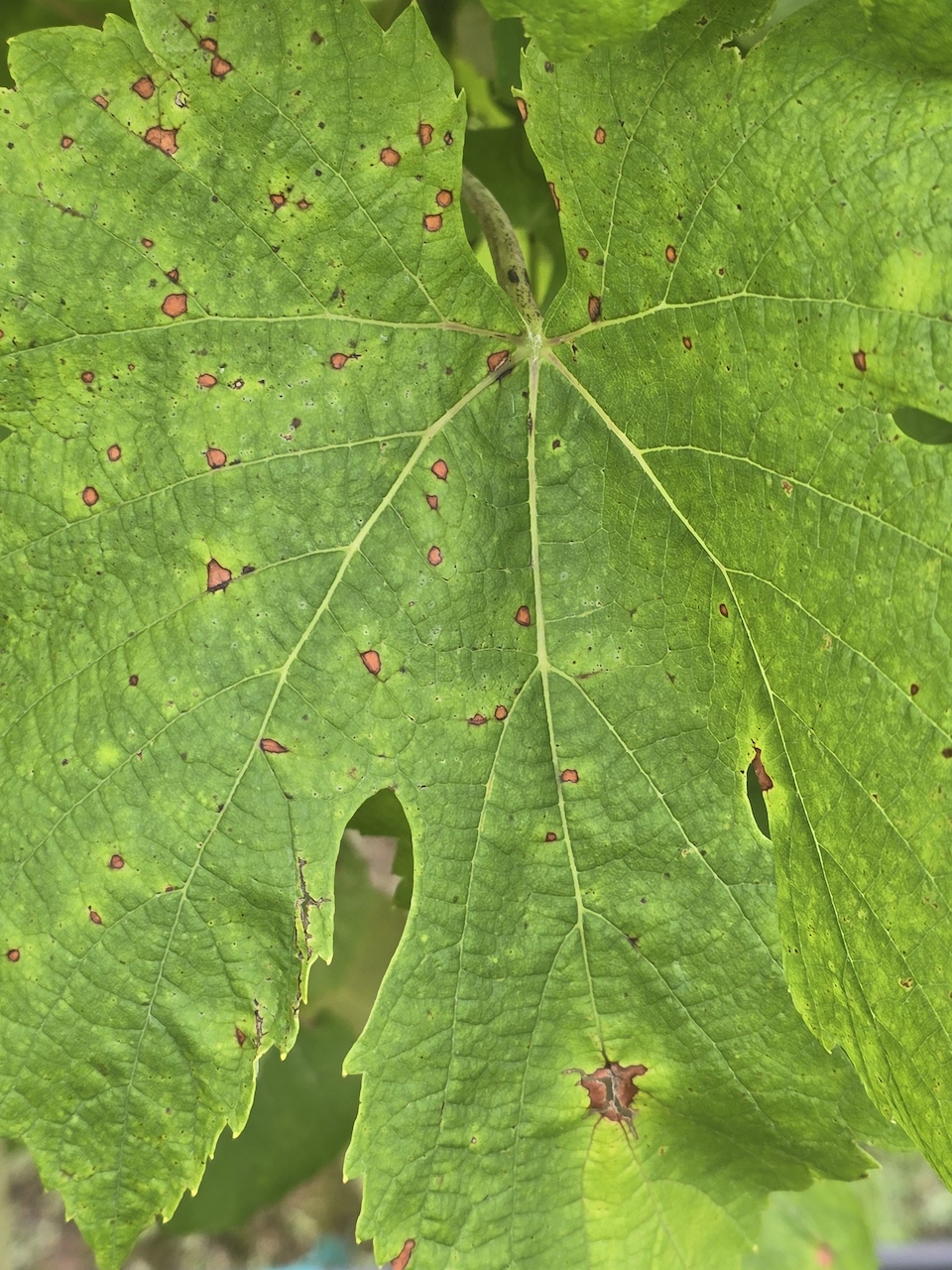
Figure 1b. Black rot symptoms on grapevine.
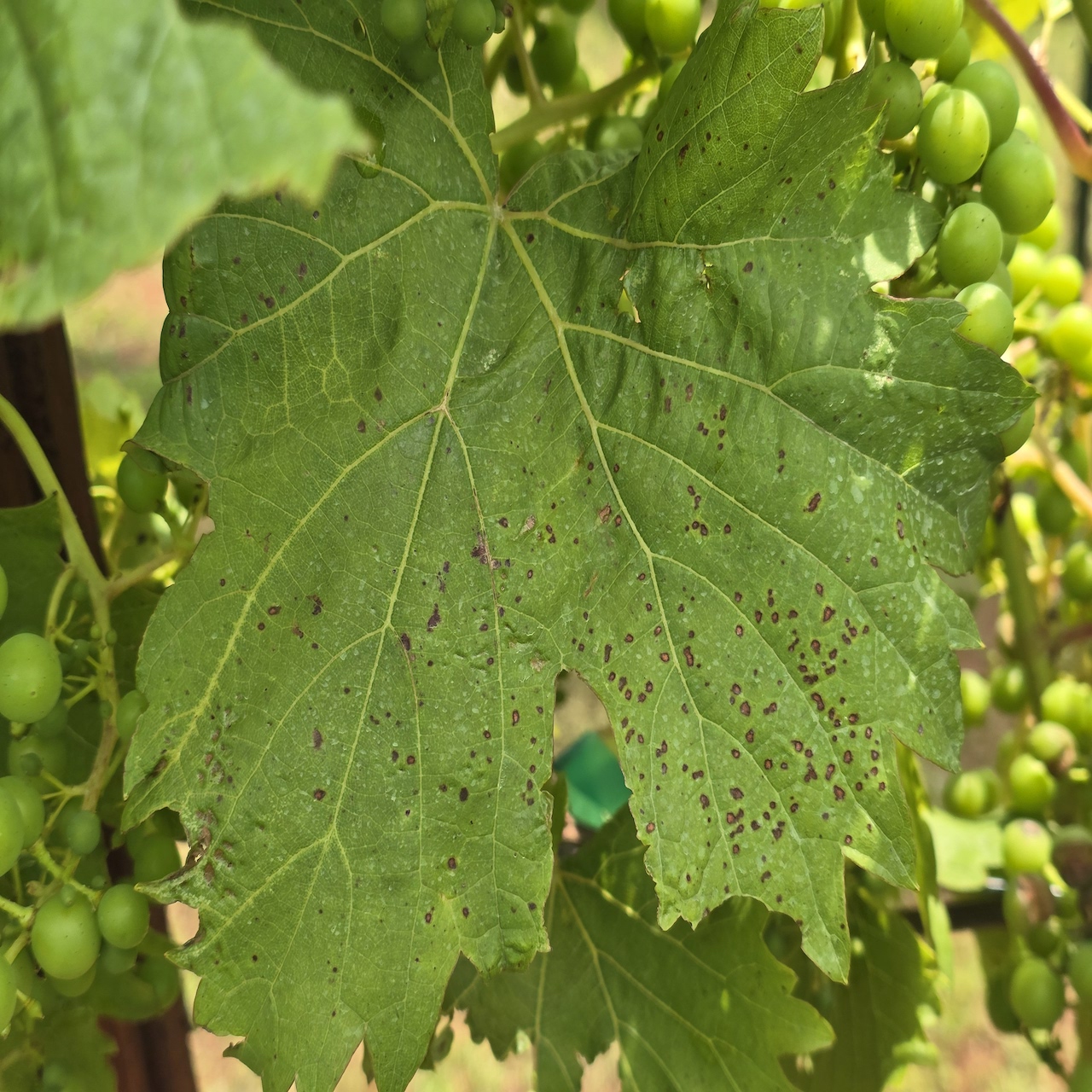
Figure 2a. Symptoms of phomopsis on grape leaf.
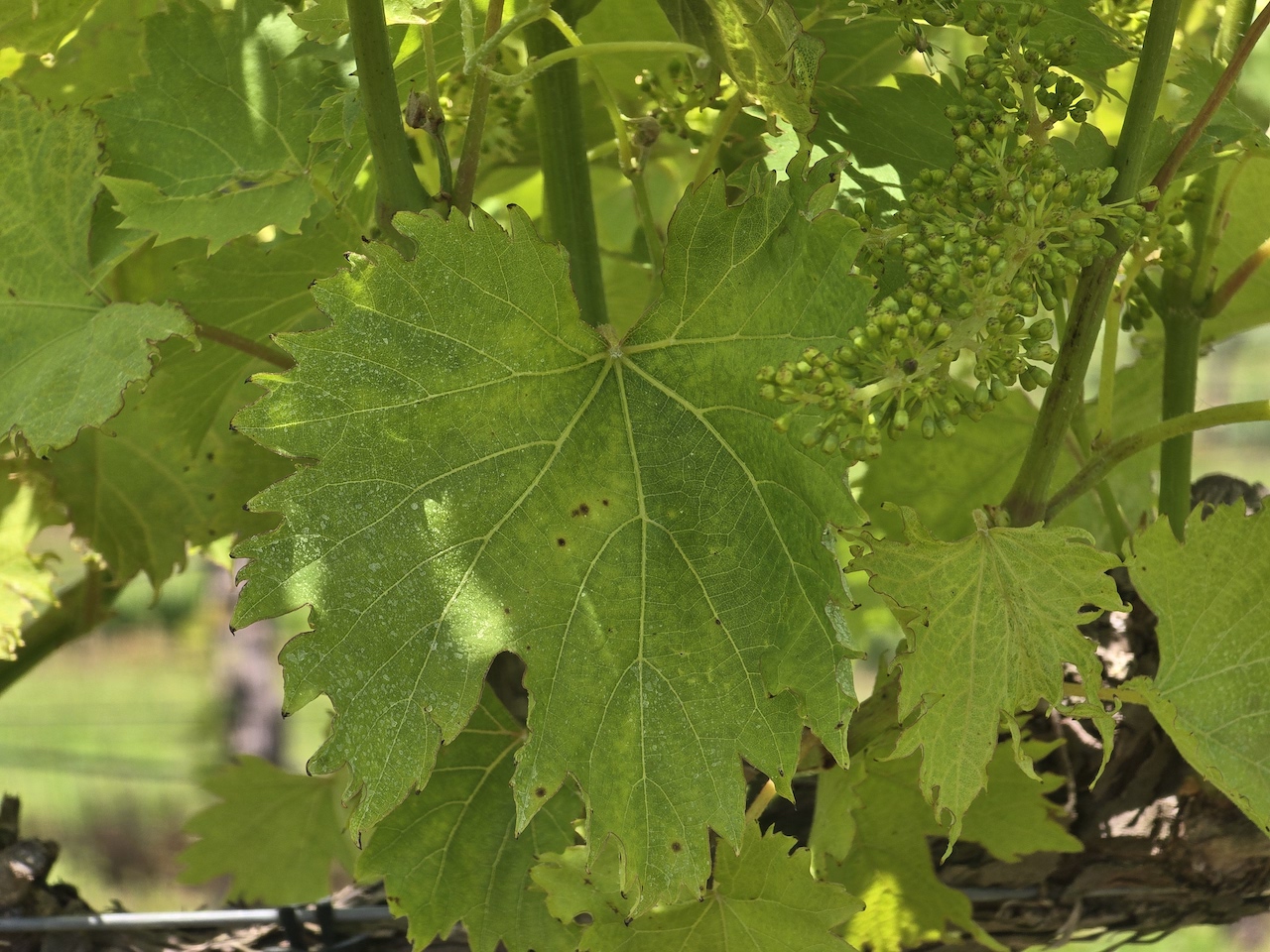
Figure 2b. Symptoms of phomopsis on grape leaves.
For information on commercial sprays for management of grape black rot in Oklahoma, please see OSU extension publication, CR-6252 (Commercial Grape Insect and Disease Control – 2022).