

As Harvest Approaches, Keep an Eye on Alfalfa Aphids
As we get closer to the first alfalfa harvest of the season, early season alfalfa aphids continue to be active.
It is not uncommon to see increasing aphid numbers before the first harvest due to the timing of the season and the fact that any previously applied insecticides for alfalfa weevil/aphids (late March) are starting to lose their efficacy.
In many instances, insecticide applications will provide enough residual to last until the first harvest; however, if an application is needed early enough in the season the residual effects of the chemical may not last, prompting management decisions to be made.
Both pea aphids Acyrthosiphum pisum, and blue aphids Acyrthosiphon kondoi can be in alfalfa the entire summer to fall, but reproduction is dramatically slowed when temperatures exceed 85 - 90 °F. Pea aphid colonies prefer to feed on stems and newly expanding leaves and are more prevalent in the early spring when temperatures are cooler and dryer (Fig. 1).
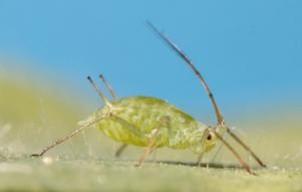
Figure 1. Pea Aphid. Crop Protection Network.
Blue alfalfa aphids (Fig. 2) feed on stems and tender succulent parts of the alfalfa plant. These aphids cluster on the terminal growth, but as populations increase, they will spread over the entire plant.
Heavy infestations of blue alfalfa aphids are characterized by severe stunting of the stems, which have shortened internodes and smaller leaves (Fig. 3). Leaf curling and eventual leaf drop are also common symptoms in severely infested alfalfa fields.
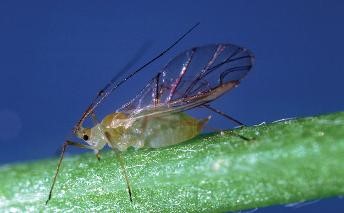
Figure 2. Blue Alfalfa Aphid. Hay and Forage Magazine.
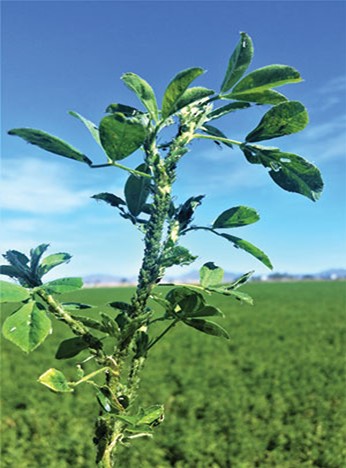
Figure 3. Blue Alfalfa Aphid Damage. Hay and Forage Magazine.
Evaluating plant vigor is often the key to determining the need to treat these insects. Closely monitor fields during the early part of the season (March, April, and May) during periods of slow growth.
Two other aphids that can be damaging to alfalfa are the spotted aphid Therioaphis maculata, and the cowpea aphid Aphis craccivora.
Spotted alfalfa aphids are about 2 mm long, pale yellow, and have four to six rows of dark spots on their back (Fig 4). It is usually found on stems and leaves on the lower portions of the plant but will move to the top as it kills lower leaves. It sucks plant sap and secretes large amounts of honeydew which can develop into sooty mold and lead to harvesting challenges. Its toxic saliva kills seedling plants and may lower the productivity of established alfalfa fields.
While spotted alfalfa aphids can be present year-round, they are most active during periods of mild, dry weather, which is often observed in late summer and fall in Oklahoma. The spotted aphid is a serious threat to newly planted stands because its seasonal abundance is greatest from August to October when alfalfa is planted.
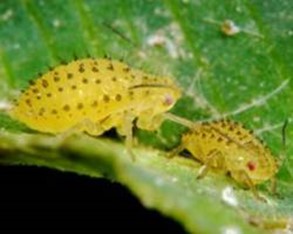
Figure 4. Spotted Alfalfa Aphid. Oklahoma State University.
Cowpea aphids are shiny, black aphids that have whitish legs with black bands (Fig. 5). The damage and honeydew issues they cause in alfalfa are similar to those caused by Pea aphids. Of the four species found in alfalfa, the symptoms observed with infestation by cowpea aphid have been the least severe.
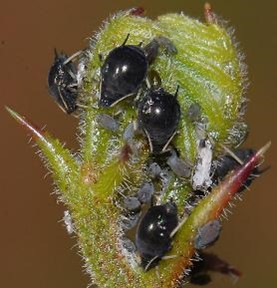
Figure 5. Cowpea Aphid. Kansas State University.
Moderate to heavy rain events may help to alleviate aphid populations, allowing for more plant growth, and by dislodging aphids from the plants. This also allows aphids to be eaten by predators.
Control decisions should be based on the maturity of the alfalfa, the size of the aphid population, and the number of natural control agents (beneficial insects) present.
To scout for aphids, carefully sample 20-30 stems at several locations in the field. Watch for aphids that may fall from stems when sampling. Record the number of aphids per stem, as well as stem length, then calculate the average number of aphids per stem. Refer to Table 1 for economic thresholds for making management decisions.
Established alfalfa can tolerate low numbers of aphids without much sign of injury due to natural parasitism and crop growth. Fifty pea aphids per stem or more on shorter (<10 inch tall) alfalfa would be cause for alarm and beneficial insects would not be able to keep up. For blue aphids the threshold level is 10 or more per stem. For newly established stands the numbers are significantly lower at 1/stem for blues and 5/stem for pea aphids (Table 1).
| Alfalfa Growth Stage | Cowpea Sweep* |
Cowpea Stem** |
Pea Aphid Sweep* |
Pea Aphid Stem** |
Blue Aphid Sweep* |
Blue Aphid Stem** |
Spotted Aphid Sweep* |
Spotted Aphid Stem** |
|---|---|---|---|---|---|---|---|---|
| Seedling | - | 5 | - | 5 | - | 1 | - | 1 |
| <10” tall | 300 | 40 | 300 | 40 | 100 | 10 | 100 | 10 |
| >10” tall | 400 | 75 | 400 | 75 | 200 | 30 | 200 | 30 |
*Number of aphids/sweep.
**Number of aphids/stem.
With optimal conditions, some producers may have already made their first alfalfa cutting. However, be aware that if aphid populations were building leading up to harvest, new growth may be at risk. Plant growth after a cut is especially susceptible to aphids. Aphids feed by sucking plant sap, which can weaken tender plants and stunt their growth. High aphid populations can also lead to leaf yellowing, curling, and even plant death.
Close monitoring of new alfalfa growth after cutting is essential to detect insect infestations early. Knowing the economic thresholds for specific insects and aphid species in your area can help you determine when and if control measures are needed. Alfalfa fields have many natural enemies, such as predatory beetles, bugs, and parasitic wasps, that can help control aphid populations. If aphid thresholds are met, select an insecticide treatment that is soft on beneficials to preserve natural control.
More information on alfalfa aphids can be found in EPP-7184, Alfalfa Aphids in Oklahoma.