

Cow-Calf Corner | September 14, 2026
Understanding Beef Imports
Derrell S. Peel, Oklahoma State University Extension Livestock Marketing Specialist
Recent highly publicized plans to allow up to an additional 300,000 metric tons (661 million pounds) of beef imports tariff-free have received much attention and have been the subject of considerable misinformation and disinformation. Reasonable and useful discussion about beef trade policy is appropriate when it is based on valid information rather than mistaken information and wild social media speculation.
The U.S. has imported beef for many years to supplement certain products in the total U.S. beef supply (Figure 1). Through much of the period, the major sources were Australia, Canada, and New Zealand. More recently, Mexico has become a bigger source of beef imports. Beef imports have increased sharply since 2024 in response to declining total beef production. Brazil has increased rapidly and is currently the number two source of beef imports slightly behind Australia. For the first seven months of 2026, Canada, Mexico and New Zealand ranked three, four and five, in that order, followed by Uruguay, Argentina, Nicaragua, and Paraguay. Beef imports are up 12.9 percent year over year thus far in 2026.
Figure 1. U.S. Beef Imports, 1,000 Tons, Carcass Weight
Most beef imports are used in food service with very little showing up in retail grocery stores. An estimated 68 percent of beef imports are lean trimmings and lean beef used primarily as ingredients for the U.S. ground beef industry (Figure 2). The U.S. does not directly import ground beef. Imported beef is most frequently used as an ingredient in ground beef formulations for quick service restaurants. Various fast-food restaurants may use imported beef in ground beef in very specific proportions with stringent specifications.
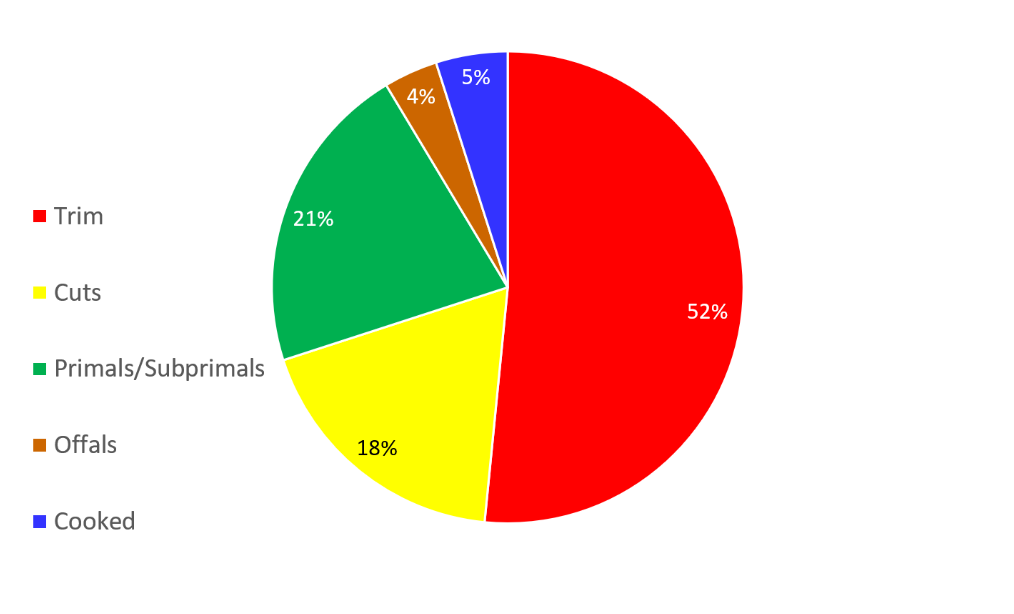 Figure 2. Beef Imports By Product Type, 2025
Imported beef currently makes up an estimated 39 percent of the total beef used for ground beef (Figure 3). This is a significantly higher percentage than average over the past twenty years due to the current reduction in domestic cow and bull beef supplies. See Cow-Calf Corner | April 27, 2026 | Oklahoma State University for a more detailed discussion of the ground beef industry.
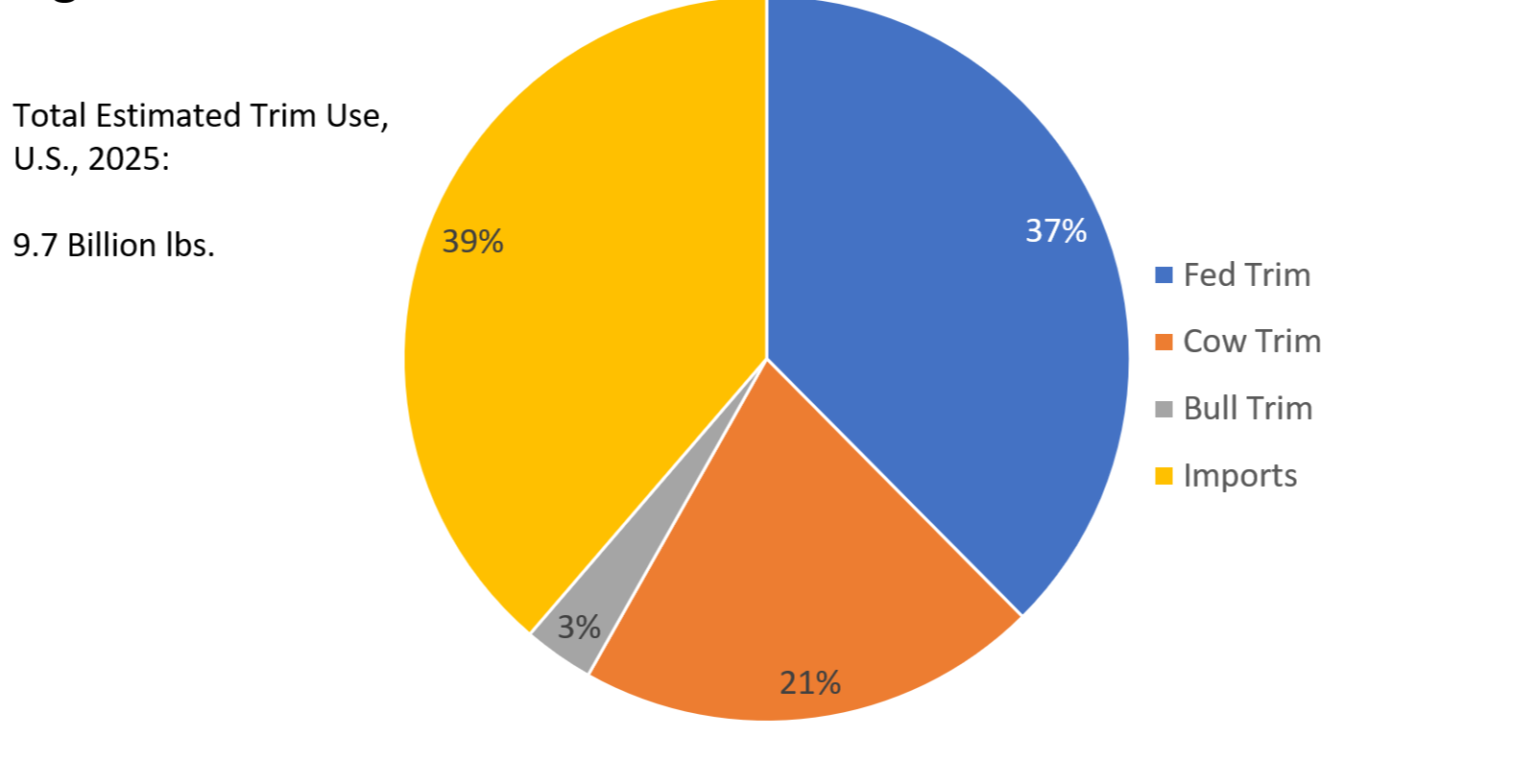
Figure 3. Ground Beef Production
Brazil will likely be the biggest beneficiary of the removal of over-quota tariffs this fall. Beef imports that would have been subject to the tariff will now enter the U.S. tariff-free. However, it is unlikely that beef imports will increase an additional 300,000 metric tons. Imported beef is used in specific markets and in specific ways that were being met even with tariffs. Reducing the tariffs may change the sources of beef imports with Australia and New Zealand likely losing market share to South America. Total beef imports will probably increase some beyond what would have happened anyway but not the full amount. Imported beef has little impact on ground beef in retail grocery stores and ground beef prices at retail are not expected to be much impacted by this policy change.
Derrell Peel, OSU Extension livestock marketing specialist, says beef demand is holding steady going into fall on SunUpTV from September 12, 2026.
Benefits of Prescribed Fire
Mark Z. Johnson, Oklahoma State University Extension Beef Cattle Breeding Specialist and John R. Weir, Oklahoma State University Senior Extension Specialist, Natural Resource Ecology and Management
Research has shown that there is no substitute for fire in restoring ecosystems. Fire is an ecosystem driver that facilitates ecosystem processes such as nutrient and water cycling. However, fire seldom affects ecosystems alone. It works in concert with herbivory and climate, thus constituting an integral part of ecosystem restoration. Fire is mandatory for the health of prairies, shrublands and forests throughout Oklahoma and most of the world. Fire is a necessary tool for managing wildlife, livestock and timber. Research has shown that although there are many land management tools, there is no substitute for fire.
Prescribed burning should be conducted under a set of fire prescriptions. This is a set of conditions under which the fire will be conducted to meet land management objectives. A fire prescription is based on scientific research and experience. Specific recommendations must be customized for the particular piece of land to be burned. There are many possible fire prescriptions and vegetation responses to a prescribed fire. Factors affecting vegetation response include weather, stage of plant succession, fuel load, topography, soil type and previous management. It is important to develop management goals and objectives, then develop a fire prescription based on the tract of land. Fire prescription variables, including temperature, relative humidity, wind, and season of burn, have been used successfully in Oklahoma and surrounding states.
Prescribed burns can be classified as either restoration or maintenance burns, with each possibly requiring different personnel, tactics, training, equipment and firebreaks. A restoration burn is typically conducted to restore or reclaim an area after a long absence of fire. The execution of certain restoration burns requires more preparation and inherently entails greater risk. Maintenance burns are conducted after a tract of land has reached its desired management goals, using fire to maintain it. These burns are normally easier to conduct. A consultation with a fire management specialist to develop a customized fire prescription to meet your objectives is recommended.
References
- Using Prescribed Fire in Oklahoma
- Fire Prescriptions for Restoration and Maintenance of Native Plant Communities
Matching Cattle to the Market That Rewards Their Strengths
Increasing the ownership period of calves will help you capture more of their true value. This can either be for the good or the bad, depending on the quality of your cattle.
Kansas State University and Merck Animal Health put together an analysis of 15,287 Superior Livestock Auction lots sold in 2021 and 2022 containing more than 2.5 million calves. The average lot contained 168 head, averaged 559 pounds, and brought $181/cwt. Steers brought an average of averaged $19.26/cwt above the base, heifers and bulls were discounted. Brahman-influenced calves were discounted $7.43/cwt nationally but only $1.56/cwt in the Southern Plains, illustrating that environmental adaptation may be valued differently depending on where cattle are marketed.
Brahman breeding is essential to match cows to the environment, they are known for heat and insect tolerance and provide hybrid vigor to crossbreeding programs. An example of selecting cattle for adaptation to the environment but getting discounted at the auction market is the herds at the Texas AgriLife Research and Extension Center at Overton. Over the last 11 years, these calves averaged weaning weight of 681 from 1274-pound average cow with a weaning weight ratio of 0.53. Yet, auction market evaluations show discounts for striped or spotted hides or markings up to $26.42/cwt. The black hided Simental x Hereford x Brahman calves still receive the “Brahman discount”. For these steers out of Overton, stocker gains on winter pasture were 3.5 pounds per day, while summer gains on bermudagrass were 2 pounds per day. Finishing performance was equally impressive on these cattle. Steers from Overton came into the feedlot averaging 799 pounds and were harvested at 1487 in 175 days with gains averaging over 3.9 pounds per day. These steers only averaged 37% Choice quality grade (Table 1) so marketing in the live market rather than on a carcass grid is advisable.
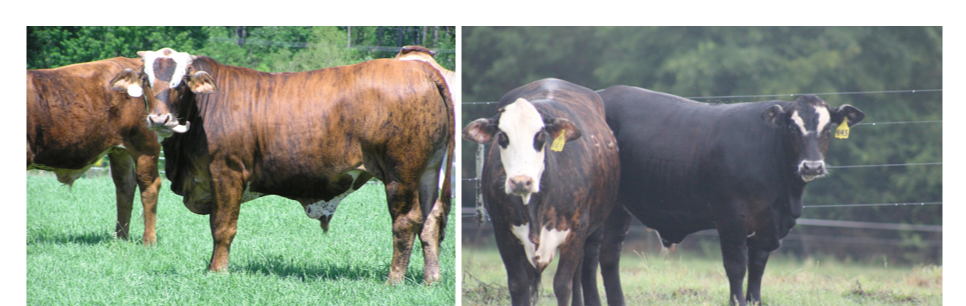
Figure 4. Steers at the Texas A&M AgriLife Research and Extension Center at Overton. F1 Hereford x Brahman Steer (left) or 1/4 blood Brahman from F1 cow. These breeds are adapted to the coastal plains environment but are heavily discounted at auction markets. (Photos courtesy of Dr. Monte Roquette, Texas AgriLife - Overton.)
Another example we can use is the set of Ultrablack steers in the picture below. These steers were purchased out of Southeast Texas and transported to Oklahoma for research in both Eastern and western Oklahoma. The discounts were not as high for these black hided steers, but the Brahman discount is still in place.
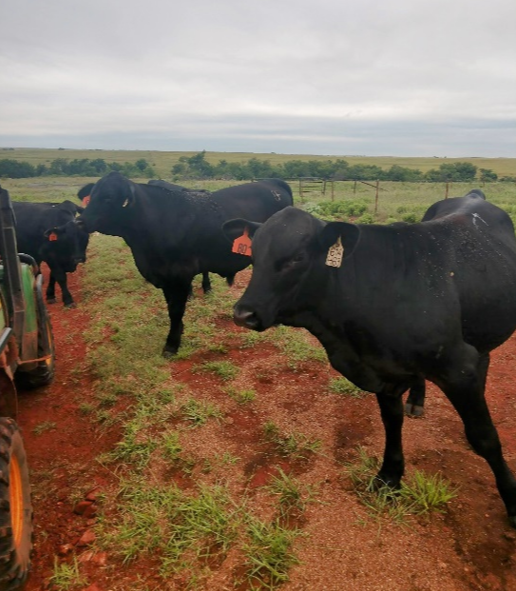
Figure 5. A set of Ultrablack steers from Southeast Texas raised as stockers in Oklahoma.
The Ultrablack steers gained an average of 2.25 pounds per day while grazing summer pasture in Oklahoma. These steers were finished in a commercial feedyard in the fall and winter of 2021-2022. They entered the feedyard at 1010 pounds and weighed 1546 pounds after 167 days with gains averaging 3.4 pounds per day. These steers were over 87% Choice.
From the Table below, we can see that the tropically adapted cattle performed better than the industry average in some factors but not all. The Ultrablack steers gained exceptionally well on pasture but because they got so big on grass had slightly lower performance than industry average during finishing. They did produce a high percentage of Choice and better carcasses. The steers from the Overton herd gained well on grass and performed exceptionally well in the feedlot, but did not have many high quality carcasses. Understanding when and where to market cattle is important. The cattle from Overton should be sold live basis after finishing, the high carcass quality from the Ultrablack steers give premiums when marketed on a carcass grid
| Item | Overton | Ultrablack | Industry Average* |
|---|---|---|---|
| Bodyweight, lbs | |||
| On feed | 799 | 1010 | 748 |
| Slaughter | 1487 | 1546 | 1435 |
| ADG, lb/day | 3.91 | 3.44 | 3.56 |
| Hot carcass wt | 881 | 1012 | 904 |
| % Choice | 37% | 87% | 82% |
*Industry average is based on KSU Focus on Feedlots report of finishing performance from February 2023 and 5-year industry average carcass quality data from USDA and a 63% dressing percentage.
To market your calves effectively, you need to know their potential. This may be better – or worse – than what buyers recognize at the sale barn. Retaining ownership beyond weaning gives you the opportunity to capture the value of superior performance, but it also means bearing the cost when cattle fall short. The goal is to match your marketing strategy to what your calves can deliver.
Muddy Water and Salty Water Are Not the Same Problem
David Lalman, Oklahoma State University Extension Beef Cattle Specialist
Weeks of extreme heat and limited rainfall can change cattle ponds quickly. Water levels decline, while cattle often spend more time standing in ponds to cool themselves. Hoof action stirs sediment, and more manure and urine are deposited directly into a smaller volume of water. The result may be a shallow, warm and muddy pond.
Muddy water attracts attention, but turbidity and salinity are not the same thing. Turbidity is caused primarily by suspended clay, soil and organic matter. It can reduce palatability and signal increasing erosion or contamination, but muddy appearance alone does not tell us whether water contains dangerous concentrations of dissolved minerals. Conversely, clear water can contain excessive salts, nitrate or sulfate.
As pond water evaporates, dissolved minerals remain and become more concentrated. Total dissolved solids (TDS) is a useful screening measure, although TDS itself does not identify which minerals are present. Water containing less than 3,000 ppm TDS is generally considered satisfactory for cattle. Water containing 3,000 to 4,999 ppm is usually satisfactory, although cattle may initially refuse it or experience temporary diarrhea. Water containing 5,000 to 6,999 ppm is considered marginal and should generally be avoided for pregnant or lactating cattle. Water exceeding 10,000 ppm is considered unsafe. Regardless of TDS, nitrate and sulfate concentrations deserve individual attention.
In an Oklahoma State University study, cattle offered water containing up to 5,878 ppm TDS under relatively cool conditions did not significantly change water intake, forage intake or diet digestibility. However, that small, short-term study should not be interpreted to mean that water near 6,000 ppm TDS is safe during prolonged heat, lactation or other stress.
More commonly, declining pond conditions may reduce performance before causing obvious toxicity. Warm, shallow water with increased manure contamination can promote bacterial and algal growth and develop objectionable tastes or odors. If water intake declines, forage intake often follows, potentially reducing weight gain and milk production.
Test a sample representative of what cattle are actually drinking. A livestock water analysis should include pH, TDS or electrical conductivity, nitrate, sulfate, chloride and major minerals. The Soil, Water, and Forage Laboratory at Oklahoma State Charges $18 for a comprehensive livestock water chemical analysis. Be sure to watch for algae, unusual odor or color, diarrhea, reduced grazing time, hesitation to drink, or a strong preference for an alternative water source. When the animals' behavior tells you they don't like to drink the water, it is time (perhaps past time) to intervene.
Longer term, limiting direct pond access and delivering water through a gravity-fed tank or trough behind the dam can reduce bank erosion, sediment disturbance and manure deposition. If pond access for cooling is restricted, provide adequate shade and plenty of clean water. Cool water consumption also serves to dissipate heat and cool the animals.
Turbidity is a visible warning, not a diagnosis. Water can look muddy and be chemically acceptable or look clear and contain harmful dissolved compounds. When pond conditions change, test the water or in the case of the water source becoming unpalatable, be prepared to provide a different water source.
David Lalman, OSU Extension beef cattle specialist, offers guidance on checking water quality in drought-stressed ponds and what producers should consider for their livestock on SunUpTV from September 12, 2026.