

Cow-Calf Corner |April 27, 2026
The Hamburger Story
Derrell S. Peel, Oklahoma State University Extension Livestock Marketing Specialist
As total beef production falls and beef prices increase to record levels, demand for ground beef increases. In 2025, a 3.6 decrease in beef production was offset by increased net beef imports to hold total per capita beef consumption steady with the previous year. Per capita beef consumption for 2025 was estimated at 59.8 pounds per person. Total beef production thus far in 2026 is down 6.2 percent and is expected to be down 3 - 4 percent annually for the year with per capita beef consumption declining despite additional beef imports this year.
A breakdown of beef consumption shows that per capita supplies of ground beef increased in 2025 to the highest level since 2004. Ground beef supplies were estimated at 28.6 pounds per person, up 0.61 pounds per person. Remaining beef consumption (carcass) was estimated at 31.2 pounds, down 0.44 pounds per person (Figure 1).
Pounds per Capita, Estimated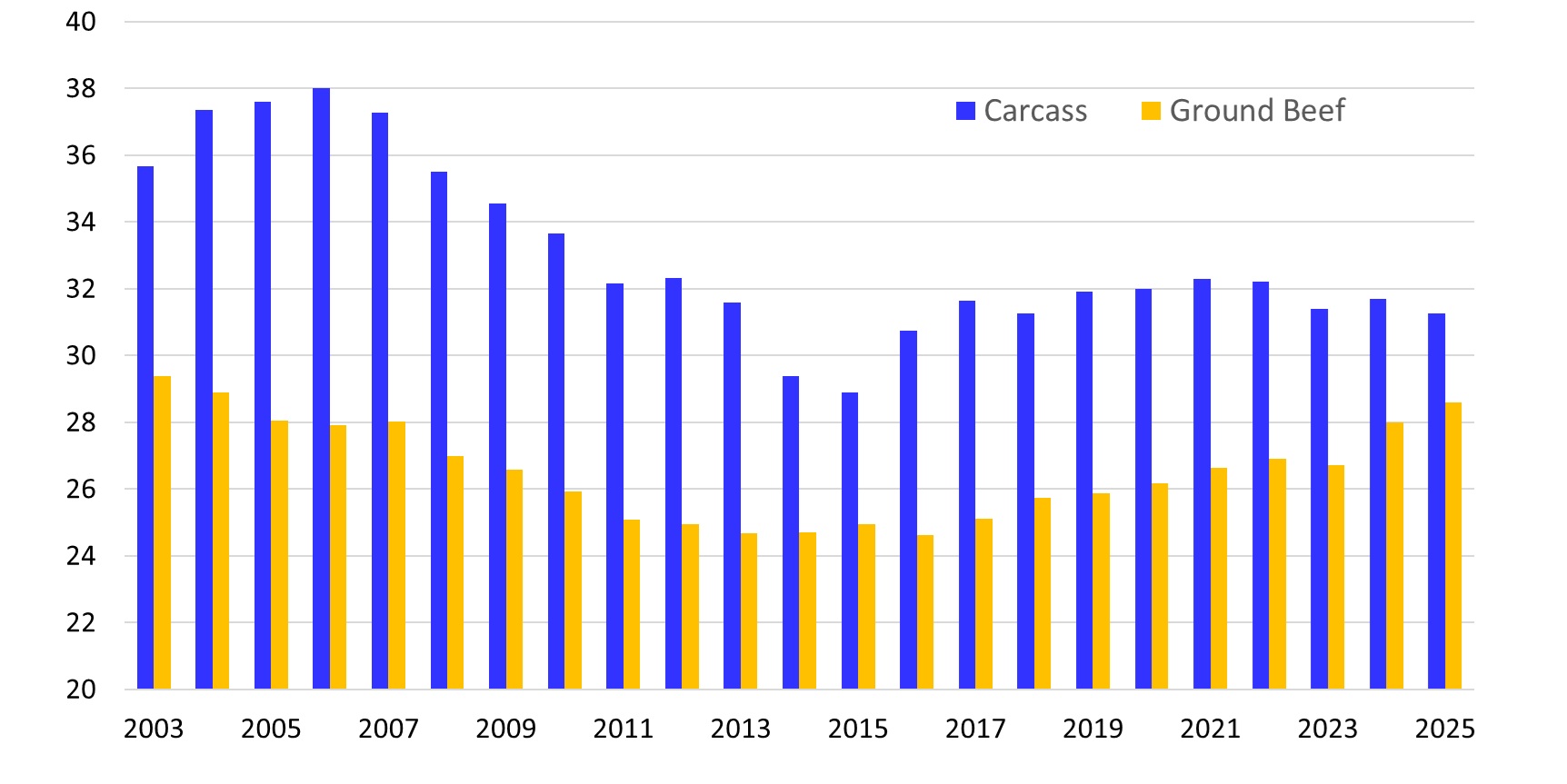
Figure 1. Beef Consumption
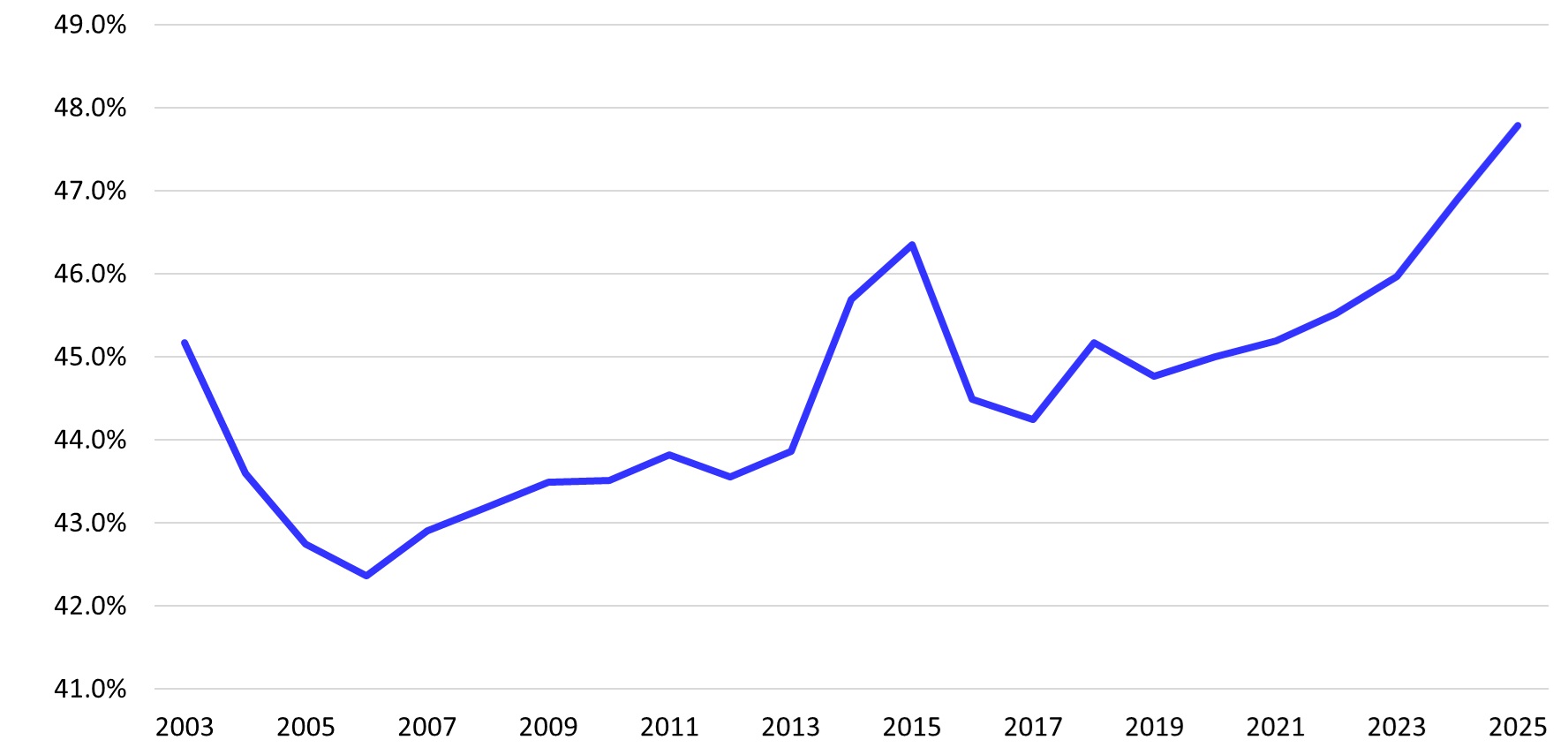
Figure 2. Ground Beef % of Total Beef Consumption
Figure 2 shows that ground beef currently makes up the highest percentage of total beef consumption back to 2003 and is probably at a record level in the U.S. Ground beef consumption has increased simultaneously with record ground beef prices. This happens because ground beef is still the beef product that consumers turn to when beef prices generally rise. Since 2022, the average wholesale price across 39 beef products has been an increase of over 44 percent. However, wholesale ground beef prices have increased over 57 percent over the same period.
The challenges of meeting ground beef demand are substantial. Ground beef utilizes fatty trimmings from fed cattle and lean trimmings from cull cows and other sources. Total cow slaughter decreased 28.7 percent from 2022 through 2025, leading to a 24.8 percent decrease in nonfed beef production. This is the primary source of lean processing beef used in ground beef mixtures. There are a multitude of ways to prepare ground beef mixtures but a ratio of seven pounds of 90 percent lean to one pound of 50 percent lean is representative of a common 85 percent lean ground beef mixture. This means that seven pounds of cull cow-type beef is required for each pound of trimmings from fed steers and heifers. Fed carcasses produce 150-250 pounds of trim, which means that the lean trim from three to four cull cows is needed to utilize all of the fatty trimmings from each fed carcass. Not enough cow beef is available and lean supplies are routinely supplemented by imported lean. Over the past 20 years, an average of 25 percent of total trim used for ground beef has been from imported beef. In 2025, imported trim accounted for an estimated 38.7 percent of total ground beef trim, leading to the domestic lean share of trim at the lowest level in more than 20 years, currently 61.3 percent (Figure 3). Increased imported trim in the current market is important to support the value of fatty trimmings from fed cattle.
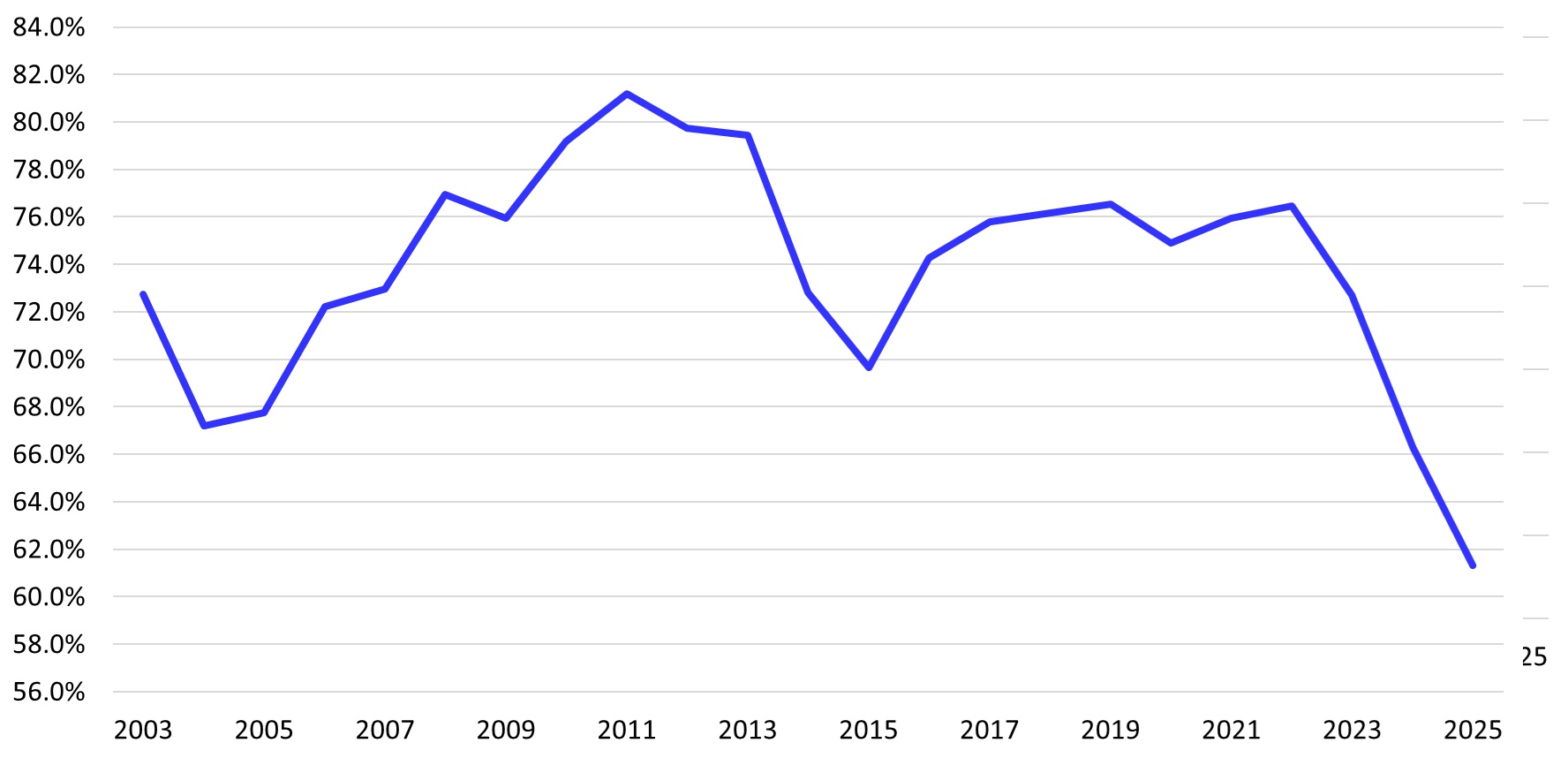
Figure 3. Domestic Trim % of Total Trim
Maintaining the ground beef market is critical in the current situation. Consumer demand for ground beef is high and the ability of beef to be competitive with other proteins depends on ground beef - and fast food demand for hamburgers, in particular.
Derrell Peel explains why beef prices are rising and what it means for consumers, ranchers, and the overall cattle market on SunUpTV from April 27, 2026. Beef Market Outlook 2026: What Experts Say About Prices| Livestock Marketing
Relationship of Bermudagrass Yield to Nitrogen Fertilization
Mark Z. Johnson, Oklahoma State University Extension Beef Cattle Breeding Specialist
Bermudagrass, an introduced forage, is very important to Oklahoma cow-calf operations. Bermudagrass has some highly beneficial characteristics. Yield, persistence, nutritional value, timing of growth and production, tolerance to heavy grazing, responsiveness to fertilization and resistance to herbicides. A key benefit of Bermudagrass is the potential to support higher stocking rates than native range. When properly managed (for weed control and fertilization) and in response to adequate rain, Bermudagrass has the potential to be highly productive. On the downside, Bermudagrass requires these inputs on an annual basis in order to achieve maximum productivity. The chart below shows the linear response of bermudagrass production relative to Nitrogen applied.
Relationship of Bermudagrass Yield to Nitrogen Fertilization
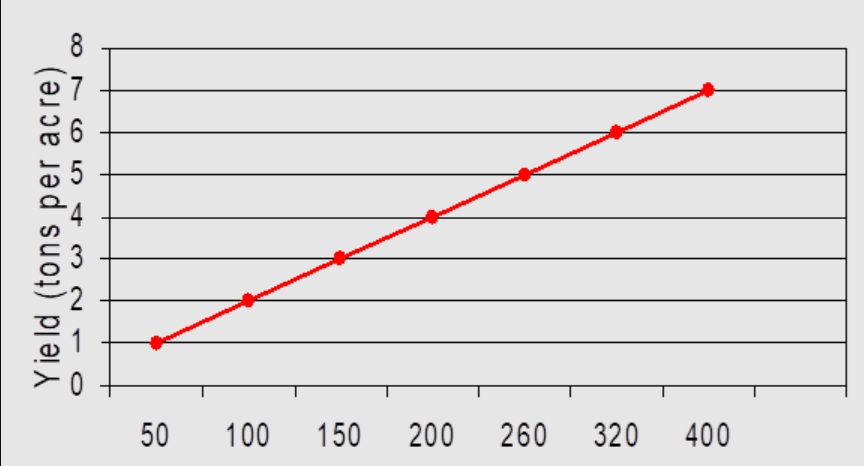 Figure 4. N fertilizer (pounds per acre)
This chart can be used to manage fertilizer inputs in order to meet target goals for production. With a recent spike in the cost of fertilizer, use the chart to budget and plan for your grazing or hay needs this summer. Timely application of fertilizer is critical to capitalize on the production potential of Bermudagrass pastures to achieve the production levels needed. Getting fertilizer applied ahead of spring rains and summer heat will increase the impact of Nitrogen fertilizer on Bermudagrass productivity.
Reference: Chapter 11, OSU Beef Cattle Manual. Seventh Edition. E-913. Oklahoma Cooperative Extension Service.
Making the Cut: Why Timing and Method Matter in Castrating Bull Calves
Paul Vining and Paul Beck, OSU Cooperative Extension Service
Castration remains one of the most important management practices in beef production, yet the timing and method continue to generate discussion among producers. Castration is a key component of calf preconditioning programs, which are designed to reduce stress, improve health, and enhance performance after calves leave the ranch of origin. Allowing adequate healing time following castration and other procedures is essential to realizing the benefits of preconditioning.
One consistent recommendation across research and veterinary guidance is to castrate calves as early in life as practical. Younger calves generally experience less stress, fewer complications, and recover more quickly than older, heavier animals. Early castration is also associated with reduced risk of sickness, less shrink, and improved overall health during the receiving and backgrounding phases. In addition, performing the procedure when calves are small typically requires less labor and reduces safety risks for both cattle and handlers. From both an animal welfare and management standpoint, earlier is better.
Bulls typically grow slightly faster and produce leaner carcasses than steers due to the effects of testosterone after the bull reaches puberty. However, those advantages come after the normal weaning time and with tradeoffs. Bull carcasses generally exhibit increased toughness, less marbling and are more likely to result in dark cutters. The quality advantages of steers drives market demand for steers and consistent premiums compared to bulls.
Recent data suggest steers commonly sell for $6 to $15 per hundredweight more than comparable bull calves. For a fresh weaned calf, that can be a difference of $50 to 100 per head or more, which quickly adds up across a calf crop.
Selecting the appropriate castration method depends largely on calf size, labor availability, and management preferences. Surgical castration is fast and reliable, but it creates an open wound and carries risk of bleeding or infection. Elastrator banding uses a small latex band for young light bull calves and other banding methods that use a larger robust bands for bigger calves are bloodless alternatives to surgery. These banding methods restrict blood flow but require careful technique to avoid incomplete castration and may increase the risk of tetanus if proper vaccination protocols are not followed.
Pain management is another consideration receiving increasing attention from both producers and consumers. Surgical castration causes more immediate, short-term pain, while banding results in less acute but longer-lasting discomfort. Veterinary-approved pain mitigation strategies, such as anti-inflammatory medications or local anesthetics, can help reduce stress and improve animal welfare when feasible.
Ultimately, there is no single “best” method for every operation. The most successful programs match the castration method to calf size, perform the procedure early in life whenever possible, and allow adequate recovery time before marketing. Done correctly, castration remains a foundational management practice that supports calf health, carcass quality, and long-term profitability in the beef industry.
Reference: P. Vining, P. Beck, and K. Raper. 2026. A beef cattle producer’s guide to castration methods. OSU fact sheet. AFS-3176.