

Cow-Calf Corner | February 2, 2026
Cattle Markets: Same Story, Next Chapter
Derrell S. Peel, Oklahoma State University Extension Livestock Marketing Specialist
The Cattle report released by USDA in late January does nothing to change the strong fundamentals driving cattle markets. Nearly all inventory categories were down year over year, including the all cattle and calves total, down 0.4 percent compared to last year. The 2025 calf crop was smaller than earlier projections at 32.9 million head, the smallest since 1941.
Of most significance, and slightly surprising, the beef cow herd decreased another 1.0 percent year over year as of January 1, 2026. The beef cow inventory now stands at 27.61 million head, the smallest since 1961. Since the cyclical peak in 2019, at 31.64 million, the beef cow herd has decreased 4.03 million, a total seven-year drop of 12.7 percent. The 2026 low extends the current cattle cycle to 12 years since the previous low in 2014. Although this is likely to be the cyclical low, it will not be confirmed until next year. The July cattle report may provide additional guidance.
The inventory of beef replacement heifers was up slightly, by 0.9 percent year over year. The is the first increase in beef replacement heifers in nine years, since the previous peak in 2017 (Figure 1). The tiny increase in beef replacement heifers is consistent with recent indications of a minor amount of heifer retention but is not enough to signal any beef cow herd growth. If anything, it indicates stabilization of the herd at current levels in anticipation of potential future growth.
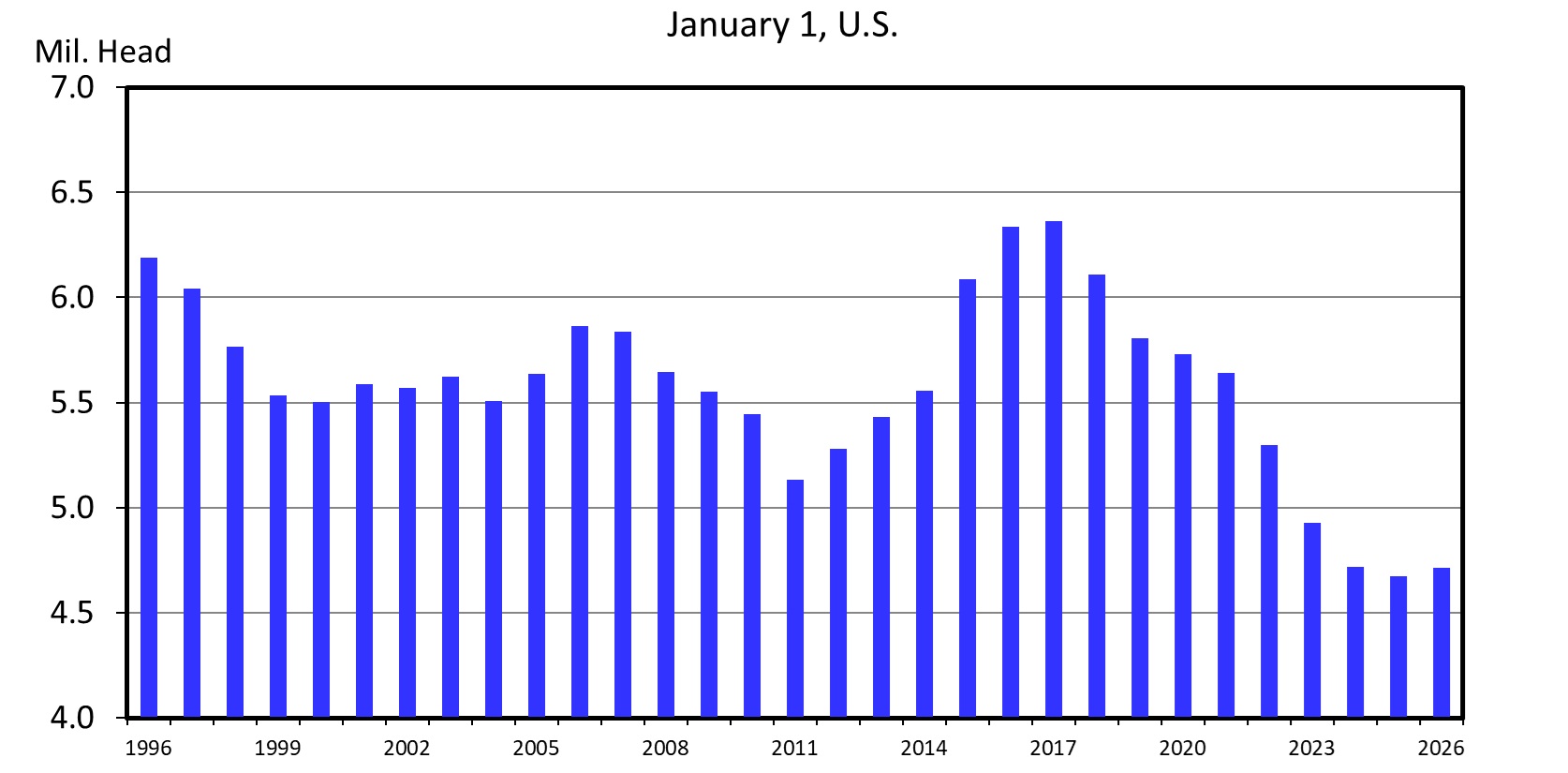
Figure 1. Heifers Held as Beef Cow Replacement
All categories of feeder cattle were down year over year including steers >500 pounds, down 0.6 percent; other heifers >500 pounds, down 1.5 percent; and calves <500 pounds, down 0.1 percent. However, total feedlot inventories were down 3.3 percent year over year. Thus, the calculated supply of feeder cattle outside of feedlots on January 1 was up 0.9 percent. This does not mean there are more feeder cattle in the country but simply that a few more of the smaller supply from last year has yet to be placed in feedlots.
Little, if any, beef cow herd growth is possible in 2026. It will depend on beef cow slaughter and herd culling. Beef cow slaughter decreased 40.5 percent in three years from 2022-2025, leading to a net culling rate of 8.4 percent in 2025. This low culling rate means that older cows will need to be culled going forward. Beef cow slaughter is expected to stabilize or perhaps increase some in 2026. That means that the slight increase in beef replacement heifers will be needed just to maintain the current herd or, at most, increase fractionally in 2026.
Once again, the industry is waiting for indications of significant beef heifer retention that would indicate potential beef herd growth. Tight cattle supplies will continue to support cattle prices, likely pushing prices higher. When increased heifer retention occurs, supplies will tighten further, pushing prices even higher. This, of course, is predicated on continued strong beef demand, which shows no sign of weakening at this point.
Derrell Peel, OSU Extension livestock marketing specialist, discusses how the recent bout of winter weather could influence cattle markets, including impacts on production costs, animal performance, and short-term price movement on SunUpTV from January 31, 2026 at Winter Weather and the Cattle Market Outlook| Livestock Marketing.
Preventing Cattle Theft
Mark Z. Johnson, Oklahoma State University Extension Beef Cattle Breeding Specialist
At a time of record high cattle value, management to prevent cattle theft has more value than ever as well. Preventing cattle theft involves consistent herd monitoring, secure fencing and proper identification of cattle. While some large scale thefts occur, it is often small operations (less than 50 head) which are targeted. Thieves, often suffering from drug and alcohol addiction, are motivated by the need to make fast money. In Oklahoma cattle theft is a serious felony with penalties of up to 10 years in prison per head, plus potential court-ordered restitution for up to three times the value of the cattle stolen.
Some Key Steps of Action to Prevent Theft Include:
- Branding: Branding is considered the most effective way to prevent and track stolen cattle. Although it is not legally required in Oklahoma, branding remains the primary deterrent. Unbranded cattle are virtually impossible to track once stolen.
- Secure Facilities: Lock gates, chain portable panels, and ensure corrals are not easily accessible from high-traffic highways. Avoid leaving cattle penned overnight, or for any longer than necessary.
- Frequent Audits: Count cattle regularly, especially if they are scattered across multiple locations.
- Staggered Routine: Alter your feeding times and routine enough that thieves can’t target your cattle during a time they know you will be gone.
- Record Keeping: Maintain detailed, written records of herd numbers and individual ID tags, with copies stored in a secure, separate location. Keep copies (electronic and hard copies) that can be shared with law enforcement after theft.
- Strategic Location: Avoid leaving cattle in pens near high-traffic roads.
If Cattle are Suspected to be Stolen, Take Immediate Action:
Contact your local county sheriff’s office. Furthermore, being proactive and reporting suspicious vehicles or activities to local law enforcement in advance of theft is an effective deterrent. Notify the Oklahoma Department of Agriculture (specifically the Animal Industry Services division), as they can notify auction markets to watch for the stolen animals. The Texas and Southwestern Cattle Raisers Association (TSCRA) employs "Special Rangers" who collaborate with Oklahoma law enforcement to investigate livestock crimes.
Be Vigilant for Grass Tetany This Spring
Paul Beck, Oklahoma State University Extension Beef Cattle Nutrition Specialist
Even though it came in the form of ice and snow, we finally got the moisture we need to grow our wheat and other cool season annual pastures. This year many of our wheat fields, normally occupied by growing stocker calves, have cows using them. Spring calving coincides with rapid growth of lush wheat pasture which is ideal for meeting the nutritional requirements of a lactating cow. While wheat pasture and other cool season annual forages easily meet the energy and protein needs of cow calf pairs, there are serious concerns about grass tetany, a metabolic disorder that can appear suddenly and be fatal if not prevented.
Grass tetany is associated with inadequate magnesium absorption in the GI tract caused by marginal to low forage magnesium concentration and high potassium concentration that results in mineral imbalances that interfere with magnesium absorption in the cow. Mature cows early in lactation are most susceptible because their magnesium requirement increases at calving through milk production. Older cows are at even greater risk because their ability to mobilize magnesium from bone is reduced.
Early symptoms of grass tetany include nervousness, unusual behavior, muscle twitching, an unsteady gait, and difficulty rising. As the condition progresses, cows may become excitable, develop labored breathing, go down, and die. Because stressed cattle worsen rapidly, care must be taken when handling affected animals.
Well-fertilized wheat pasture poses the greatest risk for grass tetany. For producers wanting to assess risk, forage mineral analysis can be used to calculate a tetany ratio based on the mineral analysis of grazed forages. The tetany ratio examines the quantity of potassium to the quantity of magnesium and calcium, and ratios greater than 2.2 are likely to result in grass tetany. There is generally a one week lag time in getting analysis results, so it may be of limited value or too late to be effective, so magnesium supplementation should not be optional.
Prevention is far more effective than treatment. The most common and reliable approach is to provide supplemental magnesium beginning at least one month prior to turning cows onto wheat pasture and continuing through the high-risk period. “High-mag” mineral supplements containing 10 to 12% magnesium, usually supplied as magnesium oxide, are widely used. At an intake of 3 to 4 ounces per day, these minerals typically provide 40 to 50% of a cow’s daily magnesium requirement. Because magnesium oxide is unpalatable, intake should be monitored closely.
Wheat pasture can be an excellent resource for spring-calving cows, but mineral nutrition should be managed carefully. When it comes to grass tetany, vigilance and prevention are the keys.
Paul Beck, OSU Extension beef cattle breeding specialist, explains why drought increases the risk of grass tetany and what cattle producers should be watching for in their herds on SunUpTV from January 24, 2026, Drought Is Expanding—Is Grass Tetany a Risk for Your Cattle?