

Cow-Calf Corner | May 12, 2025
Mexican Border Closes Again
Derrell S. Peel, Oklahoma State University Extension Livestock Marketing Specialist
Continued detection of New World Screwworm (NWS) in southern Mexico, farther north than initially, has prompted USDA-APHIS to again close the U.S. border to imports of livestock. The border closed initially last November and reopened in early February after additional protocols and inspections were implemented. Thus far in 2025, a total of 197,844 head of feeder cattle have been imported since the border reopened, down 60 percent year over year for the year-to-date. In 2024, a total of 1.25 million head of feeder cattle were imported, with none in the last five weeks of the year.
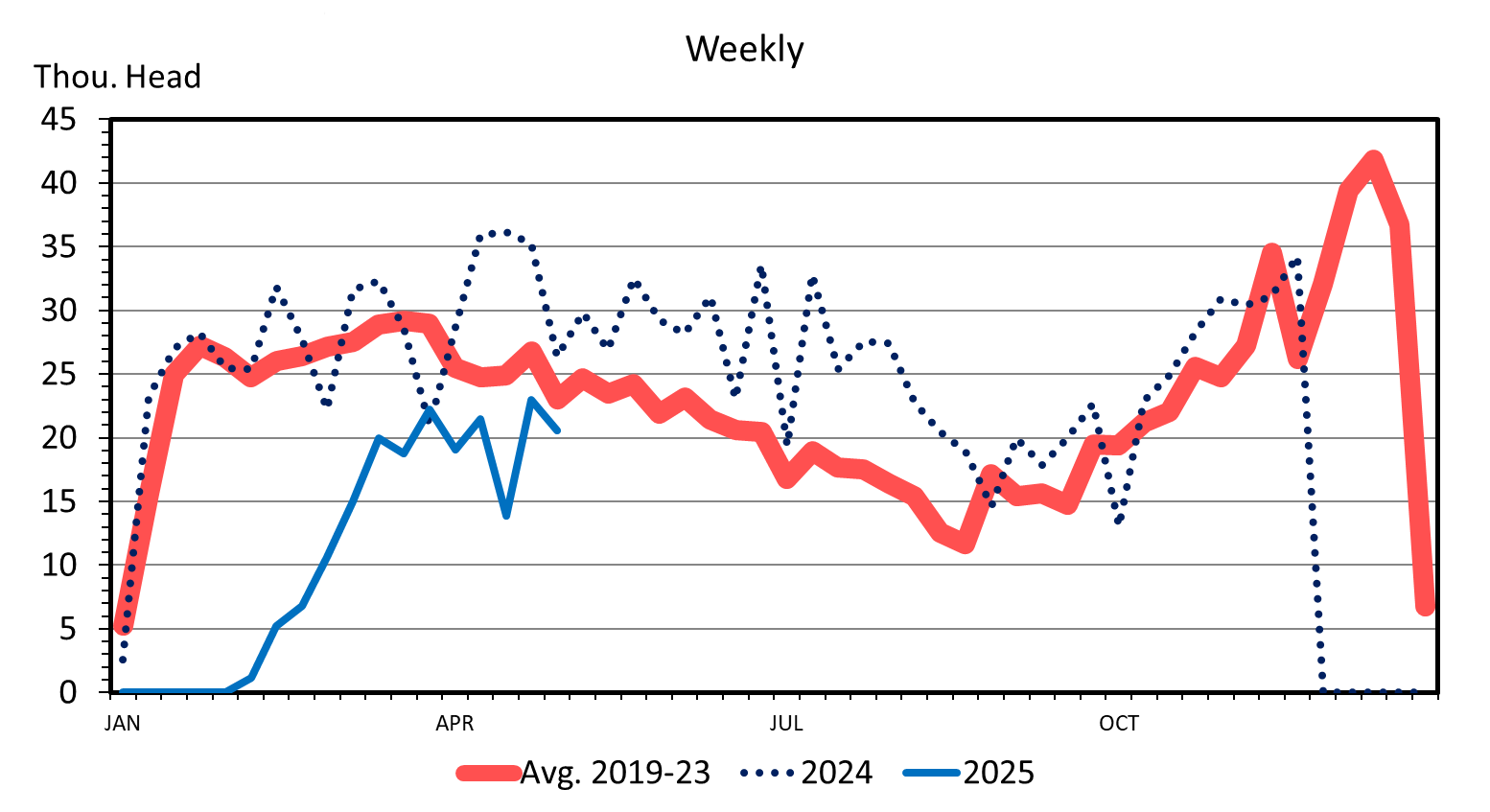
Figure 1. Feeder Cattle Imports from Mexico
USDA-APHIS and Mexican officials will continue to cooperate in monitoring and detection of NWS and in the release of sterile NWS flies, the primary means of controlling the spread of the pest. NWS was eradicated in the U.S. in 1966 and, in cooperation with Mexico, the sterile fly program established a boundary at the southern Mexico border, later extended south to Panama. However, over the past two years, NWS has moved north through Central America and again into southern Mexico. The U.S. and Mexico have been working to amp up the sterile fly program since November. Disease metrics will be evaluated regularly, and the border closure will remain in place until progress is made in containing and controlling NWS in Mexico.
Mexico continues to struggle with challenges in addition to NWS, most notably severe drought in the northwest part of the country, especially in the states of Sonora, Chihuahua, Sinalina, Durango and Coahuila, with marginal drought extending farther south into Zacatecas and the Bajio (Figure 2). In 2024, nearly 38 percent of feeder cattle imports were spayed heifers, an unusually high heifer percentage that was attributed to drought liquidation. Since the border opened in February, 35 percent of feeder cattle imports have been heifers. Most of these heifers were likely spayed last fall in anticipation of exporting but were unable to because of the border closure from November to February. Any remaining backlogged heifers that were spayed prior to November will not be able to cross now before the six-month clock expires for export of those spayed heifers. Drought liquidation is likely continuing in Mexico.
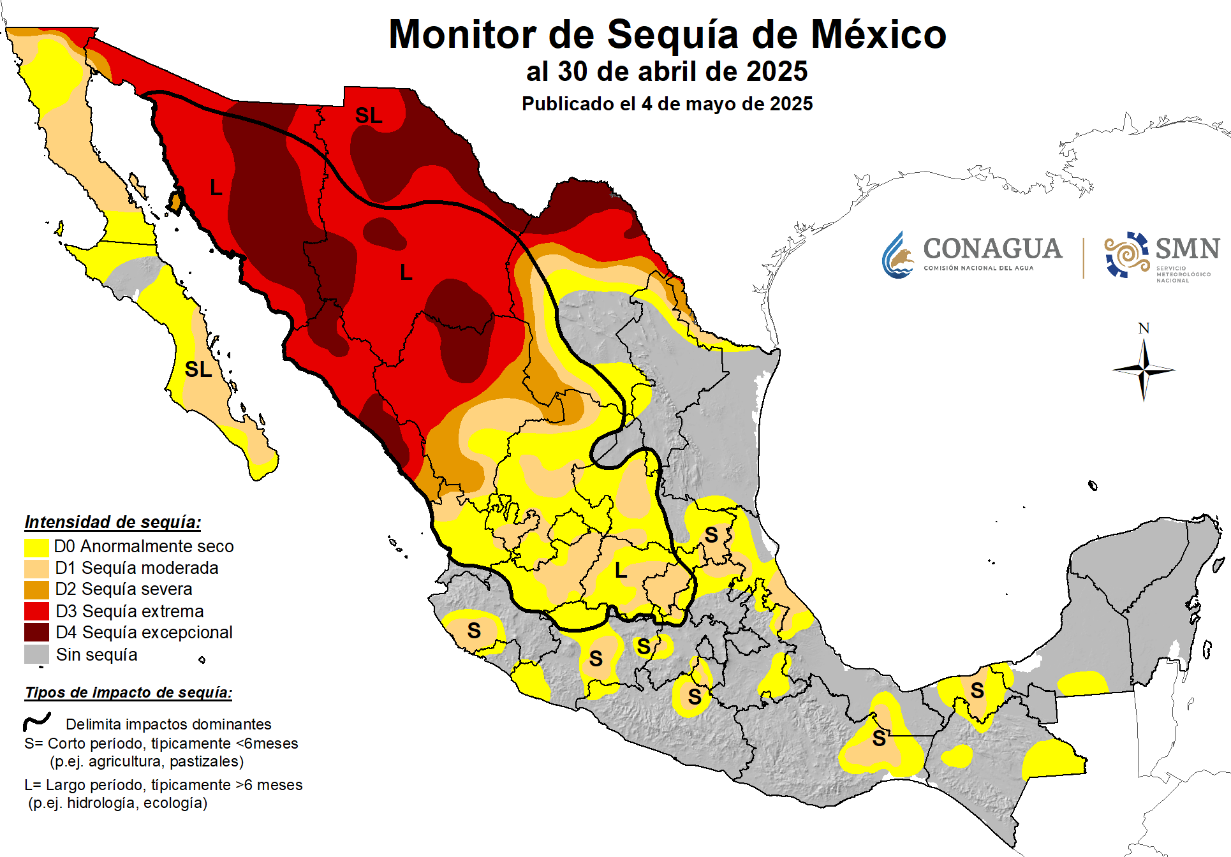
Figure 2. Mexico Drought Monitor, April 30, 2025
Chihuahua Rainfall
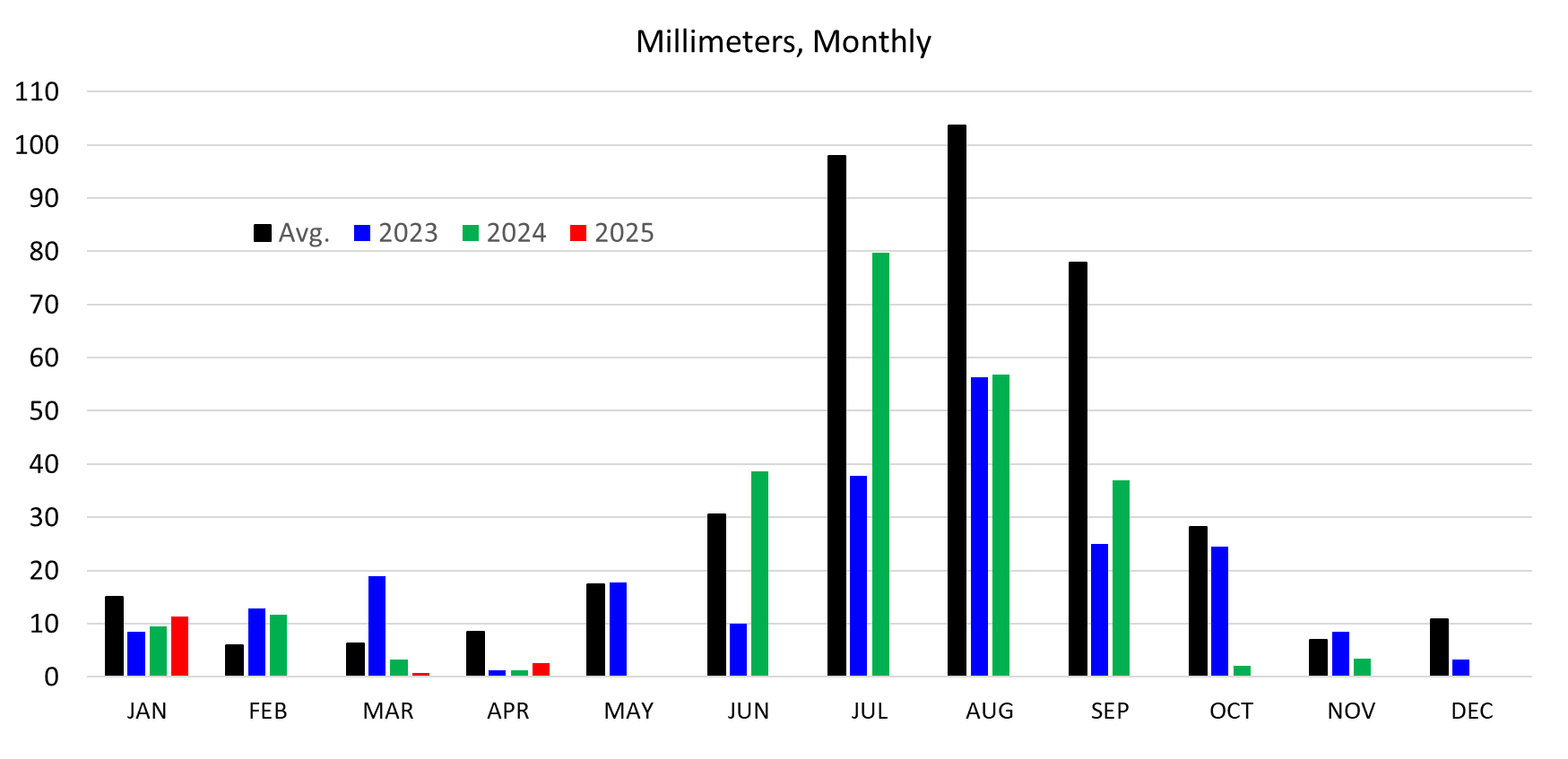
Figure 3. shows that rainfall in Chihuahua, for example, has been well below average since 2023. Chihuahua has received just 0.58 inches of rain in the first four months of 2025 and a total of 10.2 inches since January of 2024. Cattle producers are holding on until the typical rainy season begins in late June, hoping that this year returns to normal.
May is National Beef Month
Mark Z. Johnson, Oklahoma State University Extension Beef Cattle Breeding Specialist
May is National Beef Month. It is a month long celebration to recognize the importance of the beef industry and honor the hard-working farmers and ranchers who raise cattle. This is a time to appreciate beef as part of our diet and an opportunity to highlight the nutritional benefits and versatility of beef, as well as its role in American meals and cultural celebrations. Beef month aims to encourage consumers to purchase and enjoy beef, and support those who produce it.
In 2025, this annual event takes place at a time when there is much to celebrate in our industry. For example:
- Over the past month, ample rainfall over the majority Oklahoma has greened up pastures eased drought concerns.
- Price increases in the fed cattle market as wholesalers and retailers have been preparing for the spike in consumer beef buying associated with warmer weather and holiday grilling demand. Looking ahead, supplies of fed cattle are expected to remain limited with only a modest increase in harvest pace. A higher fed market is expected as spring demand and grilling season will be in full swing.
- Consumers continue to demand quality and the industry is responding with the supply. The latest data shows Quality Grade Prime carcasses comprised 12% of the harvest mix of fed steers and heifers over the past four week. This adds to the historic stretch of seven straight weeks in which the percentage of Prime carcasses is greater than the percentage of Select.
- The latest USDA on Feed report showed that as of April 1st, heifers made up 37.6% of on-feed inventories, the lowest rate since April 2020. With the last three years averaging 39.3 heifers on feed, this can be interpreted as a preliminary signal that mild levels of heifer retention are starting to occur.
Foot Rot in Grazing Cattle on Wet Pastures
Marty New, OSU Cooperative Extension Service SW Area Livestock Specialist
The rainfall received across the state the last few weeks was very much needed in many parts to provide extreme drought relief. However, with the large amounts received many pastures are muddy, soggy, and standing in water. These conditions can increase the likelihood of “foot rot” in grazing cattle. Mechanical injury, cuts, bruises, puncture wounds or severe abrasions of the foot will damage the skin in the interdigital (between the toes) area and predispose an animal to infectious agents. Fusobacterium necrophorum is the bacterium most often isolated from infected feet.
Lameness is usually the first sign of an infected animal, varying from hardly noticeable to severe. Lameness is typically followed by reddening of the interdigital tissue and swelling of the foot, causing spreading of the toes. One or more feet may be affected simultaneously. Spreading of the dewclaws due to swelling is a classic sign of foot rot.
Treatment of foot rot is usually successful particularly when diagnosed early. The interdigital tissue should be cleaned and disinfected. Most cases respond readily to systemic antimicrobial therapy, administered the first days of diagnosis. If treatment is not initiated until later in the process, multiple treatments may be necessary. Visit with your veterinarian to determine the best antibiotic treatment for your cattle that have become infected with foot rot.
Prevention and control of foot rot begins with management of the environment. Management practices that help reduce interdigital trauma will help decrease the incidence of foot rot. Important preventative measures include a well-balanced mineral nutrition program and minimized exposure to conditions that can cause skin or hoof injury.
Reference
OSU Fact Sheet AFS-3355. Cause, Prevention, and Treatment of Foot Rot in Cattle.
Managing Mixed Forage Pastures
Mike Trammel, OSU Cooperative Extension SE District Forage Specialist
As pasture stands mature, especially monocultures, they tend to become a complex mixture of plants or polyculture of plants that have become adapted to a specific area and management style. These polycultures may contain a mixture of grasses and legumes. Some producers may look to re-establish these pastures and maintain a pure stand. Others may work to optimize the management of these mixtures to better fit their existing operation. Listed below are a few ways these mixed forage resources can be managed to better meet operational needs.
Liming
In a mixed pasture stands, adding lime to a soil with a low pH would tend to encourage any existing clover. If lime is not applied, acid tolerant species tend to be present in greater quantities. Lime also makes other nutrients in the soil more available to the plant. If pastures need lime as indicated by a soil test, then lime should be the first thing applied.
Soil Fertility
Improved grasses and legumes need good soil fertility to persist and be productive. If soil fertility is low, it will favor species that are more efficient at extracting and using nutrients from the soil. Application rate and timing of nitrogen can also be used to shift the species composition of pastures. Nitrogen fertilization will tend to encourage grass growth shifting the composition toward grasses and away from legumes. Early spring and late summer applications will encourage cool-season grass growth. In contrast, late spring and summer applications will shift the mixed pasture stands toward crabgrass and bermudagrass.
Grazing Management and Forage Plant Growth
After grazing or cutting, plants need energy to regrow. In grasses this energy comes from two places. The first is the leaf area remaining after defoliation. The remaining leaf area is like a solar panel that captures sunlight and converts it into energy (sugars and carbohydrates) that the plant can use for regrowth. The more leaf area that is left, the larger the solar panel and the faster pastures will recover. The second place that energy comes from for regrowth is stored carbohydrates. The location of these stored energy reserves depends on the plant species. Grasses that store their energy in the stem base or crown are less tolerant to close and frequent grazing compared to grasses that store their energy in stolons and rhizomes that are safely below the grazing height of livestock. Resting pastures allows the leaf area to regrow and carbohydrate reserves to be restored.
Grazing Height
In mixed pasture stands, close grazing will tend to favor grass and legume species that have leaf area and energy stores close to the soil surface. Close grazing results in a shift toward low growing species such as bermudagrass, bluegrasses, and white clover. A higher grazing height would tend to shift the pasture mix back toward tall growing cool-season grass species such as tall fescue and orchardgrass.
Grazing Frequency
Some species are more tolerant of frequent grazing. These species tend to have leaf area close to the soil surface that is maintained even under close grazing such as bermudagrass and white clover. This means that grazing mixed pastures closely and frequently will tend to shift the botanical composition toward these species.
Timing of Grazing
Grazing a mixture that includes both cool- and warm-season species during the summer months will tend to shift the botanical composition toward the warm-season species, especially during and after droughts.
Using Improved Varieties
These varieties may offer considerable benefits in terms of improved yield, animal performance, and persistence.