

Cow-Calf Corner | June 30, 2025
Temperatures, Fireworks and Hamburger Prices are Hot for Independence Day
Derrell S. Peel, Oklahoma State University Extension Livestock Marketing Specialist
Coming into the July 4 holiday, wholesale ground beef prices pushed to new record levels. Prices for 90 percent lean trimmings, which are the backbone of ground beef markets, have increased continually the past three years (Figure 1). Decreased cow slaughter, down 5.8 percent year over year in 2023 and another 15.4 percent decrease in 2024, has been followed by a further 11.9 percent year over year decline in the first 23 weeks of 2025. This has resulted in a more than 18 percent drop in nonfed beef production from the cyclical peak in 2022 to 2024 and an additional decrease of 8.9 percent thus far in 2025. The 90 percent lean trimmings price the last week of June was $401.45 cwt., a record high and the first time 90s prices have exceeded $400/cwt.
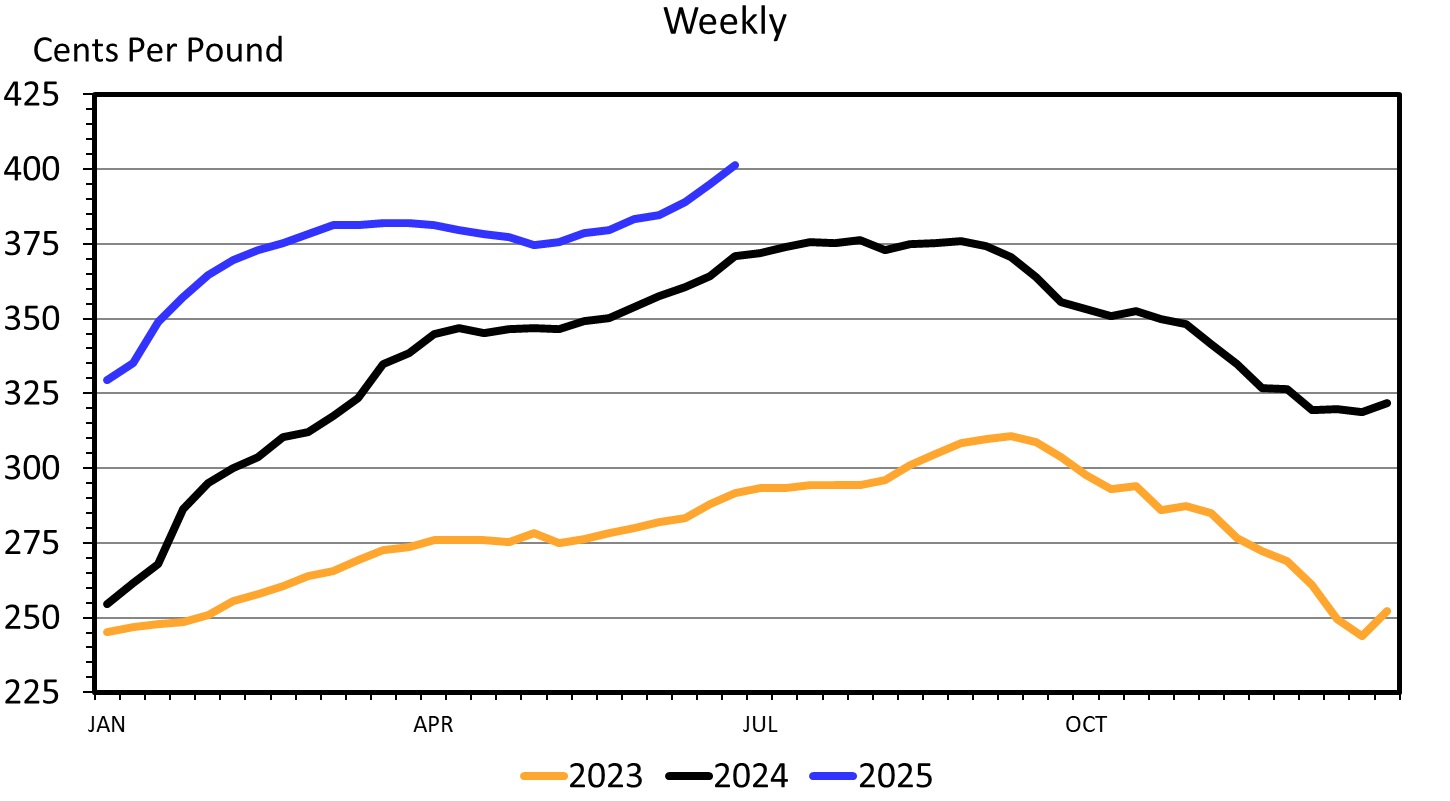
Figure 1. Wholesale Beef Fresh 90 Percent Lean
Typical ground beef formulations use various combinations of lean and fatty trimmings to achieve desired ratios of lean:fat in hamburger. Not only have 90 percent trimmings continued to increase in price, but 50 percent trimmings have also jumped sharply in recent weeks due to declining fed beef production (Figure 2). In the second quarter, fed steer and heifer slaughter decreased 6.0 percent year over year based on eleven weeks of data since the first of April. This has led to a 3.9 percent year-over-year decrease in fed beef production since April, with reduced supplies of 50 percent lean trimmings. By the last week of June, the price of 50 percent trimmings jumped to $236.03/cwt., the highest price ever except for two weeks during packing plant reductions during the pandemic in May of 2020. Fed beef production dropped just 1.6 percent from the all-time high in 2022 to 2024 but the recent decrease in fed beef production is expected to continue through 2025 and 2026 at least.
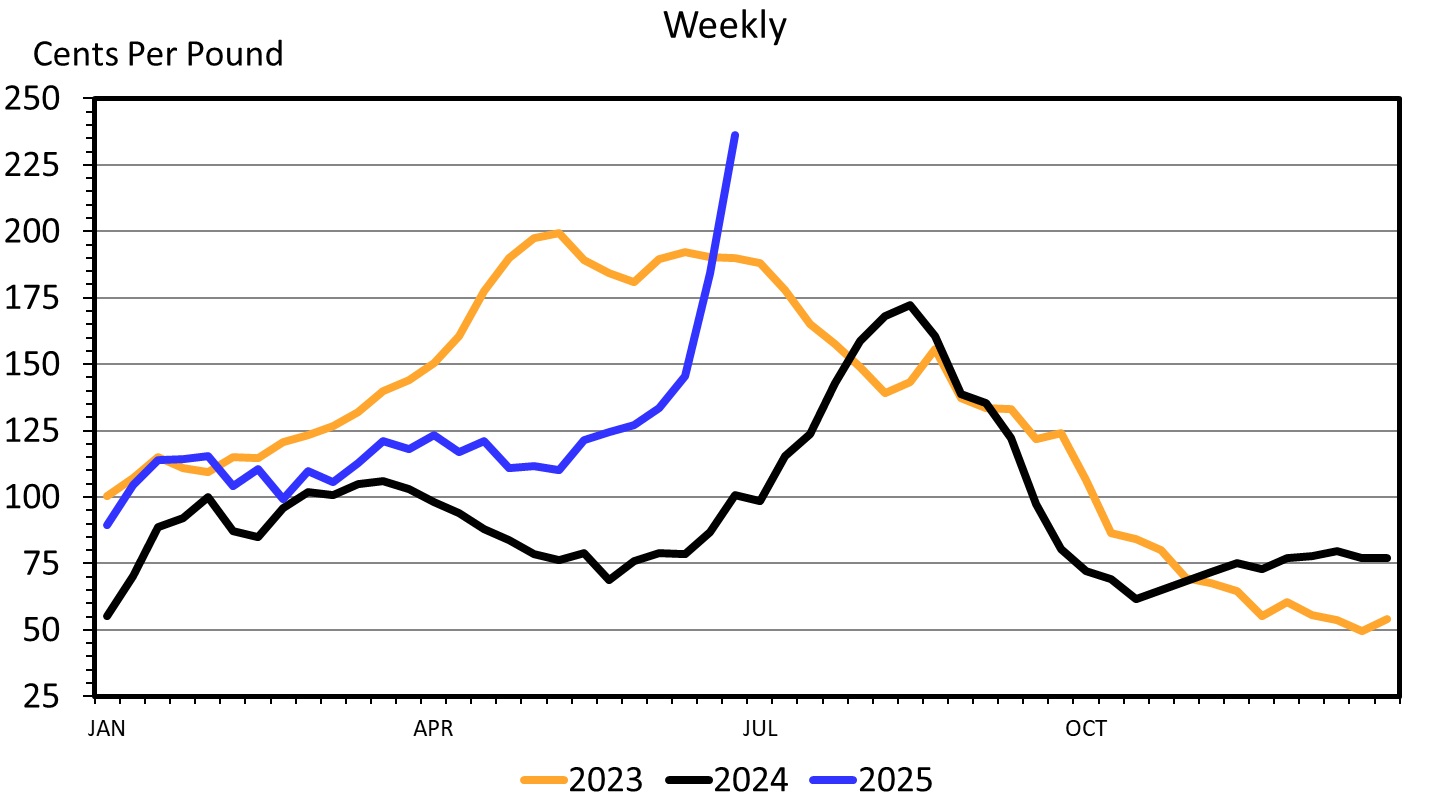
Figure 2. Wholesale Beef Fresh 50 Percent Lean
A mix of 90 percent and 50 percent trimmings in a 7:1 ratio produces an 85 percent ground beef product. Using the end of June prices for 90s and 50s reported above results in a price of $380.77/cwt. for a wholesale 85 percent lean combination, an all-time record high price.
Wholesale ground beef prices have continued to push higher despite increased imports of processing beef, which moderate declining domestic nonfed beef supplies. Ground beef prices will remain high for the foreseeable future as cull cow numbers will remain tight while the cattle industry transitions to herd rebuilding.
Derrell Peel, OSU Extension livestock marketing specialist, says tight supplies and high consumer demand are driving the market with continued higher prices on SunUpTV from June 28, 2025 at Livestock Marketing - June 28, 2025 (Youtube)
Independence Day and Beef
Mark Z. Johnson, Oklahoma State University Extension Beef Cattle Breeding Specialist
Our nation’s Independence Day, also known as the Fourth of July, is genuinely unique to the U.S. It is a day which commemorates the ratification of the Declaration of Independence by the Second Continental Congress on July 4, 1776, establishing the United States of America. It is a federal holiday featuring celebrations with fireworks, family reunions, concerts, barbecues and baseball games. For those of us fortunate enough to be in production agriculture, the holiday also frequently involves wheat harvest, hay baling, Junior National cattle shows and grilling beef. With Independence Day falling on a Friday in 2025, this three day weekend provides additional grilling opportunities to enjoy beef.
Beef is the ideal dietary protein to enjoy when celebrating the Fourth of July. Why? The U.S. beef industry excels in the efficient, sustainable production of high quality beef. The process by which cattle upgrade plants means they are adding nutrients to the human food supply that would not exist without cattle. And beef is nutritionally unparalleled. Beef is rich in nutrients while relatively low in calories. Beef is highly digestible and gives your body the nutrients it needs with great taste and eating satisfaction.
The essential nutrients provided by beef include:
- Iron, which helps your body use oxygen.
- Choline, which supports nervous system development.
- Protein, which helps preserve and build muscle.
- Vitamins B6 and B12 help maintain brain function and give you energy.
- Phosphorus, which helps build strong bones and teeth.
- Zinc, which helps maintain a healthy immune system.
- Niacin, which supports energy production and metabolism.
- Riboflavin, which helps convert food into fuel.
- Selenium, which helps protect cells from damage
A three ounce serving of cooked beef provides only 175 calories but provides 100% of your daily vitamin B12, as well as approximately half your daily needs of Zinc, Protein and Selenium.
Beef is a nutritional powerhouse.
Happy Independence Day!
Making the Most of Damaged Wheat: Feeding Low Bushel Weight and Sprouted Wheat to Beef Cattle
Paul Beck, Oklahoma State University Cooperative Extension Beef Cattle Nutrition Specialist
This year’s weather has delayed harvest and left many wheat growers with fields of low test weight and sprouted grain. This damage causes large discounts at the elevator because the grain does not meet standards for milling or export. Wheat that does not meet market specs still have value as livestock feed either as part of supplements for grazing cattle or in mixed diets to growing and finishing cattle.
Hard red winter wheat, the most common type grown in the Southern Plains, is discounted when test weight is below 60 lb/bushel and discounts increase as bushel weight decrease. Sprouted wheat, premature germination in the head caused by harvest delays when there is rain or high humidity at harvest, is discounted even further. While these defects lower grain value for human consumption, they don’t automatically reduce feed value—especially for ruminants.
Feeding Value and Nutritional Considerations
Despite its poor appearance, low test weight or sprouted wheat retains much of its energy and protein content as animal feed. In fact, the nutrient composition often compares well to regular wheat:
- Crude Protein: Often 12–14%, depending on variety and growing conditions.
- Total Digestible Nutrients (TDN): Generally 80–85%, making it a high-energy feed.
- Sprouting Effect: Enzymatic changes during sprouting may actually increase starch digestibility, though spoilage is a concern if storage is poor.
The main challenge is balancing the ration correctly. Wheat is high in starch and low in fiber, so overfeeding can lead to digestive upsets like acidosis or founder making feeding management a key consideration.
Tips for Feeding Damaged Wheat Safely
- Limit Inclusion: Start with low levels and increase gradually.
Supplementing grazing cattle: limit feeding to 0.3 to 0.5% of bodyweight per feeding or as only ½ of less of a supplement fed at a higher rate. No more than 2 to 3 pounds per day for a growing calf or 4 to 6 pounds for a mature beef cow. Increase feeding frequency when feeding wheat, doubling the feeding rate and feeding every other day is not recommended.
Growing and finishing cattle on mixed rations: wheat can replace part of the corn. We recommend no more than 1/3 of the total ration or ½ of the grain in the concentrate portion of the ration. Feeding management becomes more important when feeding highly digestible grains like wheat.
- Process with Care: Processing increases digestibility of wheat by 20 to 30%. Coarsely rolling wheat improves digestibility but avoid fine grinding. When processing is too fine the starch in wheat is digested too fast in the rumen and increases the risk of ruminal acidosis.
- Balance the Ration: Wheat should be fed with adequate roughage (hay, silage, or straw) to maintain rumen health. Avoid low-roughage low-fiber diets.
- Monitor Intakes Closely: Watch for signs of overeating, scours, or bloating when feeding sprouted or damaged wheat.
Other Considerations
Storage is Key: Keep wheat dry and cool. Sprouted grain with higher moisture is especially vulnerable to spoilage.
Test for Mycotoxins or Mold: Sprouted wheat may be more prone to spoilage. If stored improperly, mold and toxins (like vomitoxin or aflatoxin) can develop. Always test suspect lots before feeding.
Feeding downgraded wheat can be a benefit for cattle producers to gain access to a high-energy feed at a discount — provided it’s done safely and with proper nutrition support. Before incorporating low-quality wheat into your feeding program, consult with a livestock nutritionist or Extension specialist to balance the ration and ensure safety with careful management.
Resource: David Lalman and Greg Highfill. Feeding High Quality, Low Test Weight and Sprouted Wheat. AFS-3029. Feeding High Quality, Low Test Weight and Sprouted Wheat
Got Foot Rot?
Rosslyn Biggs, DVM, Oklahoma State University Cooperative Extension Service Beef Cattle Extension Specialist
Foot rot is a common disease affecting cattle. The primary agent responsible for foot rot is Fusobacterium necrophorum, a common bacterium of healthy skin. However, it requires an opportunity to invade deeper tissues such as injury or wet skin. This bacterium often acts in conjunction with other bacteria.
Environmental factors play a significant role in the transmission. Moisture, nutrient deficiencies, and injuries from walking on abrasive surfaces can compromise skin integrity, facilitating bacterial invasion. Standing in pens or lots heavily contaminated with mud, feces, and urine softens the skin, increases risk. High temperatures and humidity can also cause the skin to become more fragile, making it more susceptible to infection.
Foot rot can affect cattle of all ages, with increased incidences during or following wet, humid conditions. The first signs include sudden onset of lameness, swelling and redness of the tissue between the claws, and ulcerative type lesions in the interdigital space. The tissue is often necrotic with a characteristic foul odor. Swelling is typically evenly distributed around both digits and the hairline of the hoof, leading to separation of the claws. Affected animals are extremely painful in the affected foot and may also exhibit a loss of appetite.
Diagnosis starts with a thorough examination of the foot. It is important to differentiate foot rot from other conditions causing lameness. Swelling attributable to foot rot involves both claws, whereas other conditions often involve only one. Joint infections, sole abscesses, and sole ulcers may be mistaken for foot rot.
Treatment begins with cleaning and examining the foot. Antibiotics are the primary treatment. Non-steroidal anti-inflammatory products should be utilized for pain relief. Veterinary consultation is necessary in situations where the animal does not respond quickly to the initial treatment as foot rot is likely not the cause of the animal’s lameness. In cases where deeper foot structures are damaged, more aggressive therapy may be necessary.
Foot rot prevention focuses on maintaining interdigital skin health. This includes providing a well-balanced mineral program and minimizing environmental conditions that may cause skin or hoof injury. Preventing cattle from standing in wet, manure-infested areas is crucial. Footbaths may be helpful for animal in confinement. A foot rot vaccine is available that may aid in prevention, but producers should consult their local veterinarian to determine the best options.