

Cow-Calf Corner | April 21, 2025
Fewer Cattle - and Heifers - on Feed
Derrell S. Peel, Oklahoma State University Extension Livestock Marketing Specialist
The latest USDA Cattle on Feed report pegs feedlot inventories on April 1 at 11.638 million head, down 1.6 percent year over year. The twelve-month moving average of feedlot inventories is 11.586 million head, the lowest average level since November 2023. March feedlot marketing were 1.725 million head, up 1.1 percent year over year. Marketing in the first quarter of the year are down 2.2 percent compared to one year ago. Placements in March were up 5.1 percent from one year ago but are down 4.0 percent year over year in the first three months of 2025.
In the current cattle cycle, feedlot inventories peaked in 2022. The April 1 feedlot inventory was down 4.6 percent compared to April 1, 2022. The top six cattle feeding states in April 2022 (Texas, Nebraska, Kansas, Colorado, Iowa, and California) accounted for 85.6 percent of the total feedlot inventory. Those same top six states currently account for 84.1 percent of the total feedlot inventory. Since April 2022, feedlot inventory in Texas has decreased by 9.5 percent; Nebraska, down 2.3 percent; Kansas, down 6.8 percent; Colorado, down 9.1 percent; and California, down 11.5 percent. Among the top six states, only Iowa currently has a larger feedlot inventory, up 4.6 percent since April 2022.
The April report also contained the quarterly inventory of steers and heifers on feed. Heifers on feed was 4.38 million head, down 3.9 percent from a year ago and down 4.3 percent from January. Heifers on feed are currently at 4.38 million head, 37.6 percent of the total on-feed inventory, the lowest quarterly total since July of 2021 and the lowest percentage since April 2020. The heifer percentage has averaged over 39 percent for the past 16 quarters. This may be the first solid evidence that some heifer retention is beginning. It is not definitive nor very strong yet – the current heifer on-feed percentage is still fractionally above the long-term average percentage (the red line in Figure 1). During herd expansion the heifer percentage is expected to drop below 35 percent for several quarters. The next quarterly update in July may confirm the declining heifer on-feed percentage and heifer retention if the percentage drops below 37 percent.
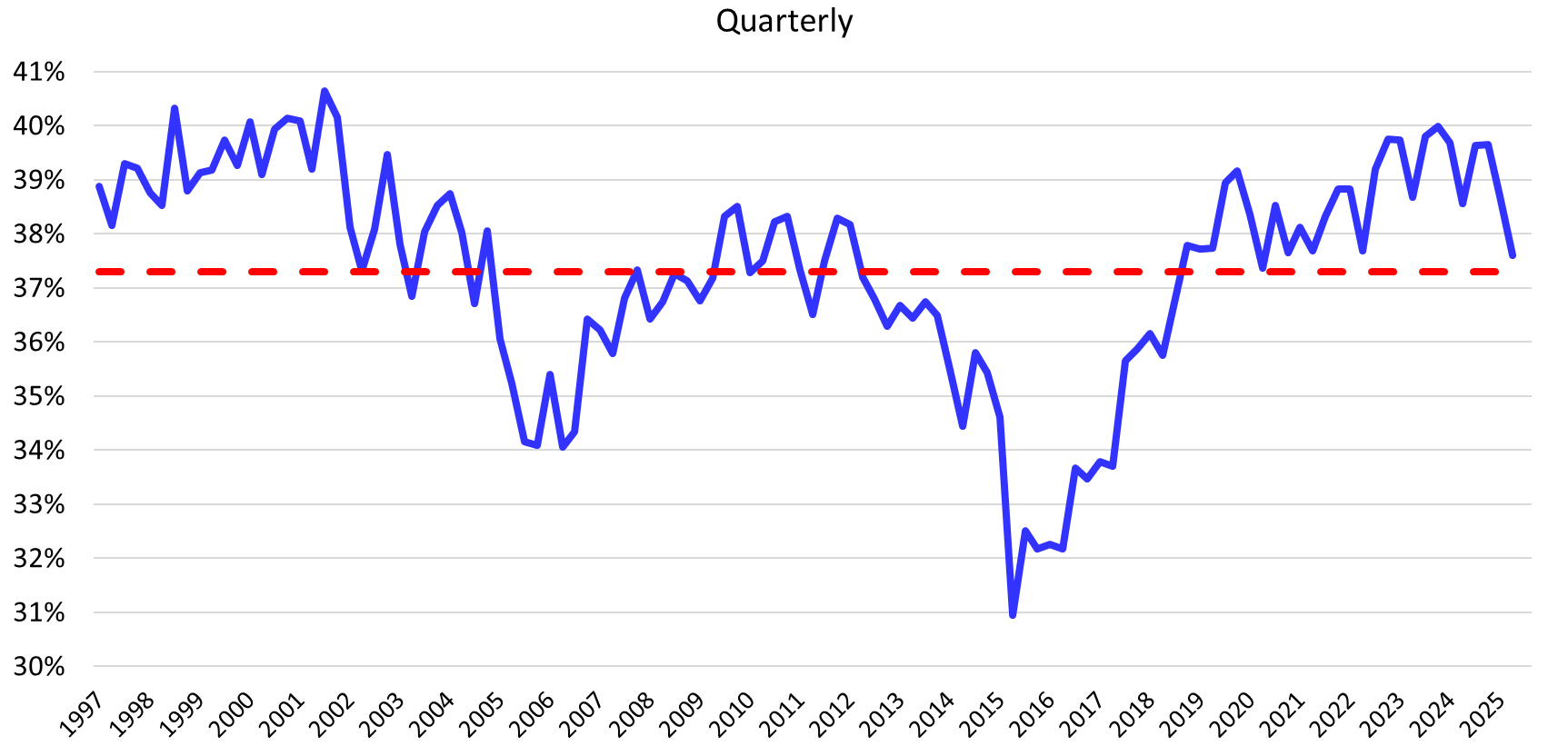
Figure 1. Heifers as Percent of Total Cattle on Feed
Derrell Peel, OSU Extension livestock marketing specialist, discusses how tariffs are creating uncertainty but the fundamentals of the cattle markets remain the same. on SunUpTV from April 22, 2025.
Can We Get Calving Ease Without Sacrificing Performance?
Mark Z. Johnson, Oklahoma State University Extension Beef Cattle Breeding Specialist
Sire selection, natural service or AI is critical. Over time, 90% of genetic change is the result of sire selection. Your bull (or bulls) contribute more to the genetic makeup of your herd in a calving season than a cow does in her lifetime. Effective sire selection should be based on genetic values in the form of EPDs. Selection on EPDs is 7 – 9 times more effective than selection based on individual performance data, within herd ratios or performance testing because all this information (plus more) is taken into consideration in calculating EPDs. Selecting genetically superior sires is the fastest approach to herd improvement and bottom-line profitability when you select genetic superiority that matches your management, production and marketing system.
If you are identifying bulls to breed heifers this spring and calving ease is a priority, current sexing technology can work to your advantage. Research shows that heifer calves are, on average, approximately five pounds lighter than bull calves at birth. The lighter birth weights will equate to less likelihood of dystocia. If sexed heifer semen is your preferred path to calving ease, expect to pay a little more (approximately $20/straw) per unit than typical of conventional semen. As well, timing of AI should also be delayed by six to 12 hours if using sexed semen.
Charting the genetic trend of beef breeds indicates purebred cattle breeders have been very successful over the past 30 years of applying selection pressure to maintain calving ease while improving the additive genetic merit for weaning and yearling weight performance. What we commonly refer to as “curve benders” are easier to find than ever, especially when sorting through bull stud offerings of potential AI sires.
So to answer the questions in the title, yes it is possible. With ample calving ease sires available in the current marketplace, you should still be able to identify sires that give you the growth, carcass merit or levels of maternal performance you seek to improve your operation’s bottom line.
Mark Johnson, OSU Extension beef cattle breeding specialist, discusses the changes occurring in the cattle industry on SunUpTV from April 19, 2025.
Impacts of Nutrition during Finishing on Beef Quality
Paul Beck, Oklahoma State University Cooperative Extension Service Beef Cattle Nutrition Specialist
The last few weeks we have discussed factors that impact meat quality from prefinishing segments of beef production in today we will discuss the impact of nutrition during finishing in the feedlot on beef quality. Grain-finishing in confinement remains the predominant finishing system in North America due to land-use and management efficiency and consistency of beef supply. Grain finishing in confined feedyards requires less area to finish calves and it takes less time to get calves ready to harvest in feedyards than forage finishing systems common in other areas of the world.
Grain type and processing methods affect where and how starch is digested - altering available energy and impacting marbling. Wheat and barley have the fastest and most complete starch digestion in the rumen, processed corn and milo are somewhat slower in ruminal starch digestion, while whole unprocessed grains have the lowest starch digestion in the rumen. Processing increases grain digestion in the rumen which influences ruminal starch digestion, there are indications that shifting starch digestion in cattle from the rumen to the small intestine can increase marbling but also decreases performance and feed efficiency. For instance, rolled corn increases glucose availability in the small intestine, supporting intramuscular fat development, while steam-flaked corn increases ruminal fermentation and feed efficiency but is thought to reduce marbling.
Grain milling co-products, such as distillers’ grains, have become common in finishing diets. Inclusion rates matter: moderate levels (15–33%) can improve marbling, but excessive inclusion (>40%) may negatively affect tenderness, shelf life, and quality grade due to higher protein and fat content. In contrast, corn gluten feed, a byproduct of the artificial sweetener industry, does not appear to reduce marbling or carcass quality due to its lower fat and protein content.
Ultimately, meat quality is shaped by the series of management decisions starting before conception and continuing through finishing. By understanding how each production phase—from genetics and gestation to diet and feed processing—affects the end product, producers can better align their management strategies with production of high quality beef for our consumers.
Reference
Beck, P.A., Beck, M.R., Apple, J.K., 2024. Production systems and nutrition. In: Encyclopedia of Meat Sciences III, vol. 1. ISBN: 9780323851251