

Calming Those New-School-Year Jitters
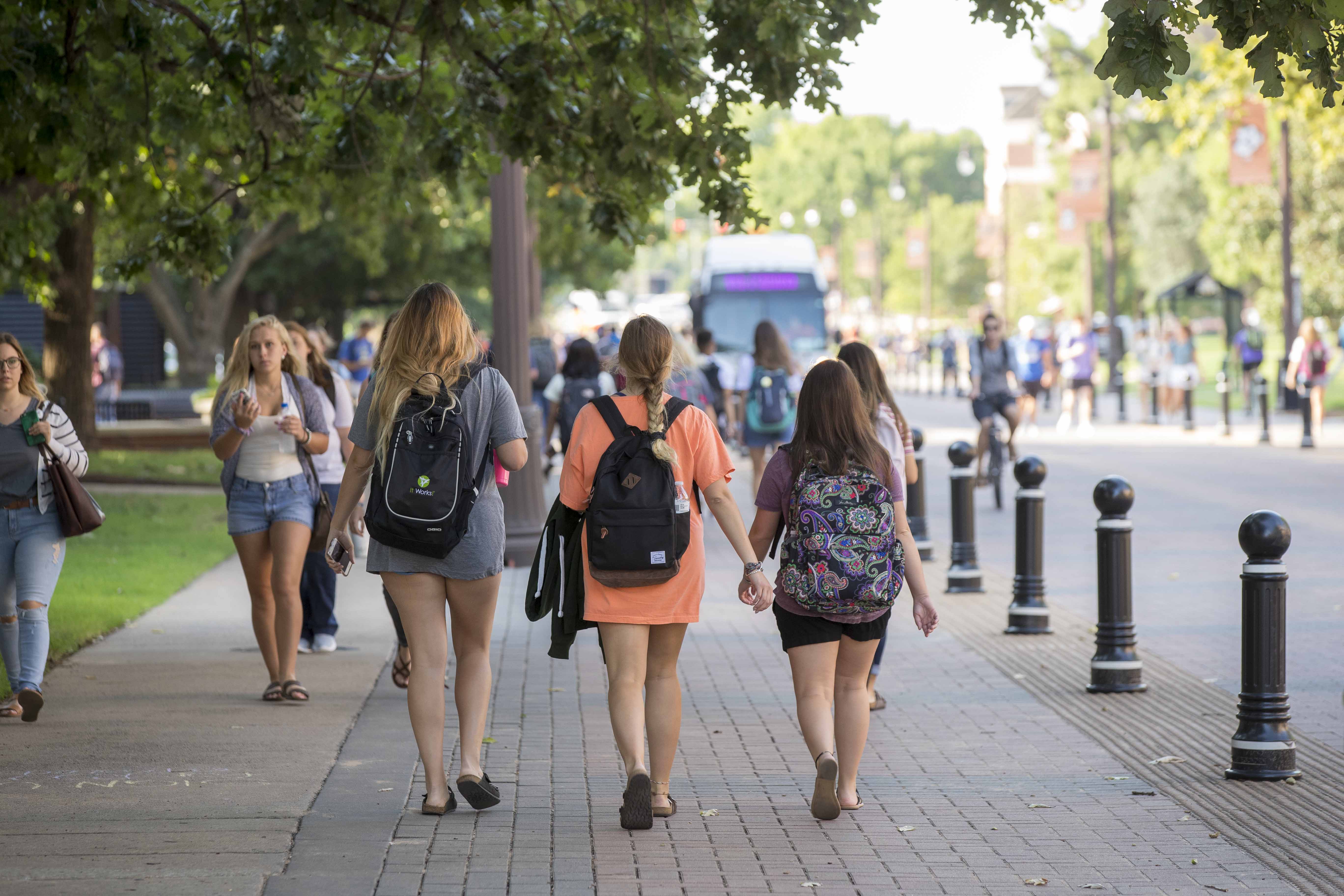
As exciting as it might be to begin a new school year, students and parents alike will likely suffer some anxiety as well.
"Back-to-school jitters can be a normal experience for lots of kids and teens," said Danyelle Kuss, educator and multi-county specialist for Oklahoma State University Extension in Oklahoma County. "Some jitters can actually be good and are related to excitement for the upcoming school year and some can come from a source of fear or concern."
OSU Extension recommends that parents project the right attitude to help set the tone for the upcoming year. Parents in need of reassurance should reach out to friends, other family members or even a professional counselor to talk through any issues.
Displaying the right attitude can include offering general encouragement, speaking positively about classes and teachers, encouraging children to get involved with extracurricular activities and, in the case of pandemic safeguards, speaking calmly and accurately about the need to practice pandemic protocols – and to explain to kids that the school will likely do the same.
Establishing a consistent routine can help remedy new-school-year jitters and instill positive habits. Examples of helpful routines include beginning the day with a healthy breakfast, setting aside a regular time for homework, establishing an appropriate bedtime and even identifying specific times for watching television or other family activities.
Regular bedtime and wake-up times should allow children to get sufficient sleep under American Academy of Pediatrics guidelines:
- Children ages 1 to 2: 11 hours to 14 hours per day, including naps.
- Ages 3 to 5: 10 hours to 13 hours per day, including naps.
- Ages 6 to 12: 9 hours to 12 hours per day.
- Teens: 8 hours to 10 hours per day.
Open lines of communication and non-judgmental listening can go a long way toward showing children you care and that you can be counted on, Kuss said.
"Try asking open-ended questions that cannot easily be answered with a yes or a no," she said. "Be sure not to be dismissive of what they may share which can lead to youth not sharing their experiences as freely in the future. Keeping those lines of communication open can be helpful for the rest of the school year as things change and they come up against other school challenges."
For most kids, back-to-school jitters will resolve as they become used to their new classroom and the rhythm of school, Kuss added. If those jitters persist for several weeks or begin to significantly interfere with the child or family's ability to participate in life and in school then it may be time to seek professional help with an anxiety assessment with a counselor or therapist.