

Common Insects of Field Crops in Oklahoma
Introduction
This handbook was developed as a reference for the common insects and mites that damage field crops in Oklahoma. It does not cover every bug found in the state. The handbook is intended to be a resource for county Extension staff, crop consultants and students in plant sciences and entomology. It is intended to assist the user in identifying common arthropod pests and provide information on their life cycles, host plants, damage and management.
In this age of environmental awareness, the concept of routine, preventative treatments for pests is no longer acceptable. Insecticides and miticides should be used only when specific pests appear or where there is a historical basis for anticipating a pest. Every effort should be made to prevent the outbreak of insect/mite infestations through nonchemical means. When a pesticide can be justified, the least hazardous, most effective, most pest-specific product(s) should be used.
A well-designed Integrated Pest Management (IPM) plan encourages the use of suppression tactics that are: (1) most effective, (2) least expensive and (3) least detrimental to the environment. This can be achieved through the PAMS approach (i.e. Prevention, Avoidance, Monitoring and Suppression).
- Prevention: Examples include practices that keep pest populations from infesting a field. This includes using pest-free seeds, preventing weeds from reproducing, irrigating in a manner that minimizes development of plant diseases, cleaning equipment and field sanitation to minimize introduction of pests and pathogens.
- Avoidance: Examples include using crop rotation, selecting cultivars that are resistant to pests, trap cropping, selecting varieties with maturity dates that avoid pest infestations, proper fertilization and making sure soils are conducive to plant growth. Overreliance on chemical control can cause pests to become resistant to chemicals used, increase costs unnecessarily and contaminate the environment.
- Monitoring: Examples include surveying fields, properly identifying pests, weather monitoring, soil testing and record keeping.
- Suppression: Examples include:
- Biological (mating disruption, conserving natural enemies),
- Cultural (row spacing, alternative tillage including no-till, cover crops and crop rotation), physical (temperature management, flaming of weeds),
- Mechanical (mowing, cultivation) and chemical (herbicide, fungicide and insecticide) suppression tactics and
- Chemical controls should be used after the cost/benefit ratio has been confirmed, choosing pesticides with the least negative effects on the environment and human health and applied in a manner that is least disrupting to non-target organisms
Chemical control suggestions for the pests listed in this handbook. This information is readily available in OSU Extension fact sheets, Current Reports, Circulars and in E-832, Extension Agents’ Handbook of Insect, Plant Disease and Weed Control. These publications are updated frequently, so are a better source for that information.
Field Sampling Strategies
Crop scouting is a way to assess pest presence, pest abundance and crop damage. It can then be used to decide if a pest management action is needed or to evaluate its effectiveness. A field should be surveyed in a thorough, but efficient manner. Information should include the presence, number, type and severity of pests and crop problems (weeds, insects, disease, crop conditions, fertility, etc.).
A scout should be prepared with the proper equipment to sample and record observations. There are now many “scouting tool apps” for smart phones or tablets to collect and store data that can be used to refer back to a specific field. A form should include field history information such as the field location, the date and time of day the field(s) were sampled, the farmer’s name and contact information, cropping history, crop variety, planting date, seeding rate/plant population, row width, tillage operations, names, rates and dates of pesticides and fertilizers applied, soil type and soil test records, weather information, stage of growth of the crop and major pest problems.
Take equipment, such as a pocket knife, magnifying glass, bags and vials to collect specimens, measuring tape, portable pH meter, ice cooler to keep specimens preserved, etc. Most smart phones now have very good cameras to take pictures; otherwise take a camera. Scouting frequency should be based on the crop life cycle, present and expected pests and environmental conditions. Sometimes the crop needs to be visited once per week or even more frequently, while other times, scouting frequency can be reduced.
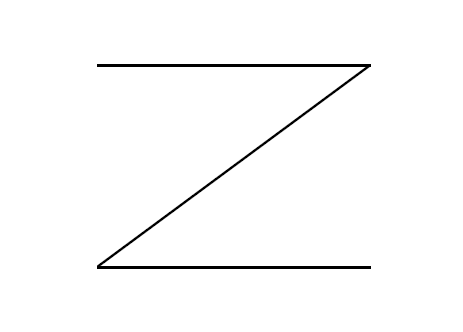
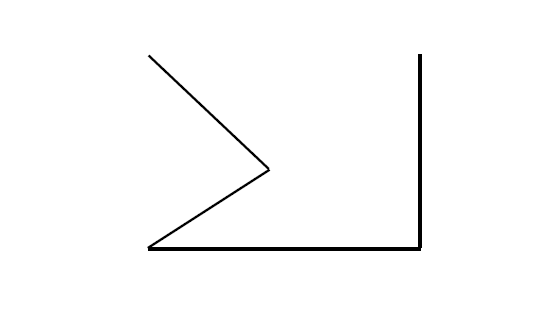
Scouting should be representative of the field, but obviously, the whole field cannot be scouted in a reasonable time. Therefore, sampling patterns should be randomized to make sure the field is sampled in an efficient manner with no bias. Irregular-shaped fields may need to be sub-divided to ensure different areas of the field are visited. Don’t oversample the edges of a field since they are more likely to overestimate the pest density. The most common scouting patterns are predetermined M-, Z- or W- shaped patterns for a rectangular field. Large fields should be broken down into 40- to 50-acre blocks, so the whole field is sampled.
Samples of insects, plant diseases and weeds can be collected and sent to the nearest diagnostic clinic, which is housed within the state Land Grant Institution, such as Oklahoma State University. The following page contains a sampling form used at the Plant Disease and Insect Diagnostic Laboratory at Oklahoma State to receive samples.

Insect Life Cycles
All insects and mites grow from newly hatched, immature life stages to adults through a process called metamorphosis. It literally means to “change in form.” They do this by shedding their exoskeleton by a process called ecdysis, also referred to as molting.
There are different types of metamorphoses (shown below). Ametabolous metamorphosis means “without change.” These insects typically have three life stages: the egg, a number of young (juveniles) and the male and female adult. The juvenile will undergo a series (often not a set number) of molts before becoming an adult. The juvenile stages look very similar to the adult. A common example of an insect that undergoes ametabolous metamorphosis is the silverfish.
Gradual metamorphosis is also referred as paurometabolous metamorphosis. This type includes three distinct life stages: the egg, nymph and adult. Young nymphs resemble the adult, but will not have fully formed wings or reproductive organs. Nymphs will typically undergo a set number of molts before becoming adults. A common example of an insect that undergoes this type of metamorphosis is the grasshopper.
Incomplete metamorphosis is also referred to as hemimetabolous metamorphosis. In this type, the life stages include an egg, a naiad and an adult. Insects that undergo this type of metamorphosis are aquatic. A common example of an insect that undergoes this type of metamorphosis is the dragonfly.
Complete metamorphosis is also referred to as holometabolous metamorphosis. Insects that undergo this type of metamorphosis have four life stages: the egg, larva, pupa and adult. The immature larva has a very different appearance from the adult. The pupa is usually a quiescent life stage, and serves as the stage in which the larva completely changes form from the larva to the adult. A common example of an insect that undergoes this type of metamorphosis is the monarch butterfly.
Different insects and mites have different numbers of molts to become adults. For example, a fall armyworm caterpillar undergoes five molts after hatching before it becomes a pupa. A greenbug undergoes four molts to become an adult.
It is useful to have an understanding of how insects grow. Sometimes, the successful application of a control measure depends on which life stage or instar the pest insect is in.
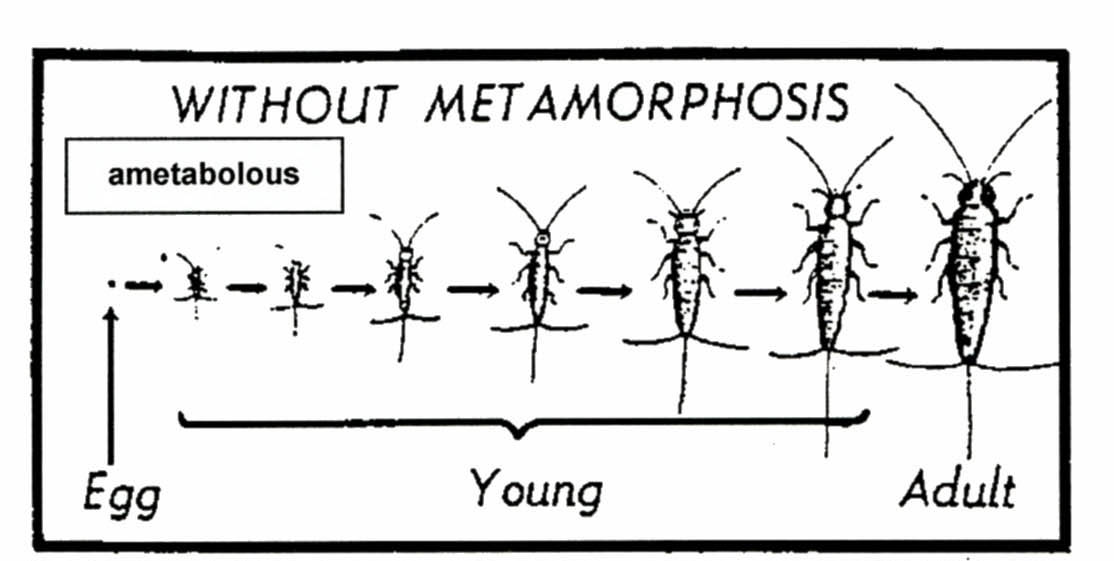
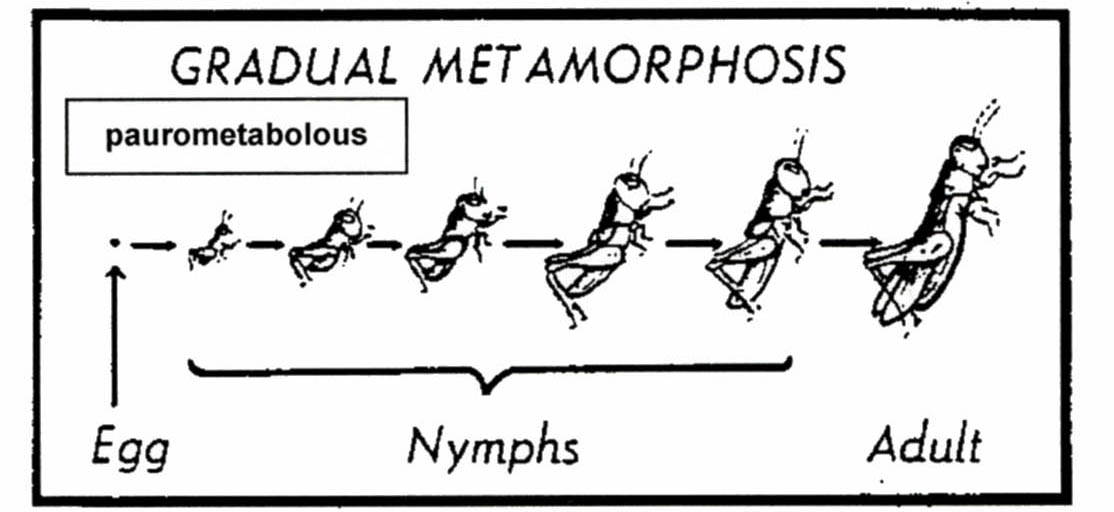
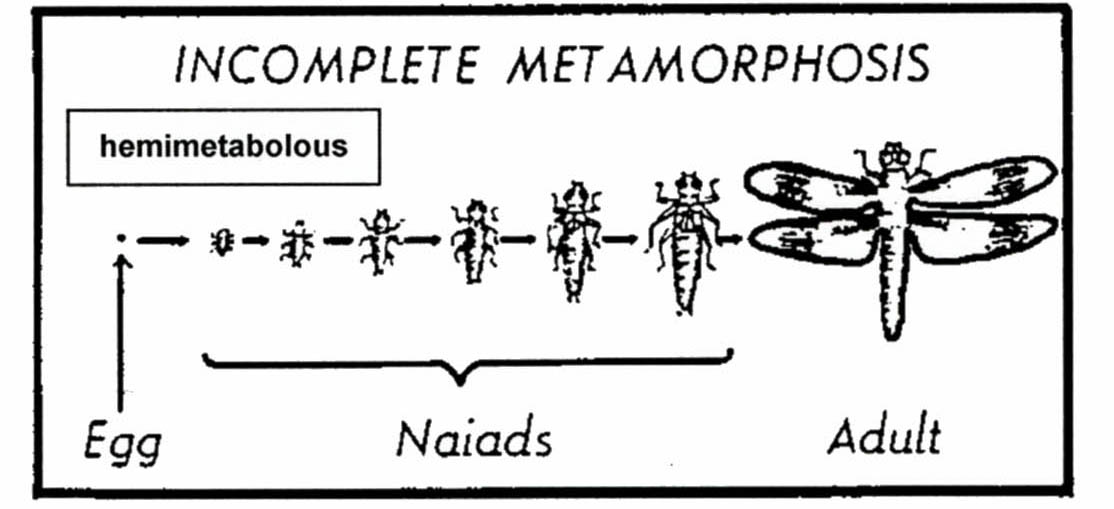
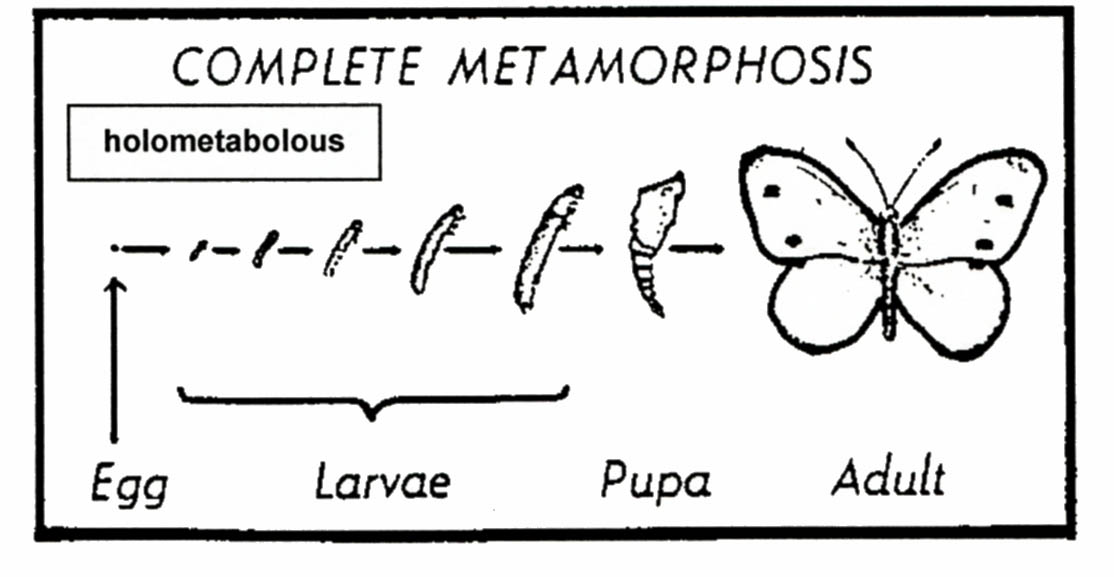
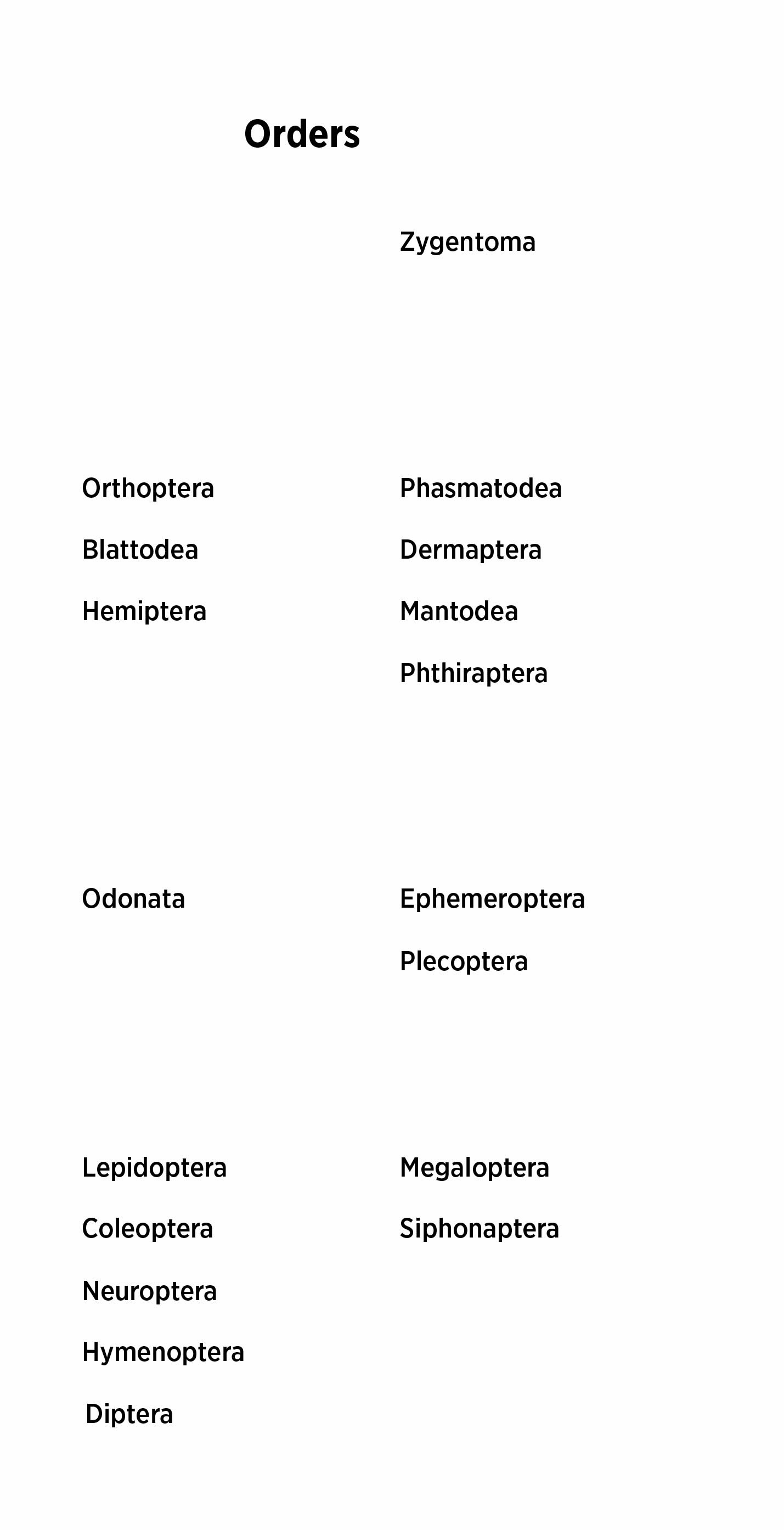 Types of insect metamorphosis and the insect orders associated with each type.