

First Confirmation of Corn Stunt in Oklahoma – 2026 Growing Season
Corn leafhoppers were first reported in Caddo County, Oklahoma, on June 5, 2026. However, the first corn plant showing symptoms of corn stunt; and testing positive for corn stunt pathogens through molecular analysis; was not confirmed until early August, nearly two months after the insect vector was first detected. Corn leaf samples collected from fields in Caddo and Tulsa counties tested positive for corn stunt spiroplasma (Spiroplasma kunkelii), the main pathogen associated with corn stunt in the U.S. so far.
Symptoms
Symptoms in the infected plants differed slightly from those previously associated with corn stunt in Oklahoma. Affected plants showed more yellowing than the reddening observed in previous years. In the affected plants, the discoloration of the tissue is observed first in the upper part of the canopy and starts to progress to the lower canopy (Figure 1a and 1b). In addition, leaves in the upper canopy dried out and died earlier than those of plants without visible symptoms (Figure 2a and 2b). These symptoms were most noticeable along field borders.
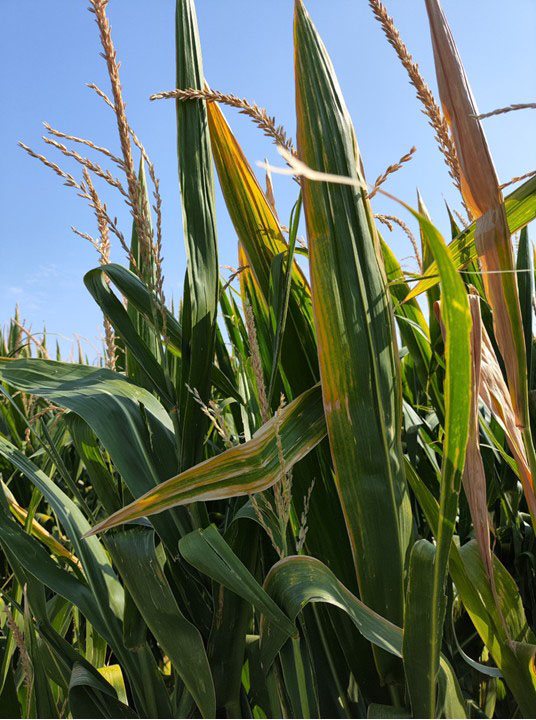 Figure 1a. Photo credit: Carlos Theodoro.
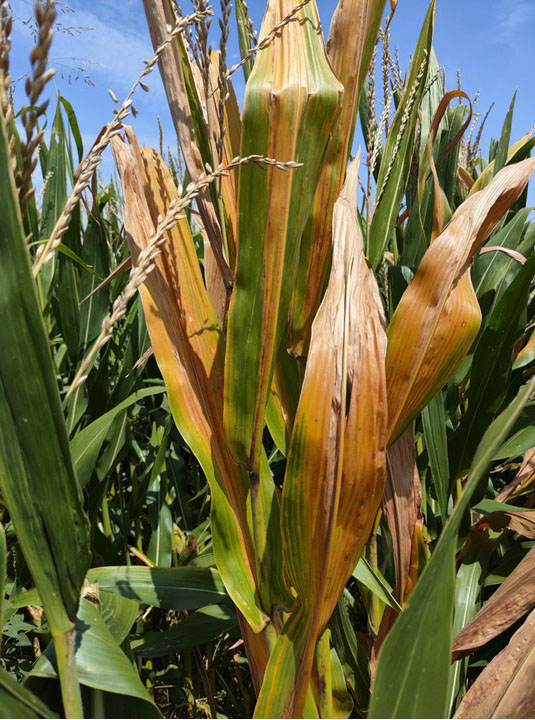 Figure 1b. Corn leaves changing color and turning yellow in the upper canopy. Photo credit: Carlos Theodoro.
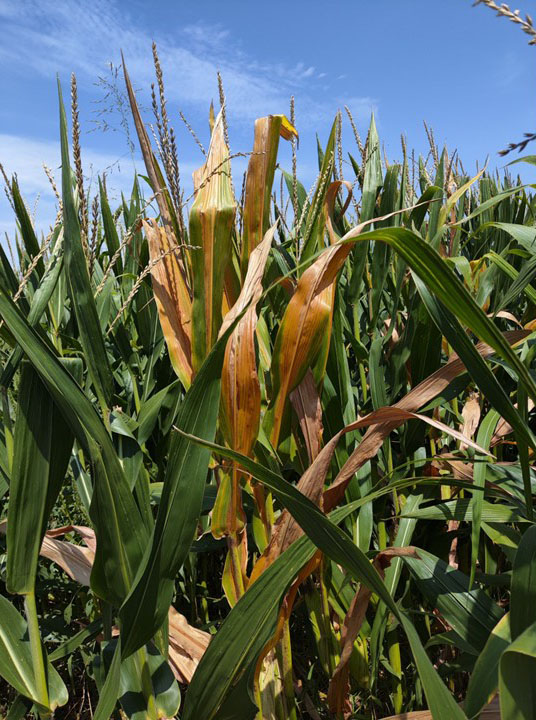 Figure 2a. Photo credits: Carlos Theodoro.
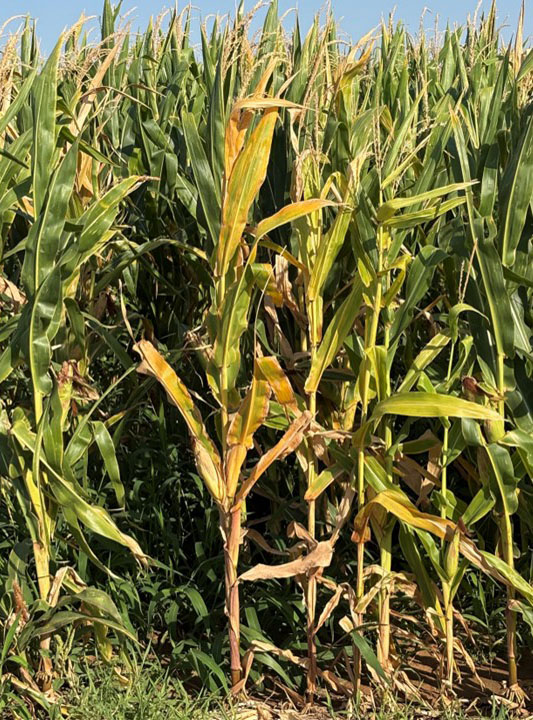 Figure 2b. Plants along field borders showing symptoms of corn stunt, including yellowing and premature drying of leaves compared with plants without visible symptoms. Photo credits: Matt Johnson.
Scouting Tips
Scouting for the disease needs to be conducted regularly after the first appearance of the corn leafhopper in the fields. When scouting for corn stunt, pay particular attention to field borders and late-planted fields. Walk into the field and examine plants in several locations rather than relying only on observations from the field edge. Look for groups of plants showing one or more of the following symptoms:
- Yellowing or red-to-purple discoloration, often beginning at leaf tips
- Premature drying and death of upper-canopy leaves
- Shortened internodes and plant stunting
- Excessive tillering
- Multiple, small or poorly developed ears
- Loose, missing or poorly filled kernels
Proper Diagnosis
Visual symptoms alone cannot confirm corn stunt. Similar symptoms for corn stunt can be mistaken by drought stress, nutrient deficiencies, herbicide injury, root rot diseases, natural plant discoloration, among other factors. Symptom appearance and severity can vary with the corn hybrid, plant growth stage and timing of infection. When suspicious plants are found:
- Record the field location, planting date, hybrid, crop growth stage and distribution of affected plants.
- Photograph the entire plant, close-up symptoms and the pattern of affected plants within the field.
- Collect samples from several symptomatic plants. We recommend collecting 1-3 leaves per field that are showing symptoms but are not completely dry meaning they still have green tissue. Leaf samples should also include the corn leaf sheath.
- Place the samples in a resealable plastic bag with a dry paper towel to absorb excess moisture. Keep the samples cool and out of direct sunlight to prevent the plant tissue from deteriorating.
- Send samples as soon as possible to Dr. Maíra Duffeck at Oklahoma State University using the address below. Free testing for corn stunt pathogens is available for samples collected in Oklahoma and other U.S. states.
Information for shipping samples
Maira Duffeck
127 Noble Research Center
Stillwater, OK 74078 - You can also contact the local OSU Extension office or the OSU Plant Disease and Insect Diagnostic Laboratory (PDIDL) before shipping samples to confirm current collection and submission requirements.
Management of Corn Stunt
There is no treatment that will cure or rescue a corn plant after it has been infected with a corn stunt pathogen. Management should therefore focus on reducing corn leafhopper populations and preventing early-season infection.
- Remove volunteer corn. Volunteer corn can support corn leafhopper reproduction and serve as a reservoir and shelter for both the insect vector and corn stunt pathogens.
- Plant early when possible. Early planting may allow the crop to reach less-vulnerable growth stages before the population of the corn leafhopper migrating from other southern states, such as Texas, arrive in Oklahoma.
- Consider an effective insecticide seed treatment. In areas where corn leafhoppers are expected at time of planting (such as with double crop or late planted corn), a high-rate insecticide seed treatment may help protect plants during the early vegetative stages.
- Scout regularly. Begin scouting at crop emergence and continue through at least the R1–R2 growth stages. Examine field borders first, then move into the field. Inspect whorls during vegetative growth and the undersides of leaves as the canopy develops.
- Confirm insect identification. Several leafhopper species resemble the corn leafhopper. Submit suspected specimens to a trained entomologist before making a management decision.
- Use foliar insecticides only when corn leafhoppers are confirmed. No economic threshold has been established for this insect. Product performance varies, and some commonly used insecticides have provided suppression. Consult the latest OSU Extension recommendations before selecting a product.
- Protect beneficial insects. When treatment is necessary, select products that are not broad-spectrum and are soft on beneficial arthropods whenever possible.
- Follow the label. Use only products labeled for corn and corn leafhopper. Follow all application rates, timing restrictions, preharvest intervals and other label requirements.
Do not apply fungicides to manage corn stunt. The disease is caused by bacterial and viral pathogens transmitted by the corn leafhopper, and fungicides will not control these pathogens. Once symptoms appear, management practices cannot reverse the infection. Document affected areas, obtain laboratory confirmation of the disease and use the information to guide future planting and corn leafhopper-management decisions.
Management recommendations continue to evolve as research is conducted under Oklahoma growing conditions. Consult the previous OSU Extension publications for more information on the corn stunt disease and corn leafhopper:
- Preparing for Double Crop Corn as Corn Leafhopper Expands Across Oklahoma
- Corn Leafhopper Detected in Southwest Oklahoma – What Growers Need to Know to Reduce Risk of Corn Stunt Disease
- Corn Leafhopper Detected in Southeast Oklahoma – Scouting & Management Guidance
- Planting Preparations, Scouting Guidance, and Integrated Pest Management Considerations for the Corn Leafhopper
- Corn Leafhopper Leads to Corn Stunt Disease Across Oklahoma – August 12, 2024