

Tips for Starting Seeds at Home
Many home gardeners are struggling to grow healthy plants from seed at home. Below are some tips to grow healthy seedlings, which need the right light, moisture (not too wet), air movement, and fertilizer, in addition to a hardening off stage before transplanting outside.
Timing
Many people start their seeds too early. For the best time to start, use the following factsheet and calculate back from your last frost date. Don’t forget to include a week of hardening off. Fact Sheet - Oklahoma Gardening Planning Guide.
Potting
Seeds started indoors need well-draining seed-starting potting mix, which consists of perlite for drainage and peat moss for moisture retention. It is important to moisten the potting mix before filling the seed containers (warm water works best). The mix should be moist like a sponge, but not so wet that water will wring out. Once moistened, fill the seed tray or containers with mix. Add the seeds to the recommended depth (usually found on the seed packet), and sprinkle with a bit of potting mix to fill the holes. Some seeds need light to germinate and should not be buried or only partially covered. Then, lightly water in. Place the tray or containers on a heat germination mat. Many warm season crops will have reduced or inconsistent germination if a heat germination mat is not used.
Until germination occurs, it is key to keep the mix at the top consistently moist through misting or using a cover (tray dome or plastic wrap). If the potting mix dries out, it forms a crust that prevents seeds from popping through. After germination, remove the tray or containers from the heat mat, and place them under the appropriate plant lights.
Plant Lights
Seedlings need “cool white” light for growing, NOT red/blue lights, which are for fruiting on mature plants. Most windows do not provide enough light, as the light needs to be 2"- 4" from the seedlings. Also, many windows have reflective tints to help with insulation and exclude light need for seedling growth. Trays of seeds can be placed on books or bins to raise them closer to the light or lights can be moved to accommodate the growing seedlings. Without appropriate light, seedlings will get “leggy” (tall and fall over) as they reach for more light and will not often transplant successfully. For additional information about lighting, view the Lighting for indoor plants and starting seeds article.
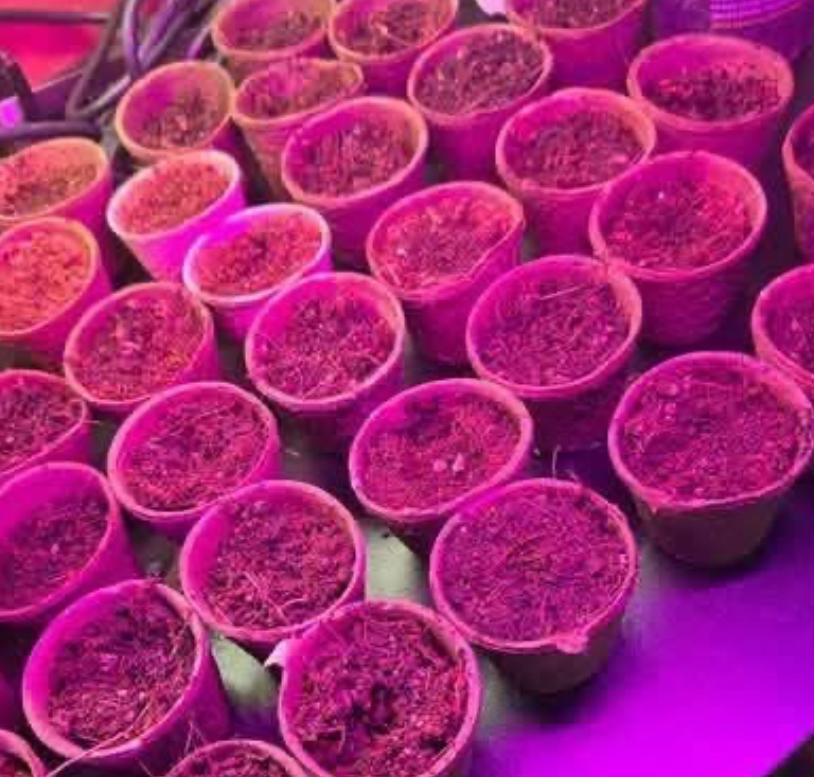
Figure 1. Seedlings need “cool white” light for growing. Colored lights, often with a hot pink color help with fruiting on mature plants, but are often ineffective for seedlings.
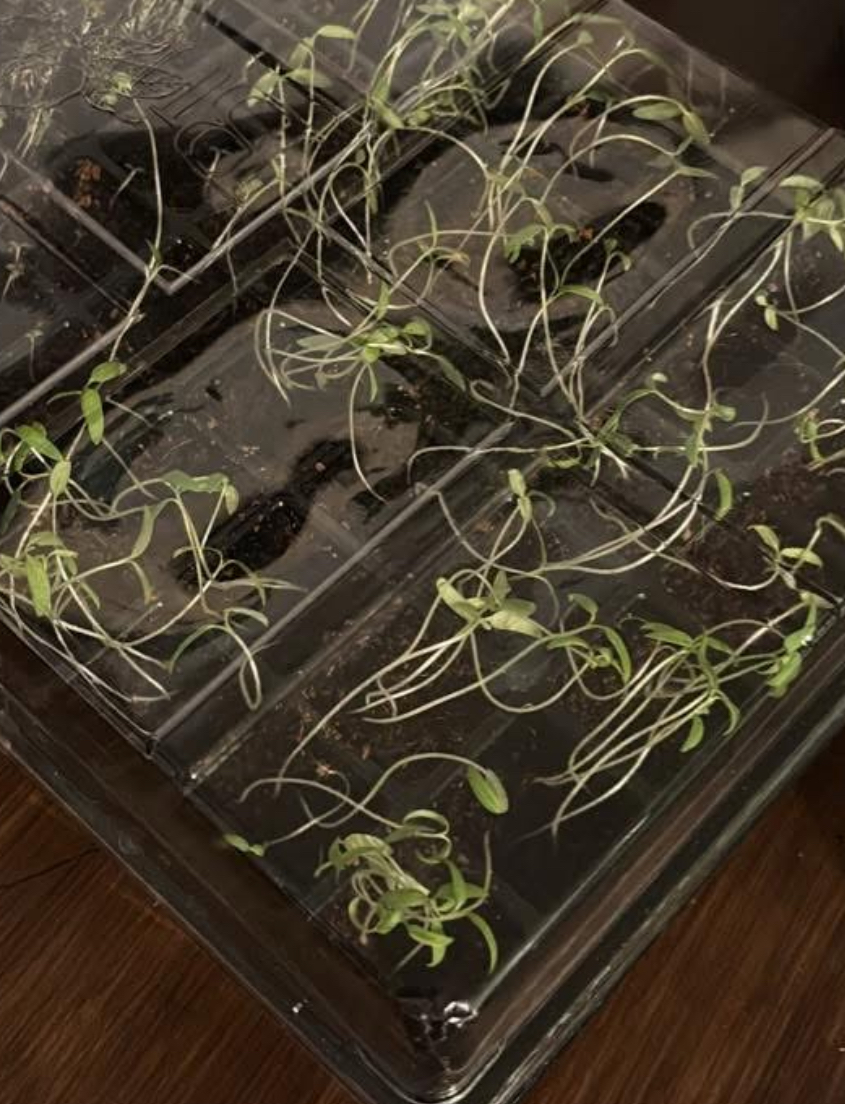
Figure 2. Seedings that do not have enough light will become “leggy” (tall and fall over).
Watering
The top of the potting mix needs to stay moist until true leaves form. Some growers will “bottom water” to prevent damaging small plants or leaves. This is accomplished by placing pots in a container of water and letting the water wick up through the soil. Once the potting mix is damp, remove the water. Plants should not sit in standing water for more than 30 minutes.
Once true leaves have grown, check the moisture by touching the potting mix. If it feels dry or if the pots are light weight, this suggests the mix is dry and should be watered. Seedlings that are not being watered enough may appear wilted. This can also occur if the container size is too small and the plants are becoming root bound.
Fertilizer
Within 5 days of germination, it is recommended to give a ¼ dose of fertilizer. The seedling has spent all of its stored energy germinating. Liquid fertilizers are usually the best choice for seedlings.
Fan
Circulating air and not overwatering are key to avoiding fungal problems. Use a fan to provide constant airflow; this also helps seedling stems strengthen and prepares them for Oklahoma’s winds.
Fungus Gnats
Use yellow sticky traps in your seedling area to catch fungus gnats and or other insects. You can also add a product called Mosquito Bits to the container (see label for guidelines) to help manage fungus gnats.
Hardening Off
When sprouts have fully rooted, it may be necessary to transplant to larger containers or move them outside. It takes 7-14 days to harden off seedlings. This process involves gradually exposing the plants to outdoor conditions and sun. Beware of windy days that will dry out and whip and kill seedlings. It is best to find a protected location for the seedlings. Start with one hour a day in the shade, then an hour in the sun, then 2 hours in the sun, etc. The Hardening off your Transplants video provides additional information.