

Reemergent Cucurbit Disease in Oklahoma: Managing Squash Bugs and Cucurbit Yellow Vine Decline
Squash bugs (Anasa tristis, (DeGeer)) and the disease they vector are being reported by multiple cucurbit growers across the state. Our research plots at the Cimarron Valley Research Station in Perkins are demonstrating damage beyond the economic threshold of one adult per plant. The principal issue caused by squash bugs is the bacterial disease they transmit through their piercing and sucking mouthparts- cucurbit yellow vine decline (CYVD) disease. Before it became a national problem, CYVD was first reported in Oklahoma and Texas in 1988. CYVD is caused by the bacterium Serratia ureilytica, which is a phloem-limited bacterium. While the disease has not been widely reported for some years now, it is recently becoming a resurgent problem for cucurbit (watermelon, summer squash, winter squash, cantaloupe, and most other melon) crop producers. CYVD can lead to partial yield losses or total crop losses depending on severity.
Symptoms
CYVD symptoms can be influenced by the plant species, age of plant when infected and time of the season. Symptoms usually include stunting, yellowing, and gradual decline beginning about 10 to 14 days prior to harvest. The disease generally appears as yellowing on vines, especially on the vines that branch out at the edges of rows. The symptom that is most diagnostic and consistent with the disease in most plant species is a honey-brown discoloration of the phloem. The vascular tissue (phloem) from crowns of affected plants may appear light brown instead of a translucent green, which is associated with healthy plants. Occasionally, plants may rapidly collapse without showing any yellowing, leaving symptoms that could be confused with wilting caused by other diseases such as bacterial wilt or Fusarium wilt. Squash bug feeding can also leave the crop vulnerable to other secondary pathogens.
Squash Bug and CYVD Management
Current research indicates the best way to manage CYVD is to prevent the squash bugs from establishing, using covers or insecticide options at the beginning of crop emergence or transplanting. Insecticide applications applied early will target overwintering adults on the crop. When the squash bug population explodes, often around mid to late summer, CYVD can be devastating. For an up-to-date insecticide recommendation, please see the Southeast U.S. Vegetable Crop Handbook and OSU factsheet HLA-6040. If you observe CYVD in your cucurbit crop, please submit leaf or insect samples to your local county Extension office for onward submission to the Oklahoma State University Plant Disease and Insect Diagnostic Laboratory. You may also contact Dr. Mustafa Jibrin at mustafa.jibrin@okstate.edu to follow up with site visits where possible and necessary.
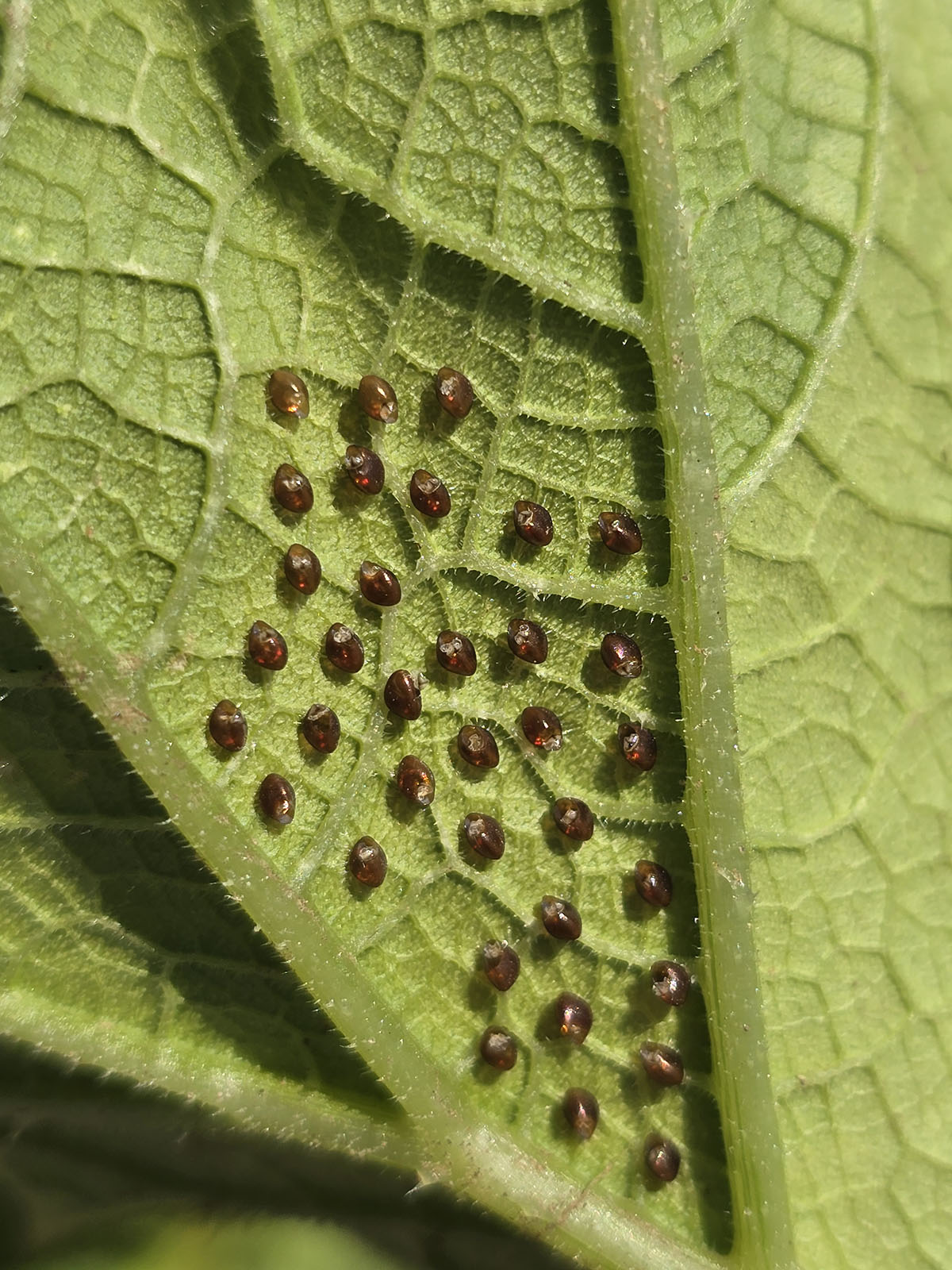
Figure 1. Football shaped eggs of squash bugs present in clusters (Photo: Dr. Mustafa O. Jibrin, Oklahoma State University, 2025).
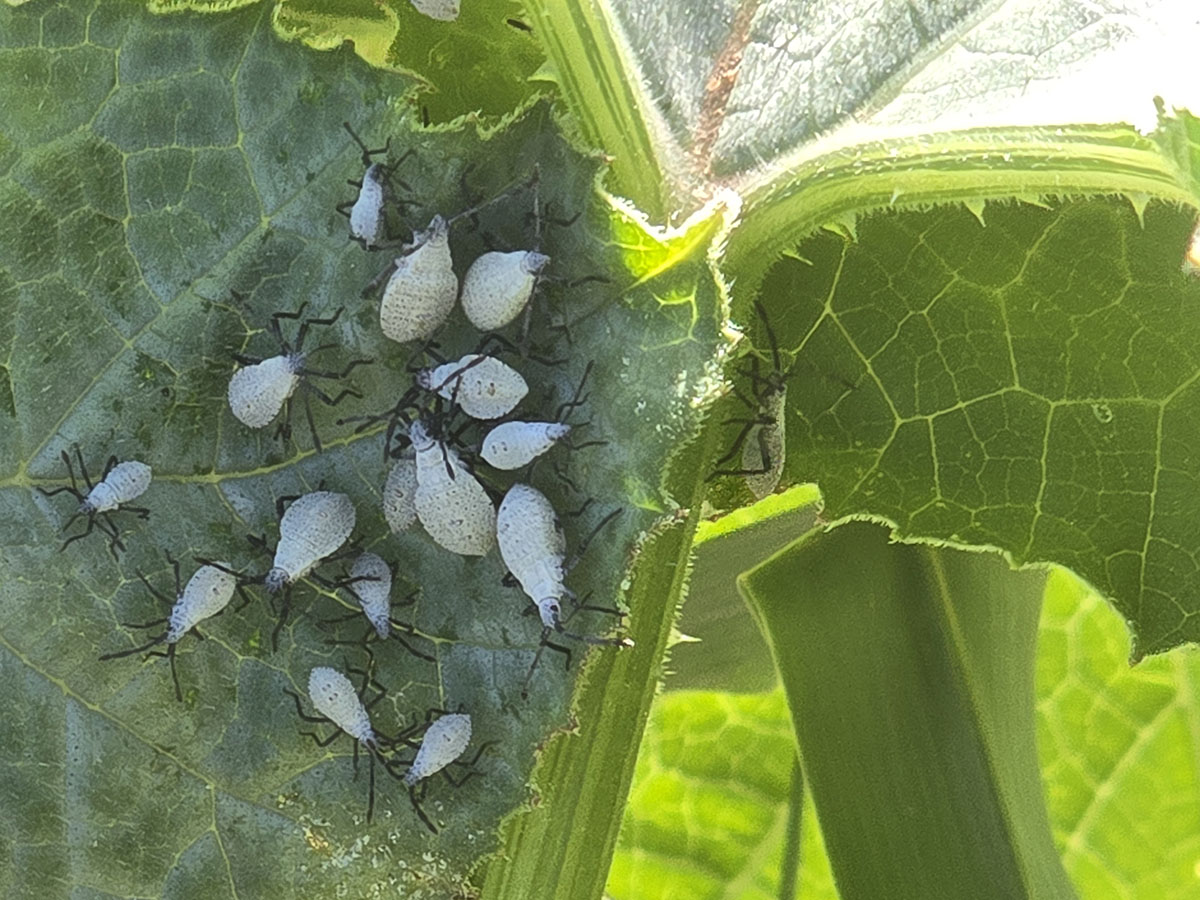
Figure 2. Cluster of light gray nymphs with black legs on squash plant (Photo: Dr. Mustafa O. Jibrin, Oklahoma State University, 2025).
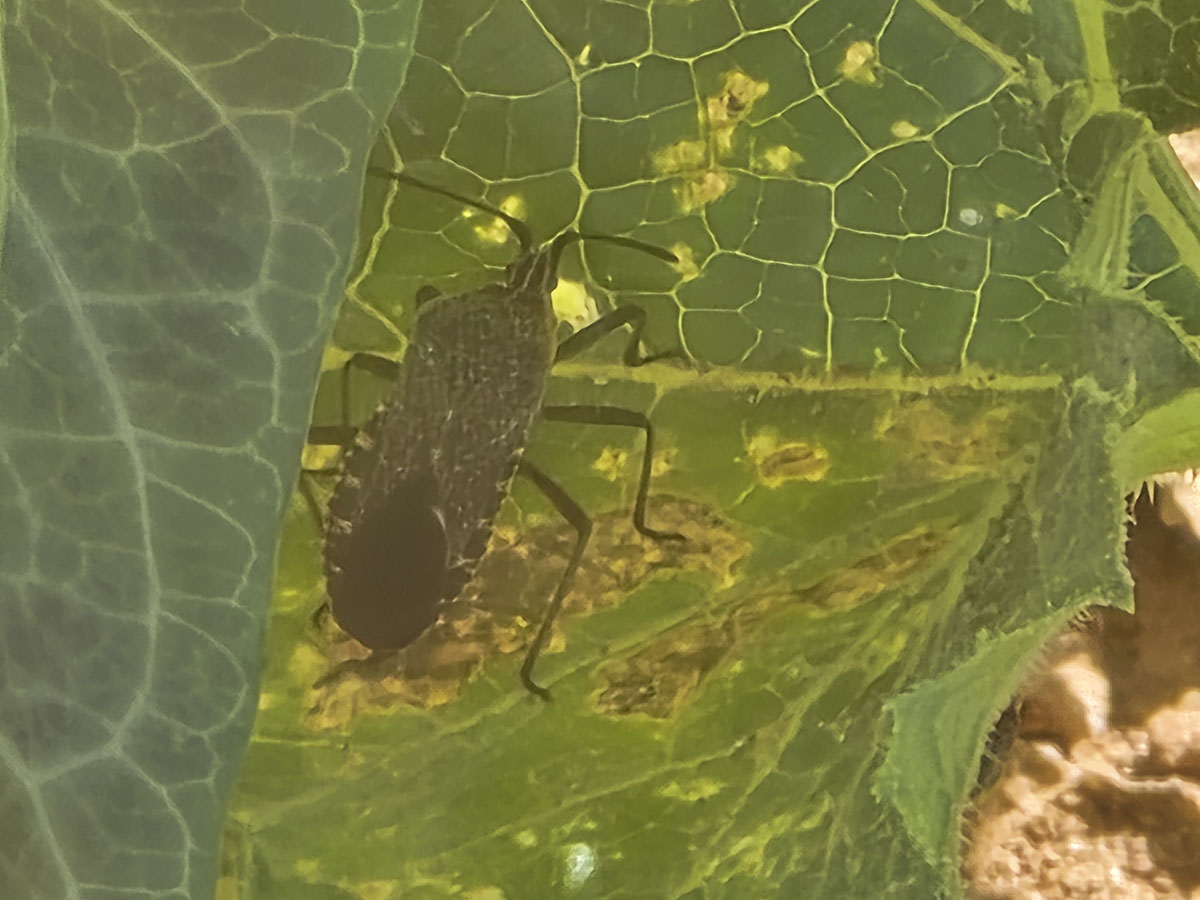
Figure 3. Adult squash bug on a cucurbit will vector CYVD during feeding (Photo: Dr. Mustafa O. Jibrin, Oklahoma State University, 2025).
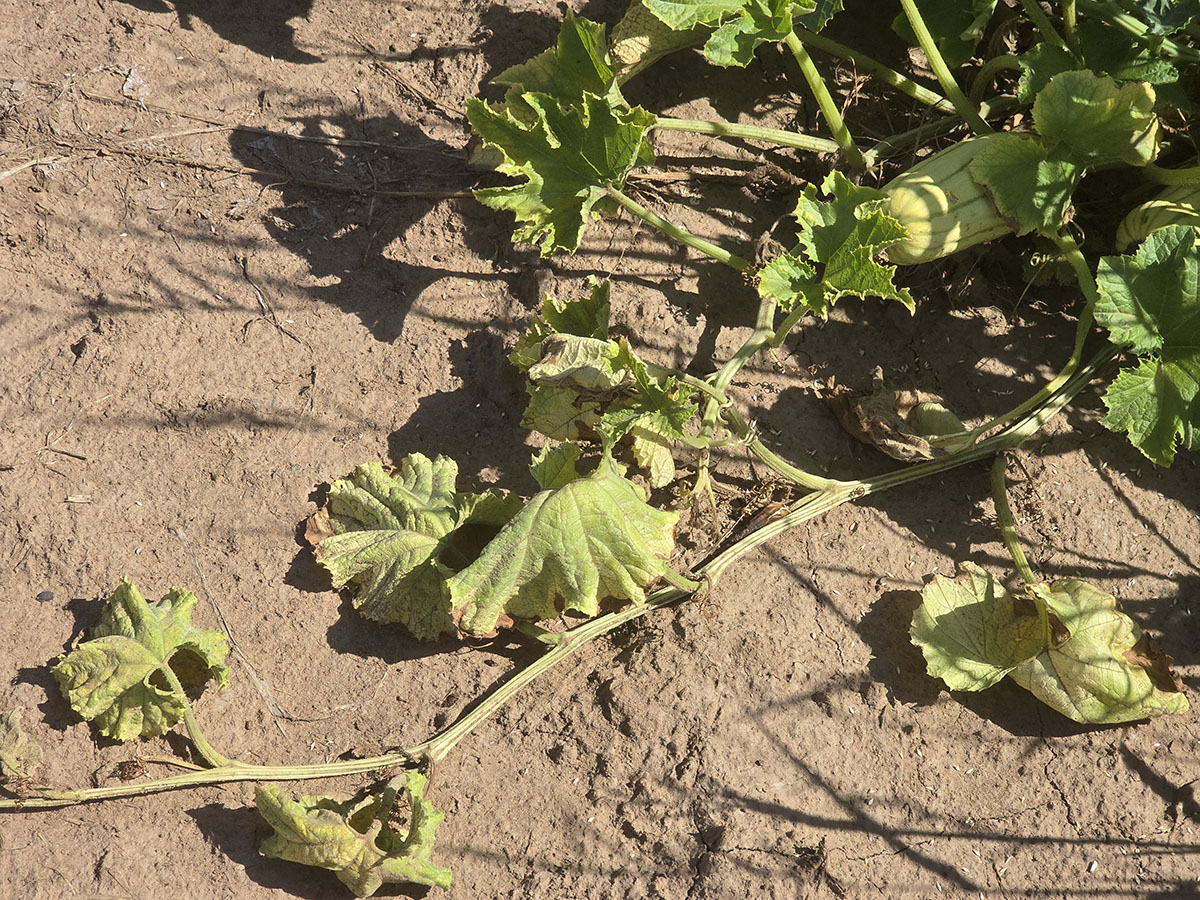
Figure 4. Yellowing of vines seen in plants with a heavy squash bug infestation. (Photo: Dr. Mustafa O. Jibrin, Oklahoma State University, 2025).
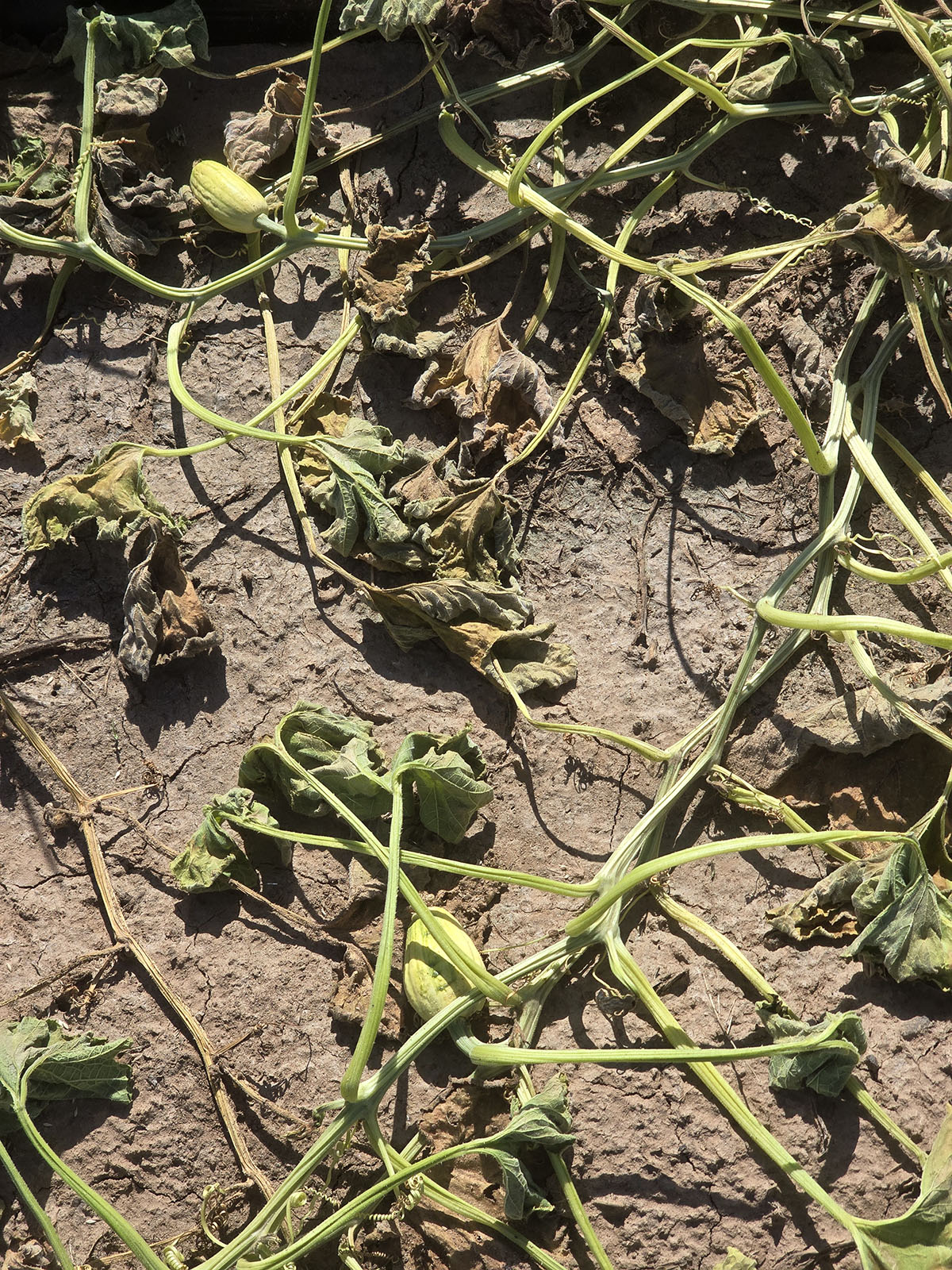
Figure 5. Collapse of vines with minimal yellowing. (Photo Courtesy: Dr. Mustafa O. Jibrin, OSU, 2025).