

Pecan Scab and Other Pecan Diseases to Watch Out for this Year
The pecan season is here upon us and depending on the part of the state where an orchard is located, growers have begun applying fungicide sprays against pecan diseases. Of course, pecan scab, caused by the fungus Venturia effusa, is the major pecan disease in Oklahoma and anywhere that pecan is grown. However, other pecan diseases are important in the pecan production landscape in the state. In 2024, there were reports of anthracnose, leaf die-back, powdery mildew and various leaf spots disease pressures across Oklahoma orchards. If similar weather patterns persist this year, we may see a similar trend for these diseases. The figures below show some of the pecan diseases identified in pecan orchard in the state last year.
Most disease problems of pecans can be managed by a good scab spray program. For a guide on implementing fungicide spray program for pecan scab, please see OSU Factsheet “Commercial Pecan Insect and Disease Control” CR-6209. A few diseases such as pecan bunchy top phytoplasma and pecan bacterial leaf scorch require more targeted approaches. For these types of diseases, early detection is critical for control. Please contact your local extension agents and OSU Plant Disease and Insect Diagnostic Laboratory if you see an unusual symptom on pecan trees in your orchard.
Preventative or weather-based sprays for pecan scab (Mesonet Pecan Scab Advisor) generally control most secondary/minor diseases by default. It is important to always remember that good orchard management (proper spacing, fertility, pruning/thinning, irrigation) and proper sanitation improves overall tree health and eliminates many pecan disease problems.
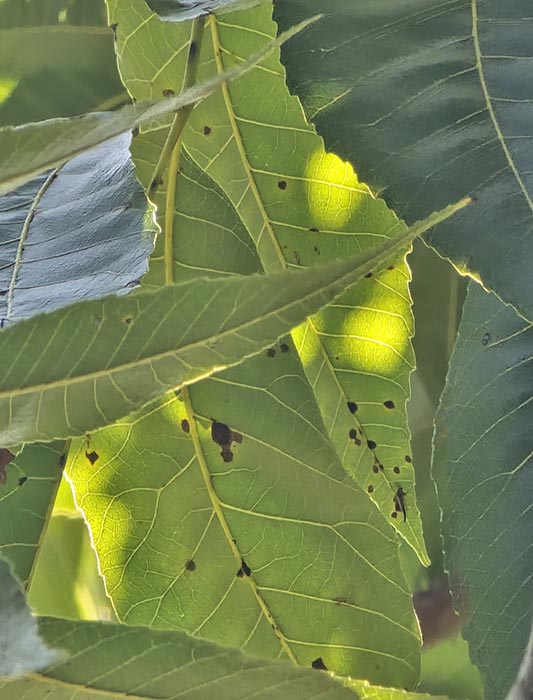
Figure 1a. Pecan scab, caused by Venturia effusa, on leaves.
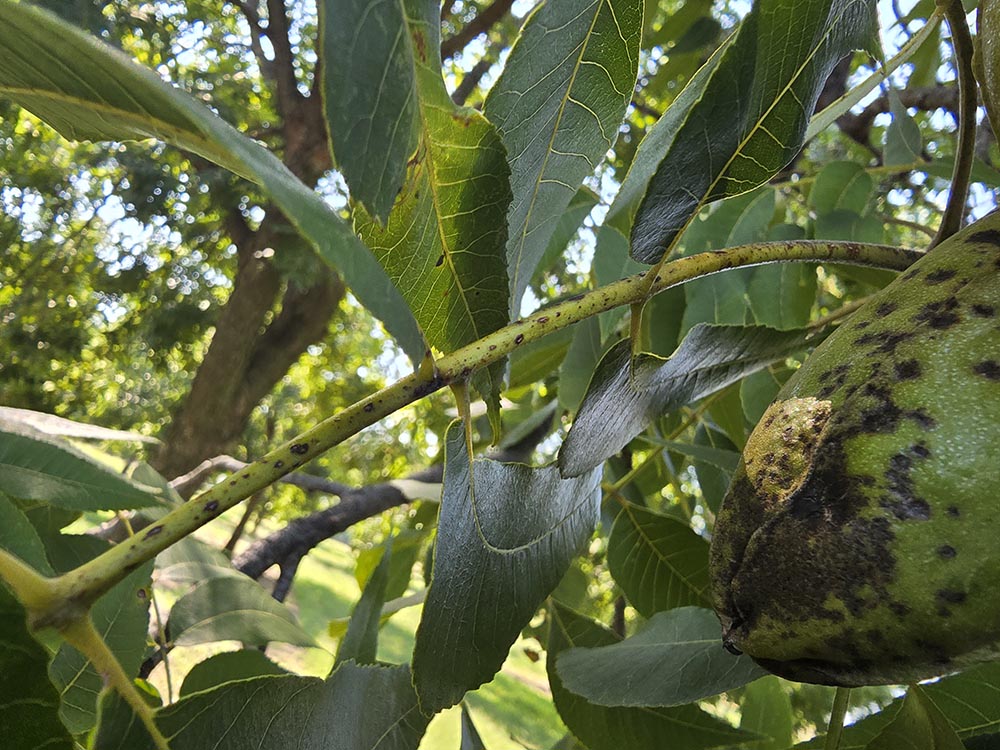
Figure 1b. Pecan scab, caused by Venturia effusa, on twigs and shucks.
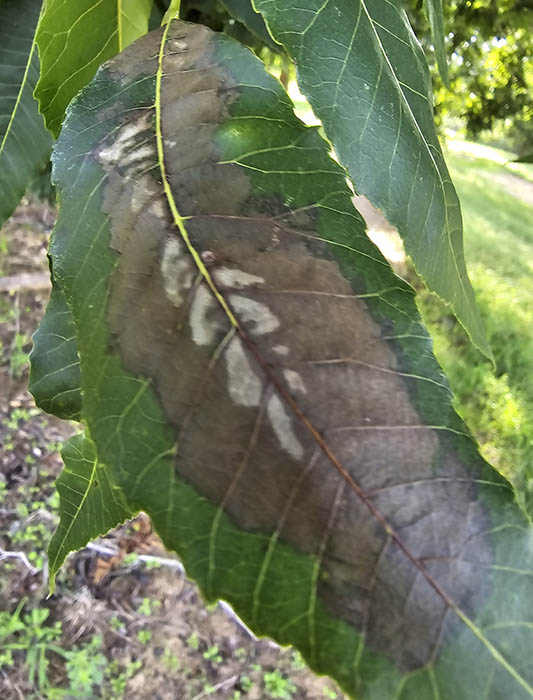
Figure 2a. Pecan anthracnose, caused by Colletotrichum spp. and Glomerella cingulata on leaves.
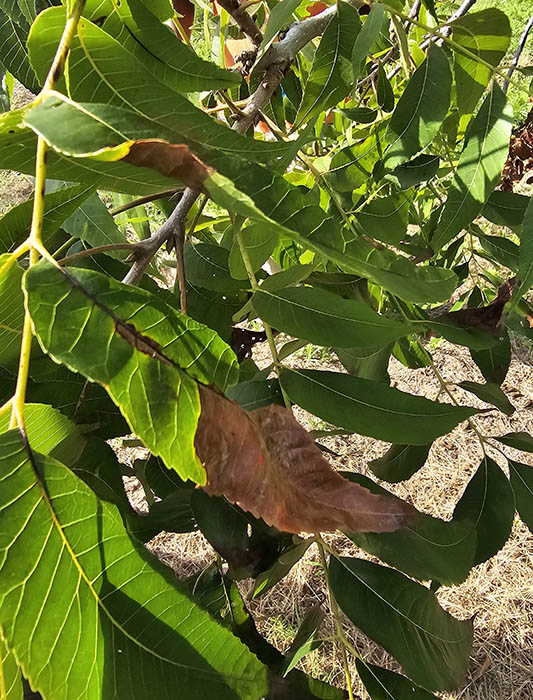
Figure 2b. Pecan anthracnose, caused by Colletotrichum spp. and Glomerella cingulata on leaves.
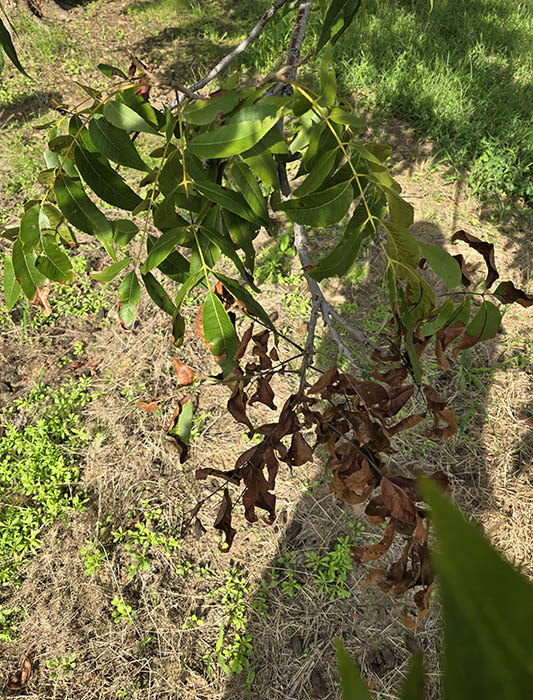
Figure 3. Pecan leaf dieback caused by Neofusicoccum caryigenum.
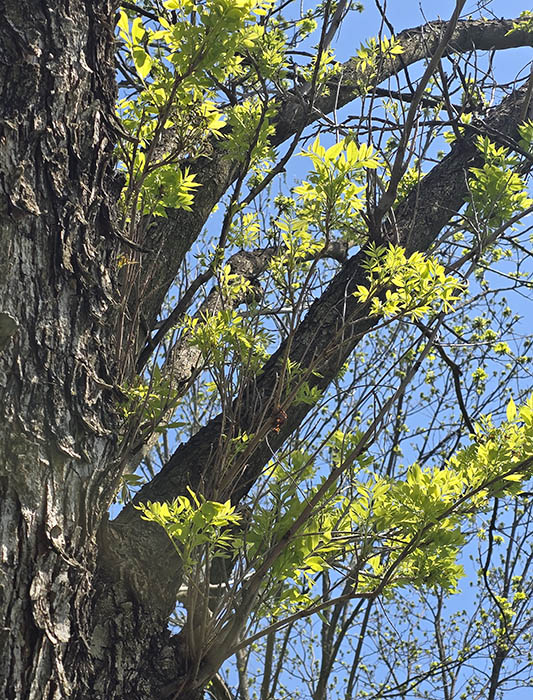
Figure 4. Symptoms of bunchy top phytoplasma identified recently this year in an Oklahoma pecan orchard. This will be covered fully in a separate e-alert.
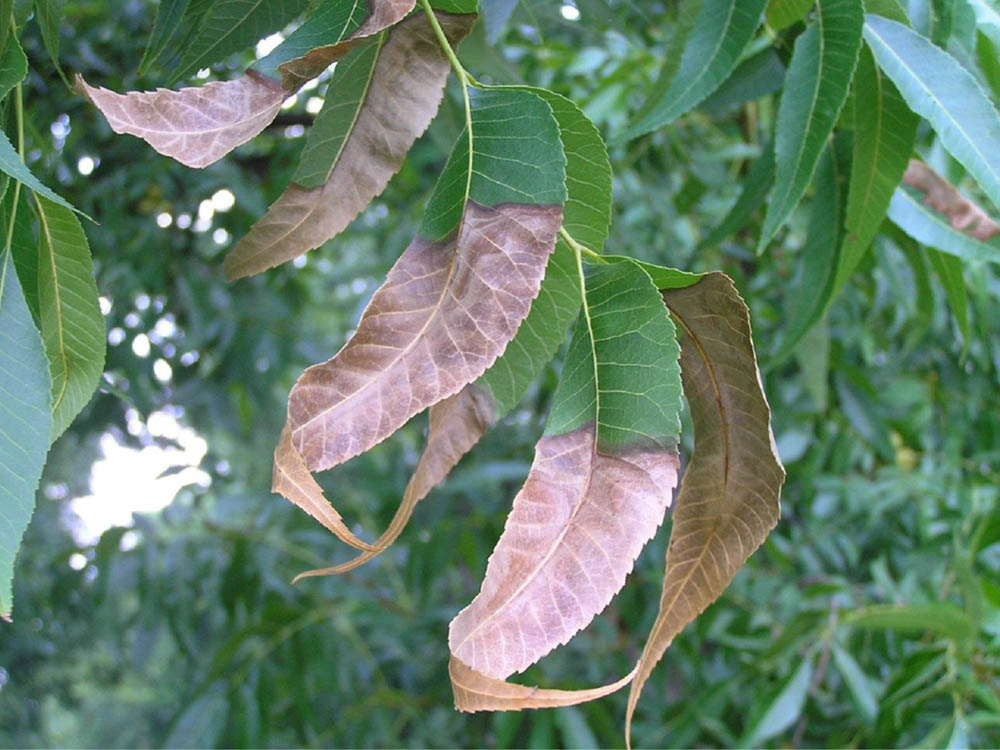
Figure 5. Pecan bacterial leaf scorch, caused by Xylella fastidiosa. (Source: Rebecca Melanson: Pecan Bacterial Leaf Scorch)