

Pecan Nut Casebearer Activity on the Rise
Reports of Pecan Nut Casebearer (PNC) activity have been reported in Texas. In southern and central Texas, decision windows are active or have passed, while biofix in several northern areas bordering Oklahoma have not been reached but are imminent (Fig 1). Remember, biofix for PNC refers to two consecutive nights moth capture, initiating a timeline for when to start scouting for PNC eggs or damage.
Pecan nut casebearer Acrobasis nuxvorella Neunzig, is one of the most devastating nut-feeding insects that occur in pecans. The pecan nut casebearer is found throughout pecan growing regions. First generation larvae are of the most concern, therefore, early season scouting and well-timed insecticide applications are the primary means of control.
Pecans Ag Pest Monitor is a great place to track PNC activity across the pecan belt.
History
The Pest Information Platform for Extension and Education (PIPE) began as a USDA-initiated Internet-based response to the discovery of soybean rust in 2005 in Louisiana. The program activated interactions and informed soybean stakeholders (producers, advisors, scientists, industry, agencies, consumers and others) of disease risk posed by this pathogen in near real time throughout soybean fields across the nation in the 2006 and subsequent years to the present.
The program was expanded in 2007 to include the soybean aphid in risk assessments in the soybean pest complex, and to key pests of other commodities (legumes, cucurbits and Pecan) in 2008.
Pecan Objective
The objective of Pecan IPM PIPE is to familiarize users with the primary nuisance and beneficial arthropods associated with pecans. The ability to identify them combined with a knowledge of their biologies will allow pest management decisions to be made in time to minimize damage.
Tools
- PNC Forecast
- PNC Risk Map
- PNC Activity
- PNC Site Request
If you are looking to follow or get a heads up on PNC activity in your area, you can click the Pecan Ag Pest Monitor website then click on the risk map to follow activity (Fig 1).
To learn more about how to monitor Pecan Nut Casebearer, it’s biology and activity, simply follow the PNC tools tabs on the Pecan Ag pest monitoring site for more information. If you are interested in joining the monitoring network, visit the website and complete the form at the bottom of the page for a Site Request (Fig 2).
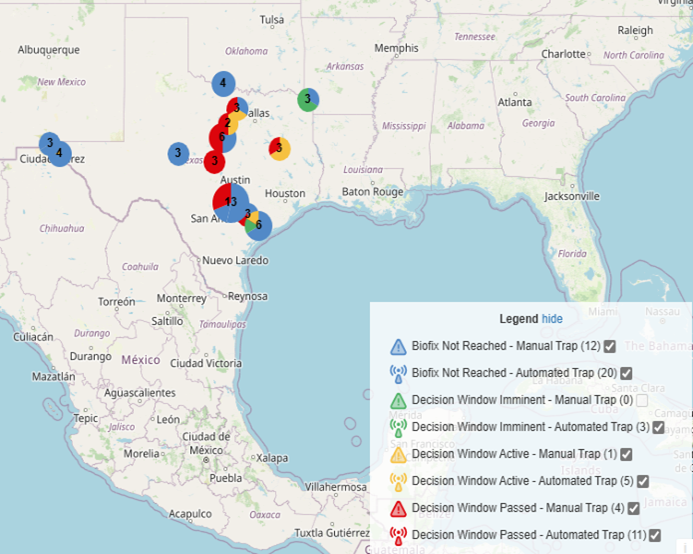
Figure 1. Current Pecan Nut Casebearer Risk Map, 2025. Ag Pest Monitor.
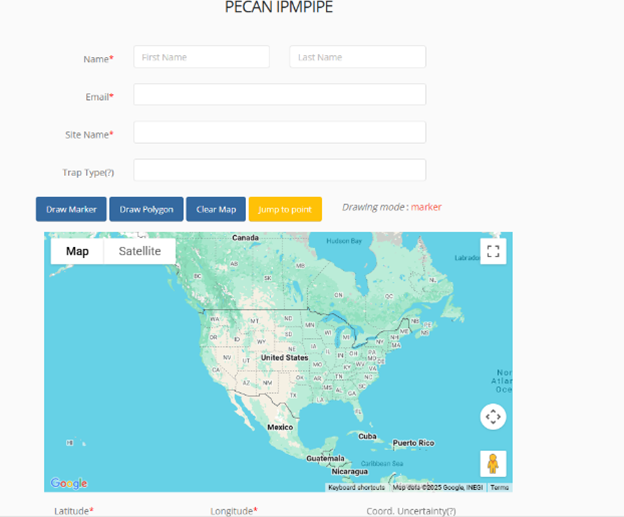
Figure 2. Pecan Nut Casebearer Monitoring and Site Request.
In Oklahoma, adult moth activity by PNC may already be occurring in southern counties. In central and northern areas of the state, activity and egg deposition usually begins a couple of weeks later, depending on weather conditions. Continued pheromone trap monitoring will be key during the coming weeks.
Excessive rainfall or extreme weather events during this period may disrupt the activity of first-generation PNC.
More information on PNC can be found in EPP-7189, The Pecan Nut Casebearer.