

Identifying, Scouting & Managing Worms in Peanuts: Get 'em While They're Small
I closed out my week scouting peanuts in the Ft. Cobb area and noticed some small fall armyworms. Right now, they are the perfect size for being susceptible to an insecticide application. As they consume more foliage and continue to grow larger fall armyworms worms, along with other worm pests will become more difficult to manage. Fortunately, fall armyworms are not as aggressive feeders as corn earworms or budworms. While I have not observed corn earworms in Oklahoma peanuts so far this season, they are being found in other field crops. We are entering the time of year and growing season in which worms become more common. Below is guidance on how to scout for and identify various worm pests in peanuts, as well as suggestions on how to manage them. For information on other peanut pests, see OSU Fact Sheet CR-7174.
Identification & Biology
Foliage Worm Pests in Peanuts
Fall Armyworm, Spodoptera furgiperda
Fall armyworms have a distinct, broad, white inverted “Y” present on the front of their head (Figure 1). Their body varies from light tan to green to dark brown or nearly black in color with three widely separated narrow, yellowish-white stripes down their back. The adult moth will lay their eggs that hatch caterpillars (the damaging stage). Adult moths migrate from Mexico and Texas to Oklahoma usually by late June. Eggs are laid in clusters on host plants and appear pale yellow but darken as they age turning black just before hatching. Larvae will feed on peanut foliage for 2-3 weeks, increasing with size as they progress through 6 larval instars, then dig into the soil to pupate. A new generation of moths emerge about 2 weeks later. There are several overlapping generations in Oklahoma, extending into October and November.
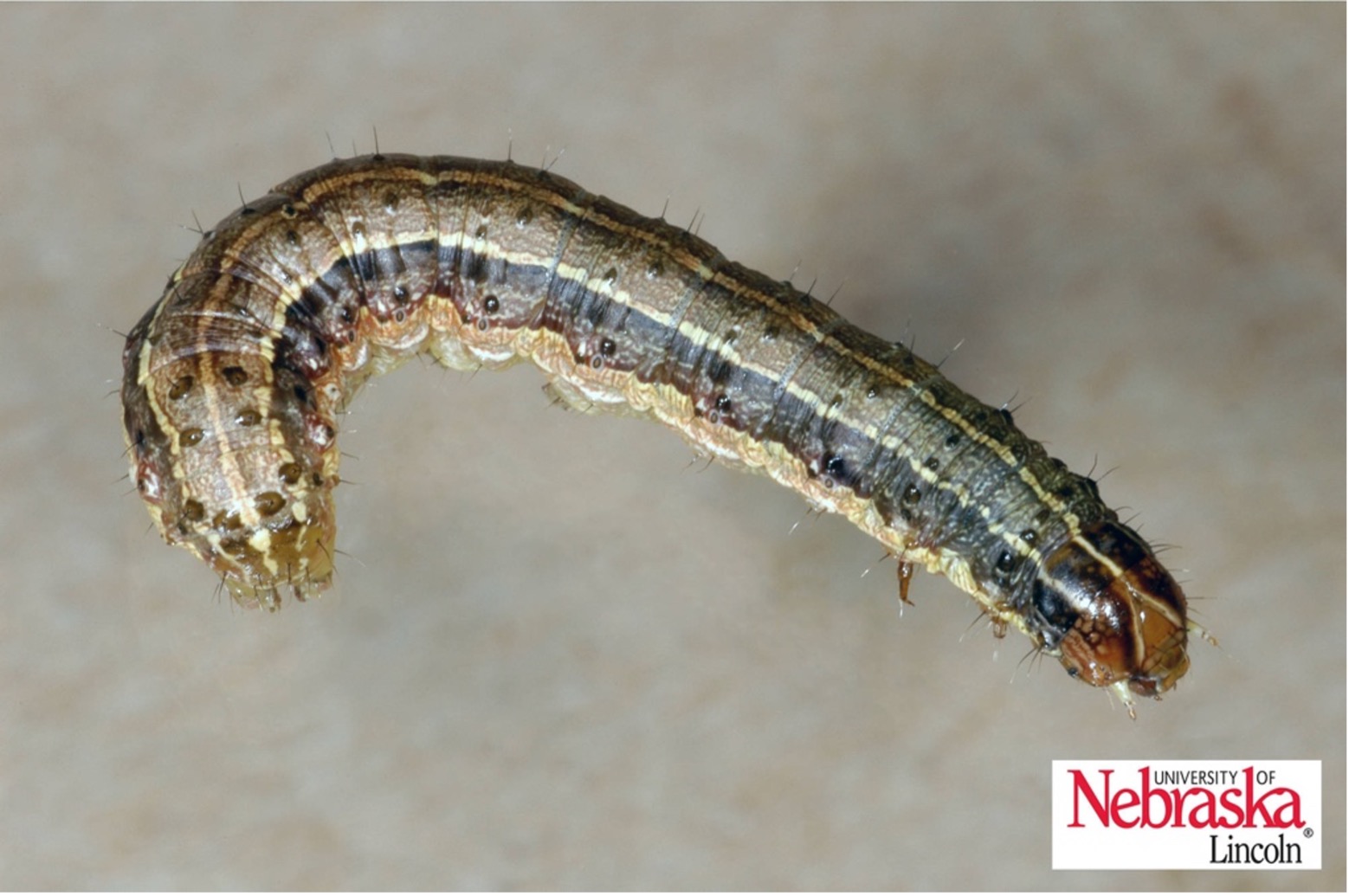
Figure 1. Fall armyworm. Photo Credit: University of Nebraska Lincoln Extension.
Rednecked Peanutworm, Stegasta bosqueella
Rednecked peanutworms are white to yellowish cream, with black spiracles, and a red band between the dark head capsule and the body (Figure 2). Due to their small size (1/3 inch) and feeding behavior, they are challenging to detect in the field. Rednecked peanutworms will feed in the plant terminal, within the closed and developing leaves. Typically, their presence is determined based on the symmetrical chewing pattern of opened leaves. Severe infestations can result in plant stunting due to terminal feeding.
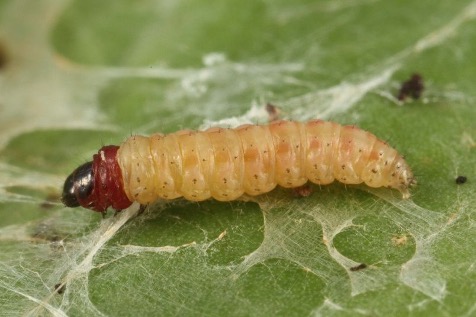
Figure 2. Rednecked peanutworm. Photo Credit: Oklahoma State University Extension.
Corn Earworm, Helicoverpa zea
Corn earworms are variable in color, they can be shades of pink, yellow, green, brown, and black. They typically have dark or light stripes that run lengthwise along their body and can be positively identified by the short, sharp microspines between the hairs on their body (Figure 3). However, a magnification of 7-10x is needed to see these microspines. Larvae progress through 5-6 instars, increasing in size as the feed and develop. Corn earworms will feed for 21-25 days before they enter the soil to pupate and will overwinter as pupae in Oklahoma. Adults will emerge in 10-25 days. Corn earworms typically feed in the growing terminals of peanut plants.
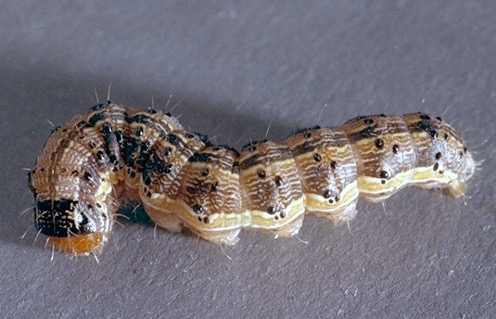
Figure 3. Corn earworm. Photo Credit: Oklahoma State University Extension.
Beet Armyworms, Spodoptera exigua
Beet armyworm larvae are typically light green (but can be pink to black) with alternating light and dark bands running lengthwise down their body (Figure 4). Older larvae will have a black spot behind their head. They feed on leaflets in the plant terminals as young instars but can feed on all foliar parts of the plant as they grow larger. Beet armyworms tend to be more severe in dry years so we may not see this pest much in 2025 pending if rains keep up.
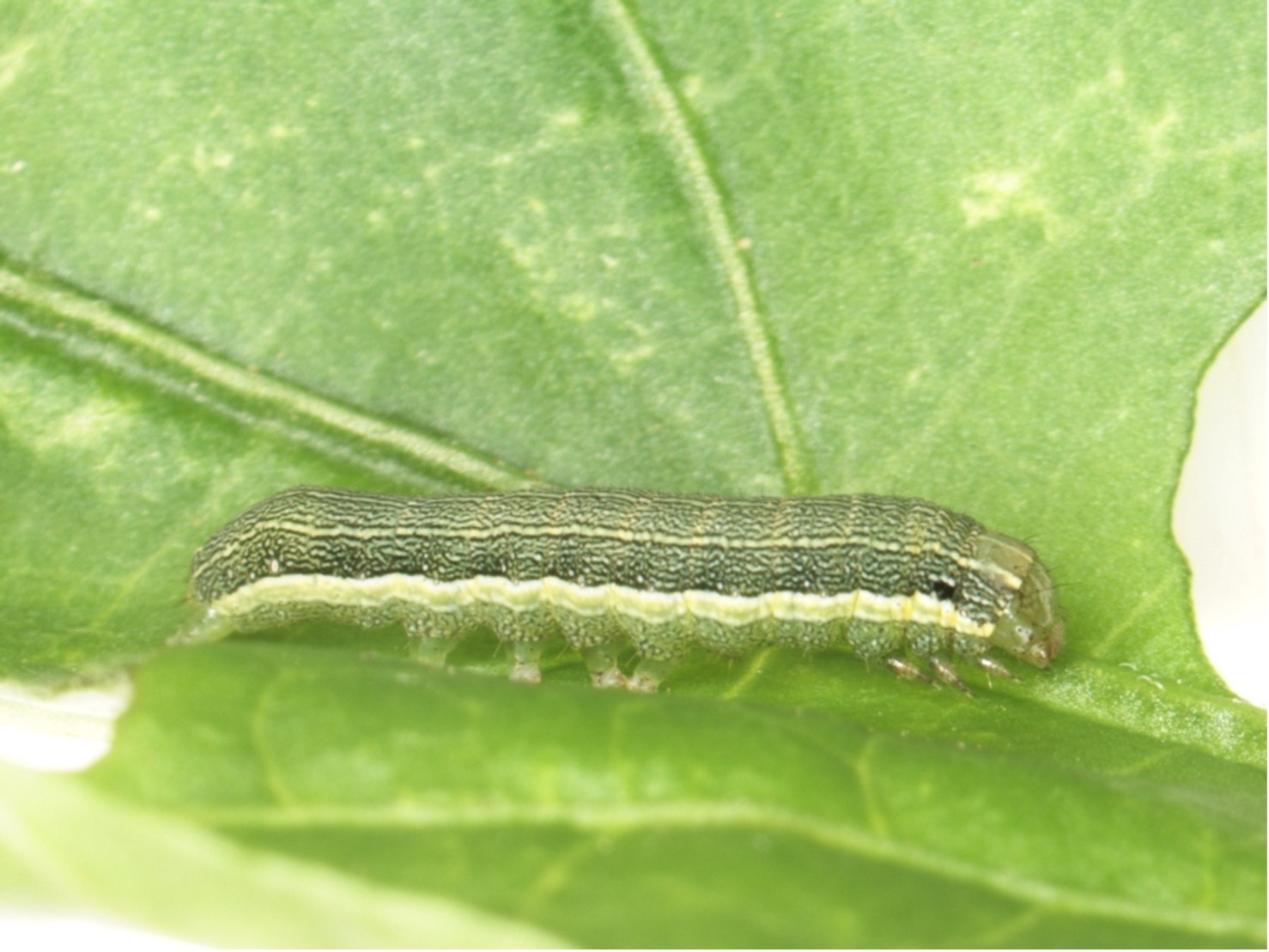
Figure 4. Beet armyworm. Photo Credit: Richard Grantham, retired, Oklahoma State University.
Soil Worm Pests in Peanuts
Granulate Cutworm, Agrotis subterranea
Granulate cutworms are mottled gray and tan in coloration with small, dark granules over their body surface (Figure 5). During the day, these caterpillars can be found under the peanut foliage, lying on the ground surface. Cutworms will feed at night on plant foliage, pegs, and pods. Yield loss from this pest results from clipping of pegs from plants and tunneling into pods.
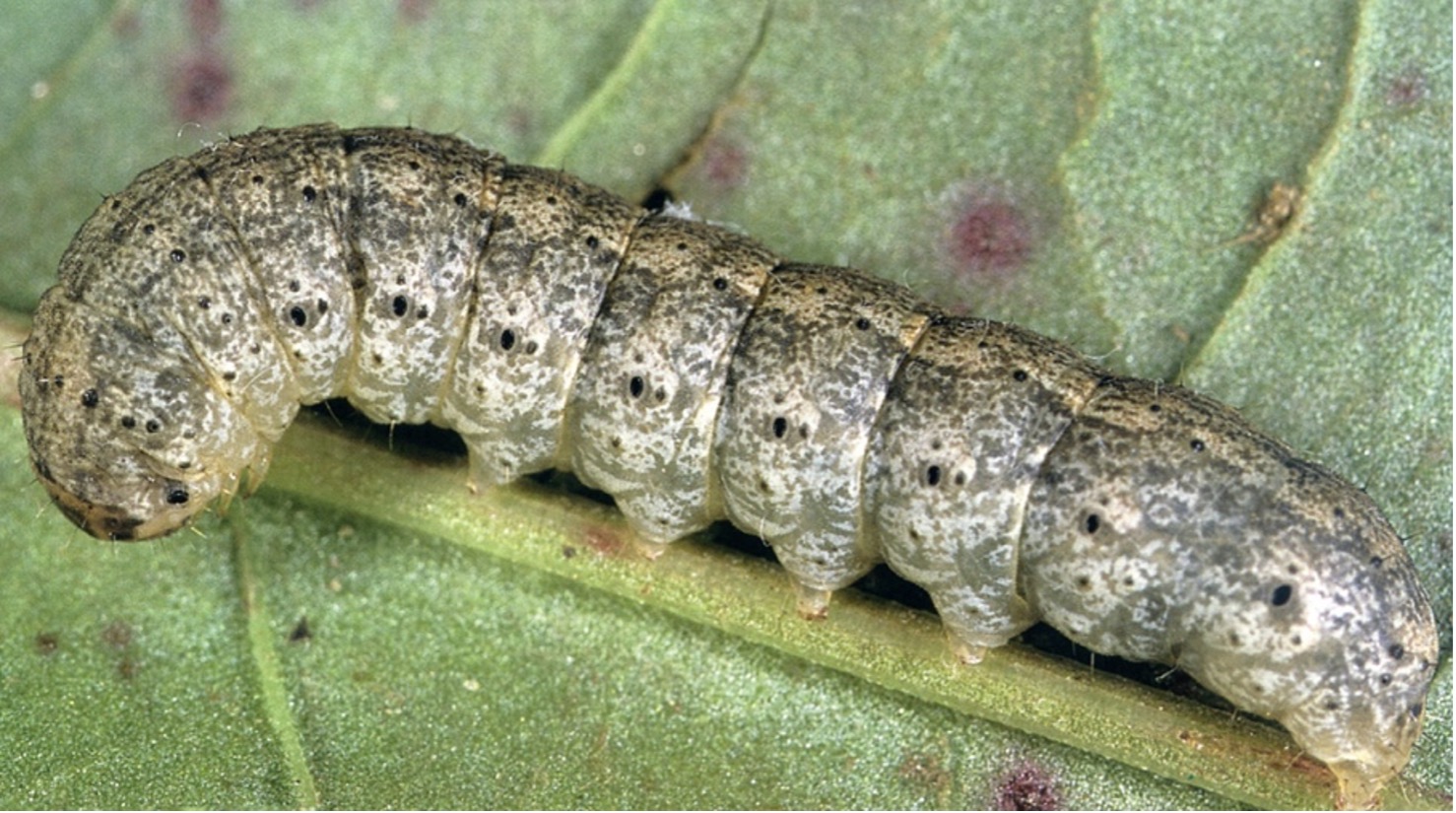
Figure 5. Granulate cutworm. Photo Credit: Richard Grantham, retired, Oklahoma State University.
Lesser Cornstalk Borer, Elasmopalpus lignosellus
The lesser cornstalk borer can be found 1-3 inches into the soil, usually in silken tubes. They are bluish-green with brown lines and mottling, as well as a narrow white line down their back (Figure 6 a and b). They also have dark brown shield on their first segment. These insects will bore into peanut stems, crowns, and pods.
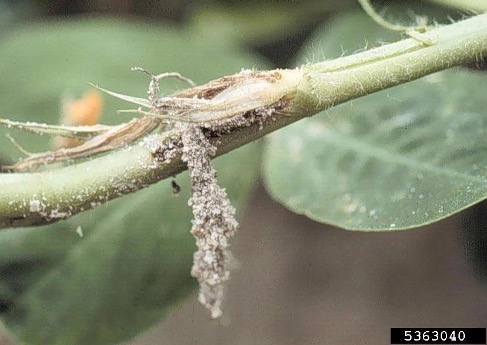
Figure 6a.
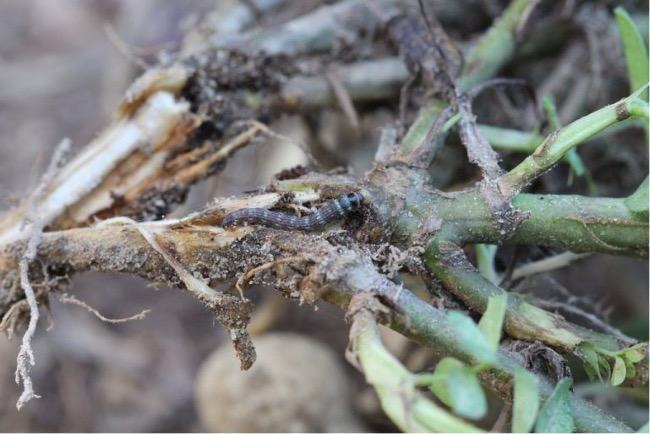
Figure 6b. Silken tube of lesser corn stalk borer and lesser corn stalk borer on peanut plant. Photo Credits: University of Georgia Extension.
Wireworms, Family Elateridae and Tenebrionidae
Wireworms are soil dwelling insects that belong to two beetle families, Elateridae (click beetles) whose immatures are the true wireworms, and Tenebrionidae (darkling beetles) whose immatures are the false wireworms. In general, wireworms are smooth-skinned, cylindrical, and elongated (Figure 7). They can grow up to 1 ¼ inch in length. They have dark, sclerotized head capsules and true legs that are located near their head.
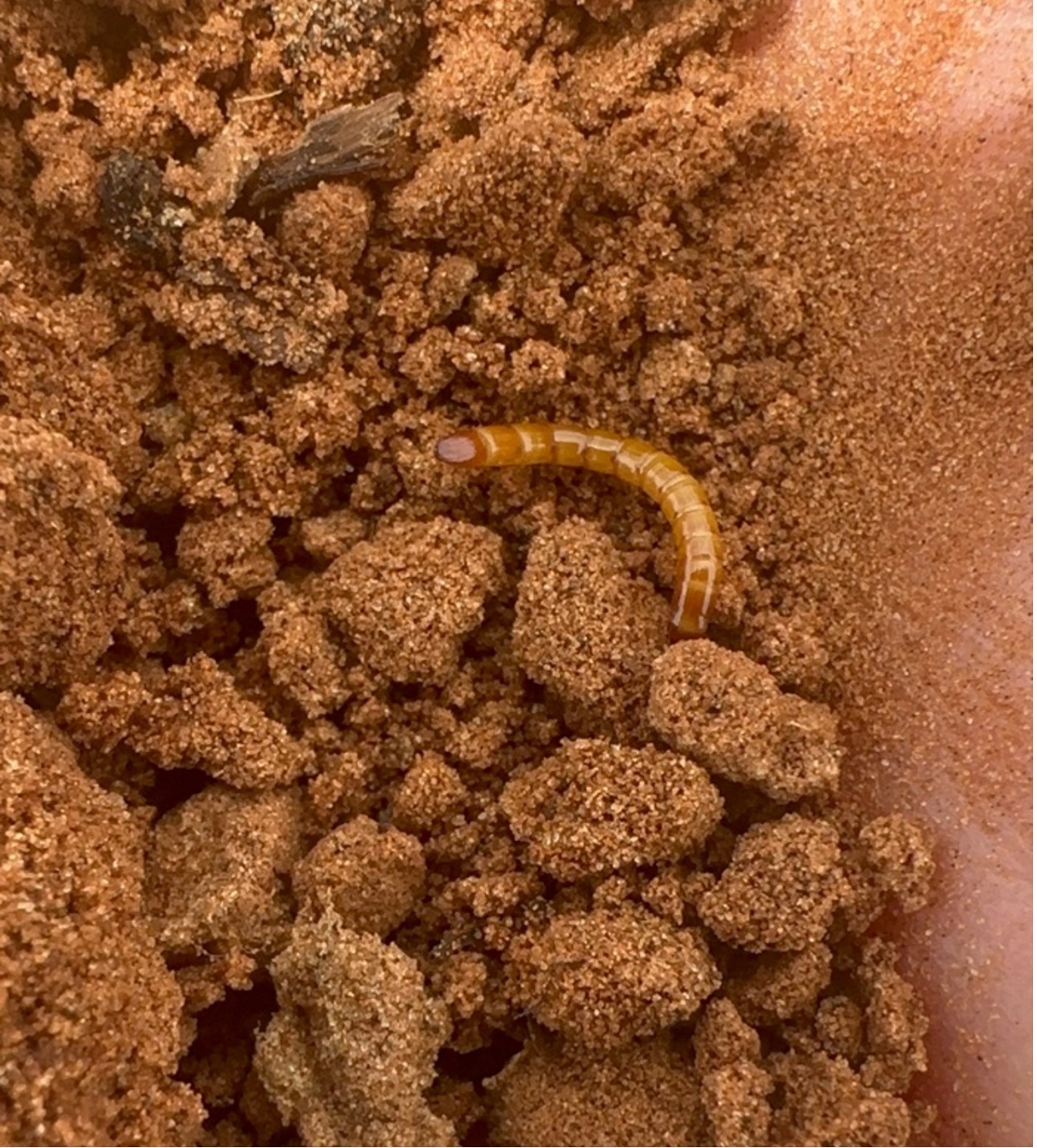
Figure 7. True wireworm. Photo Credit: Ashleigh Faris, Oklahoma State University.
Southern Corn Rootworm, Diabrotica undecimpunctata howardi
The southern corn rootworm is the larval form of the spotted cucumber beetle. They are creamy white in color with a wrinkled appearance, brown head, and a dark spot on their posterior end (Figure 8). These insects prefer moist soils, particularly low spots where water pools.
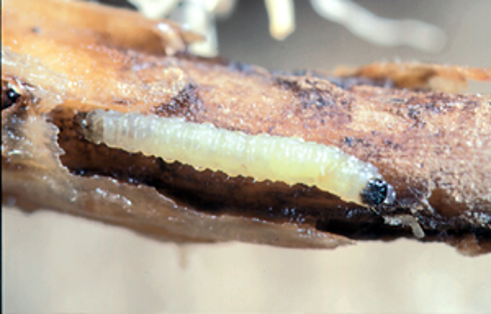
Figure 8. Southern corn rootworm. Photo Credit: John Obermeyer, Purdue University.
Scouting & Damage
In general, foliage feeding will result in ragged margins and holes in leaves (Figures 9 & 10). Worms may also feed on terminals and flowers so scouting for damage alone is not recommended. The adult stages of these pests, moths, can be monitored with pheromone traps suspended at canopy height. While captures are not good indicators of population density, they do indicate the presence of the moths in an area. Once moths are detected, begin scouting for eggs and worms.
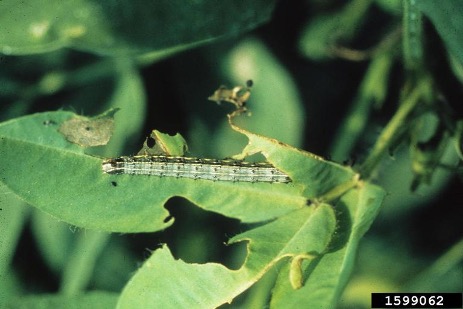
Figure 9. Fall armyworm damage in peanuts. Photo Credit: John C. French Sr., Universities: Auburn, GA, Clemson, and U of MO, Bugwood.org.
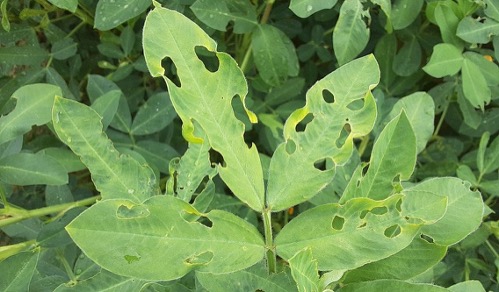
Figure 10. Symmetrical feeding damage due to plant terminal feeding by the rednecked peanutworm. Photo Credit: Ethan Carter, University of Florida.
To scout for soil pests, check a minimum of five locations per field (more locations will improve greater scouting accuracy). At each location, carefully examine 5 plants by removing them from the soil so roots, pegs, and pods can be observed for damage and larvae (Figure 11). Examine the soil around the plant for any larvae, do so without overly disrupting the soil as this will cause soil dwelling pests like wireworms to burrow further. If two or more larvae are found on a plant, it should be considered infested.
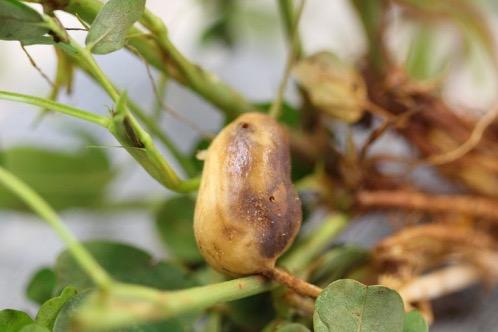
Figure 11. Rootworm injured peanut pod. The discoloration seed around the feeding holes developed after placement in a refrigerator overnight. Photo Credit: Mark Abney, University of Georgia.
Management
It is important to be aware that most of the worms listed in this pest alert are attacked by a variety of beneficial insects that provide natural control of pest populations. Frequently, serious damage by foliage feeders results from destruction of beneficials with unwarranted, broadspectrum insecticide applications. For the most part, peanuts can lose a lot of leaf material without impacting yield so do not spray unless necessary. The threat of yield reduction due to defoliation exists when plants are from 60-90 days old. Producers should check fields regularly during July and August for the presence of foliage feeding worms and apply insecticides if populations exceed 6-8 larvae/row ft. If cutworms are feeding on pegs or pods, treatment should begin if larvae exceed 2-3 per row ft. in peanuts. For soil pests, infestation levels higher than 15% should be treated. Early, small instar larvae, are most susceptible to insecticide treatments (Figure 12) so early and frequent monitoring is important. Do not expect complete control of later instars or high populations of worms.
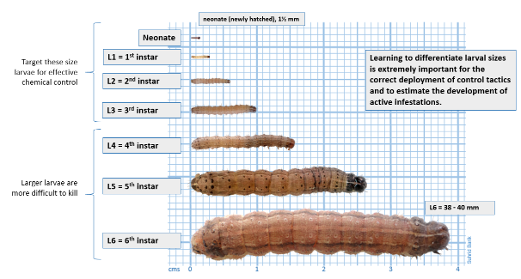
Figure 12. Larvae size and chemical control. Note that the neonate (newly hatched), 1st – 3rd instars are the life stages that are most effectively controlled by insecticides. Larger larvae, 4th – 6th instars are more difficult to kill. Photo Credit: Corteva Agriscience™.
Prior to applying insecticides, consider the presence of beneficial insects, behavior of the insect pest, mode of action for the insecticide, and the economic threshold of the pest. In cases where the insect is feeding in a part of the plant where insecticides will not reach, an insecticide application is not recommended. This is the case for rednecked peanutworms. Due to their feeding in the plant terminals, contact insecticides are not effective for rednecked peanutworms and unless extremely high populations are present (80-100% terminals infested) no insecticide application is recommended.
Pyrethroids are a common choice for foliar worm control in peanuts, but some parts of the U.S. have seen a loss in pyrethroid efficacy against earworms. Always read and follow label instructions, be aware of re-entry and harvest waiting periods prior to applications. Alternative products labeled for foliar worm control in peanuts include Prevathon, Vantacor, Beseige, Diamond, Steward, Radiant, Intrepid Edge, and Blackhawk. For details on additional insecticides control options see OSU Fact Sheet CR-7174.
For soil dwelling worms, infestations are often most severe in no-tillage or reduced-tillage operations, particularly following grain crops. Insecticide applications for soil dwelling pests are tricky due to the extremely limited availability of chemical control options. Bifenthrin is one option which can be applied through the pivot for delivering insecticides to soil dwelling pests. Insecticide seed treatments will also offer control for 3-4 weeks and in many cases are the most effective means for preventing soil borne insect damage. We have likely experienced reduced seed treatment efficacy this year due to the continuous rainfall in our sandy soils. Outside of insecticides, other ways to reduce soil dwelling pests is to remove residue from fields which eliminates habitats for these pests to reproduce and live in outside of the growing season. Another option is tilling which will expose the insects to birds and other predators. Select the best option based on your agronomic practices and investment when soil dwelling insect management is needed.