

Grapevine Trunk Decline in Oklahoma Vineyards - February 10, 2025
Grapevine trunk decline (GTD) is an economically important disease of grapevine worldwide. However, this disease has received little focus in Oklahoma vineyards. As part of the study initiated in 2024 to survey and characterize major diseases of grapevines in Oklahoma, grapevines with symptoms of GTD were identified in multiple vineyards across Oklahoma. GTDs cause vine declines and eventually lead to death of the vine in the long term, requiring vine renewal.
GTD is very complex, and more than 100 fungi have been associated with the disease. This makes it difficult to define the latency period (asymptomatic phase) for each pathogen causing the disease, presenting a problem for growers, nursery and scientists. Symptoms may also vary from year to year, and a vine that is symptomatic in one year may become asymptomatic the following year. Asymptomatic infections can easily lead to cross contamination, making latent infections problematic during the different stages of propagation such as cuttings, grafting and pruning.
GTD fungi grow through the wood, blocking the xylem vessels (the plant’s water conducting system) and the phloem elements (the plant’s sugar transport system). This prevents the flow of water and nutrients to the canes and cordons. The disease is characterized by a multi-year decrease in vine productivity and increase in vine mortality. All grapevine varieties, including European grapes (Vitis vinifera), American hybrids and interspecific hybrids are susceptible to GTDs. The more common GTDs are Bot dieback (caused by Diplodia seriata, Lasiodiplodia crassisipora); Esca disease, Petri disease, black measles and apoplexy (caused by Phaeomoniella species, Phaeoacremonium species and Formitiporia species); and Eutypa dieback (caused by Eutypa species). In young vineyards, GTDs can cause an early sudden decline that is similar to what is found in older vines, called young vine decline (YVD). YVD symptoms include reduced vigor, stunted or lack of growth, shortened internodes with few chlorotic leaves, dark brown discoloration of the vascular tissue, necrotic lesions in the root and at the base of the rootstock.
Oklahoma vineyards showed a variety of symptoms of GTD in samples recovered during the dormant and active growth stages of grapevines (Figures 1a, 1b, 2a and 2b). Molecular identification confirmed the presence of GTD-causing species such as Eutypella vitis, Phaeoacremonium species, Diplodia seriata and Botryosphaeria dothidea from multiple samples in Oklahoma vineyards. We also recovered Diaporthe ampelina (synonym Phomopsis viticola) and other fungal species which may not be involved in rapid trunk death but may indicate that the vines have had other problems. Fungus in the Xylariaceae (most likely Biscogniauxia species) were also recovered from the sample and may suggest that some of the wood was already dead. GTD fungi were recovered from both symptomatic and asymptomatic trunk, suggesting early stages of infection in asymptomatic trunks.
Early prevention is critical to managing the disease, especially in new vineyards. Diagnosis based on symptoms is usually sufficient but confirmation of the specific species causing the disease may require additional expert diagnosis. Oklahoma growers can submit their samples to the OSU Plant Disease and Insect Diagnostic Laboratory for confirmatory diagnosis.
Maintaining healthy vines helps reduce the impact of GTDs, since they are more severe in stressed and poorly maintained vines. Improving pruning strategies such as double pruning can help improve disease management. This helps to remove wounds that may have been infected in the initial pre-pruning at the second pruning. Another pruning caution is to avoid pruning when it is wet or rainy as this can easily spread disease inoculum. If fungicides are applied to protect pruning sites from GTDs, they should be applied within 24 hours of pruning. Products labeled in Oklahoma include Rally® 40WSP and Topsin® M WSB. Paints, used as wound protection, can also help to protect pruning cuts. Early removal of infected trunks and retraining new cordons have also been shown to delay GTD severity. Fungicides in the benzimidazole (FRAC group code 1), triazole (FRAC group code 3) and strobilurin (FRAC group code 11) groups have been shown to be effective against pathogens causing GTD. Most of these studies are based on in vitro bioassays and only a few have been shown to be effective in field conditions. When these fungicides are used in spray programs, efforts should be made to rotate fungicides with different FRAC group codes to manage fungicide resistance development. Please see the OSU Commercial Grape Insect and Disease Control – 2022 Factsheet (CR-6252) for additional information on fungicides recommended for Oklahoma vineyards.
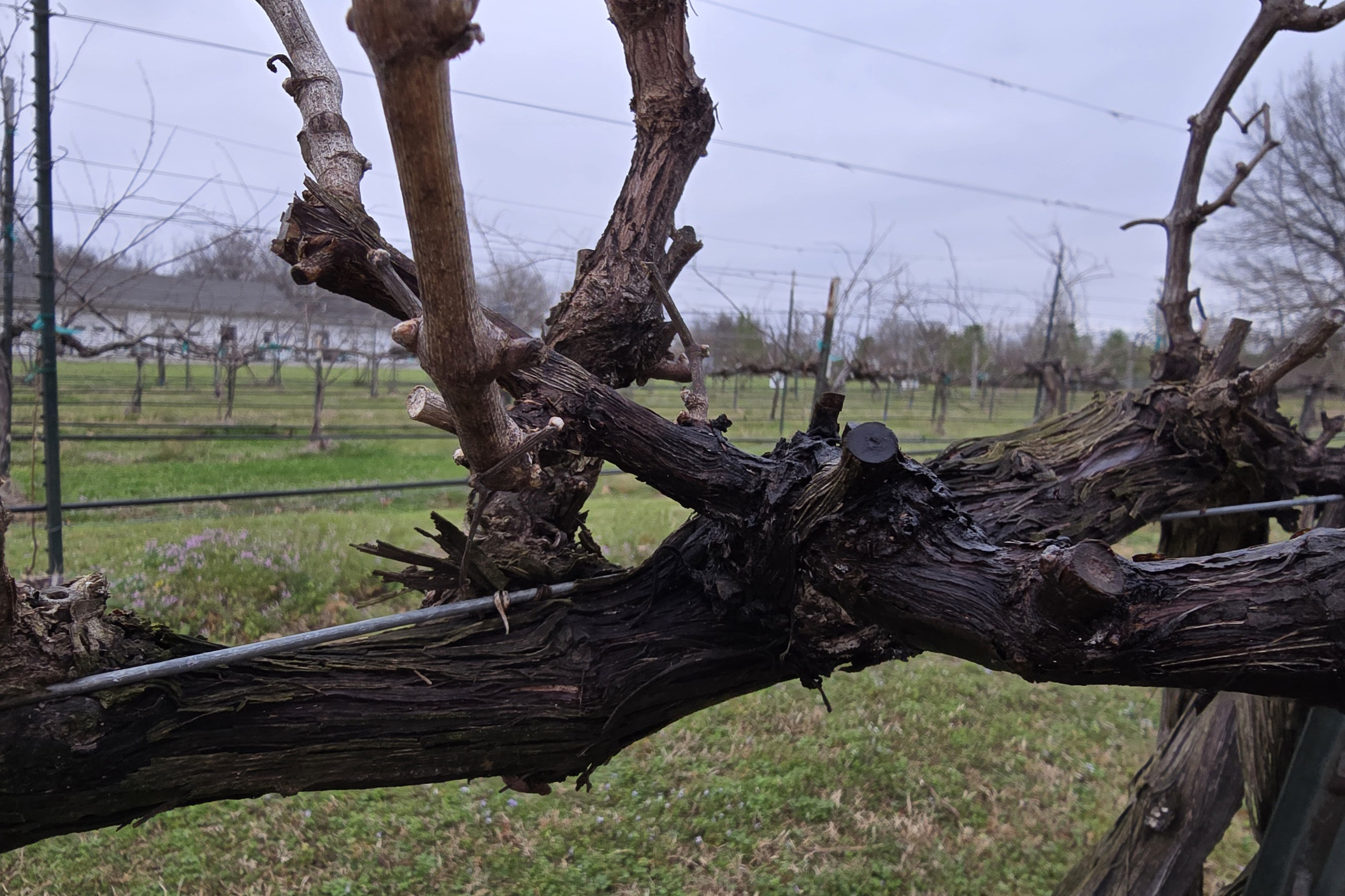
Figure 1a. Trunk decline symptom in Tempranillo variety in Oklahoma recovered during the dormant stage.
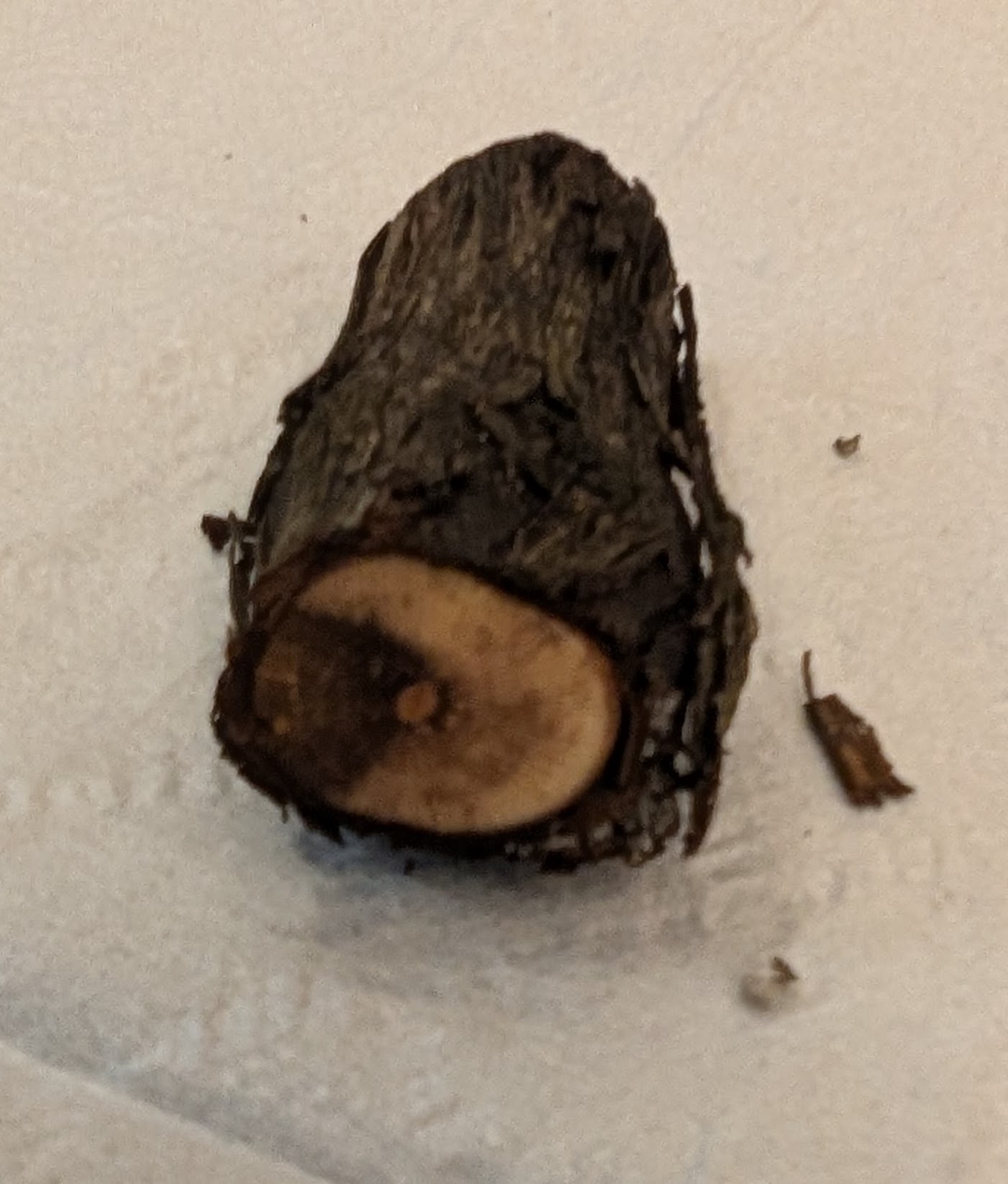
Figure 1b. Botryosphaeria dothidea, Diplodia seriata, Fusarium species and Helminthosporium spp. were isolated from diseased sample.
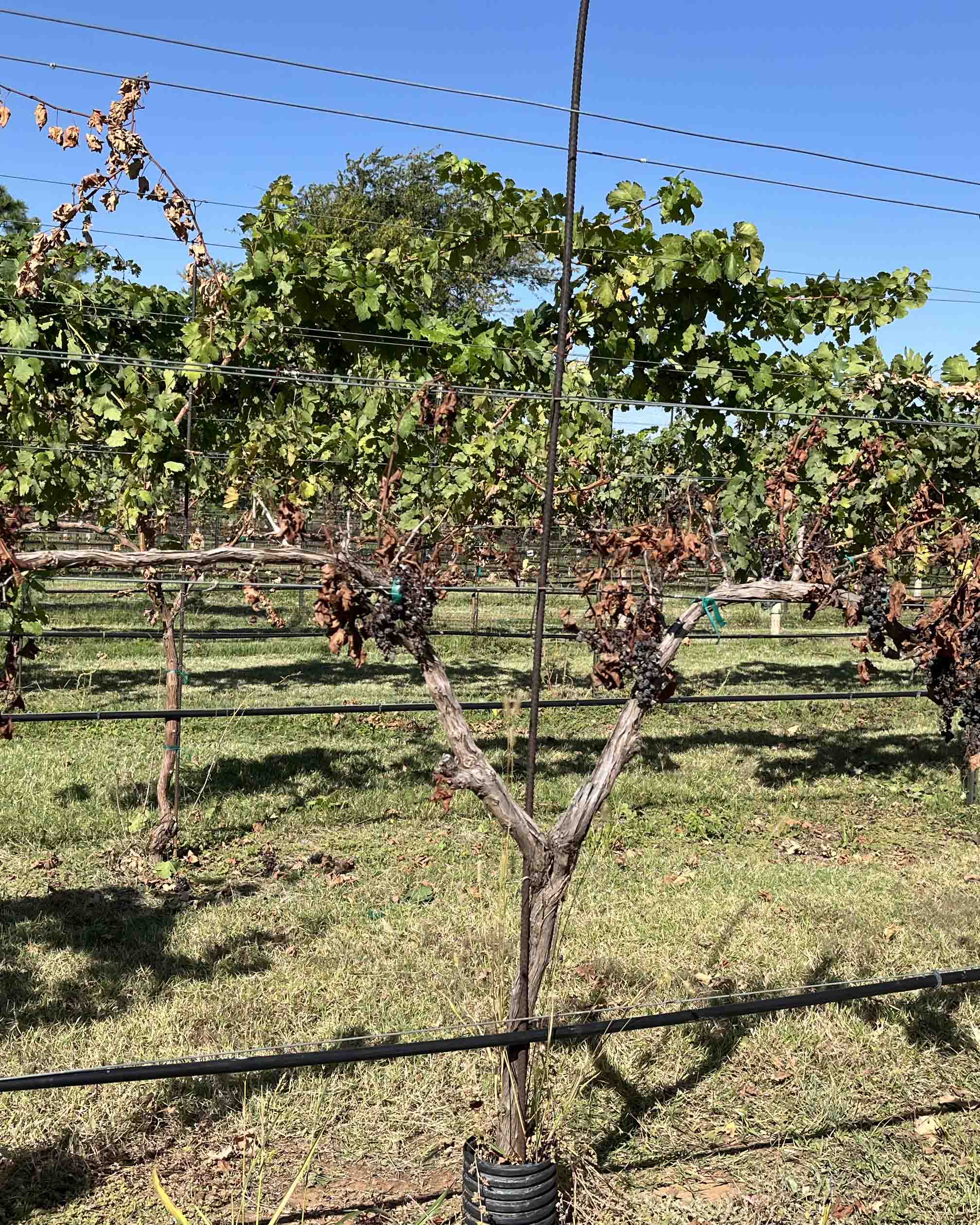
Figure 2a. Rapid decline in Cabernet Savignon in a vineyard in Oklahoma.
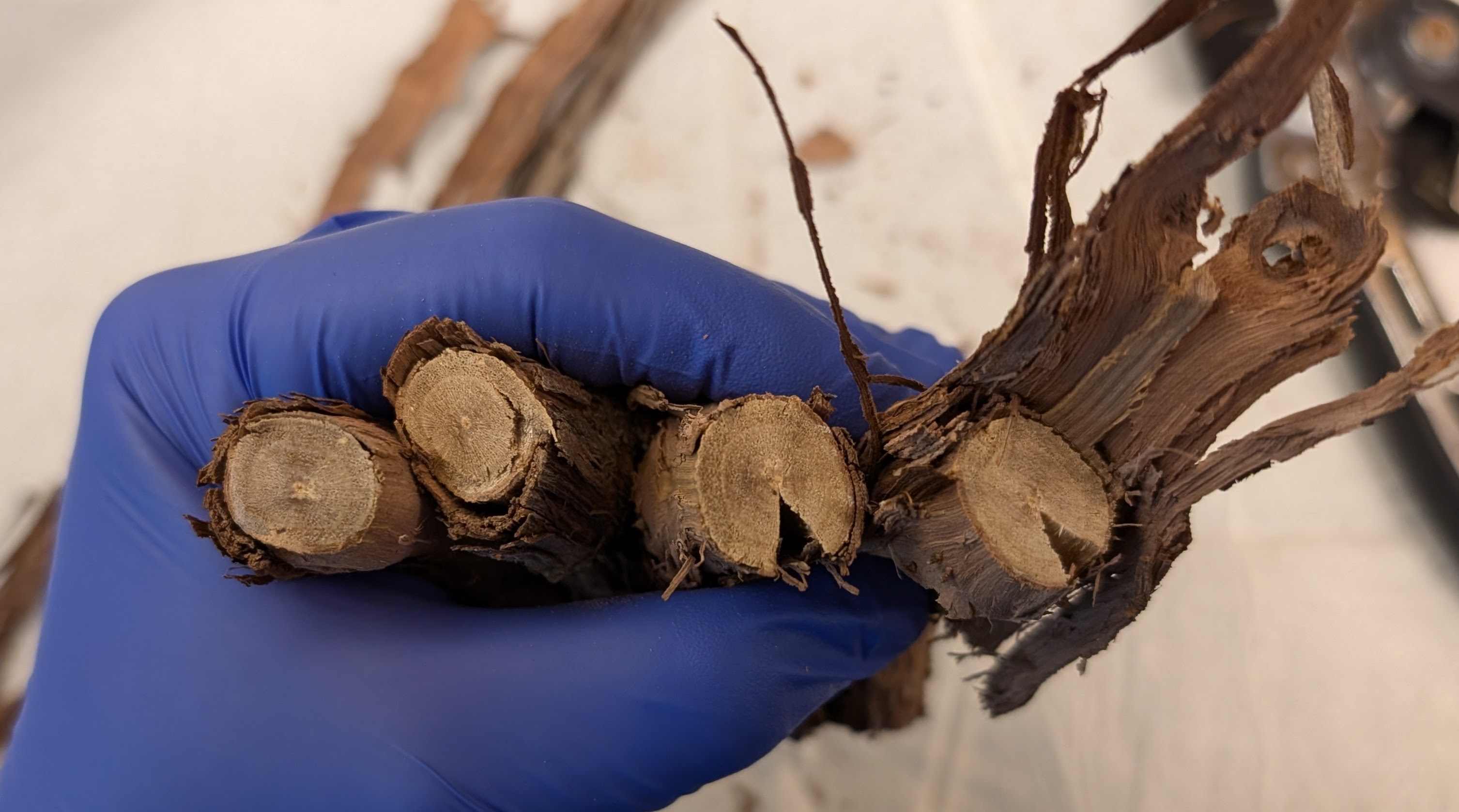
Figure 2b. Eutypella vitis and Botryosphaeria dothidea were recovered during grape active growth stage. We also recovered Diaporthe ampelina (synonym Phomopsis viticola) and a fungus in the Xylariaceae (most likely Biscogniauxia).