

Ag Insights October 2025
Wednesday, October 1, 2025
Free Ag Pesticide Disposals
Josh Bushong, Area Extension Agronomist
The Oklahoma Department of Agriculture, Food, and Forestry (ODAFF) and OSU Pesticide Safety Education Program are teaming up once again to offer the opportunity for applicators, farmers, or citizens to properly dispose of any unwanted pesticides. ODAFF funds this Unwanted Pesticide Disposal Program to provide a free service to prevent unlawful disposal of pesticides.
The first event this fall will be in Pond Creek at the Grant County Expo Center on November 12, 2025. The second event will be in Clinton at the Custer County Fairgrounds on November 13, 2025. Both events will be held between 8am and 1pm. These are the final two events planned for this year, but any future events will be posted at the OSU Pesticide Safety Education website.
Oklahoma commercial and non-commercial applicators and pesticide dealers may participate. Oklahoma farmers, ranchers, and homeowners can use this program as well. There is no cost for the first 2,000 pounds of pesticides brought in by a participant. Anything more than 2,000 pounds will be charged to the participant.
Applicators, homeowners, farmers, and ranchers are not required to pre-register. Dealers are asked to voluntarily pre-register with the OSU Pesticide Safety Education Program. Dealers are asked to pre-register to allow the hazardous waste company to properly plan for larger quantities.
So, what are unwanted pesticides? When pesticides become unusable as originally intended for various reasons, they are considered unwanted. Unwanted pesticides can result from both good and bad management practices. Leftover pesticides that have a limited shelf life may undergo changes rendering them unusable. Pesticides also become unusable when they are no longer registered in the state of Oklahoma. Unwanted or waste pesticides can also result from lost labels on the container making them no longer identifiable.
Pesticide is a general term for any chemical or product that is used to destroy, prevent, or control a pest. Herbicide, insecticide, fungicide, defoliant, desiccant, miticide, rodenticide, and nematicide are all examples of pesticides. Products that participants are not allowed to bring include fertilizers, micronutrients, waste oil, or any other non-pesticide material.
ODAFF will not use your participation to prosecute for illegal management or possession of pesticides. The main objective of this program is to remove unusable pesticides from storage and reduce the potential threat to public health and the environment. Participants using this opportunity to properly dispose of pesticides will not be asked to provide names or any other details on their chemicals.
Transportation of pesticides to these events is the responsibility of the participants. Wearing appropriate personal protection equipment is always recommended when handling pesticides. Inspect all unwanted pesticides to see that they are securely packaged. Do not transport pesticides in areas occupied by passengers.
Lining the storage area or trunk with plastic sheeting is a good practice to prevent spillage. Containers 5 gallons or smaller can be placed in a bucket or plastic storage container if they show signs of leakage.
The Unwanted Pesticide Disposal Program has been very successful. Since 2006, this program has collected more than 1.5 million pounds of unwanted pesticides. The program is a service designed to remove unusable pesticides from storage and reduce the potential threat to public health and the environment and participants in the program will not be prosecuted for illegal management practices.
For more information visit your local OSU Extension office or visit the OSU Pesticide Education Safety Program.
Knowledge is Power When Evaluating Cube Feeder Accuracy
Dana Zook, NW OK Area Livestock Specialist
I recently read an article that discussed a unique spin on how to use the profits from strong cattle prices. Typically, high cattle prices automatically jump-starts the expansion discussion. This author suggested that instead of automatically buying expensive additions to the herd, some people might be drawn to use extra profits to invest in their current operation. Now don’t think I’m talking about upgrading your equipment (I’m looking at you, shiny ’26 F-250), although that might be needed. One of his suggestions was addressing your winter grazing system. This could include adding fencing, watering infrastructure or planting cool season forage. I think these are EXCELLENT ideas, but I also like to look at simple things first. To me, testing hay, evaluating local supplement prices, and then making the most cost-effective supplement choice are easy first steps. Another east task would be testing your cube feeder for feeding accuracy. Based on local data collected at cube feeder calibration clinics, we feel that some producers might be overlooking the importance of confirming feed delivery.
Since 2021, OSU Extension Educators have been offering Cube Feeder Calibration Clinics to help producers better understand their cube feeders. In that time, 341 producers attended 50 clinics hosted at coops and extension offices across Western Oklahoma. These clinics are unique, providing insight into feed delivery in a drive-thru sessions that take no more than 5-10 minutes. We work with producers to confirm feed delivery with any commodity they have in their feeder while also providing insight into nutrition for their beef herd when needed.
Data from the last three years of clinics have revealed some interesting insight into the use of cube feeders. Our data shows that producers utilized a variety of ways to measure their feed delivery (digital counter, mental count, trip, stopwatch, scales), but digital counters were the best in improving consistency. A variety of brands were testing (3C, Trip Hoppper, Bar-6, Crownline, Hydrabed, Deweese, and Bar-S) but the 3C Feeder stood out among those sampled being the most accurate (104%) only feeding 4% more than expected. Across all brands within our test, producers on average were overfeeding by 13%.
What is 13% to you? Well, a real-world example of this would be a producer feeding 50 cows 5 pounds of cubes per day that cost $350/ton. By feeding an extra 13% per day, this producer would instead be feeding 0.65 additional pounds per cow or 32.5 additional pounds to the group per day. This extra cost would inflate a feed bill by $5.68 daily or $681.60 over a 4-month feeding season.
In addition to collecting data, Extension Educators and Area Specialists also address timely producer questions about hay testing, forage quality, and supplement options during feeding season. Knowledge is power. If you are looking to make an investment in your winter-feeding routine, consider attending one of the upcoming cube feeder calibration clinics in your area listed below. I have listed our clinics for the fall but if you don’t see one in your area, contact for local county OSU Extension office for assistance.
- 10/1 at Dacoma Farmers Coop in Freedom, OK 9am-12pm
- 10/7 at Stillwater Milling in Perry, OK 8am-10am
- 10/14 at Two Rivers Coop in Marland, OK 11am-1pm
- 10/29 at Farmers Coop in Laverne, OK 8am-10am
- 10/30 at Farmers Grain in Nash, OK 9am-11am
- 10/31 at Farmers Grain in Nardin, OK 8am–11AM
- 11/7 at Dacoma Farmers Coop in Waynoka, OK 11am-1pm
- 11/10 at Crescent Coop in Crescent, OK 8am-11am
- 11/12 at Farmers Grain in Caldwell, KS 9am-11am
- 11/14 at Burlington Coop in Burlington, OK 8am-11am
- 11/20 at Two Rivers Coop in Newkirk, OK 8am-11am
What’s Up With Canola?
Alberto Amador, West Area Ag Economics Specialist
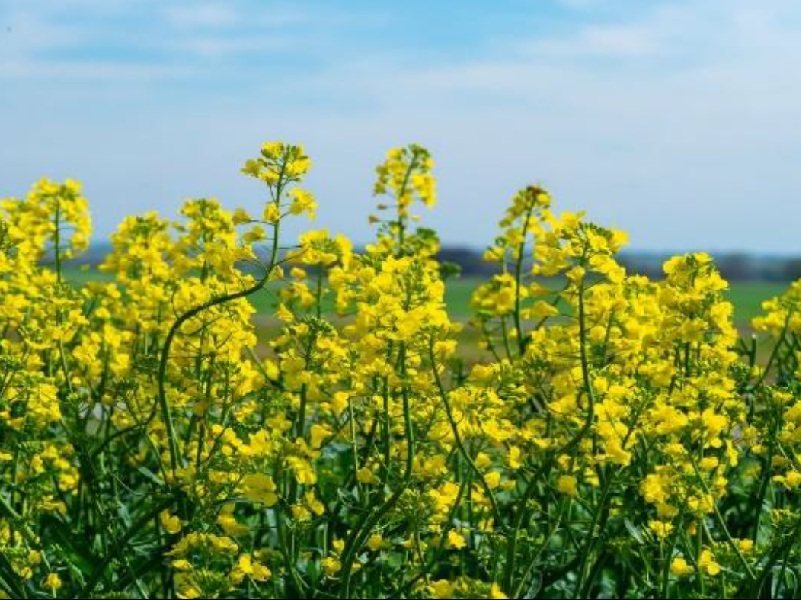
A couple of weeks ago there was the Regional Canola Meeting in Garfield County, and I had the opportunity to attend this great event. It provided invaluable insight including results from variety performance trials, agronomic practices, marketing trends, and producers’ personal experience. All of these reasons inspired me to write about canola on this occasion although planting dates are right around the corner, I hope the following information will be useful.
Canola is a winter crop which has been utilized as an alternative rotational crop in Oklahoma because it fits well with small grains. Canola doesn’t share diseases with small grains and can also help with weed control in wheat. However, it’s important to keep in mind that good management is crucial to achieving good outcomes.
Canola is classified as an oilseed crop. Hence, it’s correlated with the most popular oilseed crop, soybeans. In other words, canola prices and demand are largely influenced by soybean consumption and prices, since both crops produce oil as a secondary product. They are substitute goods and compete in the market. With this in mind, let’s take a look at soybean and canola forecasts.
Soybeans
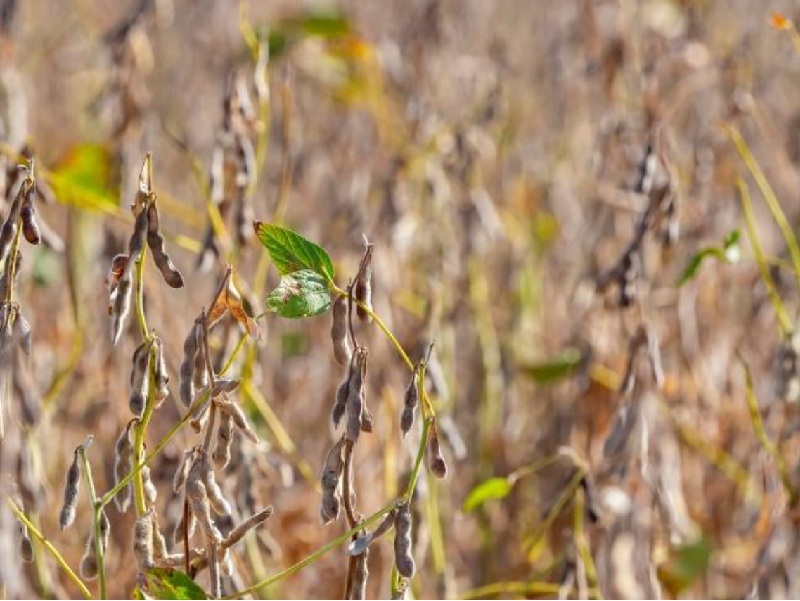
The most relevant oilseed crop, soybeans, is facing uncertainty in global trade. The expected domestic production has declined mainly due to a decrease in planted and harvested acreage although the yield forecast has increased, reaching 53.6 bushels per acre. In this low supply context, exports are trending downward despite the fact that U.S. soybean prices remain lower than Argentina and Brazil. The U.S. Environmental Protection Agency (EPA) has proposed a measure to encourage biofuel production based on domestic soybean oil and reduce soybean oil imports. Under this policy, soybean crush demand is projected to grow by 50 million bushels to 2.54 billion. This action has raised the U.S. soybean oil prices by 11%, making them less competitive in the global market. On the other hand, soybean meal supply is expected to increase, supporting higher exports under lower price conditions.
Canola
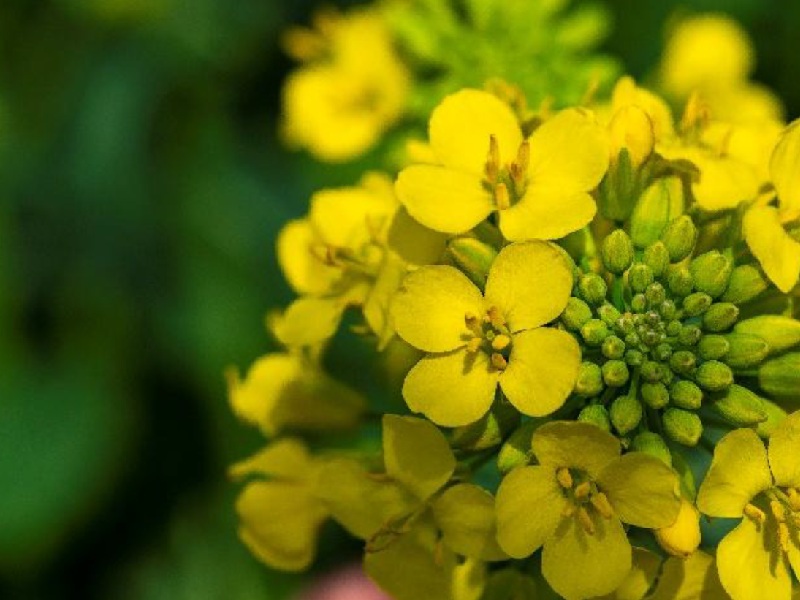
According to the July USDA, WASDE report, domestic canola production for 2025/26 is projected to decline due to reduced acreage, while demand for crush continues to increase. As a result, canola imports are forecast at 0.9 billion pounds, an increase of 0.4 billion pounds from last year. If this projection occurs, canola crushing will reach its highest level. However, high crush demand means lower exports. The forecast shows a decline to 0.4 billion pounds, compared to a record-high 0.6 billion pounds in 2024/25.
Canola oil demand has also risen from previous marketing year, reaching 8.2 billion pounds. However, projected biofuel use has declined 0.8 billion pounds compared to last month though it remains higher than last year’s level. Food, feed, and other industrial uses are forecast to increase 0.3 billion pounds from last year, reaching 4.7 billion pounds.
The prior projections are closely tied to soybean oil dynamics. As mentioned above, the expected soybean oil demand is rising, with much of its supply being allocated to that sector. This creates opportunities for canola oil to meet demand in food production. In line with this, canola oil prices are forecast at 58 cents per pound, following the soybean oil trend.
In brief, for the current marketing year, soybeans and canola production is expected to remain tight while crush demand for both crops is robust. The mixture of these factors is likely to reduce exports and continue supporting higher oil prices. If you are a canola producer or are considering planting canola this year, this outlook is important to consider. For any questions about canola or any other crop, please feel free to contact your local OSU Extension County office.
Highly Pathogenic Avian Influenza H5N1: A Continued Concern for Poultry Producers
Barry Whitworth, DVM Senior Extension Specialist/BQA State Coordinator, Department of Animal & Food Services, Ferguson College of Agriculture, Oklahoma State University
Highly Pathogenic Avian Influenza (HPAI) H5N1 continues to be a concern for backyard and commercial poultry producers. The disease has resulted in flock losses, reduced income, and trade restrictions. In September alone, eleven commercial flocks in Minnesota, North Dakota, and South Dakota were infected, along with several backyard flocks in multiple states. Since the start of the current HPAI outbreak on February 8, 2022, more than 175 million domestic birds have been lost. This total includes both commercial and backyard flocks. In addition, many wild birds have also died. Mammals have not fared any better, with numerous wild and domestic animals succumbing to the virus. As wild birds begin their southern migration, Oklahoma poultry producers need to be especially vigilant in protecting their flocks.
Avian influenza (AI) is a highly contagious viral disease. While there are many subtypes of the virus, H5N1 is classified as highly pathogenic, meaning it spreads rapidly and often causes severe illness and high mortality in chickens, turkeys, and other poultry. Wild waterfowl are natural reservoirs of the virus and can shed it without showing signs of illness, making them an ongoing threat to domestic flocks.
Clinical signs of HPAI often appear suddenly and may include:
- Sudden death with no prior symptoms
- Respiratory problems such as coughing, sneezing, watery eyes, and nasal discharge
- Decreased water and feed consumption
- Drop in egg production and/or misshapen eggs
- Swelling of the comb, wattles, head, eyelids, or hocks
- Nervous system disorders, including tremors, incoordination, and abnormal head positions
The H5N1 virus spreads through direct contact with infected birds (domestic or wild), as well as contaminated equipment, feed, water, and clothing. The virus can also travel short distances on dust particles or feathers. The risk of transmission increases during wild bird migration.
Since the United States (U.S.) has no approved treatment or vaccine for HPAI, the best defense is a strong biosecurity program. Biosecurity involves management practices designed to reduce or prevent unwanted threats from entering a flock. Key protocols include limiting traffic, keeping facilities clean, and monitoring for disease.
The first line of defense is to limit traffic on and around poultry facilities. Visitors and vehicles should not enter unless absolutely necessary. If someone must enter, they should wear clean coveralls and disposable shoe covers and wash their hands before and after visiting. All visitors should dip their shoes in a disinfectant solution upon entering and exiting. No other animals, wild or domestic, should be allowed into poultry facilities.
Sanitation is a critical part of any biosecurity plan. All equipment, feeders, waterers, and buildings should be cleaned and disinfected regularly. First, remove all fecal material and dirt. Then apply disinfectants, allowing enough contact time for them to be effective. Foot baths must be properly maintained. The property surrounding poultry houses should be mowed and kept clean. Failure to cut grass or promptly clean spilled feed can attract wild birds and animals, which have been linked to the spread of HPAI.
Birds should be monitored daily. Dead birds should be collected and disposed of promptly. Producers should be familiar with the clinical signs of HPAI. Any unusual increase in sick or dead birds should be reported immediately to the proper authorities. Poultry producers can contact their veterinarian, their Oklahoma State University County Extension office, the Oklahoma State Veterinarian at (405) 522-6141, or the USDA toll-free hotline at (866) 536-7593. Prompt reporting helps limit the spread of the disease.
Avian influenza remains a major threat to the U.S. and Oklahoma poultry industries. It is the responsibility of all commercial and backyard poultry producers to take every possible step to protect their flocks and safeguard this vital industry. For more information about HPAI, poultry producers should contact their veterinarian or their local Oklahoma State University Agricultural Extension Educator. Additional information is available at the USDA H5N1 Influenza website.
Reference
Swayne, D.E. and Halvorson, D.A. 2003 Influenza. In Y. M. Saif (ed.). Diseases of Poultry, 11th ed. Iowa State Press: Ames, Iowa, 135-160.
Green, A. L., Branan, M., Fields, V. L., Patyk, K., Kolar, S. K., Beam, A., Marshall, K., McGuigan, R., Vuolo, M., Freifeld, A., Torchetti, M. K., Lantz, K., & Delgado, A. H. (2023). Investigation of risk factors for introduction of highly pathogenic avian influenza H5N1 virus onto table egg farms in the United States, 2022: a case-control study. Frontiers in veterinary science, 10, 1229008.