

Why Family Rituals Are Important
Tuesday, September 8, 2026
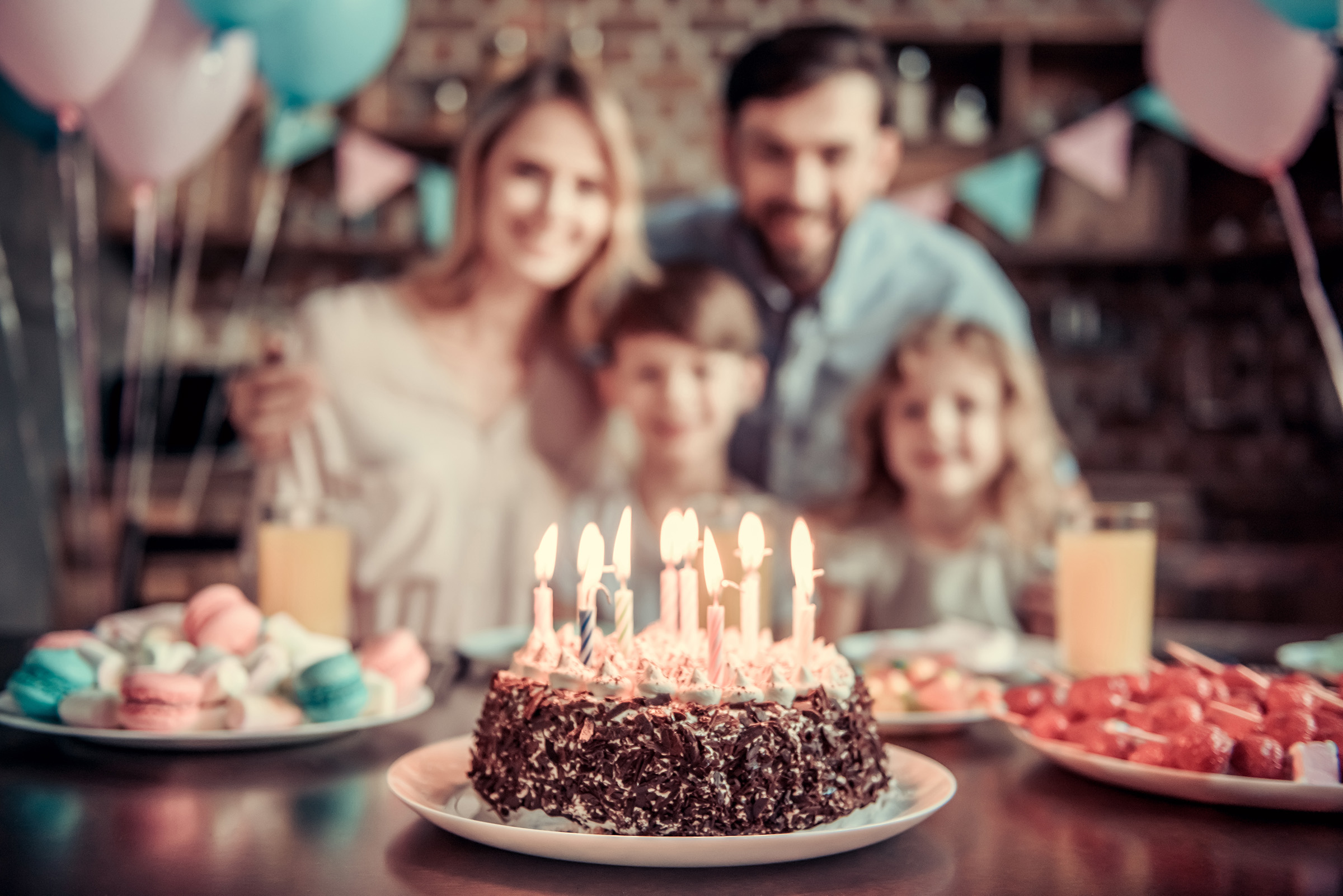 Image 1. Family traditions are important because they provide opportunities for parents and children to interact, and they help create lasting memories for all family members. (Photo by Adobe Stock Images)
Family rituals are more than activities families do regularly. They are special routines, events or traditions that share meaning for the whole family. Rituals can be simple or elaborate, planned or spontaneous, and may occur daily, weekly or annually. What makes an activity a ritual is the meaning attached to it and the sense that it is important and distinctive to the family.
Family rituals provide valuable opportunities for parents and children to interact, communicate and spend meaningful time together, said Jana Payne, Oklahoma State University Extension program coordinator.
“Whether sharing a family meal, reading before bedtime, taking an annual vacation or celebrating a birthday in a special way, these traditions can deepen relationships and create lasting memories,” she said.
Rituals also reflect a family’s culture, history, beliefs and values. They communicate what family members consider important and can help pass those values from one generation to the next. Some traditions preserve cultural or religious practices or teach children about their family’s history. Others become meaningful through repeated participation. Even small or seemingly silly traditions can help create a family’s unique sense of identity.
Family rituals can take many forms, including family meals, bedtime routines, weekend activities, vacations, holiday celebrations, religious practices, cultural traditions and family reading and recreation. Families may also establish traditions around important milestones or create their own unique routines. Over time, these experiences build a shared family history and reinforce a sense of belonging.
“Family rituals give children opportunities to practice important relationship skills in a safe and familiar environment,” Payne said. “Through regular interactions with family members, children can learn to talk and listen, share, cooperate, express emotions, resolve minor disagreements and give and receive support. Family rituals provide repeated opportunities for children to feel listened to, included, supported, respected and valued.”
Parents can strengthen a child’s sense of belonging with rituals. Participating in shared traditions creates memories and a sense of “we.” It communicates that children are important members of the family and have a meaningful place within it. Celebrating a child's birthday, for example, is about more than the occasion itself; it sends a message that the child is valued and worthy of celebration.
Meaningful family rituals should remain important as children grow older. Payne said that although adolescents naturally become more independent and increasingly turn to peers for social support, family relationships continue to matter.
It’s easy for family life to become centered on schedules, responsibilities, work, school and household management.
“Rituals create intentional opportunities to pause those demands and prioritize connection,” Payne said. “When traditions feel meaningful rather than burdensome, they can provide parents with a sense of purpose, enjoyment and connection.”
Shared rituals can strengthen relationships by fostering togetherness and reinforcing a shared identity. They can also provide stability, continuity and emotional support during stressful or uncertain times, reminding family members that they belong to and support one another.
“It’s important to remember that rituals can change as families change,” she said. “The value comes from the meaning and connection that rituals create, not from following a tradition perfectly. Adapting a tradition does not mean losing its meaning.”
Also, keep in mind that traditions don’t have to be elaborate or expensive for the family to benefit. A short, predictable activity that family members genuinely enjoy can be just as meaningful as a large annual celebration.
“There is no such thing as a perfect family ritual,” Payne said. “What matters most is creating opportunities for family members to connect, communicate, feel valued and reinforce what is important to their family. Ordinary moments can become meaningful traditions when families intentionally make them their own.”