

Smart Storage for Leftovers Helps Reduce Food Waste
Sunday, November 1, 2026
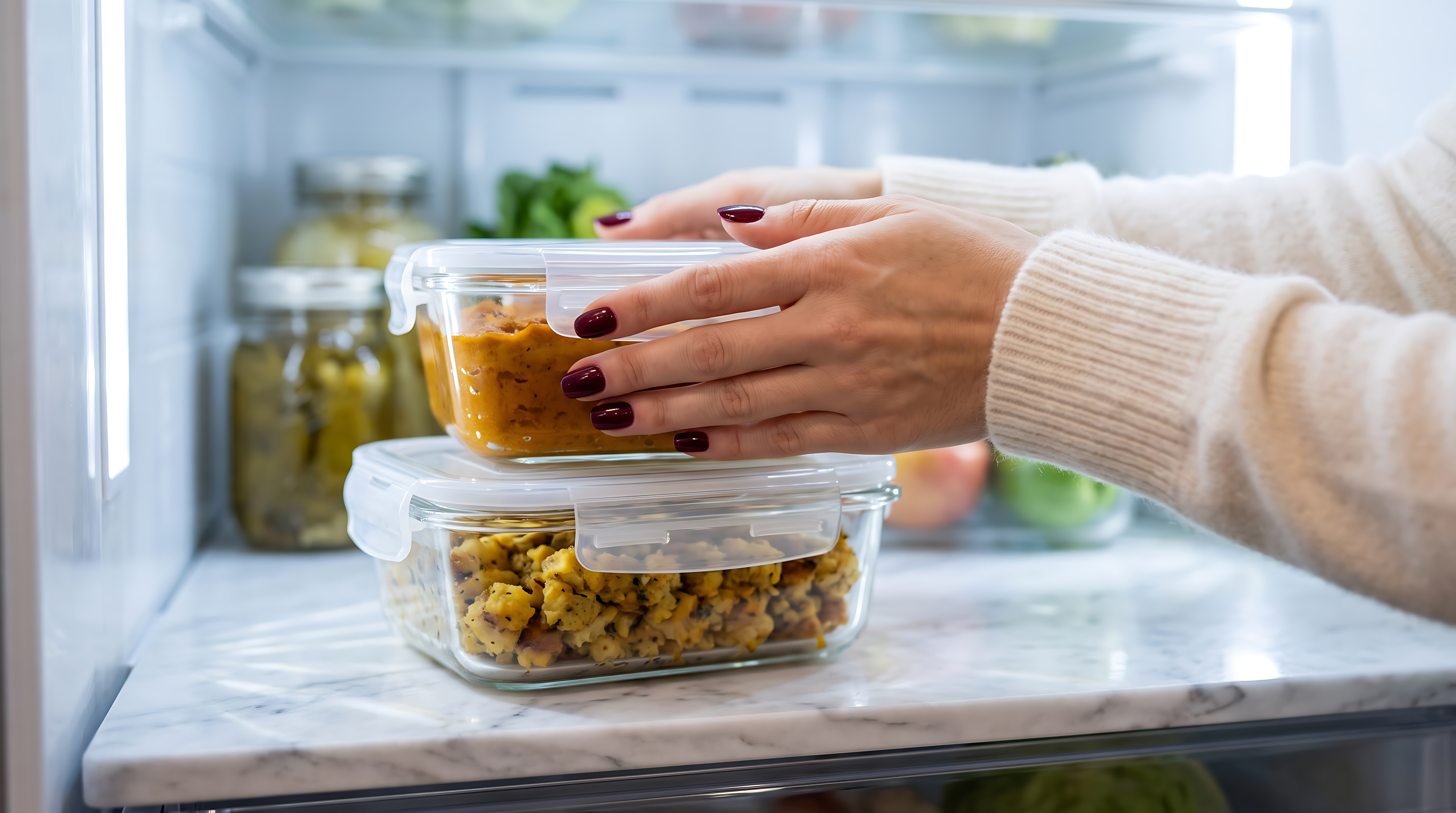 Figure 1. With food costs continuing to rise, properly storing leftovers will help reduce food waste. This is especially important as families prepare big meals during the holiday season. (Photo by Adobe Stock Images)
The holiday season is just around the corner, and for many, it’s a time to gather around the table to share favorite dishes and enjoy holiday favorites. But once the celebration ends, the refrigerator can quickly fill with leftover turkey and ham, and all the side dishes and desserts the family loves. With a little planning and proper food storage, families can enjoy those holiday favorites while reducing food waste and keeping food safe.
Christi Evans, Oklahoma State University Extension food safety specialist, offers these tips for safely eating and storing holiday leftovers.
Plan ahead to reduce waste. Before the meal, serve only the amount of food guests are likely to eat and keep extra portions refrigerated until needed. Planning one or two meals around leftovers can also help. Turkey soup, vegetable frittatas and grain bowls are easy ways to turn extra ingredients into something new.
“As much as you love turkey and all the trimmings, eating the same thing several days in a row can get old,” Evans said. “Turning leftovers into something new adds more variety to meals after the holiday.”
Refrigerate leftovers promptly. Perishable foods should be refrigerated or frozen within two hours of serving. If food has been sitting in temperatures above 90 degrees Fahrenheit, that window drops to one hour.
To help food cool quickly, divide large amounts into smaller portions. Carve turkey and other large cuts of meat, then place leftovers in shallow containers. Store food in covered containers or sealed bags and label each one with the contents and date.
“After carving the turkey, use the carcass to make delicious turkey broth that can be used to make soup later on,” she said. “Or, use the broth in place of water when making rice to add extra flavor.”
Keep storage temperatures safe. Set the refrigerator at 40 degrees Fahrenheit or below and the freezer at 0 degrees Fahrenheit or below. An appliance thermometer can help ensure both are maintaining safe temperatures.
Refrigerated leftovers should be used within three to four days. If food will not be eaten within that time, freeze it for later. Frozen leftovers remain safe indefinitely when kept continuously frozen, although their quality may decline over time. For best quality, the U.S. Department of Agriculture generally recommends using frozen leftovers within three to four months. The USDA’s FoodKeeper resource offers storage guidance for specific foods.
Remember, freezing does not make food safe if it has already been mishandled. Freezing slows or stops bacterial growth, but it does not reverse the effects of leaving perishable food at room temperature too long.
Freeze leftovers in useful portions. Instead of freezing an entire container of food, package leftovers in single-meal portions or in amounts needed for future recipes. Sliced turkey, cooked vegetables, broth and gravy can all be frozen for later use.
“Individual frozen portions can make it easier to put a home-cooked meal on the table on a busy night,” Evans said.
Use freezer-safe packaging, remove excess air when possible and leave room for expansion when using rigid containers. Label each package with the contents and date so it is easy to identify and use later.
Get creative with holiday favorites. Leftovers do not have to mean eating the same meal several days in a row. Use turkey in sandwiches, soups, pot pies, casseroles or grain bowls. Add cooked vegetables to pasta, frittatas or soups, or blend them into a flavorful vegetable sauce. Extra bread and rolls can become croutons, bread pudding or stuffing for another meal.
Reheat leftovers safely. When it is time to enjoy those saved dishes, reheat cooked leftovers to an internal temperature of 165 degrees Fahrenheit. Use a food thermometer to check the temperature. When reheating in the microwave, cover the food, stir or rotate it during heating, and check several places for cold spots.
“A little preparation and a few food safety practices can help families make the most of their holiday meals,” Evans said. Storing leftovers properly, planning creative ways to use them and reheating them safely can help households stretch their food dollars, reduce waste and enjoy the flavors of the season a little longer.”