

Mid-Year Financial Checkup Helps Keep Goals on Track
Monday, June 1, 2026
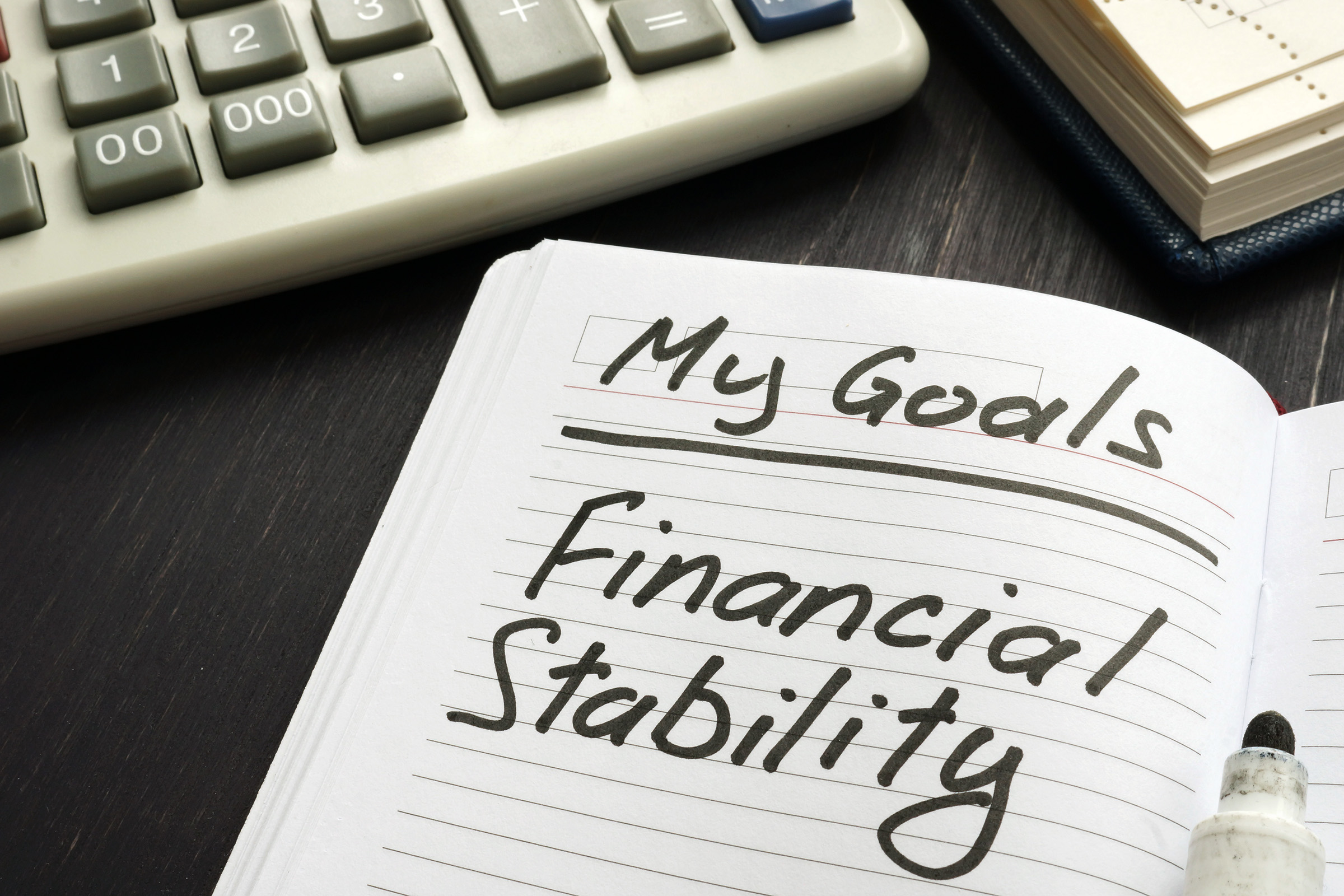 Image 1. A mid-year financial checkup can help ensure consumers are on track for their yearly goals. (Photo by: Adobe Stock Images)
It doesn’t seem too long ago when the notes of Auld Lang Syne filled the air, and people were setting their goals for 2026. Now that the year is half over, it’s a good time to check the progress of the financial goals that were set at the beginning of the year.
Saving money is a popular resolution, but that can be difficult, especially as consumers see prices continue to rise for basic necessities such as food, gas and housing, said Mengya Wang, Oklahoma State University Extension finance specialist.
“More and more of our budgets are going to pay for basic living expenses,” she said. “This is why it’s important to track where every dollar gets spent. Consumers need to see where their money is going, hopefully find ways to cut some expenses, and still strive to meet savings goals. Look at your goals from January to see where adjustments need to be made.”
Although the holidays are still six months away, it’s never too early to find good deals on gifts. Budgets can get even tighter in November and December with extra expenses, so if exchanging gifts is something the family does, purchase some good bargains now. This will help ease budgetary stress later in the year. At the end of the year, stock up on holiday essentials by taking advantage of post-holiday sales.
For those who set savings goals, whether it’s for an emergency fund, a vacation or something for the house, check the progress. Look for ways to cut expenses and use those savings toward the overall savings goal.
“Little expenses can add up without realizing it,” Wang said. “Buying coffee daily on the way to work, snacks from the vending machine or eating lunch out can cut into funds that could be saved. It’s much cheaper to make coffee at home, buy snacks at the grocery store and pack a lunch. Cutting your spending by just $10 per week can add an extra $520 to your savings account.”
Now is also a good time to check the progress of the emergency fund. Ideally, consumers should have three to six months’ worth of living expenses saved. While this may seem like a lofty goal, any amount put toward this is progress. Be sure to check the progress on retirement accounts, vacation savings, home repairs/upgrades and the other goals that have been set.
“Because inflation continues to rise, if you were saving $100 per month, cut it back to $50 if necessary to help make ends meet,” she said. “Consider treating savings contributions as a bill that can’t be skipped. Cut back if necessary, and bump that amount back up as soon as you can.”
Wang also said building good financial habits should start early. Parents who talk about budgets, spending and saving with their children will help children learn the importance of setting financial goals later on in life.
“Building up your savings doesn’t mean you can’ go do fun things,” she said. “Look for free things to do in the area or use coupons for local attractions.”
One mistake consumers make is buying the cheapest product of whatever the family needs, such as clothing, insurance or appliances. Compare insurance policies because out-of-pocket expenses will vary from company to company. Consumers need to know if the policy is replacement or current value.
Many people buy a policy and stay with the company for years, but it’s important to shop around and find the deal that best fits your budget.
“As you review your goals, don’t worry too much about being behind,” Wang said. “This mid-year checkup is the perfect time to re-evaluate and get back on track.”