

The Power is Out – How Long Will Food Be Safe?
Tuesday, January 27, 2026
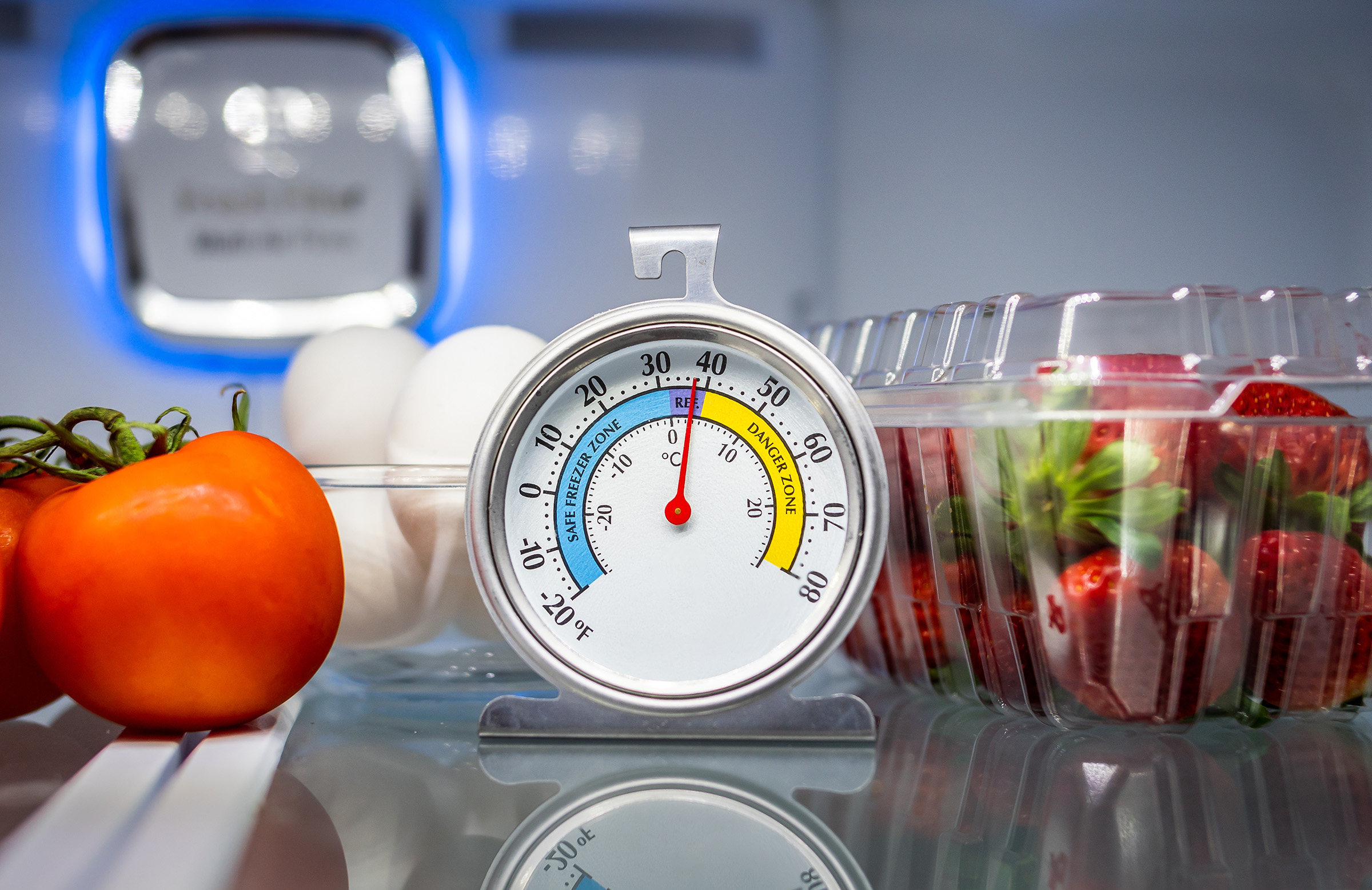
Image 1. Making sure food remains at a safe temperature during a power outage is key to preventing foodborne illnesses. (Photo by: Adobe Stock Images)
Severe weather is as much a part of Oklahoma’s history as the Land Run of 1889. Residents are familiar with tornadoes, ice storms, wildfires, blizzards, floods and more. When Mother Nature unleashes her wrath, Oklahomans know to be prepared.
The first tornado of 2026 has already been recorded. Being in the middle of the winter season, there’s still plenty of time for other weather calamities that cause power outages. Sometimes the outages are short-lived – other times there’s no power for hours or days at a time. Christi Evans, Oklahoma State University Extension food safety specialist, has tips to help people know when to keep or toss the contents of the refrigerator and freezer.
“The first thing I recommend is to have an appliance thermometer in your refrigerator and freezer at all times to help ensure food safety,” she said. “Proper refrigerator temperature is 40 degrees Fahrenheit or below, and 0 degrees Fahrenheit or below for freezers.”
With advanced weather technology, consumers have ample warning of potential stormy weather that could result in power outages. If there are foods in the refrigerator that can be frozen, move them to the freezer ahead of the storm.
Once the power goes out, Evans recommends keeping the refrigerator and freezer doors closed. Don’t open them any more than necessary. The temperature in the refrigerator should hold at 40 F for about four hours. If the power is out for an extended period and the temperature stays above 40 F for more than two hours, most of the food in the refrigerator should be discarded to prevent foodborne illness.
Discard raw or leftover meat, salads, lunchmeat, soft cheeses, shredded cheese, milk, yogurt, eggs and most salad dressings. Keep hard cheeses, bread, tortillas, jelly and uncut fresh fruits and vegetables. More information about what to keep or discard is available online.
A full freezer should last about two days. If the power outage extends beyond that, as long as the food has ice crystals and feels cold, it can safely be refrozen. Food that thaws completely and over 40 F must be discarded.
“Fill plastic gallon jugs with water and keep them in the freezer to take up space,” Evans said. “If the electricity goes off, the jugs of ice will help maintain freezer temperature. Also, if you’re on well water, the jugs can be used for drinking water since the well pump isn’t working.”
If it looks like the power outage will last a while, put food in an ice chest and add ice packs to help keep the temperature cold inside. Including an appliance thermometer in the ice chest can help monitor the temperature to ensure it stays below 40 F.
Evans said it’s always a good idea to keep shelf-stable food on hand in the event of a power outage. Canned meats, vegetables and fruit are good to have in the pantry. Also, peanut butter and dried milk will keep the family fed while power is being restored.
“Groceries are expensive, but trying to salvage foods after an extended power outage isn’t a good idea,” she said. “When in doubt, throw it out.”
OSU Extension offers more information online about food safety during power outages.