

Keep Food Safety on the Menu this Holiday Season
Friday, October 17, 2025
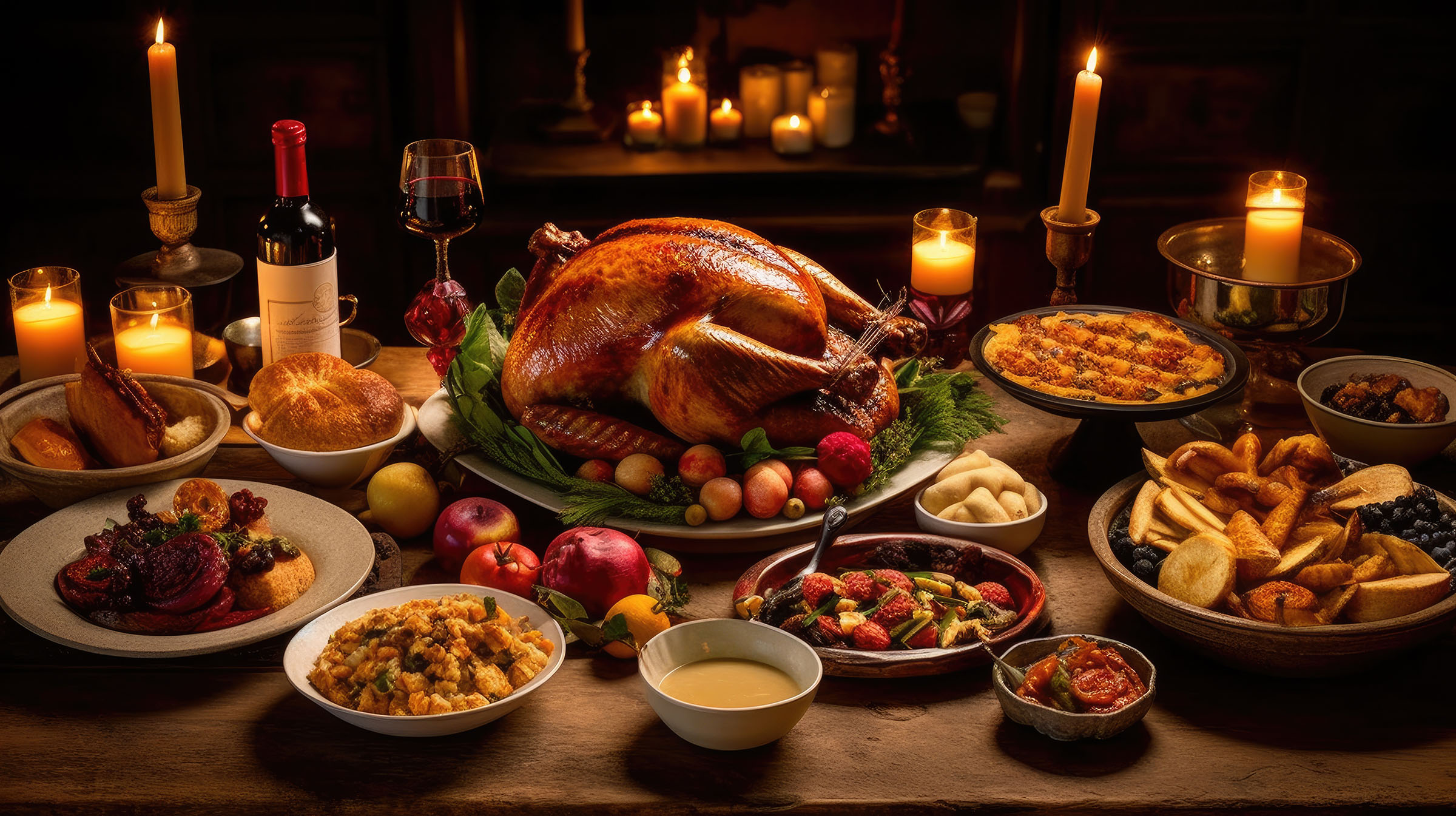
It’s the time of year when ingredients for treasured family recipes top the shopping list, table decorations come out of the cabinet and great-grandma’s china set adorns the table. These preparations are in anticipation of a memorable holiday meal shared with family and friends.
While ensuring everything has a festive flair, don’t forget about food safety, said Christi Evans, Oklahoma State University Extension food safety specialist.
“For most families, turkey is the star of the meal,” she said. “No matter what your secret is for a succulent and tasty main dish, proper handling of the turkey – from shopping, storing, thawing and cooking – must be a priority.”
One key is to plan ahead. If purchasing a frozen turkey, remember it will take time to thaw. Evans suggests the following thawing methods to ensure food safety.
- Refrigerator thawing is the safest and most recommended thawing method, as it allows the bird to defrost slowly and evenly. Count on 24 hours for every 4-5 pounds of turkey. For example, a 15-pound bird will take three to four days to thaw completely. It can then be stored for an additional one or two days before cooking.
- Cold-water thawing is a faster option than refrigerator thawing. Submerge the turkey in cold water. Allow 30 minutes per pound. To ensure the turkey stays at a safe temperature, change the water every 30 minutes. Once thawed, cook the turkey immediately.
- Microwave thawing is less common since most turkeys are larger than the microwave, but it can be done with smaller turkeys. Use the defrost setting and follow the manufacturer’s instructions. Cook the turkey right away after thawing.
As the meal is being prepared, use a food thermometer to ensure all foods reach proper internal temperatures. Cook the turkey to an internal temperature of at least 165 F.
“One of the best things about a big Thanksgiving meal is all the great leftovers,” Evans said. “Although everyone may want to catch a quick nap after the meal, refrigerate the leftovers within two hours of serving,” she said. “It’s best to divide large amounts into smaller, shallow containers, which allows foods to cool more quickly.”
When reheating leftovers, most foods need to be reheated to at least 165 F. OSU Extension offers additional food safety information in fact sheet L-474 Keep food safe.
Even though the turkey may be the star of the show, pies are another holiday favorite. Food safety protocols are essential because many pies contain eggs or dairy. Some homemade pies contain milk, cream cheese, cheese or eggs and should be kept refrigerated. These pies are high in protein and moisture content, which provides a desirable environment for bacterial growth at room temperature.
Evans said fruit pies typically contain enough sugar and acid that they don’t need to be kept refrigerated, although refrigerating them can extend their shelf life.
“With some planning and a few simple precautions, everyone can enjoy a delicious and safe Thanksgiving meal,” she said.