

OSU Extension Offers Tips to Deal with Inflation
Friday, August 1, 2025
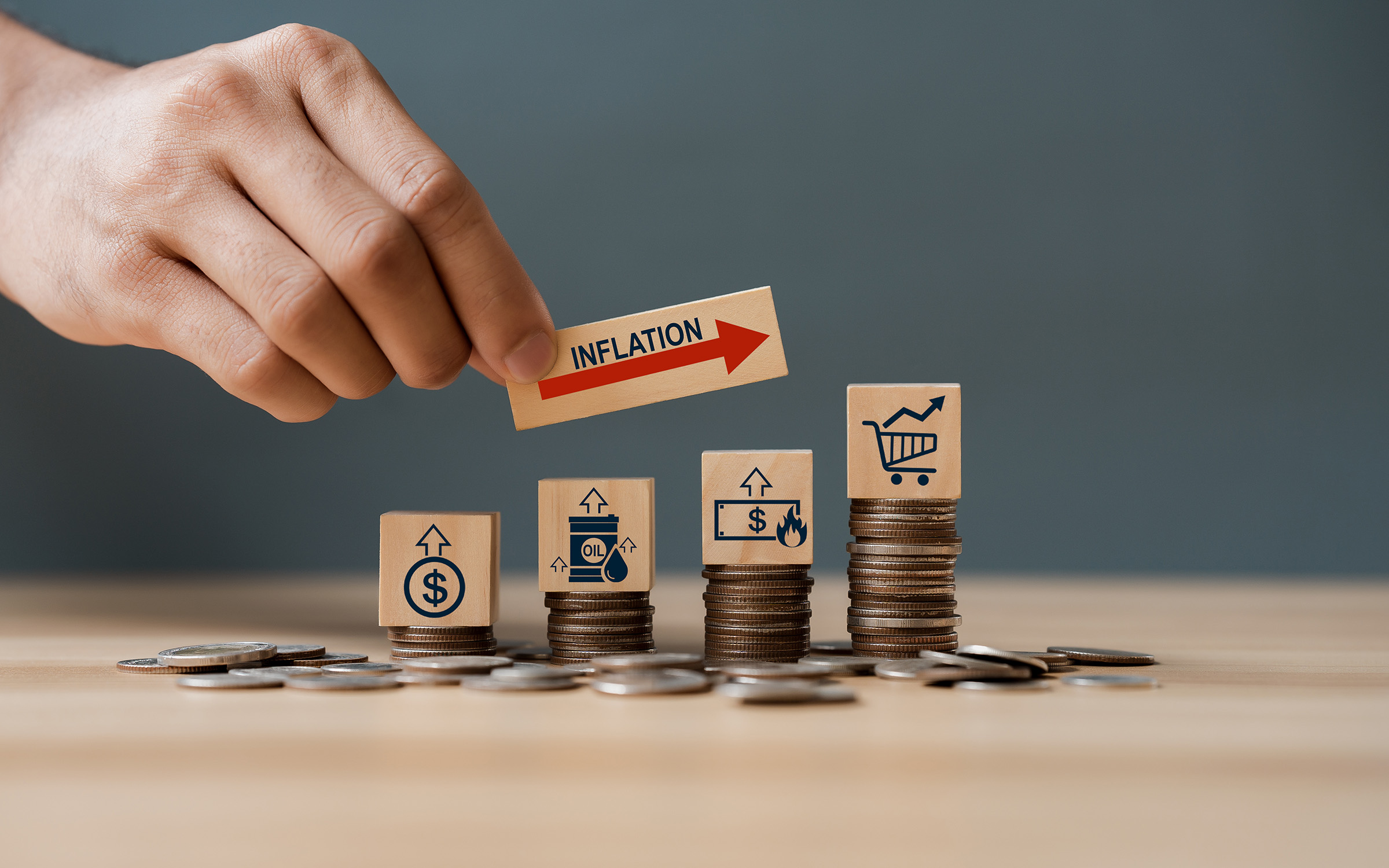
As the inflation rate rises, many Oklahoma families feel the pinch. As prices go up on everything from food, gas and other expenses, Oklahoma State University Extension offers consumers some tips to help deal with rising costs.
Mengya Wang, OSU Extension finance specialist, said while steady inflation is good for the economy, when prices rise too fast, families may have a hard time making ends meet.
“A slow, steady inflation rate is good for the economy because that means people are spending money and businesses are producing more goods,” she said. “However, when prices spike quickly, people’s money doesn’t go as far. While consumers can’t control inflation, they can control how they spend money.”
Inflation happens when the cost of labor and raw materials go up, and businesses pass the cost increase on to consumers. Wang said we saw an upturn in inflation after COVID when people began getting out to do their shopping and eating out.
“For a while after COVID, consumer demand outpaced the supply, so we saw a rise in prices,” she said.
Wang has some tips for consumers to help make their dollars stretch right now.
- Buy second-hand whenever possible. Look for clothing and other needed items at resale stores.
- Be intentional with discounts. Look for coupons, sales or loyalty discounts.
- Cut energy costs by bumping up the thermostat. Line-dry clothes instead of using the dryer.
- Cook at home instead of eating out.
- Avoid expensive coffee drinks by making coffee at home.
- Cancel subscriptions to streaming services and other auto-ship services that aren’t being used.
“It’s important to be intentional with spending,” Wang said. “Cutting out a stop at the coffee shop each morning can save consumers a lot of money over time. Take those savings and invest them in ways that will grow, such as retirement, college or emergency funds. Emergency funds are important for those unexpected expenses such as car repairs, medical bills or home repairs. Avoid taking on high-interest debt – it can trap consumers in a vicious cycle in which they’re constantly paying interest and struggling to keep up.”
She also suggests looking at ways to increase income. Check into job opportunities with flexible schedules such as driving for Uber, pet sitting or dog walking.
“Consider learning a new skill that can help prepare you for a better-paying job,” she said. “Now is a great time to invest in yourself for a bigger dividend down the road. It's important to be competitive in the job market and you want to be ready with a better opportunity presents itself.”
Wang also has guidance for long-term financial goals. Consumers may have to adjust timelines for some of their goals.
“If you were putting $100 a month into a vacation fund, cut it back to $50 or even $25,” she said. “Whatever you do, don’t give up. Small investments add up over time. Adjusting your timeline and revising goals will help keep you on the path to achieve those goals.”
Now is also a good time for consumers to review their investment portfolio. Wang suggest talking with a financial planner and making sure investments are diversified to get the best return.
“In tough financial times, it's important to stay informed about spending and adjust your budget accordingly,” she said. “Prioritize expenses and clearly define your wants versus your needs. Stay informed about spending and adjust accordingly. Prioritize expenses. Determine wants and needs. Smart money decisions now will make a difference in the future.”