

Annual Threeawn
| Plant Profile | |
|---|---|
| FYUSE 3D Image | Common Name: Annual Threeawn |
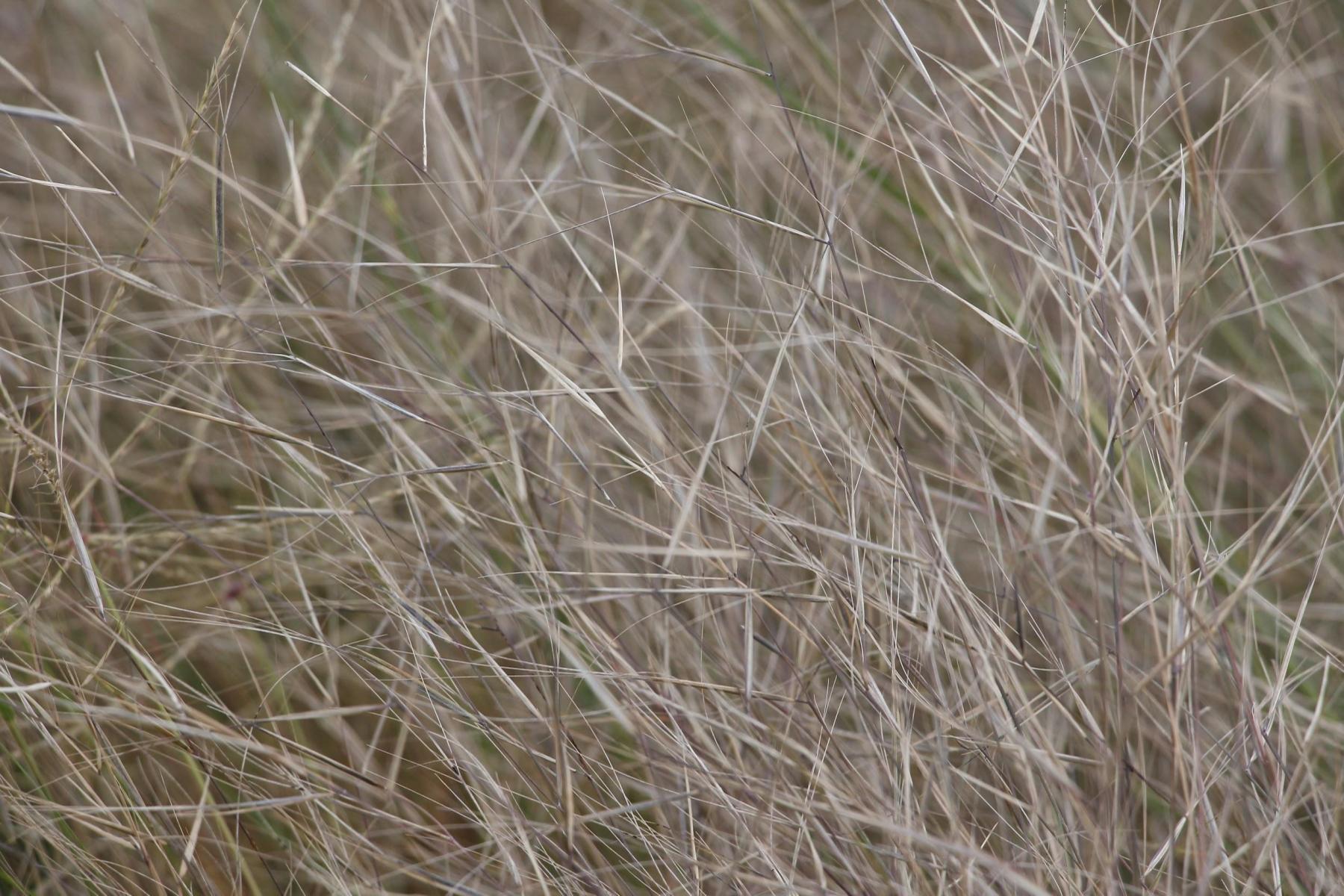
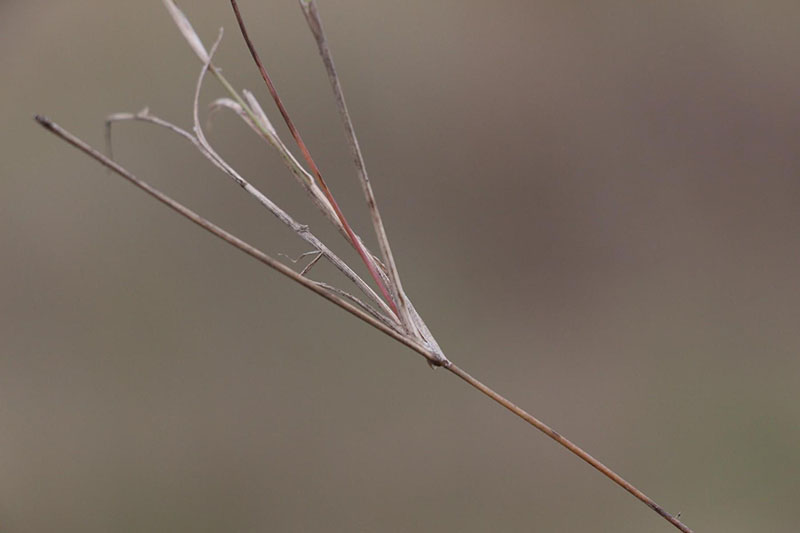
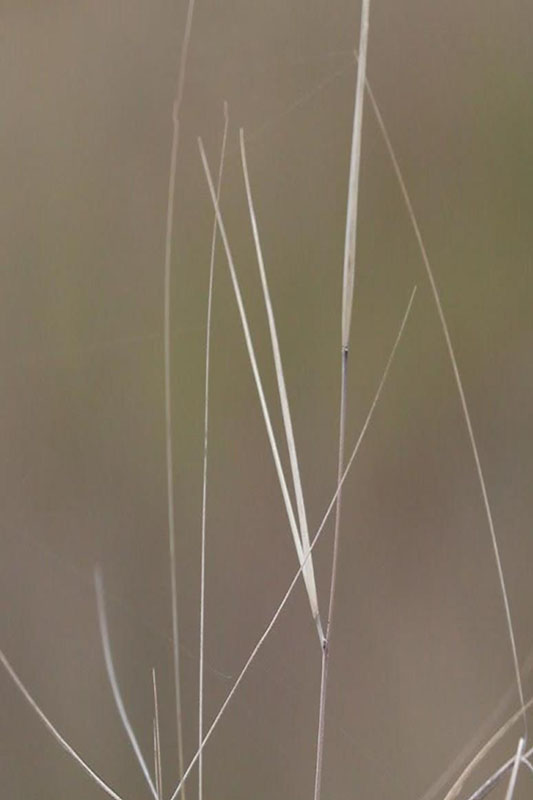
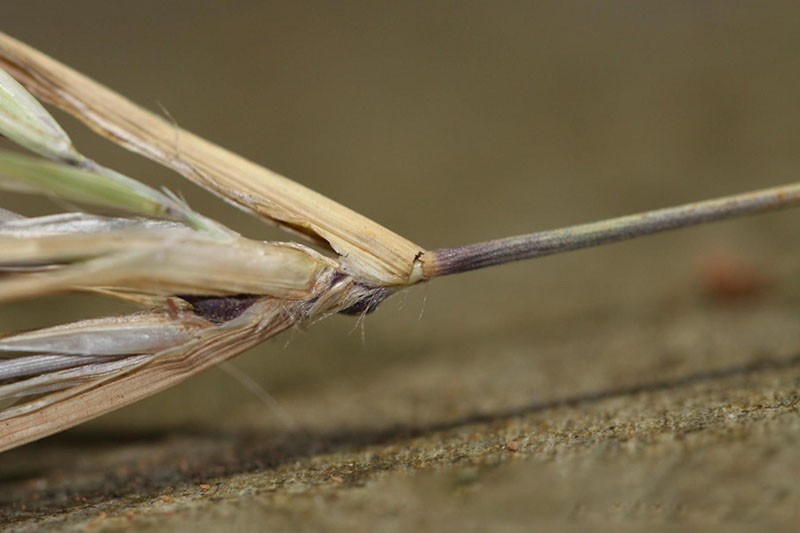
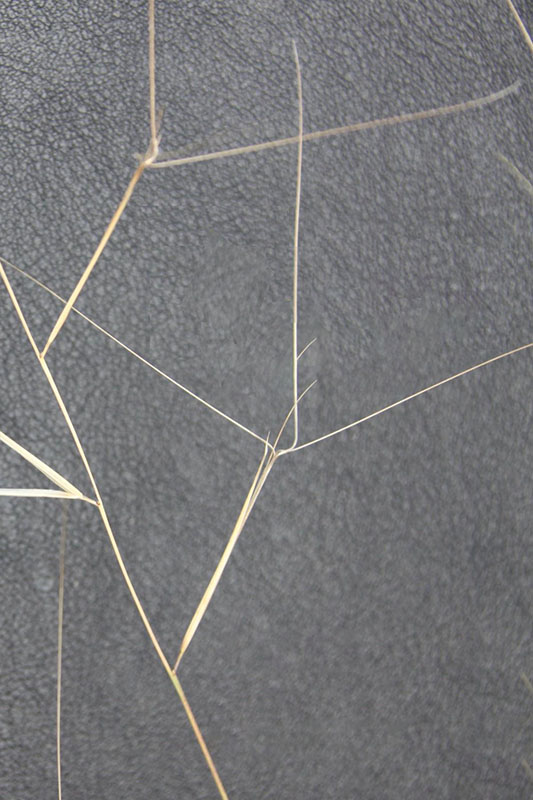
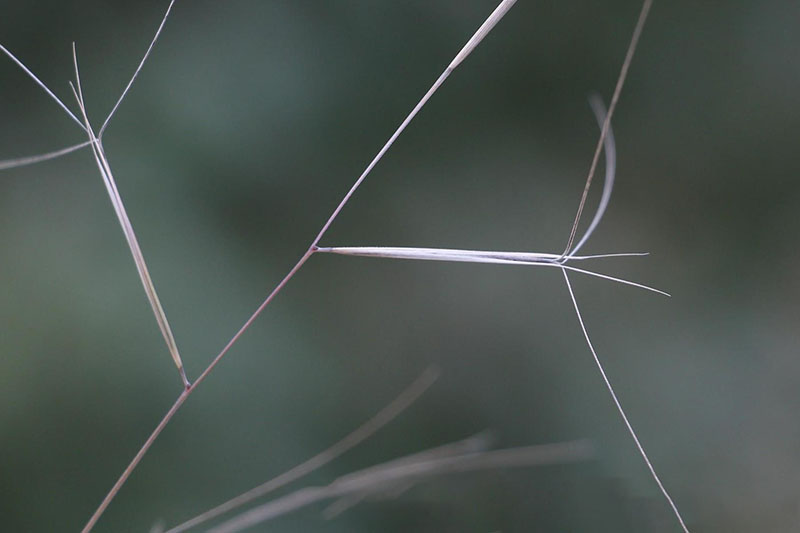
Examples of Annual Threeawn Aristida oligantha
| Plant Facts | |
|---|---|
| Origin | Native |
| Duration | Annual |
| Season | Warm |
| Distribution in the U.S. | East Coast to the Great Plains and adventive in Arizona, California and Oregon |
| Distribution in Oklahoma | Throughout the state |
ID Characteristics
-
Field Identification Characteristics
Vegetative
- Hairs at junction of blade and sheath
- Branching at the nodes
Floral
- Large seed heads with three long awns per floret
- Glumes equal length
- No stalk (pedicel) attaching spikelet to stem
-
Leaf and Stem Characteristics
- Plant Height: 15-60 centimeters
- Ligule Type: Ciliate-membranous
- Sheath: Glabrous (except for a few hairs at apex)
- Leaves: Cauline
-
Floral Characteristics
- Inflorescence Type: Panicle
- Florets Per Spikelet: 1
- Glumes: Equal
| Habitat/Ecology | |
|---|---|
| Soil Type | Bare gravel, sand or clay |
| Habitat | Disturbed sites |
| Successional Stage | Early |
| Uses/Management | |
|---|---|
| Grazing | Little forage value to livestock. Fair to poor forage quality in early growth. Awns can injure the eyes of livestock and decrease the value of wool in sheep. Decreases value of hay when present. |
| Wildlife | Little usable forage for wildlife. The sharp ends of the seeds can cause infections in the eyes of wildlife. Only sometimes consumed by songbirds, bobwhite quail, and small mammals when other sources of food are not available. Jackrabbits and pronghorn will sometimes consume plants when they are actively growing. Does not provide forage for white-tailed deer. Smith’s longspur can often be found nearby in winter months. It does not provide quality protective cover for many species of wildlife. |