

Cow-Calf Corner |March 30, 2026
A Look Inside Beef Imports
Derrell S. Peel, Oklahoma State University Extension Livestock Marketing Specialist
Beef imports increased 18.0 percent year over year in 2025. Total beef imports have increased sharply due to declining U.S. beef production and high prices as the current market developed. Total beef imports are up 61.4 percent since 2022. A variety of beef products are imported from a number of different countries. Much of the imported beef is lean processing beef used to support ground beef production in the U.S. Imported lean beef supplements domestic supplies of fatty trimmings from fed cattle and lean beef from cull cows and bulls. Fed steers and heifers produce 150 or more pounds of fatty trimmings which much be mixed with lean beef to make ground beef. For example, it takes 7 pounds of 90 percent lean beef to mix with a single pound of 50 percent trimmings from fed cattle to formulate an 85 percent lean ground beef mixture. Without imported beef, it would be impossible to maintain ground beef supplies in the U.S. Per capita ground beef supplies in 2025 were estimated at 29.4 pounds, 49 percent of per capita retail beef consumption of 59.8 pounds.
Figure 1 shows that 52 percent of beef imports consist of beef trimmings. Nearly every source of beef imports includes significant proportions of trimmings (Figure 2). Australia was the largest source of beef imports and the largest source of beef trim, accounting for 31.5 percent of imported trim. New Zealand was the number five source of beef imports but the second largest source of beef trimmings (16.7 percent) because 82.2 percent of beef from New Zealand is trimmings. Brazil is the second largest source of imports and accounted for 15.7 percent of imported trimmings. Canada and Uruguay each contributed just under eleven percent of beef trimmings.
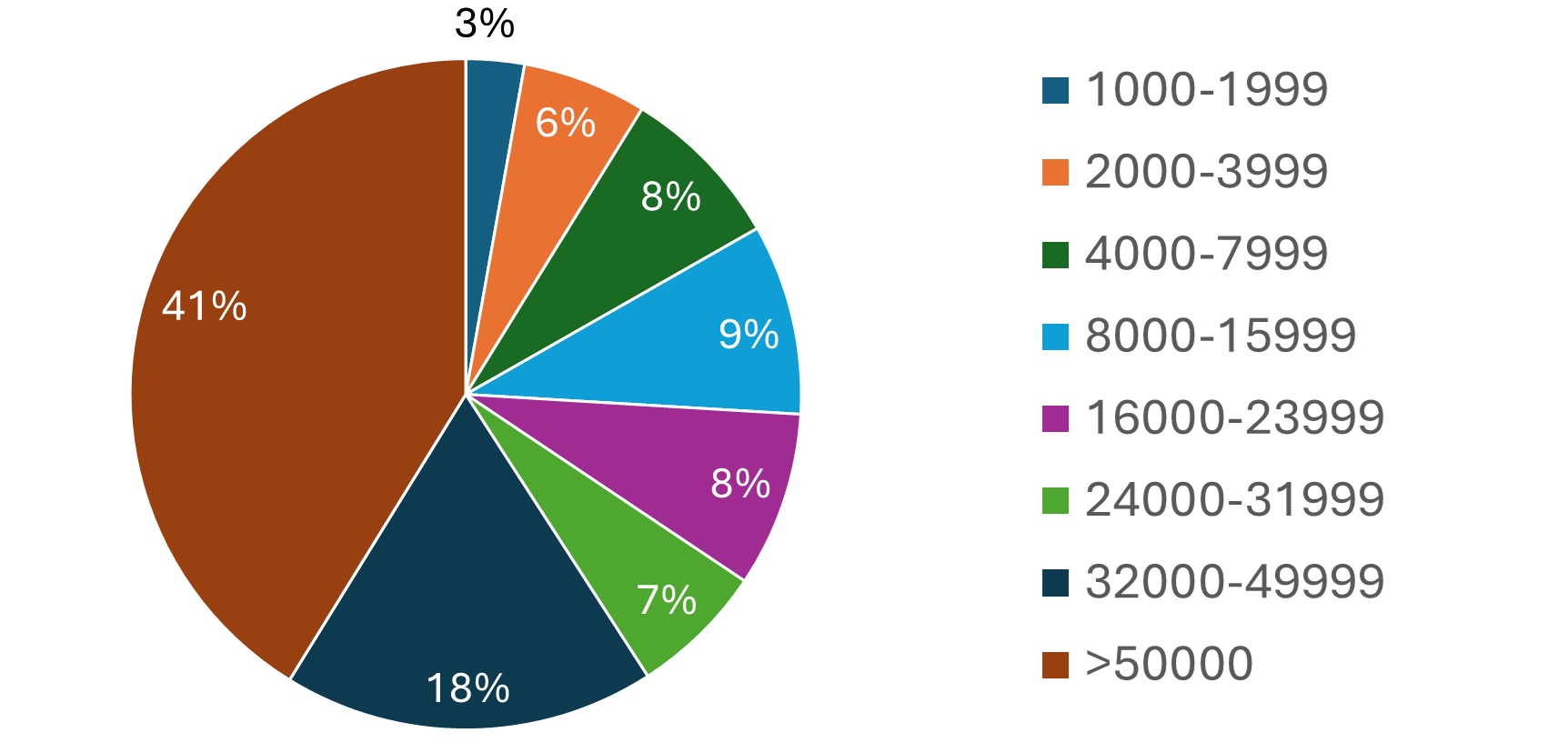
Figure 1: Beef Imports by Product Type, 2025
Some portion of the 21 percent of imports in the form of primals/subprimals are also used for ground beef production. In other cases, the primals/subprimals are used as muscle cuts. The majority of primals/subprimals are imported from Canada and Australia.
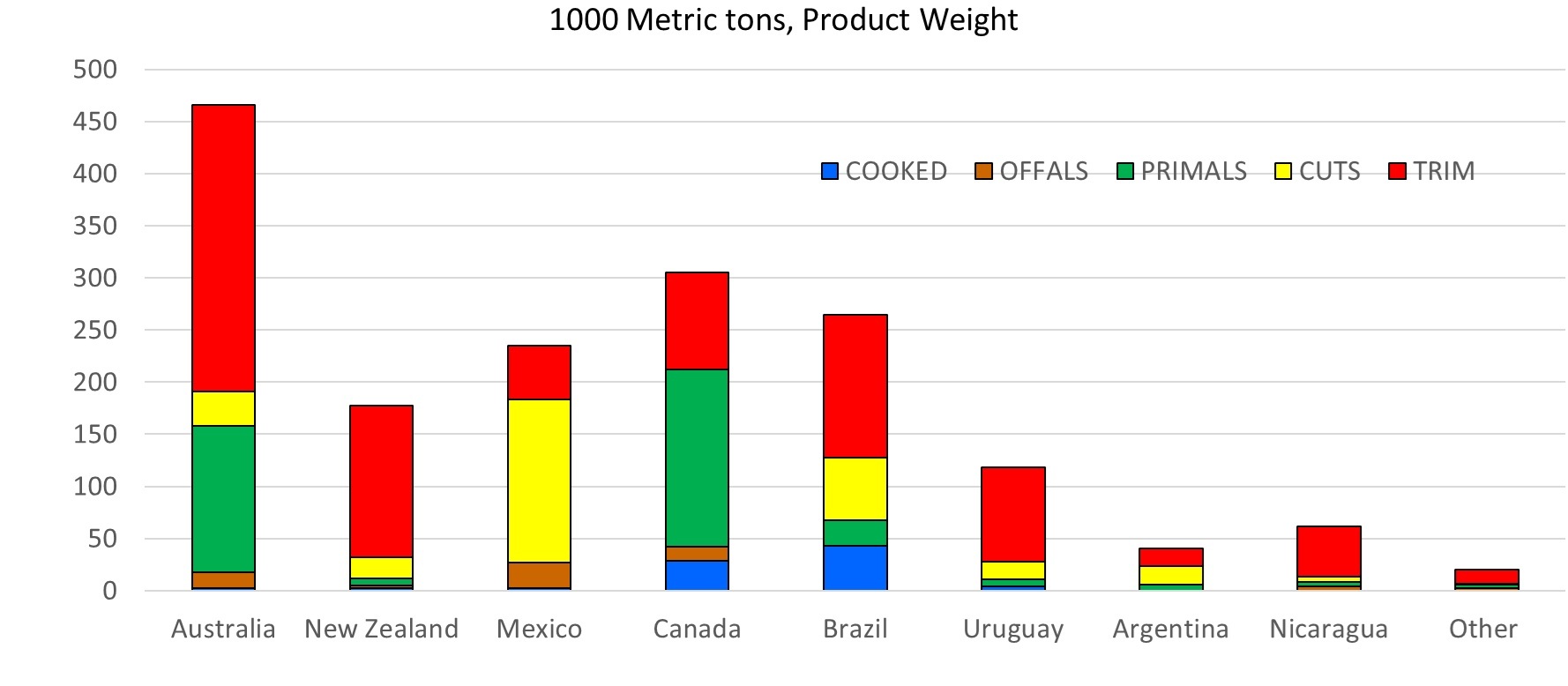
Figure 2: Beef Imports by Country and Product Type, 2025
Imported beef cuts make up 18 percent of beef imports and may be used in either retail grocery or food service. Mexico accounts for over 50 percent of imported beef cuts, much of which is sold in retail grocery markets. Imported cuts from Brazil, Australia, or other countries are more likely used in food service. Minor amounts of edible offals (mostly Mexico) and cooked beef products (mostly Brazil and Canada) are imported as well.
Expanding drought conditions are beginning to impact cattle markets, and understanding these changes is critical for producers and industry professionals. In this update, OSU Extension livestock marketing specialist Derrell Peel explains how worsening drought could influence cattle prices, supply, and market trend on SunUpTV from March 28, 2026. Expanding Drought Could Shake Cattle Markets | Livestock Marketing.
Do You Have Adequate Bull Power?
Mark Z. Johnson, Oklahoma State University Extension Beef Cattle Breeding Specialist
It is time for bull turnout for herds that calve in January. As we prepare for breeding season it is critically important to address bull to female ratios and answer the question: Do you have adequate number of bulls on hand to get females bred promptly?
The first goal of breeding season is to get cows bred early in breeding season resulting in more calves born earlier in calving season, shorter breeding/calving seasons, older calves at weaning and ultimately, more pay weight at weaning due to calf age. The typical beef calf gains about 2 lbs./day up until weaning, accordingly a calf born one heat cycle (21 days) earlier will wean off about 40 lbs. heavier. How do we get this accomplished? By having an adequate amount of bulls to get cows serviced. The following shows a conservative expectation of the number of cows we should expect bulls to cover in a defined (45 – 90 day) breeding season.
- 12 - 15 month old bulls = 10 – 12 females
- 15 - 18 month old bulls = 12 – 18 females
- 18 - 24 month old females = 18 – 25 females
- 24 mo. & older = 25 – 35 females
- 2 – 6 year old bulls = 25 – 35 females
Rule of Thumb: One female per month of age at turnout for yearling bulls after passing a Breeding Soundness Exam (BSE).
For example: If I have 60 heifers to breed and plan to turn out 15 month old bulls, I will need four bulls.
What is the typical life expectancy of a breeding bull? Typically up to the age of 6 is “prime of life” for breeding bulls. This isn’t to say that all bulls will break down at this age, but it is more likely to happen after age six. Often when an older bull goes bad, it isn’t discovered until after breeding season when we are doing pregnancy checks.
Get prepared, make sure your herd bulls have passed a BSE prior to turnout and take measures to have an ample number of bulls with females to insure prompt breed up this season.
Applying selection pressure is key to improving herd genetics and long-term productivity. In this Cow-Calf Corner segment, Mark Johnson, OSU Extension beef cattle breeding specialist, explains how cattle producers can effectively use selection pressure to enhance herd performance on SunUpTV from March 21, 2026. Are You Using Selection Pressure the Right Way? | Cow-Calf Corner
Influence of Backgrounding on Finishing Performance and Carcass Traits
Paul Beck, Oklahoma State University Extension Beef Cattle Nutrition Specialist
The segmented nature of the beef industry naturally leads to production and economic inefficiencies. Management and nutrition prior to feedlot entry have long-lasting implications on performance during the finishing phase. In the past few weeks, I have discussed observations on the increase in cow mature body weight and its impact on the carcass weights of their offspring. This week I will look at how finishing performance is affected by post-weaning performance during backgrounding of cattle in dry-lot or on pasture.
We have long been aware that previous genetic, nutrition, and health management has large impact on feedlot performance and profitability, carcass traits and ultimately consumer acceptability of beef. To determine the impacts backgrounding system and the level of performance during backgrounding on finishing performance and efficiency, we collected treatment means from multiple studies that tracked cattle from backgrounding through finishing.
Cattle entered the feedyard from pasture were 78 pounds heavier than calves from dry-lot backgrounding systems (824 for calves coming off from grass vs 746 pounds for calves coming out of dry-lot), and final finished body weight was greater for calves backgrounded on pasture. Increasing average daily gains on pasture increased final body weight at harvest and hot carcass weights to a greater degree than increasing gains in dry-lot based growing systems. Increasing average daily gain in dry-lot backgrounding systems decreased finishing performance to a much greater extent than increasing average daily gain in pasture-based stocker backgrounding systems. Where for each pound increase in daily gain during backgrounding in dry-lot systems decreased finishing average daily gain by 0.22 pounds, a pound increase in backgrounding average daily gain on pasture only decreased finishing performance by 0.13 pounds per day.
Cattle backgrounded on pasture had higher feed intake and reduced feed efficiency, which is related to the greater bodyweight entering the feedyard but also potentially indicating that the high roughage diets on pasture resulted in increased GI capacity. But feed efficiency is impacted to a greater extent as gains of cattle backgrounded in dry-lot increase than for cattle backgrounded in pasture-based stocker systems. Even with the heavier body weight entering the finishing phase, cattle from pasture backgrounding systems were on feed longer but increasing gains on pasture reduced finishing days on feed by 16 days for each additional pound in backgrounding average daily gain, while increased gains during feedlot backgrounding did not influence days on feed during finishing.
Additional gain in pasture based backgrounding systems increased ribeye area where additional gain in feedlot backgrounding systems reduced ribeye area. In contrast, increasing backgrounding ADG in feedlot systems increased marbling score, while marbling score was not increased by additional ADG on pasture.
Calves entering the finishing phase after feedlot based backgrounding programs appear to be fatter than calves backgrounded on pasture this improves marbling and ultimately carcass quality reducing weight when slaughtered at the same degree of finish. We relate these backgrounding systems differences on the impact of activity and thus expected differences in body composition of gain of calves grown on pasture vs feedlot pens.
Pre-finishing management has lasting effects on feedyard performance, carcass weight, and whole-system efficiency. In past articles we discussed how increasing cow sizes increases the weight of calves at harvest and carcass weights but reduces efficiency of the entire beef industry. Backgrounding strategy also plays an important role. Pasture-based stocker programs generally produce heavier finished cattle, larger ribeye areas, and improved efficiency compared with dry-lot backgrounding. Across segments of the beef industry, optimizing pre-finishing management, rather than simply increasing cow size, offers greater opportunity to enhance carcass output and overall profitability across the entire beef production system.