

Cow-Calf Corner | February 23, 2026
A Snapshot of the Cattle Feeding Industry
Derrell S. Peel, Oklahoma State University Extension Livestock Marketing Specialist
The latest USDA Cattle on Feed report showed feedlot inventories at 11.505 million head on February 1, down 1.8 percent year over year and the fifteenth consecutive month of declining feed inventories. January placements were down 4.7 percent year over year while January marketings were down 13.0 percent compared to last year. January marketings were likely hampered by the winter storm at the end of the month, pushing some January marketing into February. The report was well anticipated and did not contain any surprises for the market.
The February Cattle on Feed report also contains a summary of 2025 and a look at the structure of the cattle feeding industry. A total of 26,082 feedlots are reported in the country with 24,000 of those with less than 1,000 head capacity. Those small feedlots, amounting to 92 percent of all feedlots, only accounted for 12.9 percent of total feedlot marketings last year. Average marketings from those small feedlots was less than 126 head for the year.
A total of 2082 feedlots with more than 1,000 head capacity (included in monthly COF reports) accounted for 87.1 percent of the 23.483 million head of feedlot marketings. Figure 1 shows the size distribution of feedlots with >1,000 head capacity. Figure 1 shows that 60 percent of >1,000 head feedlots have between 1,000 and 4,000 head of capacity. However, Figure 2 shows that these feedlots only account for about nine percent of marketings.
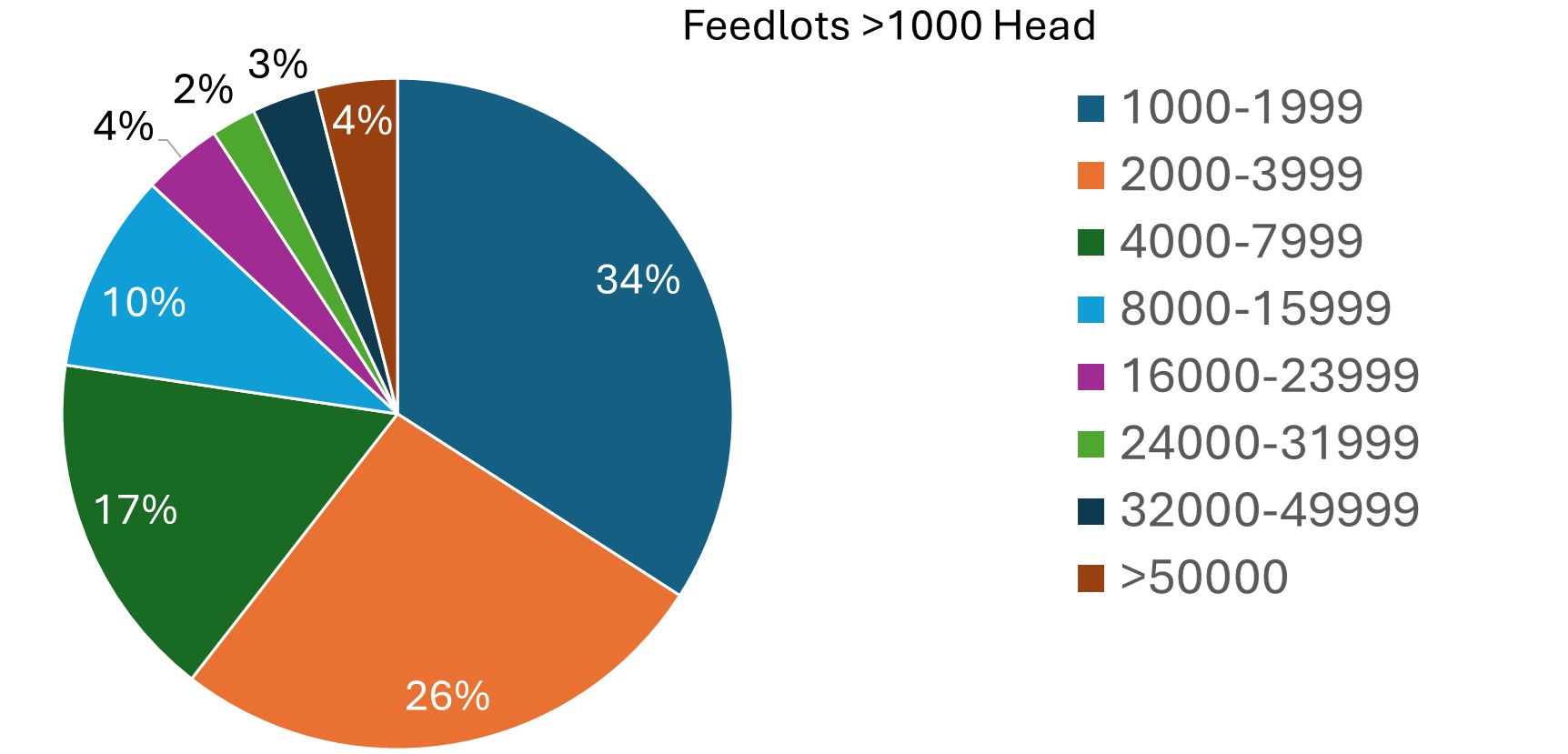
Figure 1: Feedlots By Capacity (Head), 2025
The largest feedlots included four percent with capacity greater than 50,000 head and three percent with capacity between 32,000 and 50,000 head. However, the largest feedlots account for 41 percent of fed cattle marketed along with another 18 percent for the second largest category (Figure 2). Thus, 7.1 percent of the largest feedlots marketed 58.8 percent of fed cattle in 2025. For feedlots >50,000 head capacity, 82 feedlots marketed 8.39 million head, or average marketings per feedlot of 102,317 head in 2025.
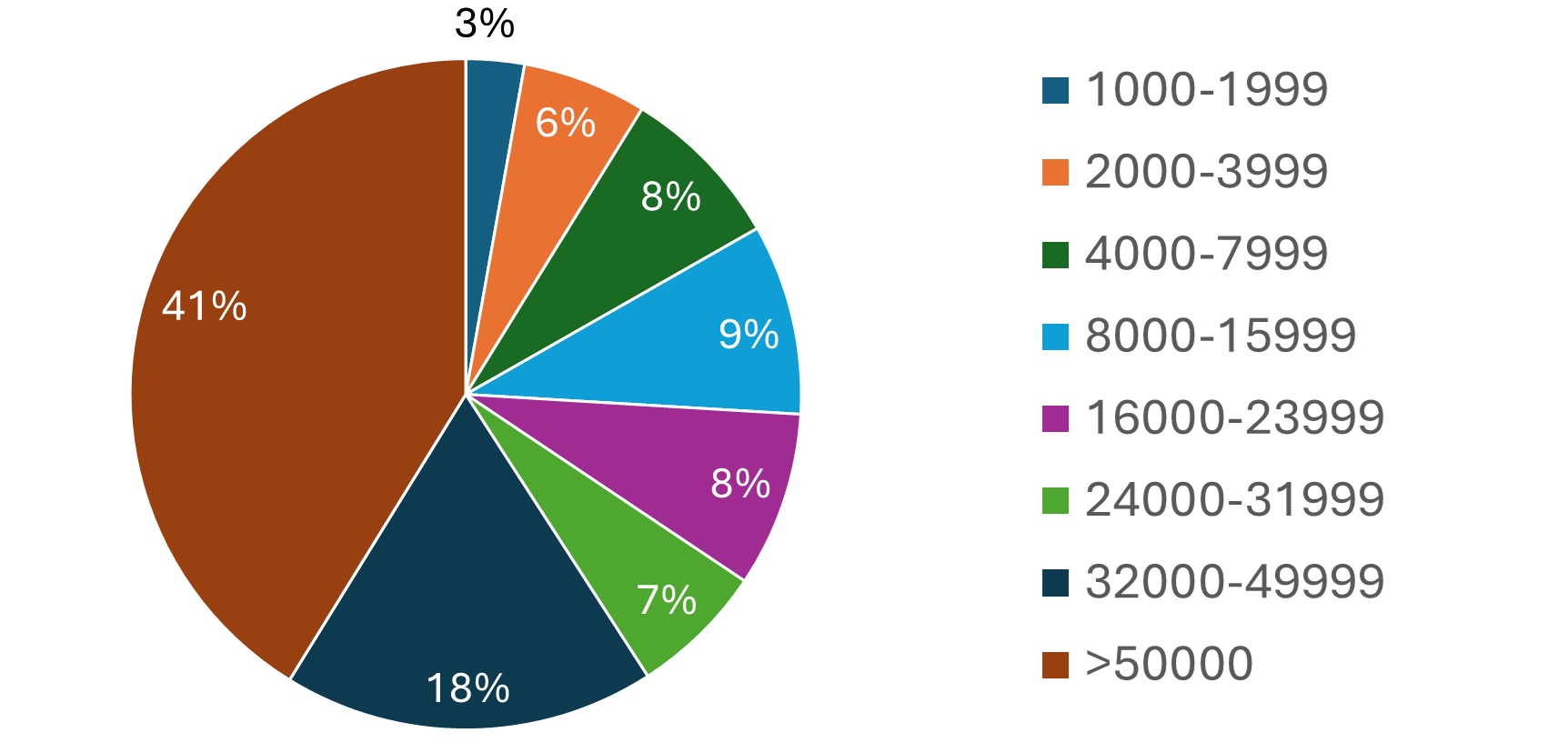
Figure 2:Feedlot Marketings, >1000 Head Capacity: 2025
USDA also estimates total feedlot capacity in the country at 17.1 million head, down fractionally year over year. Feedlot capacity has averaged 17.07 million head for the past twenty years, ranging from 16.7 million head in 2009 to 17.3 million head in 2017. Total feedlot capacity has varied between 17.1 and 17.2 million head since 2018. The total feedlot inventory on January 1 was 81 percent of total feedlot capacity; with feedlots of >1,000 head capacity utilizing 67 percent of total feedlot capacity.
Figure 3 shows that the cattle feeding industry has grown relative to the overall size of the cattle industry. As 2026 begins, 16.1 percent of all the cattle in the country were in feedlots, down slightly from the peak in 2024 and 2025. The January 1 feedlot inventory was 56.5 percent of the estimated feeder supply of 24.5 million head, implying that there are 1.77 head of feeder cattle available to enter feedlots relative to the current feedlot inventory. With an estimated feedlot turnover rate of 1.99, the current supply of feeder cattle is not sufficient to maintain the current feedlot inventory.
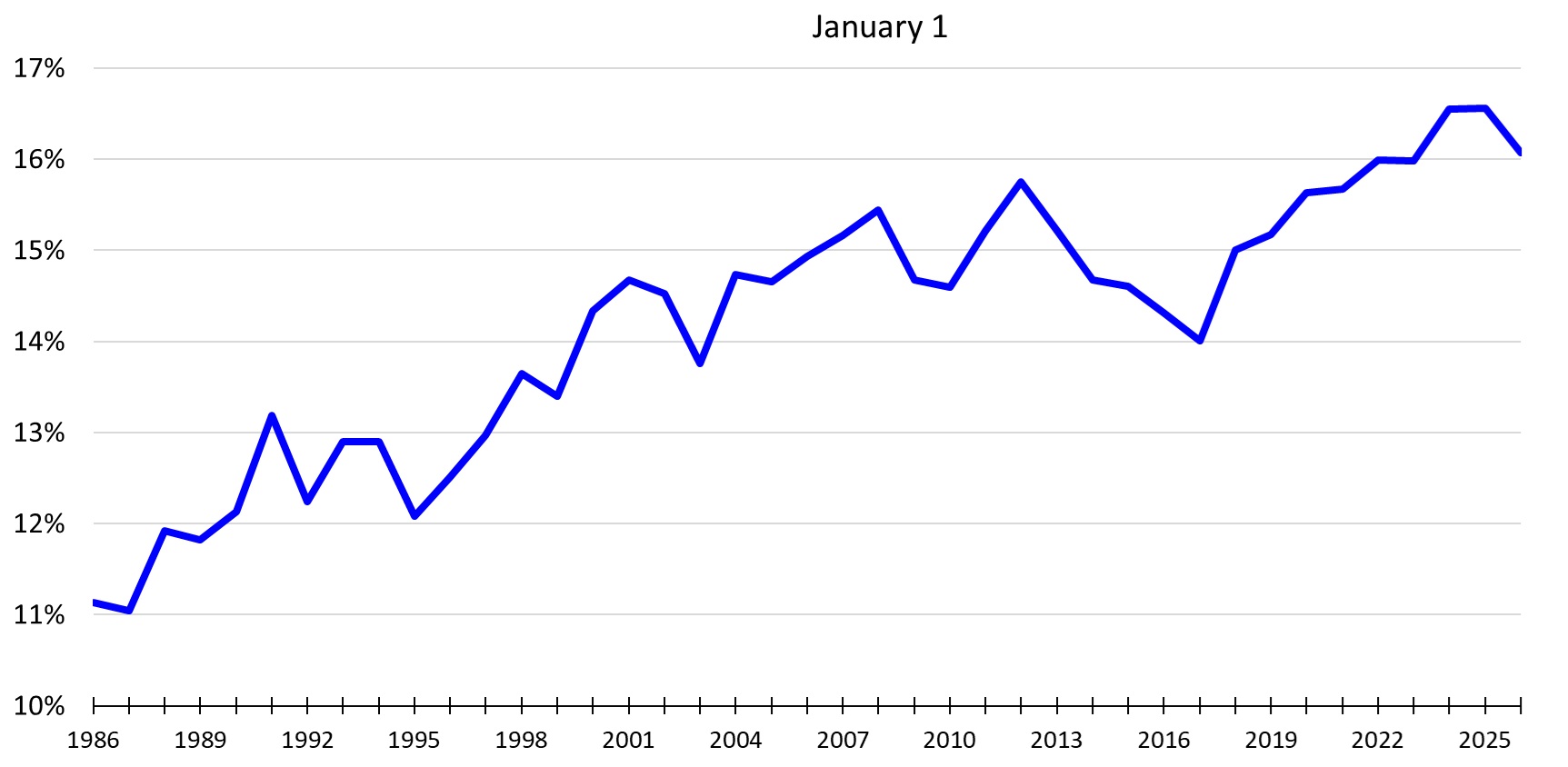
Figure 3: Cattle on Feed as % of All Cattle and Calves
The Extension Experience Podcast is back for a new season starting with a great Cattle Market Outlook with Dr. Derrell Peel. Click the link below for direct access to the audio on Apple Podcasts or subscribe to the show to never miss an episode! Scary Good Beef Prices with Dr. Derrell Peel
Gestation Length in Beef Cattle
Mark Z. Johnson, Oklahoma State University Extension Beef Cattle Breeding Specialist
The gestational length of cows is commonly believed to be 283 days. The topic of gestation length often comes up among cattle breeders during calving season. These conversations often pertain to calving artificially inseminated cows or recips carrying embryo transfer calves because exact breeding, implant and expected calving dates are known. It is the observation of many that we have shortened the gestation length of modern beef cattle over the generations.
An article from the Journal of Animal Science in 1952 reported significant differences in the average gestation length of Angus (281.7 days), Hereford (286.1 days) and Shorthorn (284.3 days). Also, bull calves tended to be carried longer, and are heavier at birth, than heifer calves. This study also reported a significant positive relationship between birth weight and gestation length.
A 2024 abstract from the Journal of Animal Science analyzed a total of 10,037 records obtained from reproductive data collected from Fall of 2011 through Spring of 2018, from 14 herds from the Virginia Department of Corrections beef cattle operations and the Virginia Tech Beef Center research herd. Cows used to measure gestation length were all pregnant to artificial insemination (AI) and only pregnancies that resulted in a live birth were included in the dataset. The objective of this study was to perform an analysis to determine gestational length and evaluate cow and calf parameters that influence gestational length of Bos Taurus beef cows. The average age of cows in this study was 5.5 years, with a minimum of 2 years and a maximum of 18 years of age. The average gestation length was 280.2 days. The shortest and longest gestation lengths recorded were 253 days and 300 days, respectively. Gestation length was affected by calving season with a significantly shorter gestation length Fall calvers (279.1 days) than Spring calvers (281.1 days). Calf sex also had an impact on gestation length. Bull calves were gestated almost a day longer (280.8 days) than heifers (279.6 days). Correlation coefficients (r values) were calculated between gestation length and other variables. Cow age (r = 0.2136), calf birth weight (r = 0.3834), calf weaning weight (r = 0.1438) and calf adjusted weaning weights (r = 0.0253) were correlated with gestation length of beef cows. In conclusion, the average gestation length of Bos Taurus beef cows was 280 days, which is shorter than the commonly used 283 days, and it was affected by calving season (fall or spring) and calf sex. Further, while correlations exist among gestation length, cow age and calf traits, these correlations were weak to moderate.
References:
Journal of Animal Science: 122 A retrospective analysis of gestational length and its influencers for Bos taurus beef cows
Journal of Animal Science: Some Factors Affecting Gestation Length and Birth Weight of Beef Cattle
Economics of Native Beef and Beef × Dairy Steers in Yearling Systems
Paul Beck, OSU Cooperative Extension Beef Cattle Nutrition Specialist
The rapid growth of beef × dairy crossbreeding is reshaping feeder cattle supplies across the country. As dairy producers increasingly breed dairy cows to beef sires to capture added value on non-replacement calves, more dairy × beef crossbred steers are entering Oklahoma feedlots. That trend raises an important question: how do these dairy crossbreds compare economically with beef steers in our traditional yearling systems?
A collaborative study conducted by Oklahoma State University’s Departments of Animal and Food Sciences and Agricultural Economics (Grote et al., Journal of Agricultural and Applied Economics Economic Analysis of Yearling-Fed and Calf-Fed Systems of Native Beef and Dairy-Beef Crossbred Steers ) evaluated profitability of beef steers and dairy crossbred steers in both calf-fed and yearling-fed finishing systems at a commercial feedlot in Buffalo, Oklahoma. Calf-fed steers were placed on feed following dry lot backgrounding, while yearlings grazed summer pasture at the OSU Marvin Klemme Range Research Station before feedlot entry.
Performance differed by both breed type and system. Beef steers gained faster than dairy crossbred calves during grazing. However, during finishing, yearling-fed cattle outperformed calf-fed cattle regardless of breed. Dairy crossbred yearlings posted the highest average daily gain in the feedlot and exhibited compensatory gain that more than offset prior weight differences relative to beef steers. Calf-fed beef and dairy crossbred steers had the lowest gains. While yearlings consumed more feed, feed efficiency was similar among treatments. Carcass data favored dairy crossbred steers, which produced fewer Select and more upper Choice and Prime carcasses.
Despite carcass value advantages, total cost of production ultimately determined profitability. yearling-fed beef steers generated the highest net return—nearly $485 per head—and the lowest cost of production, with $112/steer greater net returns than yearling fed dairy crossbred steers and $126 greater net returns than calf-fed beef or dairy cross steers.
When grazing resources are available, yearling systems reduce cost of gain and improve profitability, which is a hallmark of production systems in Oklahoma. Dairy crossbred steers can compete economically—particularly under current grid structures that heavily discount straight dairy cattle but apply only modest discounts to beef × dairy crosses. However, for retained ownership through stocker and finishing phases under conditions similar to this analysis, beef × dairy steers should be purchased at approximately a $20/cwt discount relative to native beef steers.
This research was supported by the USDA Critical Agricultural Research and Extension (CARE) Award No. 2022-68008-37102 and provides practical guidance for producers evaluating dairy-beef crossbreds within Oklahoma production systems.