

Pawpaw: History, Cultivation and Containerized Production Practices for Oklahoma
Overview
Pawpaw (poor man’s banana, custard apple; Asimina triloba) belongs to the Annonaceae family, which includes other edible fruits such as the soursop (Annona muricata) and custard apple (Annona spp.). Among this family, Asimina is the only genus adapted to a temperate climate; the remaining genera are primarily tropical or subtropical. Pawpaw is native to eastern North America, from Ontario and Minnesota to the U.S. Southeast and Gulf Coast and is indigenous to 26 U.S. states. Indigenous peoples of North America 1) commercially traded pawpaw in local markets, 2) used pawpaw for several medicinal purposes, including fever and digestive problems, 3) used pawpaw fiber for weaving rope or nets, 4) used pawpaw inner bark for string and lacing and 5) believed pawpaw represented abundance, fertility and harmony with nature. Pawpaw holds cultural significance for Indigenous communities that have long valued its traditional uses, and there is renewed interest in pawpaw as a specialty crop for niche markets.
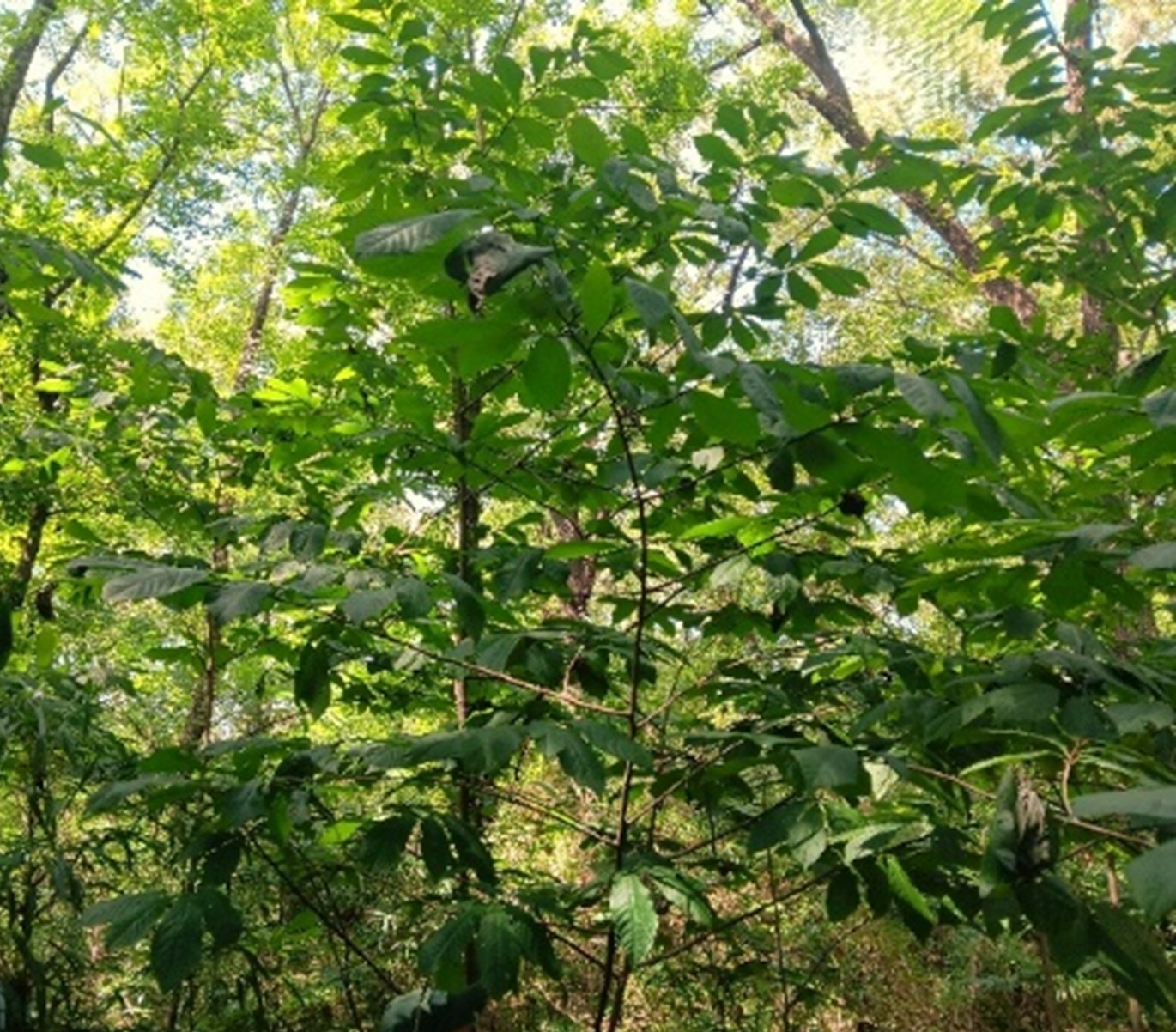 Figure 1. Wild pawpaw patch near Yashua Creek in McCurtain County, Oklahoma.
Pawpaw as a Food Source
Pawpaw is the largest native tree fruit in North America, with individual fruits reaching up to six inches in length and weighing as much as one pound. Pawpaw fruit tastes like a combination of custardy banana and mango with a hint of pineapple. In wild-grown pawpaw trees, there is a high seed-to-fruit ratio. Pawpaw is occasionally available in local markets; however, its extremely short shelf-life has largely limited its commercial expansion. Fresh fruit prices generally range from $3 to $10 per pound. Pawpaw fruit has several health benefits. It is high in flavonoids and other antioxidants, and rich in vitamins, including vitamin C. In addition, pawpaw contains annonaceous and acetogenin compounds in leaf, bark and twig tissue, which may have insecticidal and anticancer properties.
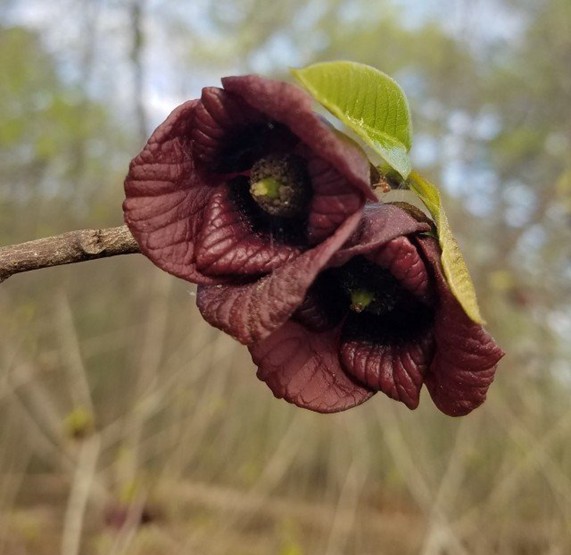 Figure 2. Pawpaw flower in male stage.
Pawpaw in the Wild
When growing wild, pawpaw is a shrublike, understory tree typically growing in temperate hardwood forests along stream banks. Trees typically reach 10–20 feet in height, though they may occasionally grow to 30 feet. Its seeds are dispersed by water or through animal scat, but pawpaw reproduces primarily by root suckering, with new trees originating from the roots of mature trees. This growth habit often results in clonal patches that are genetically similar. Because pawpaw exhibits self-incompatibility, fruit production does not occur between trees within the same clone.
Pawpaw flowers are large and trumpet-shaped, with six petals. Pawpaw flowers are protogynous: each bloom enters a receptive female stage for about 2–4 days, then shifts to a male phase of similar duration when pollen is released. If pollinated during the female stage, the flower develops into fruit. Strong-smelling flowers are light green in early development, becoming purple with maturity. Pollinators of pawpaw include beetles, flies, bees and bats.
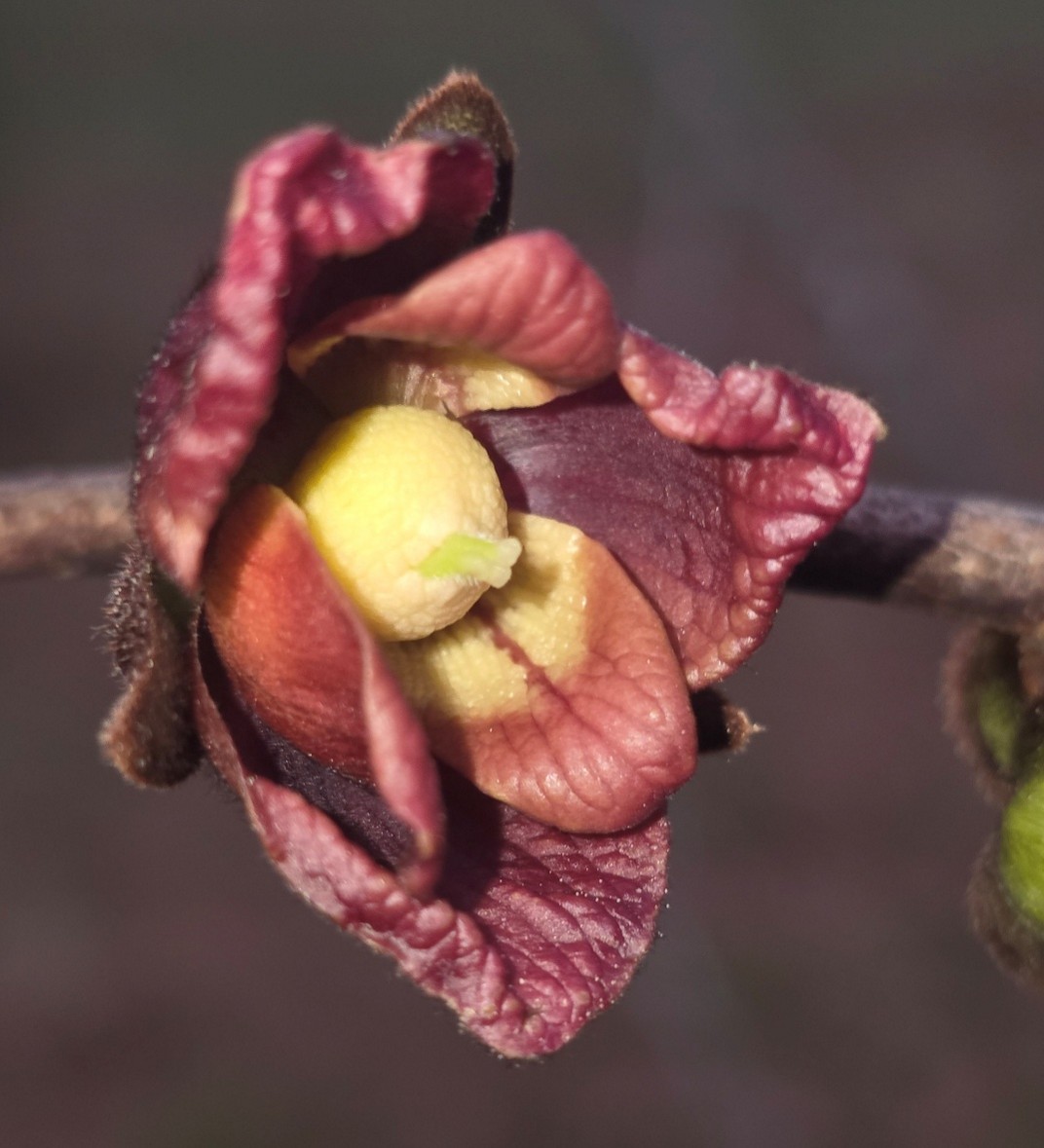 Figure 3. Pawpaw flower in female stage.
Growing Considerations
Pawpaw can be grown from seed or started as a bare-root or containerized nursery stock. Containerized pawpaw seedlings typically result in a better survival rate and healthier root systems after planting in the field. Growing pawpaw in an appropriately sized container for two years before outplanting is often highly successful, allowing for an adequate root system to develop. Initial container depth needs to be at least 10– 12" to prevent pawpaw from becoming root-bound and to allow more time to select an optimal planting location. Continue transfer to larger pots as needed until ready for outplanting. Choosing taller pots at each transplant will support healthier root development. For example, 5-gallon pots approximately 20 inches tall.
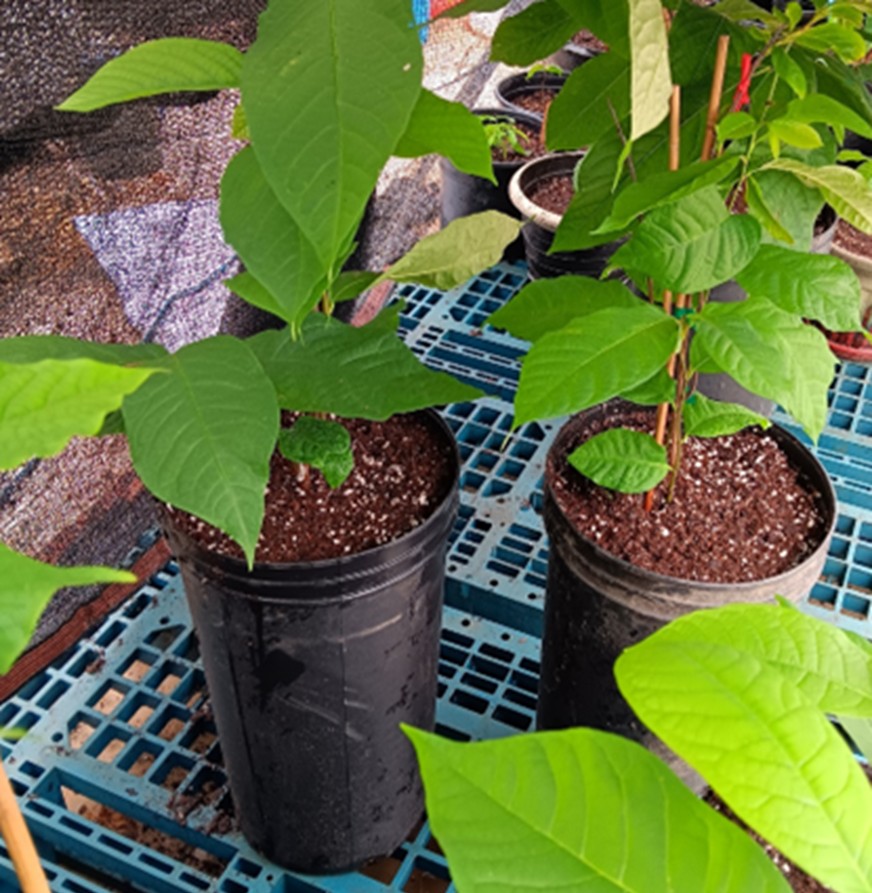 Figure 4. Choosing tall pots promotes healthy roots.
Methods for Starting from Seed
Cold stratification is a crucial process that mimics natural winter conditions required for seeds to germinate. This process involves exposing seeds to a period of chilling at temperatures between 35–40 F for approximately 70–120 days. The chilling period helps break seed dormancy, ensuring that they are primed for germination when temperatures rise in spring. When acquiring seeds, it is essential to check if they have been pre-stratified. If they have, you can plant them immediately. If seeds have not been pre-stratified, cold stratification is necessary before planting.
There are two common methods to chill seeds for stratification: 1) Outdoor stratification: Plant seeds outside in the fall and allow them to chill naturally. If conditions are ideal, they will germinate in the spring. However, pawpaw seeds will not tolerate being frozen. You can plant seeds directly in the ground, but starting them in a container increases the success rate. 2) Refrigerator stratification: Place cold-stratified moist seeds in a dark refrigerator for 70–120 days. Use peat moss or a wet paper towel, along with a plastic zipper bag, to keep seeds moist. Fill the bag with air and repeat every few days. Check regularly for moisture. Do not be alarmed if you see mold, and if the paper becomes dirty, wash it with warm water and mild dish soap. This is a sign of too much moisture. Adjust by adding more dry peat or a fresh paper towel with less water. Additionally, it is best practice to place damp peat moss and seeds in a zipper bag. Either store the bag in a dark area until a white radicle is easily visible against the dark peat, or place seeds in a damp paper towel in a zipper bag, fill the bag with air and repeat every few days. Use caution if utilizing a heat mat, as it can overheat and destroy seeds. An infrared thermometer can be helpful for adjusting the temperature.
After stratification, it is recommended to soak stratified seeds overnight and then pre-germinate them in peat moss or moist paper towels. Seeds should be planted in soil after the radicle emerges. The radicle is an embryonic root that emerges during germination and grows into the soil. The time frame for germination can range from three weeks to three months, with most occurring within six weeks.
Use a tall pot for planting newly sprouted seed regardless of germination methods, especially considering pawpaw grow a long tap root. Therefore, use a container at least ten inches tall, for example, D40 (40 cubic inches) tree tube. Seedling growth rate and performance depends on container size and genetic source(s) used.
Transplanting is best done in late fall or spring, taking care not to damage tap roots. Tap roots do not tolerate being disturbed in containers or in the ground. Consider pawpaw does not transplant well when very young and rarely survives being collected from the wild. Plant seeds two inches below soil level. If seed coats remain after leaves emerge, it can trap the newly emerging leaves, damage the plant, and hinder the seedling’s growth. If this happens, gently remove the seed coat, moistening it if necessary. Using a coarse-textured growing media (for example, one that includes bark), will help to pull of the seed coat during germination, preventing it from remaining attached to the sprouting leaves. It might take over month to see leaves, but tap roots are likely still growing. Seeds lose viability quickly, so plant within the first year for best luck. Remember seeds will not tolerate drying out at any time in their development.
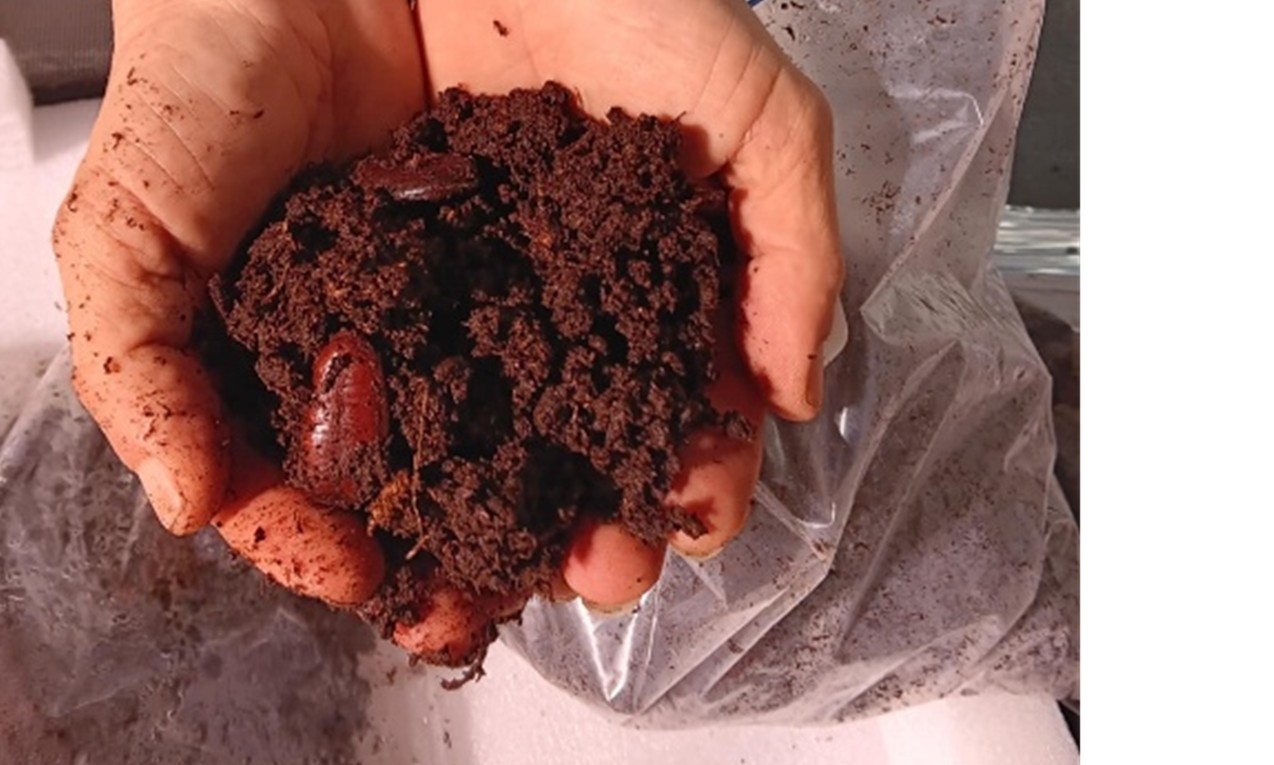 Figure 5. Seed in peat and plastic.
Natural and Hand Pollination Techniques
Pollination matters for fruit set; without pollination, fruit will not form. Consider appropriate light levels, assuming plants have less shade tolerance when young. A sunnier location generally increases fruit production. Also consider promoting the natural pollinators of pawpaw, including beetles, flies, bees and bats. Since pawpaw is self-incompatible, sexual reproduction requires cross-pollination between genetically distinct trees.
Hand pollination can be done with a small brush or swab. Keep in mind that pawpaw flowers are protogynous, meaning each flower is first female and later transitions to a male (pollen-producing) phase. Therefore, collect pollen only from flowers that have entered the male phase. If trees are releasing pollen, it is too late for the pollination of female flowers. In this case, collect an entire immature male flower and store pollen in an air-tight container until ready to use. Since pollen is prone to growing mold, add desiccant. Transfer the pollen to the female stigma using a small paintbrush or cotton swab, making sure to choose a flower in the female stage, which is the first day or two after the bloom has opened. The central portion (stigma) inside the flower will be glossy and might appear wet. If the pollen has started to be released, the plant has advanced to the male stage.
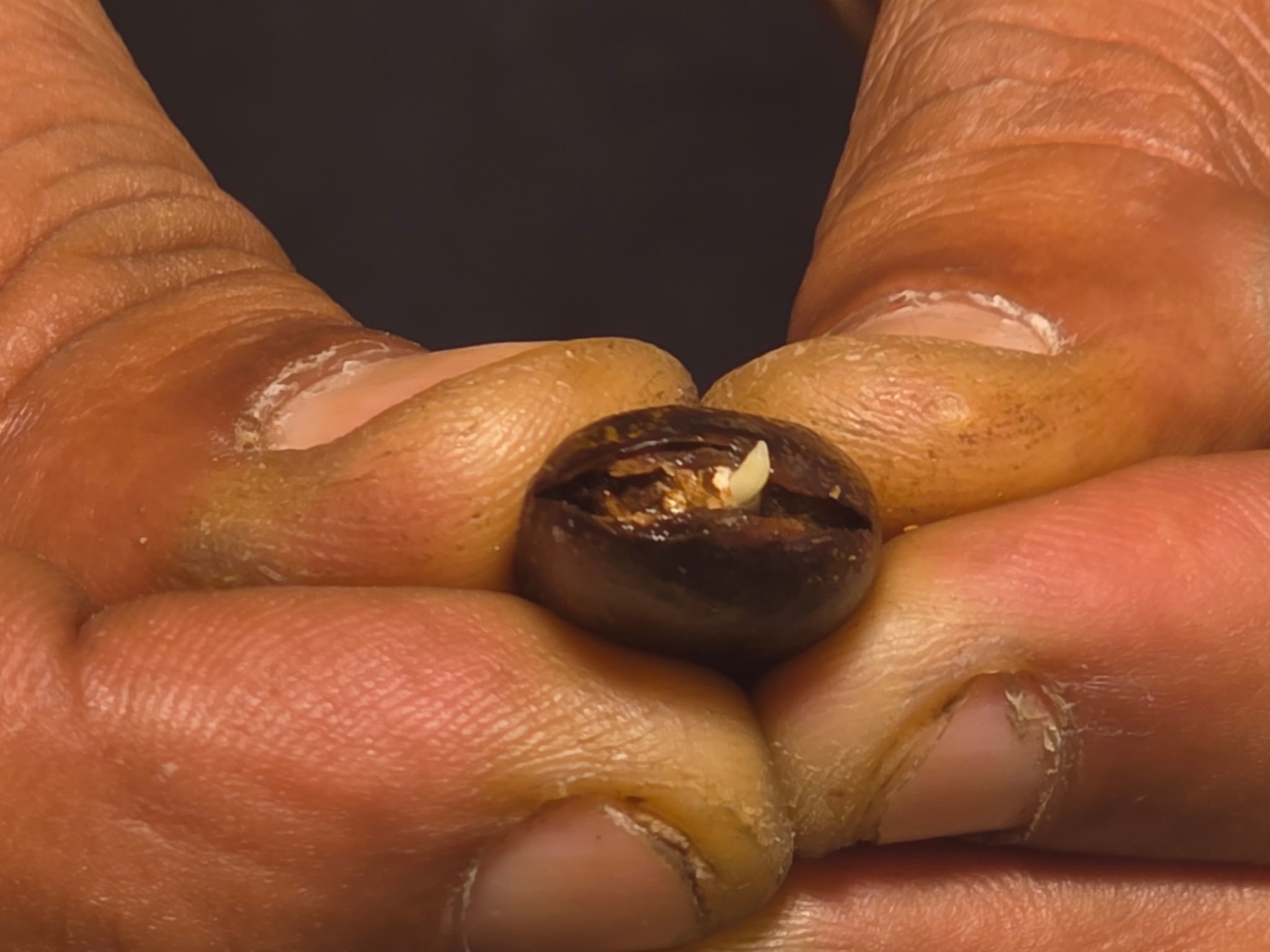 Figure 6. Emerging radicle. Seed is now ready to plant.
Post-Transplanting and Tree Care
Site selection and soil preparation are important for pawpaw growth and maintenance. Mulching and watering are important considerations. However, avoid piling mulch directly against the stem, because it can cause too much moisture and disease.
Shade management is important during the first few years after planting, particularly for young pawpaw trees, considering leaves are susceptible to sun scorch. An advantage of growing pawpaw in a container for the first 2–3 years is that it allows you to choose the sunniest location the tree can tolerate. Most cultivated pawpaw varieties have been selected for sun tolerance, and fruit production typically begins around ages 3 to 5 years, which is significantly enhanced with increased sunlight. When installing shade cloth, it is generally recommended to use 20% coverage, although up to 60% can also be successful. As the trees mature, consider reducing or removing the shade cloth to maximize sunlight exposure. Additionally, pay attention to the sun’s angle during installation and use techniques such as T-posts or PVC frames to ensure an effective setup.
Pawpaw is not drought tolerant and requires approximately 1–2 inches of water per week during the growing season. In drier climates, irrigation should be considered, especially during tree establishment. Pawpaw does not need much fertilization, but slow-release organic fertilizer with mycorrhizal fungi may work well. Common recommendations include fall or spring fertilization with a 20:20:20 slow-release nutrient if growing for commercial production. Pawpaw does well in rich, well-drained soil, but excessive nutrients can cause toxicity. Due to root suckering, secondary stems often form. To avoid root suckering, minimize damage to the shallow root system by avoiding tilling and consider using mulch to protect roots from further damage. Remove secondary stems during the dormant season (late winter to early spring) to promote a single stem.
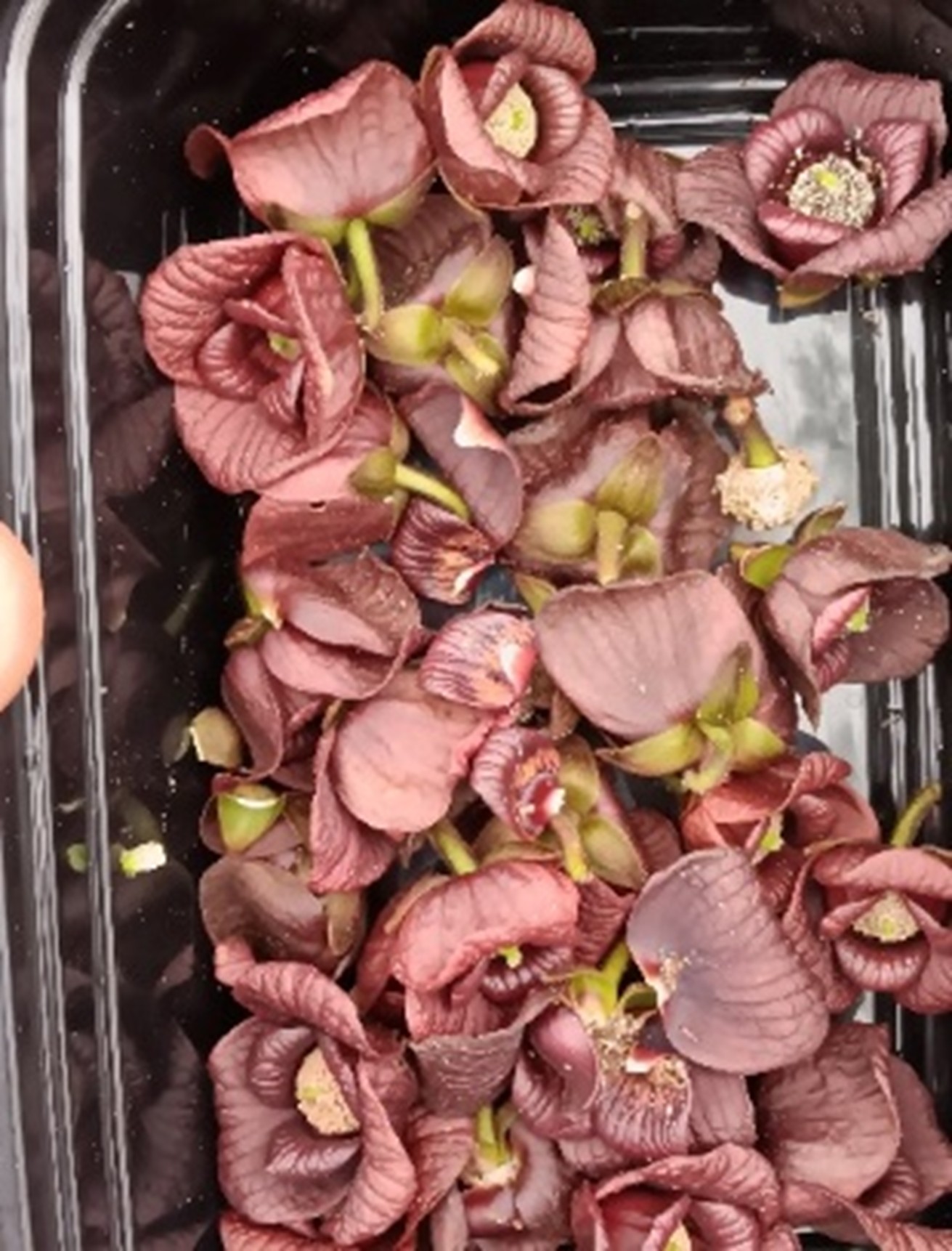 Figure 7. Flowers for pollen source.
Pawpaw Pest Management
Common pests of pawpaw are most often encountered when multiple trees are growing in a small space. Pests include deer, rabbits, zebra swallowtail caterpillars — which feed exclusively on pawpaw leaves — Japanese beetles, pawpaw peduncle borer—whose larvae bore into fruit stalks which causes damage and fruit drop—fruit flies such as the spotted wing drosophila—which lay eggs in the fruit which leads to rot—caterpillars—which feed on leaves and fruit—spider mites—which cause stippling and discoloration of leaves—boring insects that affect the trunk and branches, and scale insects such as aphids—which can weaken the tree by feeding on sap. Proper management practices, including sanitation, monitoring, and organic or chemical sprays such as Dr. Zymes and Green Cleaner, can help manage these pests effectively.
Spider Mites (Tetranychus spp.)
Spider mites are small arachnids that create fine webbing on leaves and ingest plant juices, leading to stippled, yellowed and brittle foliage. The juvenile form appears pale orange as a six-legged larvae, whereas the adult form is an eight-legged, reddish-brown mite only visible under magnification. Spider mite damage includes mottled leaves, webbing and leaf drop. Solutions to control spider mites include the introduction of predatory mites (Phytoseiulus persimilis), spraying with insecticidal soap or Neem oil every 5–7 days, and maintaining humidity since spider mites thrive in dry heat.
Thrips (Frankliniella spp.)
Thrips are slender, cigar-shaped insects that feed on plant tissues. In juvenile form, yellow nymphs have soft bodies, whereas in adult form, they are winged, darker-colored insects. Thrips damage includes silvery streaks, curling leaves, and black fecal spots. Control solutions include using sticky traps to monitor and reduce populations, applying Spinosad or Pyrethrin-based sprays or using organic soap and removing nearby weeds that harbor thrips.
Mealybugs (Pseudococcidae Family)
Mealybugs are white, cottony sapsuckers that congregate in leaf joints and on the undersides of leaves. In juvenile form, they appear as tiny, yellowish, mobile crawlers. In adult form, they are covered in a waxy, cotton-like coating. Mealybug damage includes sticky honeydew, sooty mold, leaf distortion and stunted growth. Control solutions include wiping infested areas with 70% isopropyl alcohol on cotton swabs, releasing lady beetles (Cryptolaemus montrouzieri), and using horticultural oil sprays every 10 days.
Scale Insects (Coccidae & Diaspididae Families)
Scale insects are hard- or soft-bodied sap feeders that attach permanently to stems and leaves. In juvenile form, they are mobile crawlers that form shells, whereas in adult form, they are dome-shaped or fat, with brown or black shells. Scale insect damage includes yellowing leaves, sticky residue and branch dieback. Control solutions include scraping of visible scales gently with a toothbrush, pruning heavily infested branches, and applying dormant oil in winter and Neem oil during the growing season.
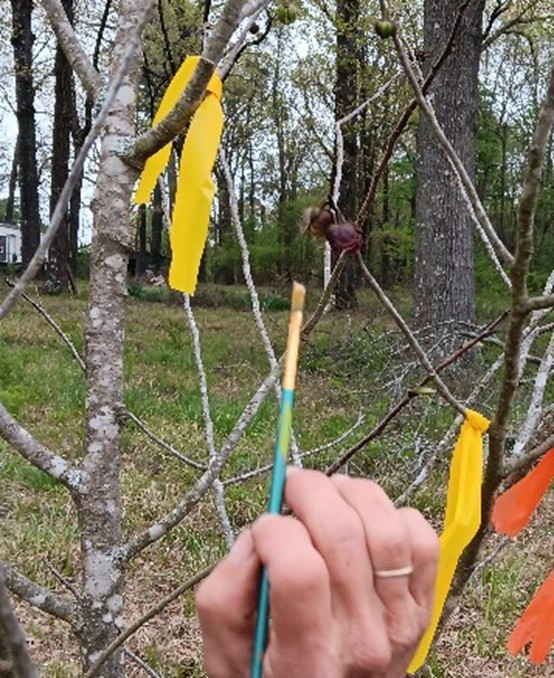 Figure 8. Hand-pollination with a paintbrush.
Preventive Tips for Growers
Inspect pawpaw at least once a week to detect and prevent pest outbreaks. Avoid broad-spectrum insecticides, as they can kill beneficial species and create pest rebounds. Maintain tree health by keeping trees well-watered and properly pruned. Clean up debris, including fallen leaves and fruit, to disrupt pest life cycles.
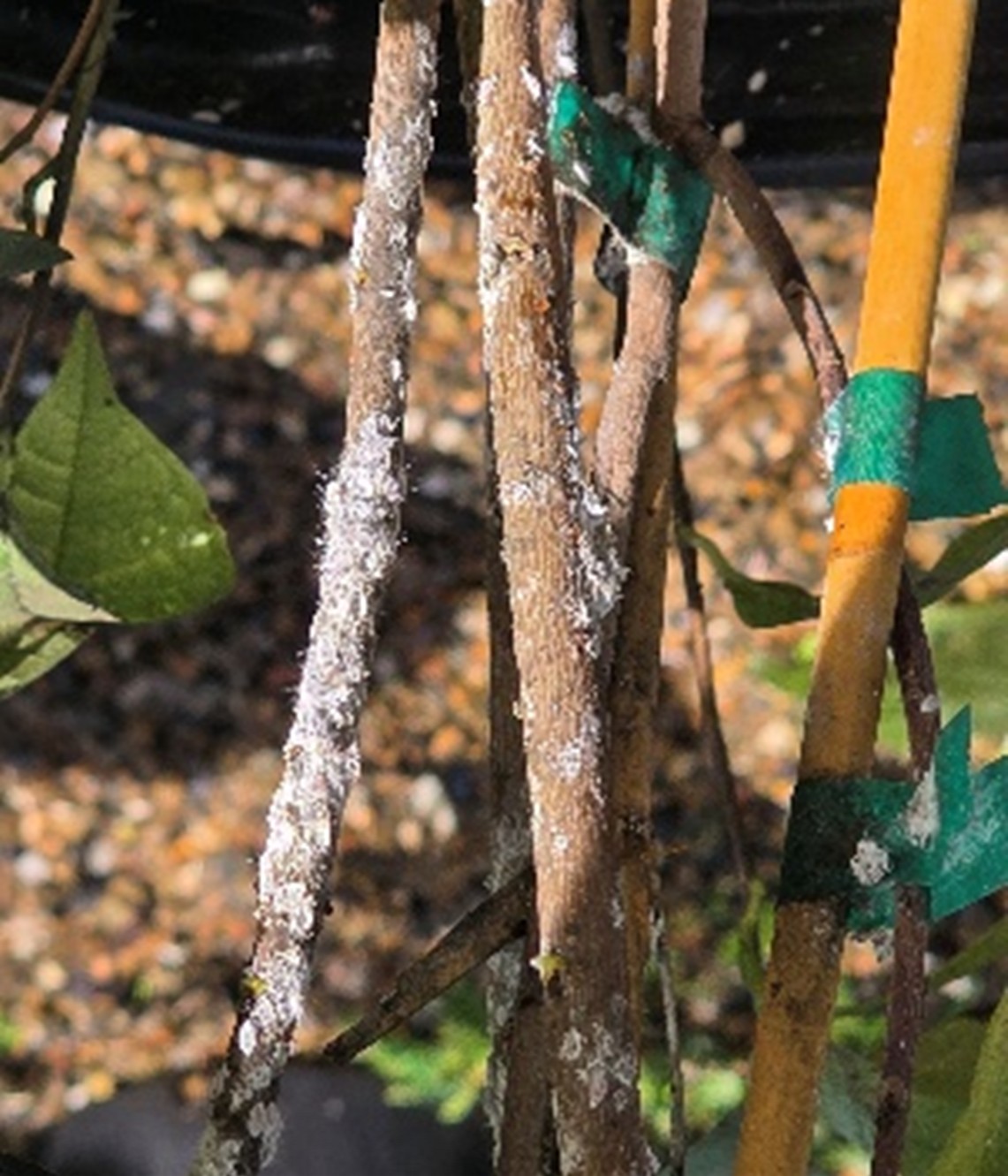 Figure 9. Scale insects.
Harvesting and Post-Processing
The most reliable way to harvest ripe pawpaw fruit is to wait until it naturally falls from the tree. However, wildlife like racoons tend to eat them quickly. To process fruit and clean seed, food processors with dough paddles are highly recommended. Skin should be peeled away, while avoiding the film around seeds due to a bitter taste. Fruits can be preserved by freezing. If seeds are intended for planting, they should not be allowed to dry out, as pawpaw seeds are intolerant to desiccation. Drying reduces germination rate to less than 30%.
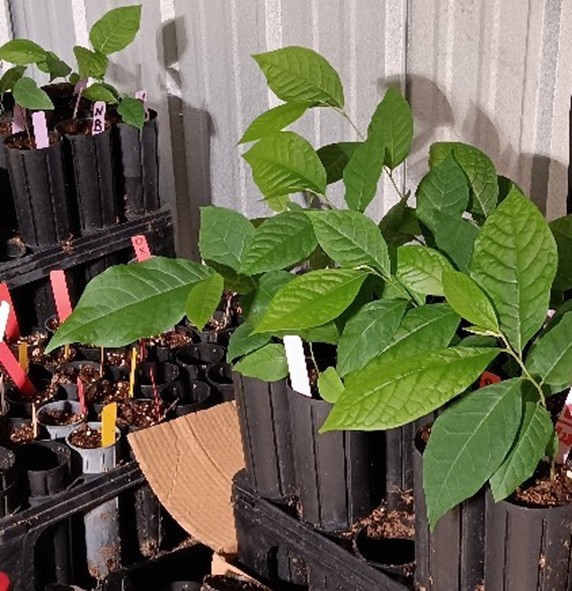 Figure 10. Pawpaw fruit and seed collection.
Resources
Oklahoma State University Extension pawpaw plant profile.