

Economic Contribution of Forest Sector in Oklahoma in 2022
Highlights
- In 2022, Oklahoma’s forest sector directly contributed $4.6 billion in industry output and employed more than 9,200 people with a payroll contribution of $626 million.
- The forest sector in the state generated about $1.5 billion directly through payroll, other employee compensation and property taxes.
- Including direct, indirect and induced impacts, the forest sector had a total economic contribution of $6.9 billion in industry output and supported more than 19,280 jobs with a payroll of $1.2 billion.
- Every job created in the sector resulted in another 1.08 jobs in the state.
- Every dollar generated in the sector contributed an additional 49 cents to the rest of the state economy.
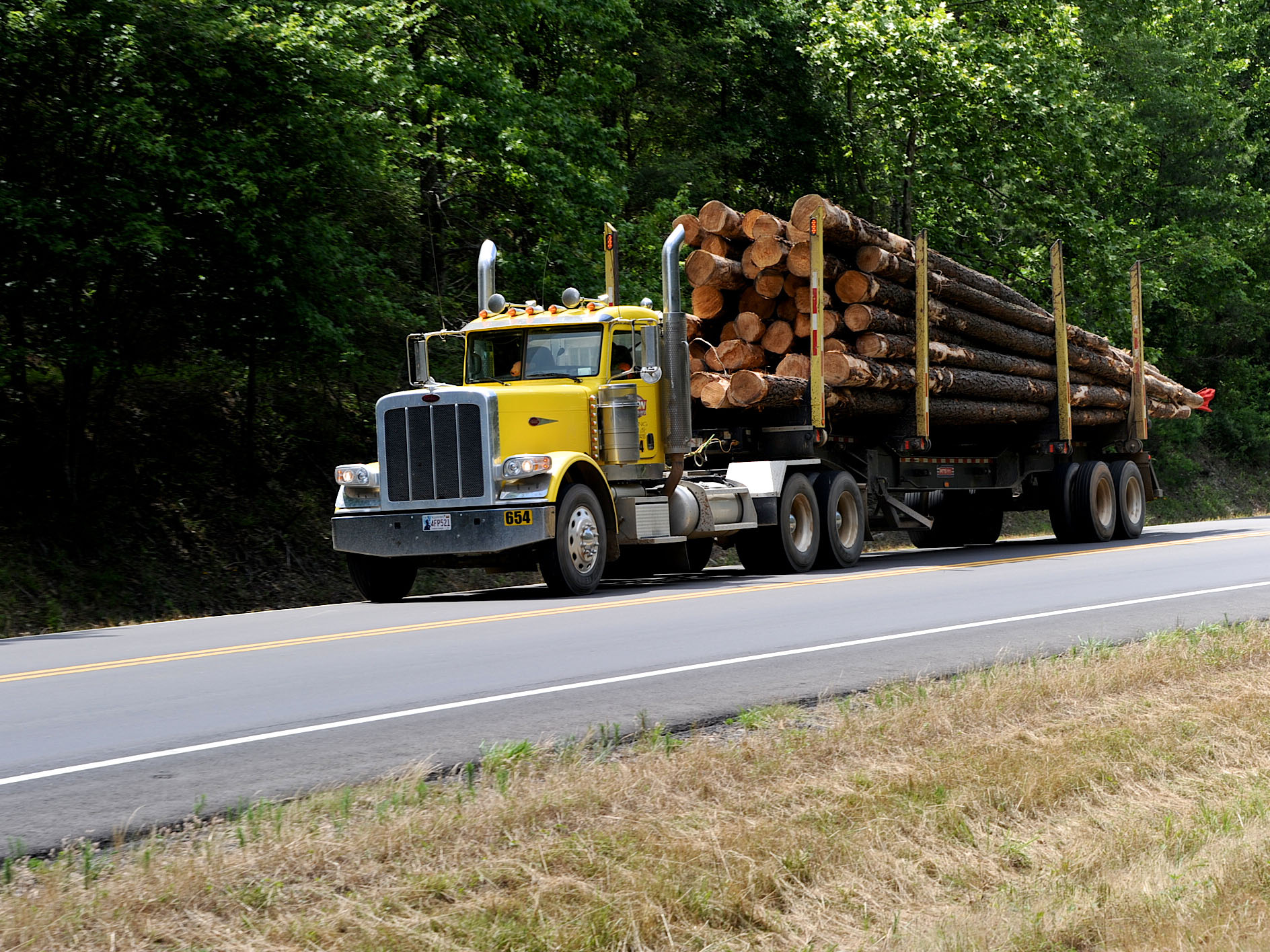
Figure 1. A wood load truck from SE Oklahoma.
Industry Analysis
- Secondary solid wood and primary paper and paperboard products continued to be the top two employers in the Oklahoma forest sector.
- Almost half (48%) of the forest sector workforce — 4,447 workers — were directly employed in secondary industries.
- The primary paper and paperboard industry has continued to produce the largest value added, economic output and the labor income.
- Primary and secondary paper and paperboard were the top two highest-paying forestry industries, based on their labor income to employment ratio.
- The forestry and logging industries together accounted for about 14% of the total employment.
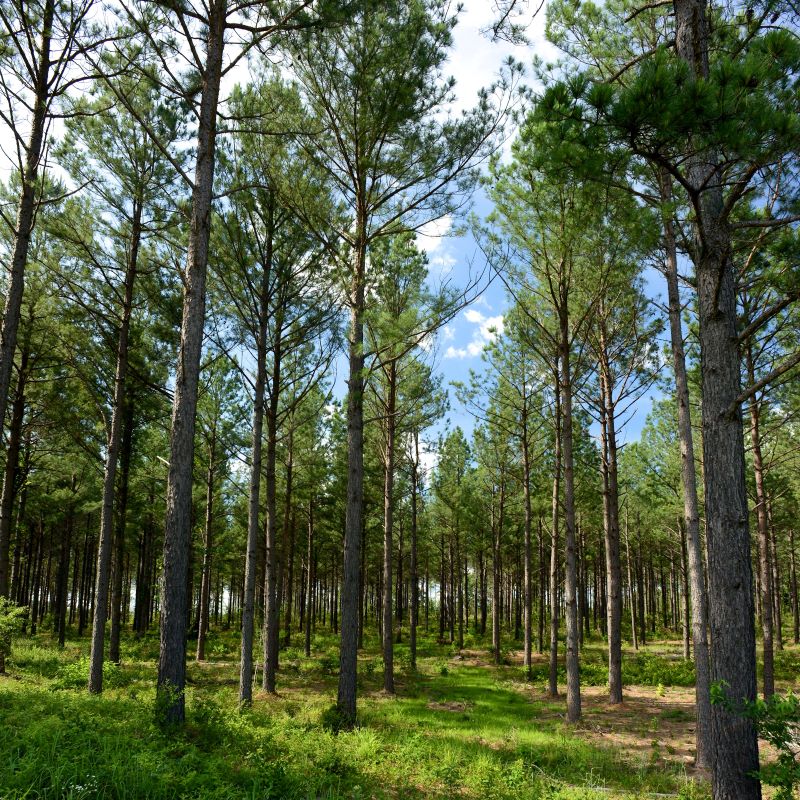
Figure 2. A forest located in SE Oklahoma.
Table 1. Economic contributions (direct contribution) of the forest sector in Oklahoma in 2022.
| Direct Contribution* | Employment (Jobs) | Labor Income (Million $) | Value Added (Million $) | Industry Out- put (Million $) |
|---|---|---|---|---|
| Forestry | 400 | 16.60 | 20.85 | 28.57 |
| Logging | 938 | 21.08 | 45.06 | 83.21 |
| Primary Solid Wood Products | 1,029 | 76.00 | 235.82 | 783.31 |
| Secondary Solid Wood Products | 3,205 | 169.10 | 226.22 | 726.03 |
| Primary Paper and Paperboard Products | 2,446 | 245.47 | 751.49 | 2,237.42 |
| Secondary Paper and Paperboard Products | 1,242 | 98.11 | 217.77 | 772.91 |
| Total | 9,261 | 626.36 | 1,497.20 | 4,631.45 |
Economic contributions, based on multi-industry contribution analysis, are reported in 2022 dollars.
Table 2. Economic contributions (total contribution) of the forest sector in Oklahoma in 2022.
| Total Contribution** | Employment (Jobs) | Labor Income (Million $) | Value Added (Million $) | Industry Out- put (Million $) |
|---|---|---|---|---|
| Forestry | 484 | 20.74 | 26.63 | 43.68 |
| Logging | 1,176 | 31.28 | 63.42 | 120.80 |
| Primary Solid Wood Products | 2,449 | 164.12 | 396.64 | 1,126.60 |
| Secondary Solid Wood Products | 5,167 | 278.72 | 421.61 | 1,120.46 |
| Primary Paper and Paperboard Products | 7,144 | 541.62 | 1,301.50 | 3,380.68 |
| Secondary Paper and Paperboard Products | 2,865 | 191.96 | 388.34 | 1,120.06 |
| Total | 19,285 | 1,228.43 | 2,600.14 | 6,912.27 |
Economic contributions, based on multi-industry contribution analysis, are reported in 2022 dollars.
Table 3. Ripple effects of forest sector contribution to Oklahoma economy.
| SAM Multiplier | Employment (Jobs) | Labor Income (Million $) | Value Added (Million $) | Industry Out- put (Million $) |
|---|---|---|---|---|
| Forestry | 1.21 | 1.25 | 1.37 | 1.53 |
| Logging | 1.25 | 1.48 | 1.41 | 1.45 |
| Primary Solid Wood Products | 2.38 | 2.16 | 1.68 | 1.44 |
| Secondary Solid Wood Products | 1.61 | 1.65 | 1.86 | 1.54 |
| Primary Paper and Paperboard Products | 2.92 | 2.21 | 1.73 | 1.51 |
| Secondary Paper and Paperboard Products | 2.31 | 1.96 | 1.78 | 1.45 |
| Total | 2.08 | 1.96 | 1.74 | 1.49 |
Economic contributions, based on multi-industry contribution analysis, are reported in 2022 dollars. Ripple effects=SAM Multiple-1
Key Definitions
- Industry output is the total value of production or service by industry in a snapshot of time.
- Employment includes all full-time, part-time employees and self-employed people.
- Labor income includes wages, salaries, benefits of the employees including their tax contributions to the government and income for the self-employed individuals.
- Value added is the difference between total output and the costs of its intermediate inputs.
- Direct contributions include forestry sectors own production, value-added, employment and labor incomes.
- Indirect contributions include economic activities in other sectors impacted by forestry sector's purchase of goods and services.
- Induced contributions are economic activities from consumption of goods and services using incomes generated from direct and indirect contributions.
- Total economic contributions are the sum of direct, indirect and induced contributions.