

Assessing Winterkill on Bermudagrass
Freezing events during winter and early spring are recurring challenges for bermudagrass. These events can result in various levels of winter injury or even widespread winterkill. Understanding the causes of winterkill, assessing them before soil temperatures begin to rise and making proper recovery decisions are critical steps in effective turfgrass management. This fact sheet is an overview of winterkill and provides guidance for early-season assessment and recovery planning. It is intended for turfgrass professionals, athletic field managers, golf course superintendents and grounds managers in Oklahoma.
The Term “Winterkill”
Winterkill has several definitions. In its simplest form, winterkill means death from or during winter. The term references the death of tissue in leaves, stems or roots, which are individual plant parts and its occurrence during winter. However, the term can also be used to describe an event occurring at a turfgrass stand level, such as over a single lawn, a single putting green or an entire golf course. Furthermore, the term can broadly describe winter death of turfgrass stands across a larger geographic region. In each of these illustrations, the term refers to death during a season of the year, not to a specific cause. Environmental conditions during winter could have been very cold and wet, very mild and very dry or, worse yet, very cold and very dry. And the weather during winter could have been remarkably different across the region, yet the same term is being applied to turfgrass at the various locations. So, winterkill of bermudagrass is not necessarily due to how low temperatures were or how long the cold conditions persisted, but rather from several different, highly influential and interactive environmental conditions.
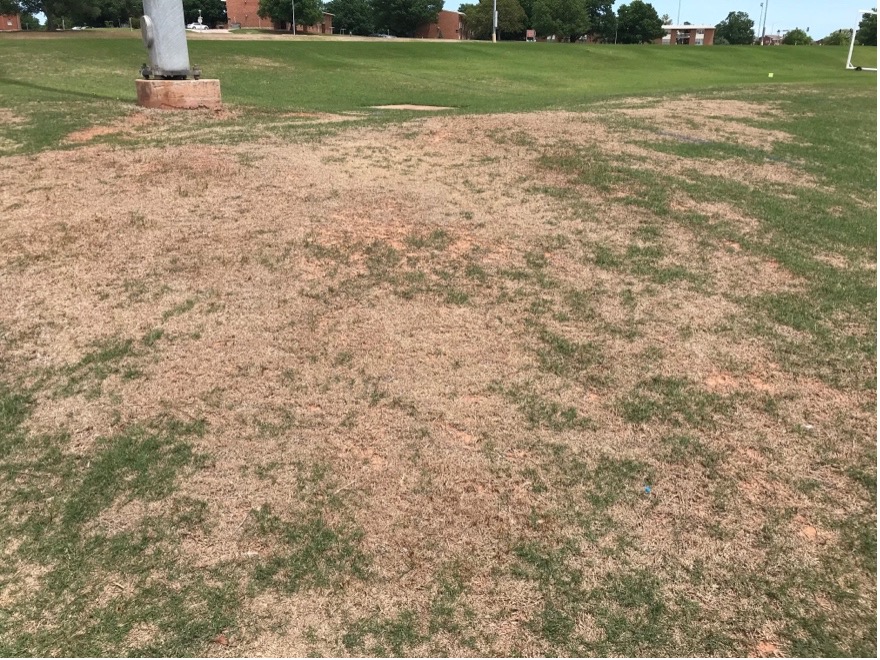 Figure 1. Winter injury and inadequate spring green-up of bermudagrass are common issues in areas with high traffic and soil compaction.
Parts of the Bermudagrass Plant
Bermudagrass turf is comprised of an intermingled system of leaves, stems and roots. In this discussion, we ignore flowering stems and seeds, as we focus on turfgrass stand regeneration through vegetative regrowth following winter. Shoots can describe a stem with or without leaves and they can be either a vertical aerial stem, a horizontal aerial stem called a stolon or a below thatch/soil level stem called a rhizome. Stems contain noticeable segments called internodes (between nodes) and nodes. There is at least one lateral bud on each node. A lateral bud can generate a new shoot stem system, and it is the source of investment for the future regeneration of the turfgrass stand. Importantly, these nodes and their lateral buds may be located on vertical aerial shoots, horizontal aerial shoots (stolons) or buried shoots (rhizomes).
Winter Injury Overview
Winterkill can result in partial or complete death of bermudagrasses, with severity influenced by environmental conditions. In milder winters, the uppermost leaves and shoots die, but those closer to the soil survive. It is the surviving shoots that lead to earlier green-up. Regrowth following winter is initiated from dormant lateral buds on nodes, so the fewer nodes that die, the earlier and more effectively the stand regrowth occurs. Also, the more developed the dormant lateral bud and the shallower its dormancy depth, the more quickly the bud breaks dormancy, initiating stand regrowth. During severe winters, the death of nodes/dormant lateral buds extends deeper into the layers of stolons and rhizomes. This leads to less recovery capacity or greatly extends the time needed for the stand to suitably regrow.
Severity of winterkill is not only influenced by how low temperatures were or for how long or how dry the conditions were in winter, but also by the health of the turfgrass stand going into winter. The more stand health was already compromised by drought, soil compaction, poor drainage, excess wear, disease, severe insect feeding, herbicide injury, plant growth regulator injury, shade and excessive thatch, the more likely the stand is to suffer severe winterkill. Stands that were chronically or severely stressed during the growing season may have failed to generate adequate rhizomes, which are the ultimate final vegetative storage parts for regeneration capacity following very severe winters. Similarly, newly established bermudagrass stands that are not fully mature and lack developed rhizomes are more susceptible to winterkill. Therefore, proper protection may be necessary when grasses are established late in the growing season. Earlier establishment in mid-spring to early summer is highly recommended to ensure a mature, resilient stand.
Genetic improvement has significantly enhanced winter hardiness in bermudagrass. The seed-propagated turf bermudagrasses ‘Yukon’, ‘Rio’ and ‘Monaco’ were specifically bred and selected for improved cold hardiness and have demonstrated improved winter hardiness over older seeded types such as ‘Arizona Common’ and ‘Sahara’ seeded bermudagrasses. The vegetatively propagated interspecific hybrid cultivars ‘Patriot’, IronCutter, Landrun, Tahoma 31, NorthBridge, Latitude 36 and High Point demonstrate improved cold tolerance and reduced winter injury compared to older varieties such as ‘Tifway’, offering greater resilience in the transition zone.
The timing of bermudagrass regeneration in early spring can be highly variable from year to year and location to location. This is due to cultivar effect, severity of the winterkill event, stand health prior to the winter events, geographical locations, differences in sunlight, soil type, soil temperature, mowing height, accumulation of heating units and setbacks by tissue-killing late-winter or early-spring freezes.
Generally speaking, green shoots should become visible in bermudagrass stands by mid-March in far southern Oklahoma and by mid-April in far northern or northwest Oklahoma. By mid-May, large areas of tan or brown bermudagrass without green shoots indicate poor recovery (Fig. 1). Such areas are unlikely to produce adequate new shoots for timely recovery and should be renovated to restore turf health and density. Early and periodic assessment of winterkill from late winter through spring is critical, as it enables timely recovery and renovation decisions, supports informed herbicide planning for early-season programs and helps develop proactive strategies to prevent future winterkill issues.
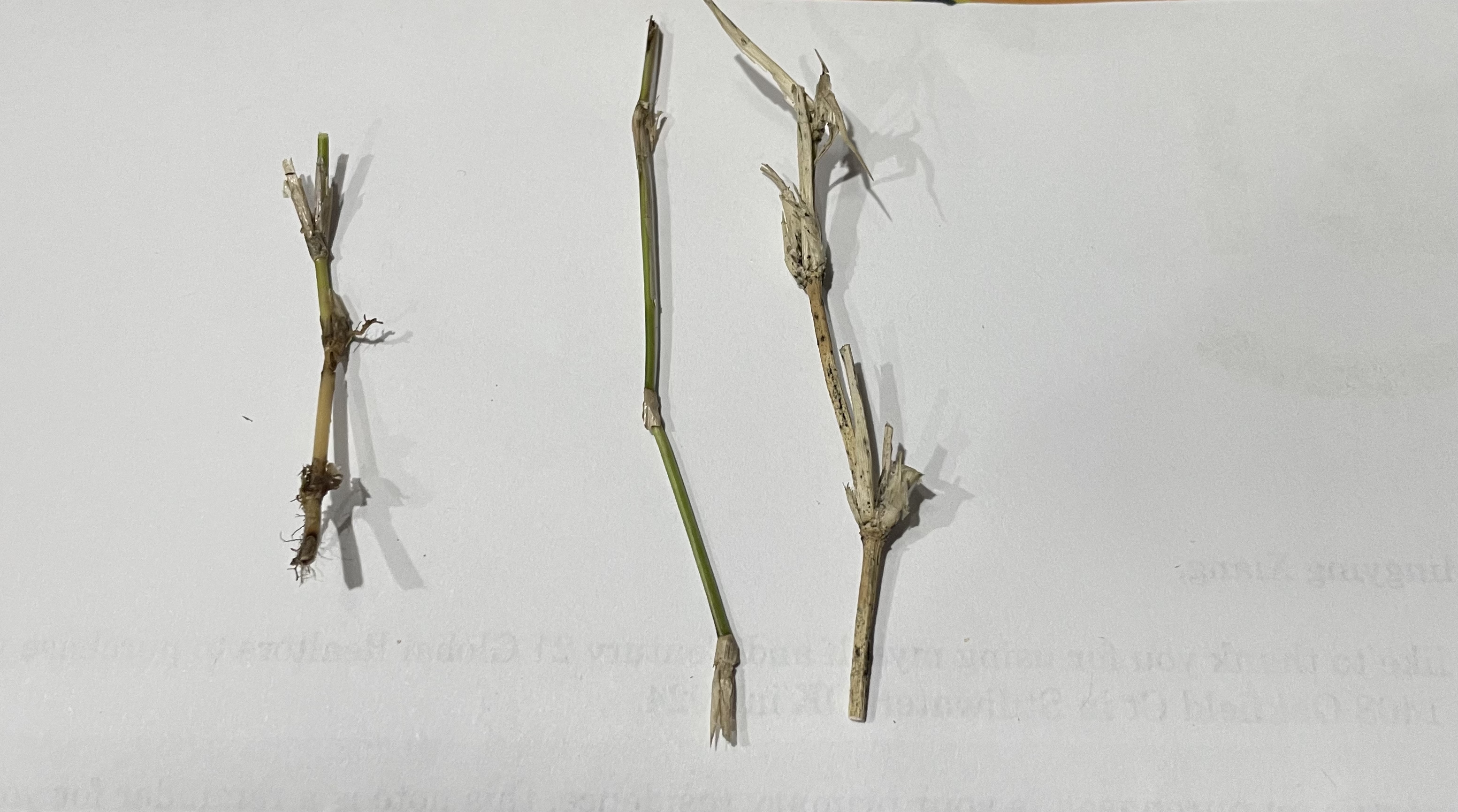 Figure 2. Comparison of healthy green (left two stolons) and unhealthy tan (right-most stolon) internode segments on stolons of bermudagrass sampled prior to spring green-up.
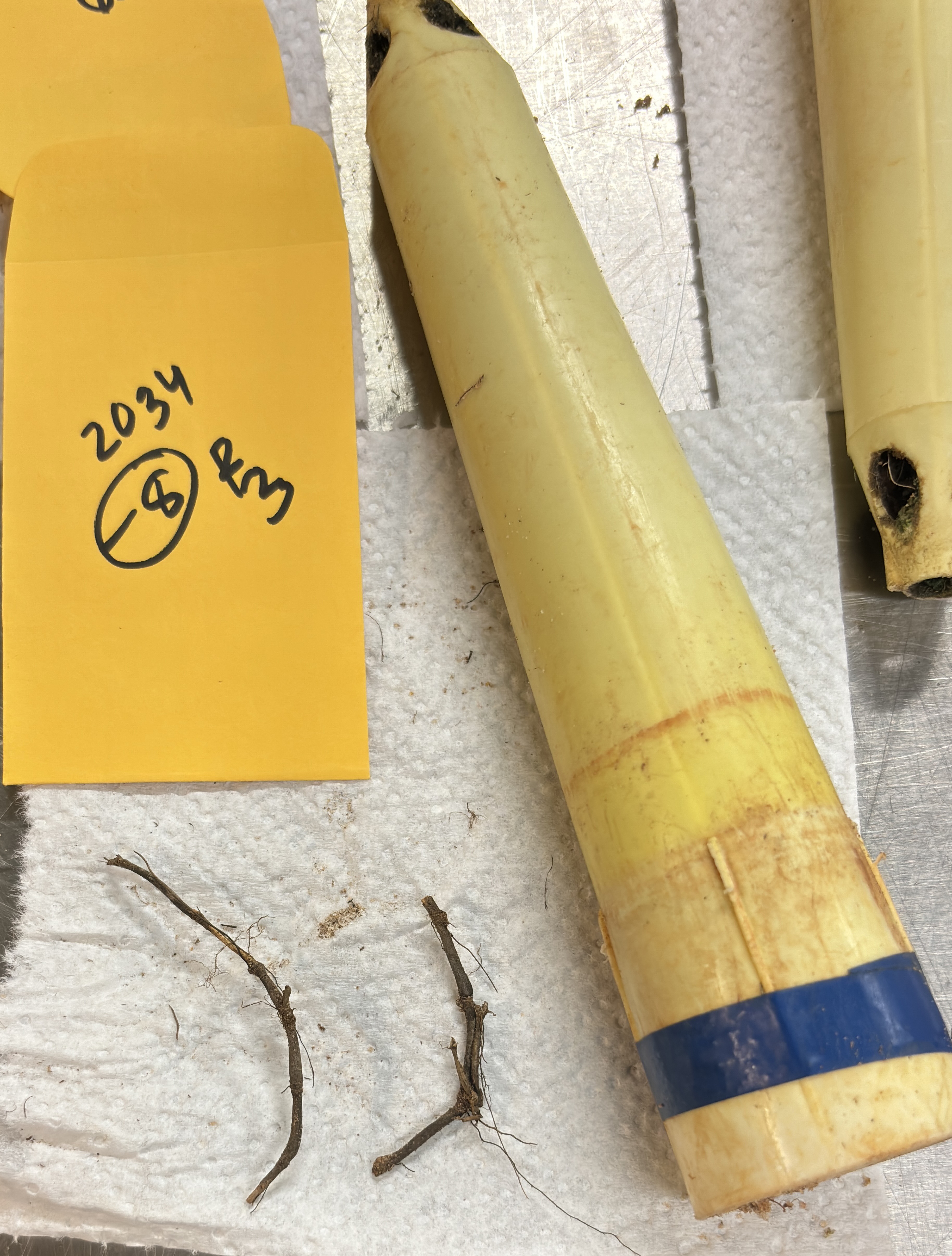 Figure 3.1. Unhealthy or dead rhizomes. Notice the tan, drab, or dark gray internode segments, signaling the presence of dead tissue.
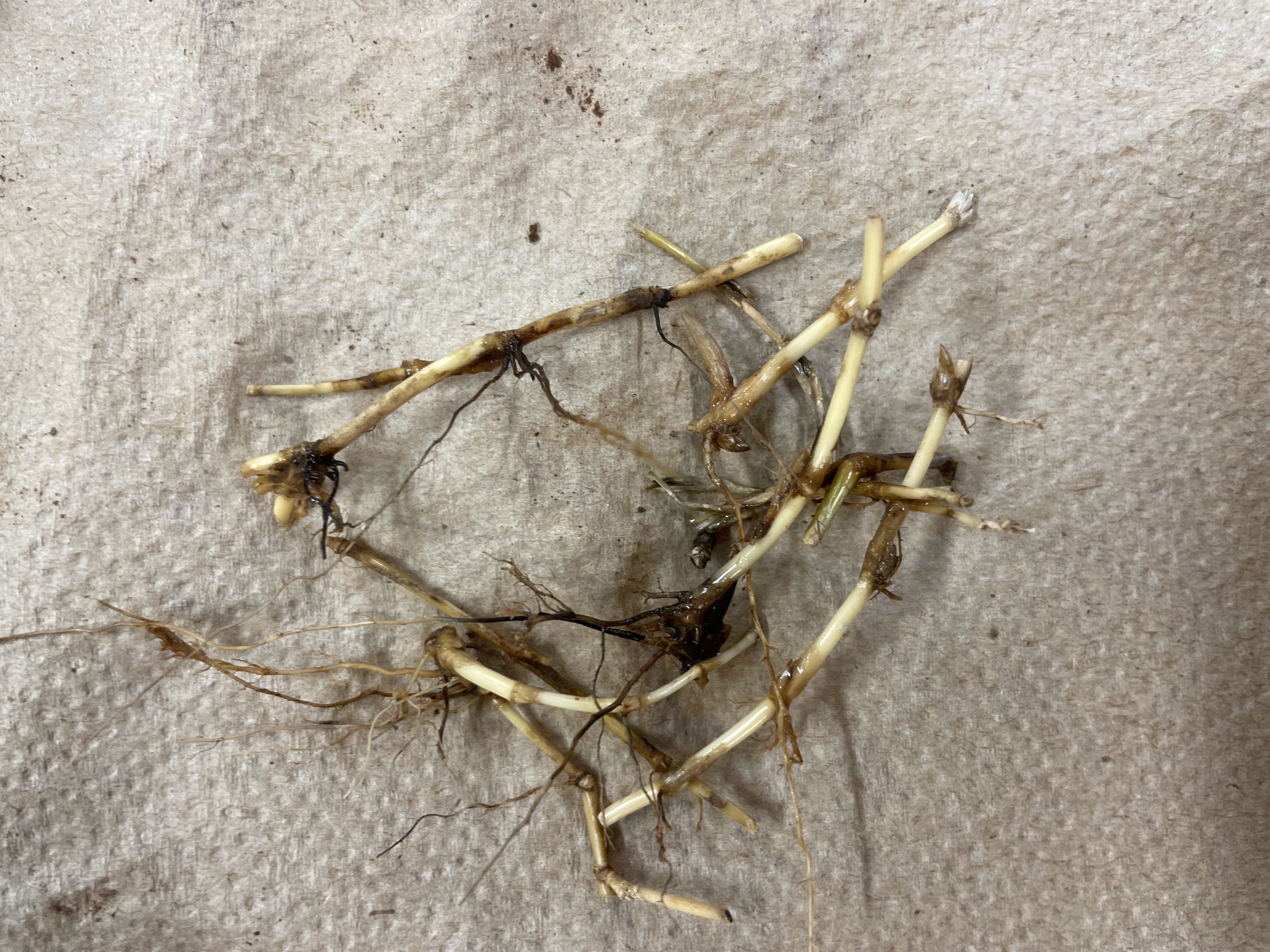 Figure 3.2. Healthy rhizomes. Notice the white, firm internodes, which are signs of living tissue.
Techniques for Assessing Winterkill
1. Identifying Healthy Nodes/Internodes
Healthy internodes are from when touched and may appear green, white, red or purple (Figs. 2 and 3). These characteristics indicate viable tissue and regrowth potential at the time of the assessment. In contrast, unhealthy internodes are soft, mushy or brittle and typically black, brown or straw-tan, indicating dead or damaged tissue. Simply parting the dead bermudagrass canopy prior to green-up allows a search for live tissue masked by the canopy (Fig. 4).
2. Canopy Brushing Technique
The canopy brushing method assesses the survival of aerial stems and stolons normally hidden within the dead bermudagrass canopy (Fig. 5.1). This technique involves brushing the brittle, dead leaves (Fig. 5.2), which are easily dislodged from the stems (Fig. 5.3), then searching for living aerial shoots with green, red, purple or white internode segments (Fig. 5.4). It is important to sample multiple suspect areas and allow sufficient time after a low-temperature damaging event for tissue decay to become visible. This canopy brushing method (Fig. 5.2 through Fig. 5.4), just like simple canopy parting (Fig. 4), helps determine the extent of winter injury and the potential for recovery in the field (in situ).
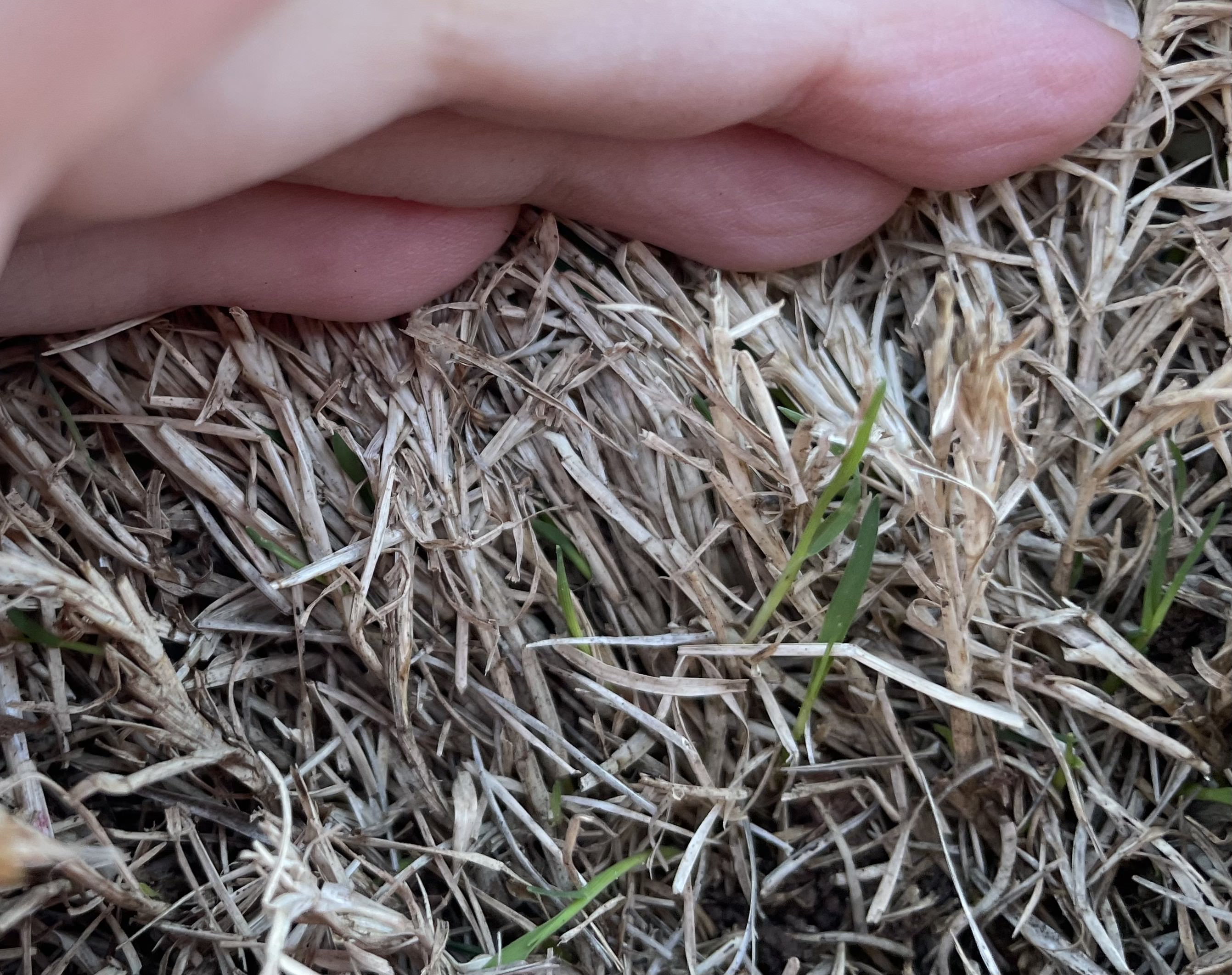 Figure 4. Parting of the dead canopy and searching for green, red, purple or white vertical or horizontal shoots can be performed regardless of whether the dead leaf canopy was brushed of, although brushing makes the scouting process easier. Note the new shoots that have already initiated stand regeneration in this image.
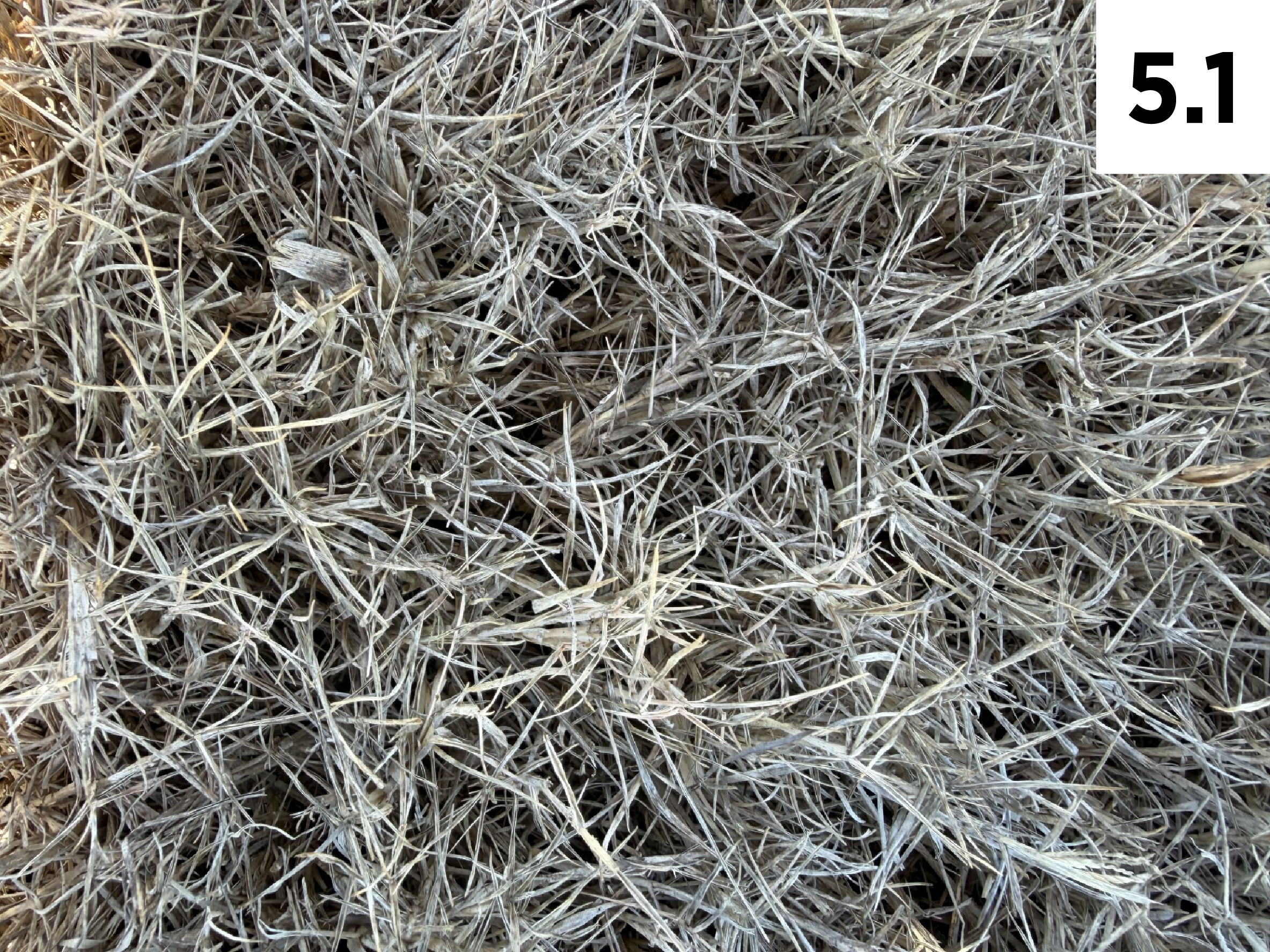 Figure 5.1. Sequence of images showing the use of the canopy brushing technique for assessing aerial shoot survival of bermudagrass prior to spring green-up. Fig 5.1: In mid- to late-winter but prior to spring green-up, viewed from above, the undisturbed dead bermudagrass canopy doesn’t reveal whether the aerial shoot system has survived.
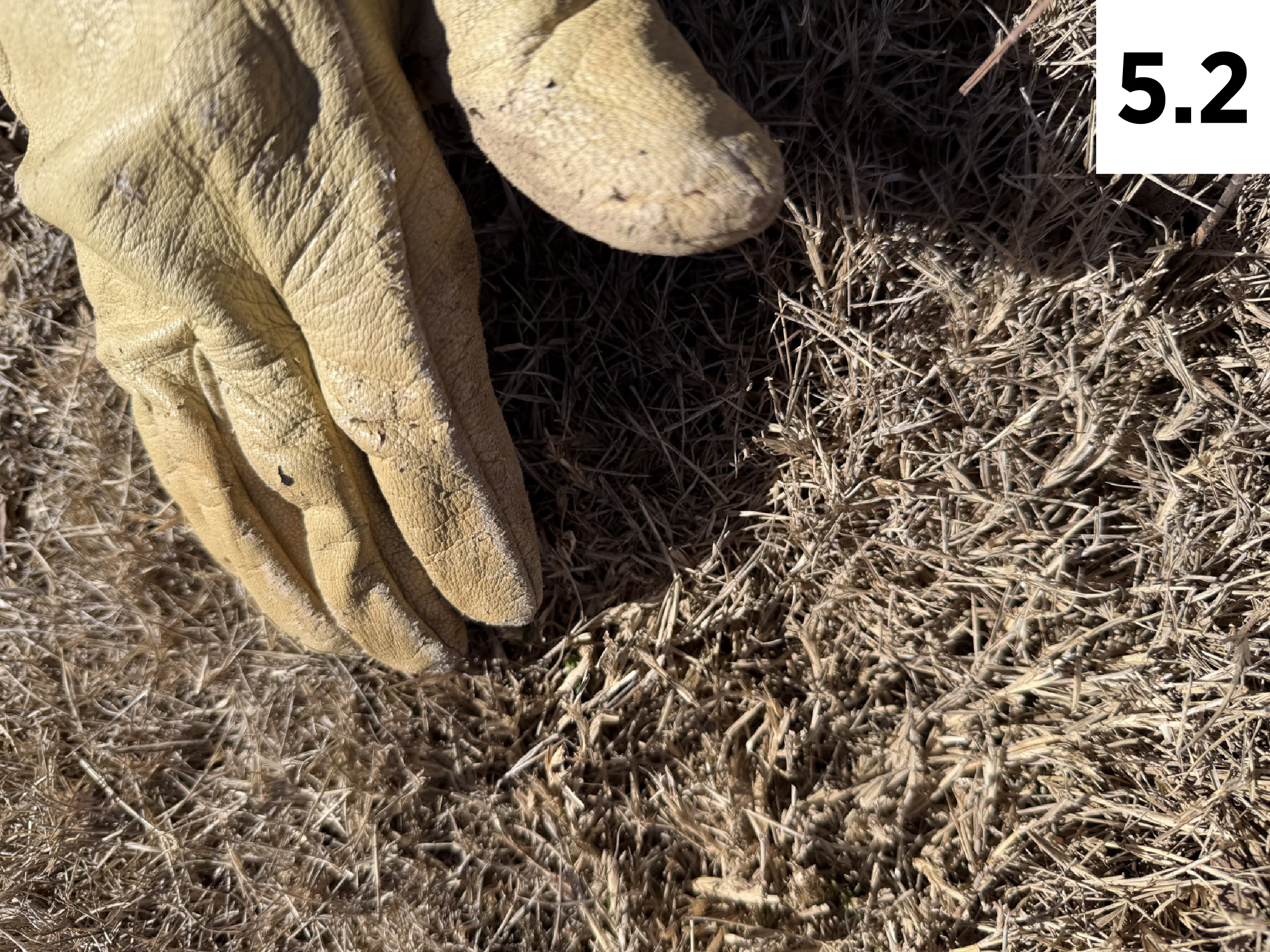 Figure 5.2. Vigorous brushing of the dead canopy with a glove-protected hand easily defoliates a dead bermudagrass canopy in late winter.
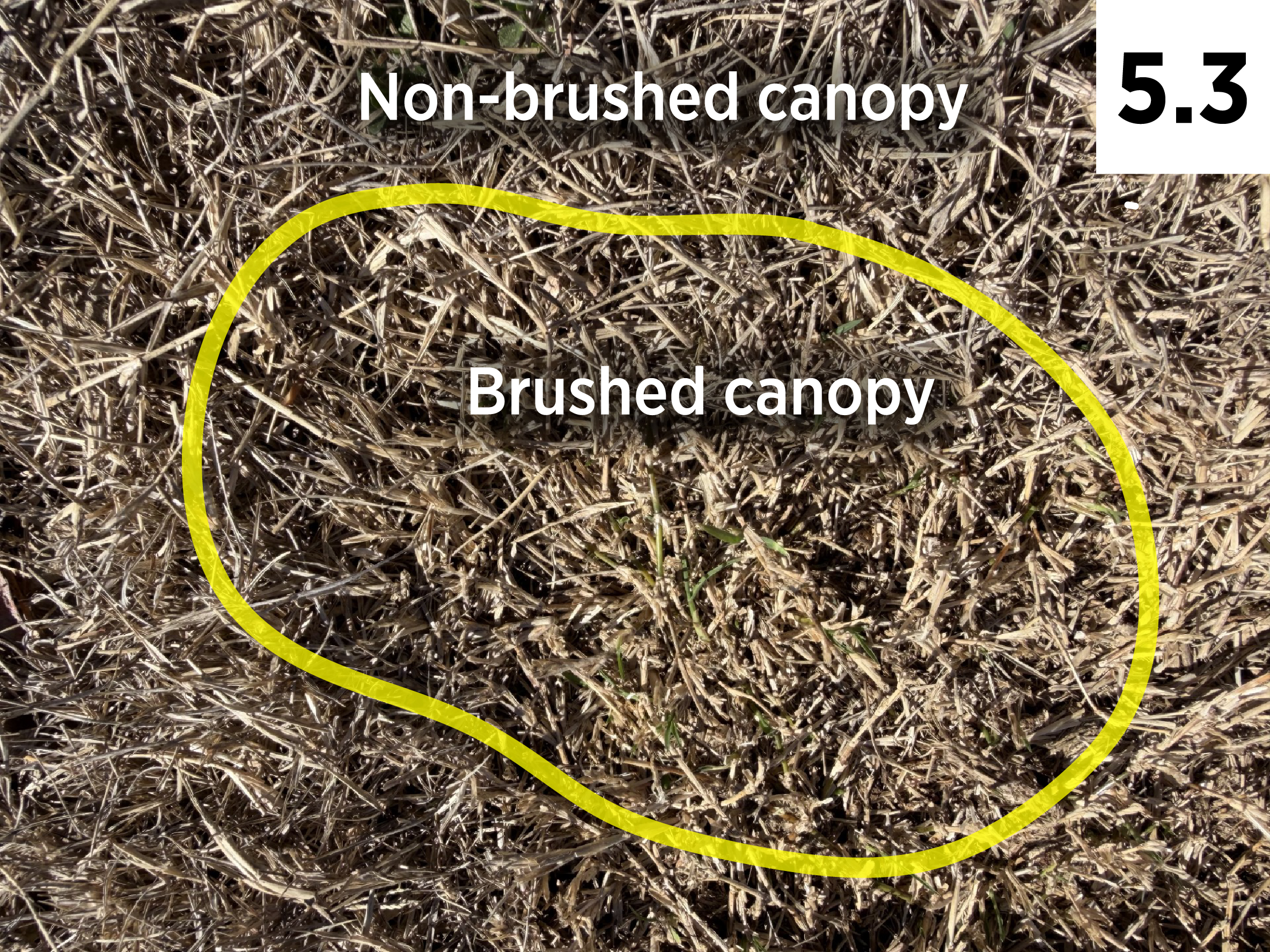 Figure 5.3. View from above an area of non-brushed and brushed (defoliated) bermudagrass canopy. Note the ease of viewing down into the defoliated canopy to search for living tissue.
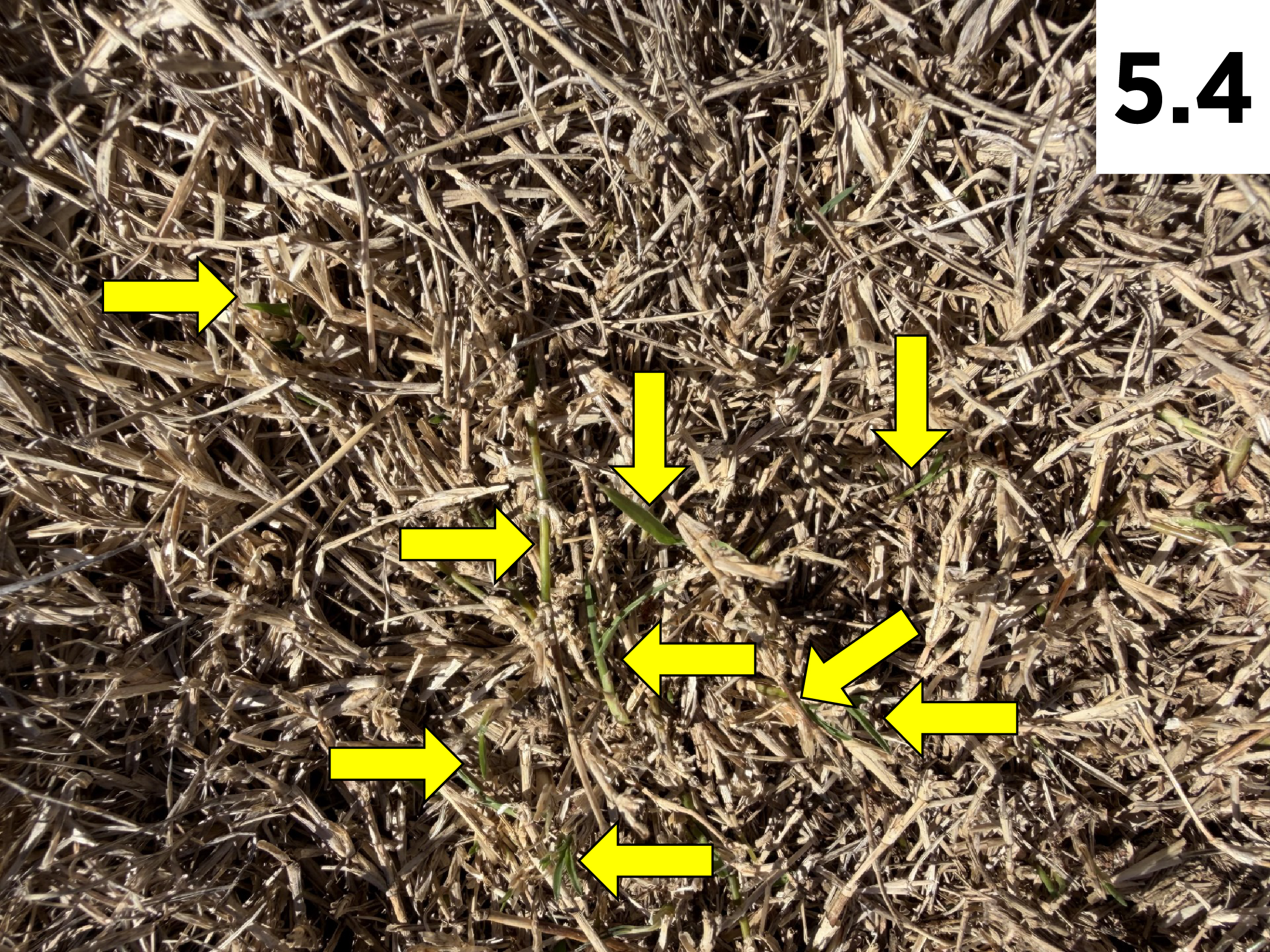
Figure 5.4. Yellow arrows in this close-up of a brushed canopy reveal many living stolons and new shoots that were hiding without brushing of the dead canopy. These shoots are evidence of aerial shoot survival, with several having just started growing.
3. Windowsill Method
The windowsill method is a simple yet effective way to evaluate regrowth potential, but it takes more time than previously discussed methods. During winter, before green-up, take a plug (at least 3 inches in diameter and 3 inches deep) (Fig. 6), and place it in a dish on a warm (70 F or above), sunny windowsill. Keep the soil moist and monitor for regrowth over the next three to four weeks. This method helps identify the origin of new shoots and assesses the overall health of the turf. Remember, the more severe the winterkill event, the longer it will take to assess recovery. Lateral buds on true rhizomes are often in very deep dormancy, and they take the longest time to break dormancy (several weeks) and initiate regrowth. Just like the canopy parting and canopy brushing techniques, this method is spot-specific, and if winterkill is highly variable across a large site, several to many samples must be taken to get an accurate assessment of damage.
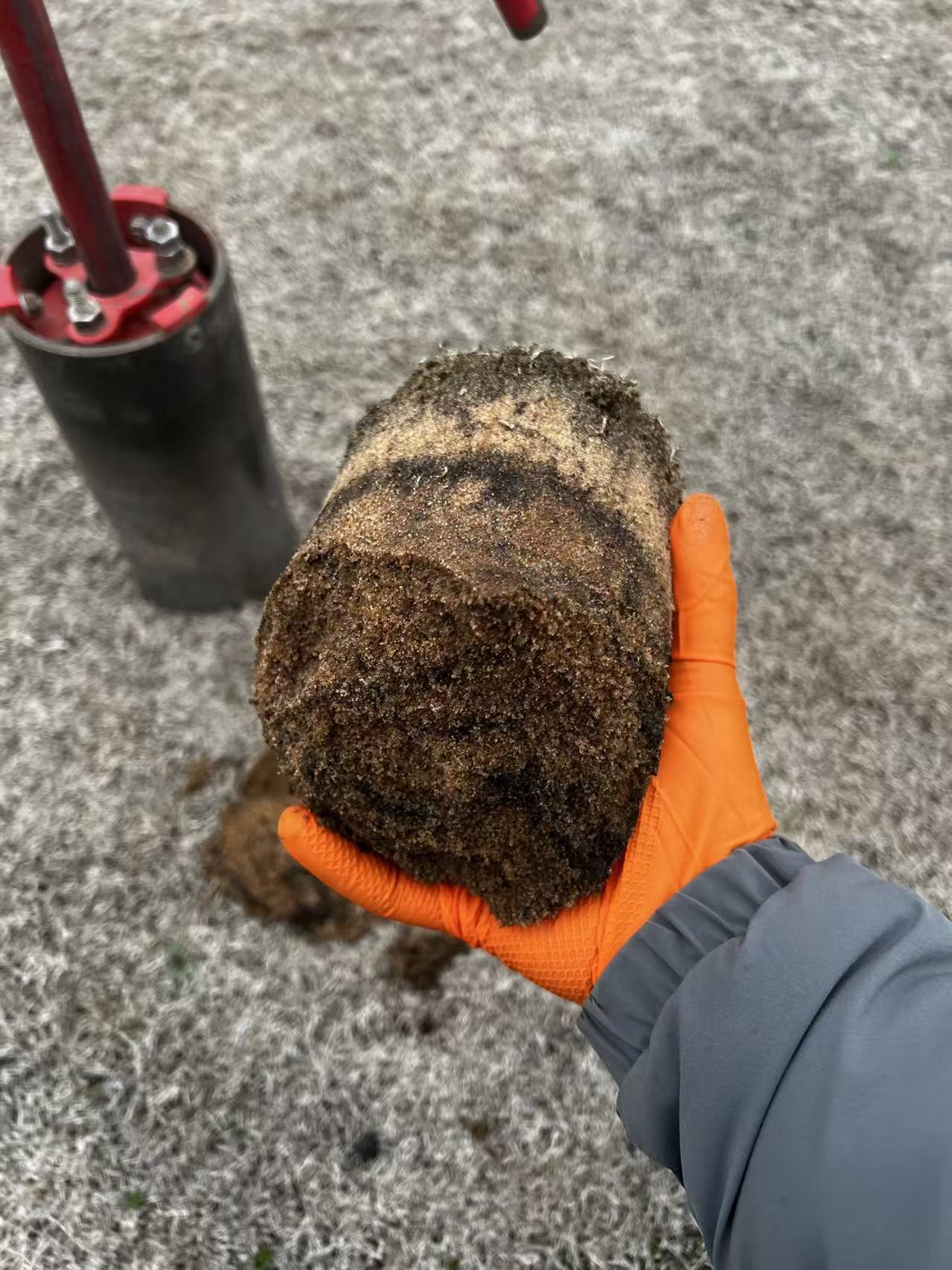 Figure 6. Plug size for the windowsill method. Trim plug depth to approximately 3 inches before placing it in a container on a windowsill where it will be kept warm, moist and exposed to intense sunlight (Photo credit: Binod Pokhrel).
Recovery and Renovation Planning
In general, for areas planned for renovation, pre-emergent herbicide applications should be avoided during the current calendar year if renovation will be done by seeding. Even applications made late in the prior year can, in some cases, provide sufficient residual to negatively impact early-season germination of inter-seeded bermudagrass. For areas to be renovated using sod, sprigs or plugs, most commercial preemergent herbicides, such as Barricade (prodiamine), Dimension (dithiopyr), Specticle (indazifam), Pendulum (pendimethalin) and Surfan (oryzalin) should be avoided due to their potential to inhibit root growth and development. The exception is Ronstar (oxadiazon), which may be used in non-residential areas, as it has not been reported to negatively affect root growth of vegetatively propagated material, and it is regularly used in sprigging and plugging establishment of bermudagrasses. The optimal timing for sprigging renovation is early summer. This provides sufficient time for establishment and, more importantly, allows adequate rhizome development, a key factor for successful overwintering during the first year. For additional guidance on turfgrass renovation and spring management practices, please refer to the OSU Extension publication HLA-6419 — Establishing a lawn in Oklahoma.
Mapping Winterkill for Future Preparedness
Mapping areas of winterkill is essential for future planning and prevention. Although winterkill can be discouraging, recording the location, extent and suspected causes of each event is essential for future prevention and cultivar selection. Tools such as GPS-stamped photos, Google Maps polygon annotation or field-scouting apps that allow geotagged damage documentation with date-stamped records can be used to document affected areas for future use. By creating a detailed map, turf managers can identify patterns of winter injury and develop targeted strategies to improve turf resilience in future growing seasons.
Conclusion
Winterkill can significantly impact bermudagrass and zoysiagrass, but early assessment and proactive management can mitigate its effects. By using techniques such as identifying healthy nodes, canopy brushing and the windowsill method, turf managers can make informed decisions about renovation and prevention. Mapping winterkill patterns across multiple years can inform cultivar replacement decisions. For additional guidance on turfgrass establishment and management, please refer to the OSU Extension publications HLA-6419 — Establishing a lawn in Oklahoma and HLA-6420 — Lawn management in Oklahoma. Turf managers are also encouraged to consult an OSU Extension turfgrass specialist when planning large-scale renovation or cultivar replacement decisions.