

Wheat Disease Update - May 4, 2026
Barley Yellow Dwarf and Wheat Streak Mosaic are Widespread and Severe in Multiple Oklahoma Wheat Production Regions
Barley yellow dwarf (BYD) remains severe in multiple locations in Oklahoma. Symptoms of BYD include stunting and yellow or purple discoloration on leaf tips (Figure 1). The discoloration increases over time, progressing from the leaf tip toward the base until much or all of the leaf is discolored. Barley yellow dwarf virus is transmitted by cereal aphids. When infection occurs in the fall, the virus has more time to disrupt plant growth, and yield losses are usually higher than when infection occurs in the spring. This season, BYD has been observed in Payne, Noble, Grant, Woods, Texas, Garfield, and Grady counties. The high incidence of BYD in 2026 could be attributed to warmer winter conditions, which favored aphid survival and virus transmission. In addition, freeze stress earlier in the spring may have contributed to more pronounced BYD symptom expression.
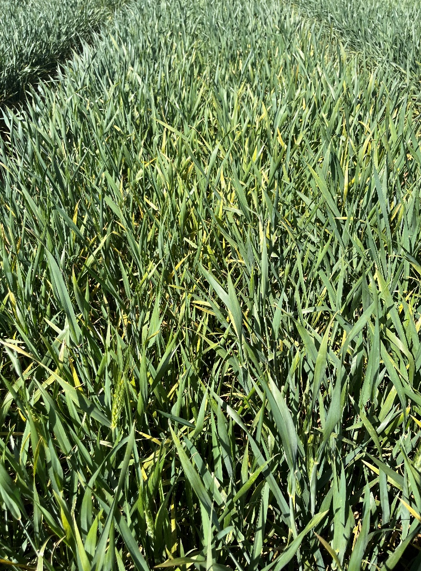
Figure 1. Barley yellow dwarf symptoms in Stillwater, OK (April 7, 2026).
Since early March, wheat streak mosaic (Figure 2) has been observed in Blaine, Garvin, Noble, Kay, Texas, Payne, Beaver, Kingfisher, Garfield and Grady counties. The WSM virus complex, includes wheat streak mosaic virus (WSMV), Triticum mosaic virus (TriMV) and the High Plains wheat mosaic virus (HPWMV), all of which are transmitted by the wheat curl mite. Samples submitted to the OSU Plant Disease and Insect Diagnostic Lab, indicated that WSMV was the most commonly detected virus. Compared with previous years, the frequency of TriMV has increased. Triticum mosaic virus was confirmed in samples from Garvin, Texas, Grant, Beaver and Kingfisher counties. In most cases, TriMV was detected alongside WSMV, although some samples were infected with TriMV alone. High Plains wheat mosaic virus was also detected, but at lower frequency and confirmed in samples from Kingfisher, Kay, Garvin and Blaine counties.
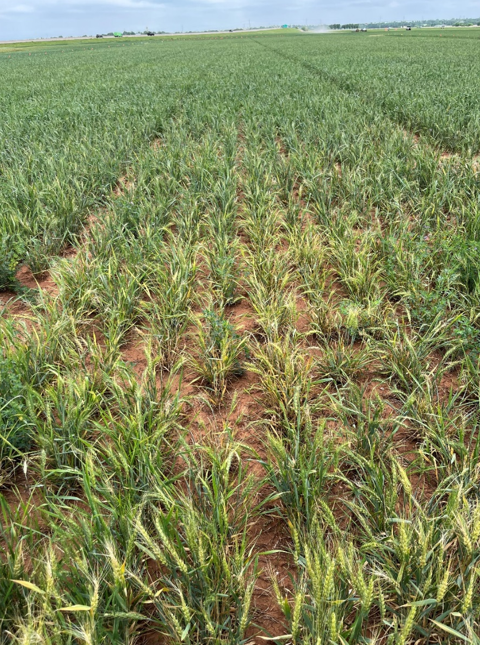 Figure 2. Wheat infected with wheat streak mosaic at Chickasha, OK (April 24, 2026).
Wheat plants exhibiting symptoms of both BYD and WSM (Figure 3) were observed in Garfield, Grady, Payne, Noble, Grant, and Texas counties. Co infection with multiple viruses can increase symptom severity and yield losses.
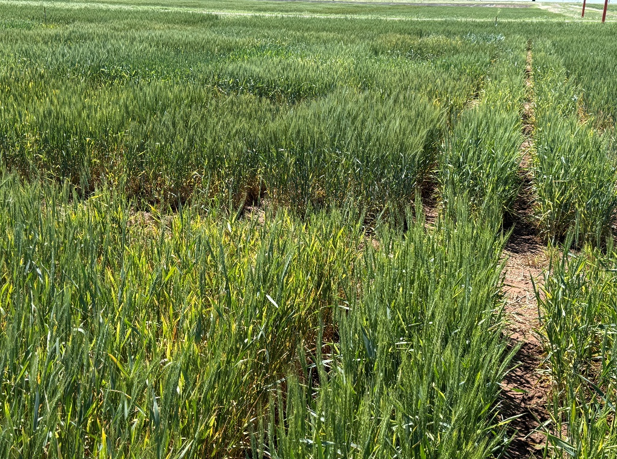 Figure 3. Wheat research plots showing symptoms of barley yellow dwarf and wheat streak mosaic at Lahoma, OK (April 18, 2026; Photo by Dr. Brett Carver).
High Leaf Rust Incidence and Severity
Leaf rust incidence and severity increased rapidly during the last two weeks of April and into early May. Leaf rust has been observed in nearly every field visited across Oklahoma, including drought stressed fields in southwest Oklahoma. On April 20, low levels of leaf rust were detected in the variety trial at Walters (Cotton County in southwest OK). Higher incidence and severity have been observed in other locations in Central and North Central Oklahoma. On April 24, moderate levels of leaf rust were observed at Chickasha (Grady County). Higher incidence and severity developed during late April and early May at Stillwater (Payne County) and Lahoma (Garfield County), where severity reached up to 100% on susceptible varieties. As leaf rust increased, much of the wheat crop had already passed the flowering stage, limiting opportunities for fungicide application. At this stage, the primary line of defense is the use of resistant varieties. Because infection occurred relatively late in crop development, yield losses associated with leaf rust will be lower than those that could have occurred if infection had occurred earlier.
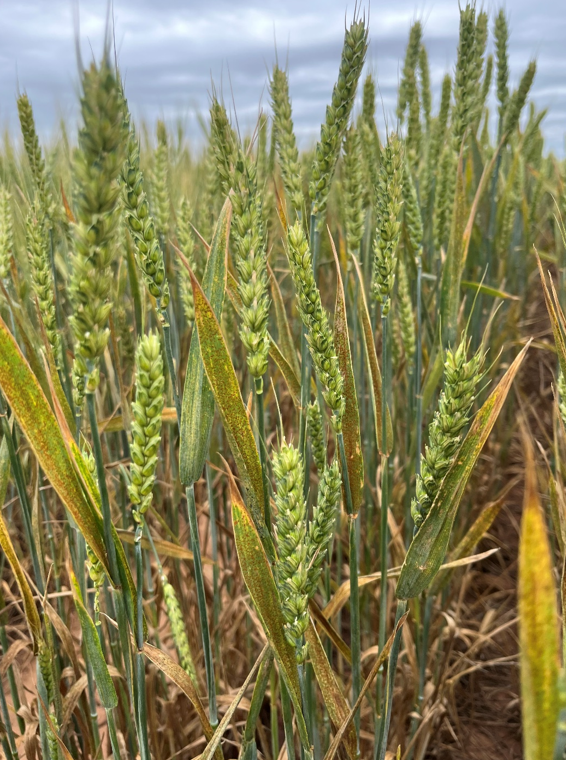 Figure 4. Leaf rust on a susceptible variety at Lahoma, Oklahoma (April 26, 2026).