

Prepare Now for Pecan Weevil Monitoring and Management
With most of the early season insect problems behind us it is time to pay more attention to pecan weevil season.
The pecan weevil (Curculio caryae) is the most destructive insect pest for Oklahoma pecan growers (Fig. 1). Now, is the time to prepare for the upcoming emergence of weevils that can infest this season’s crop. Damage from pecan weevil can vary from year to year and orchard to orchard. In fact, susceptibility to this pest can vary from tree to tree in a single, home yard situation. Reports of 75% crop loss due to pecan weevil injury are not uncommon. In addition to the injury on the crop itself, buyers and processors who purchase affected pecans must clean or dispose of the product. In the native pecan growing range, this pest has evolved with the host and is common throughout much of the production areas.
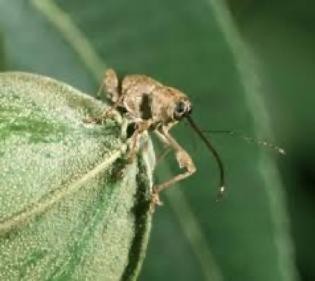
Figure 1. Adult Pecan Weevil Female. Oklahoma State University.
Life Cycle
The typical life cycle of the pecan weevil requires 2 to 3 years, with the majority of weevils emerging two years after burrowing into the soil.
Once a weevil larva enters the soil, it has likely matured through four instars. The final instar (fourth) may feed for a short while (about 1‐ 2 weeks) and then generally spends one to two years in the soil without feeding.
Larvae will burrow into the soil at various depths depending on soil type, moisture and condition of the orchard floor. Most larvae are likely 6‐9 inches deep in the soil profile. Ninety percent of the larvae that entered the soil on “year 1” will pupate in “year 2 and emerge”, the remainder of the population will not pupate until “year 3” (Fig. 2).
Damage
After emergence from the soil adult weevils live for about 2 to 3 weeks, with females surviving longer than males. Female weevils can survive much longer if nuts are not acceptable for oviposition (egg‐laying). If nuts are not ready for oviposition by female weevils, adults may cause feeding damage on nuts by probing to check for pecan development. This damage may consist of feeding punctures, prior to shell hardening, which will cause premature drop of the pecan.
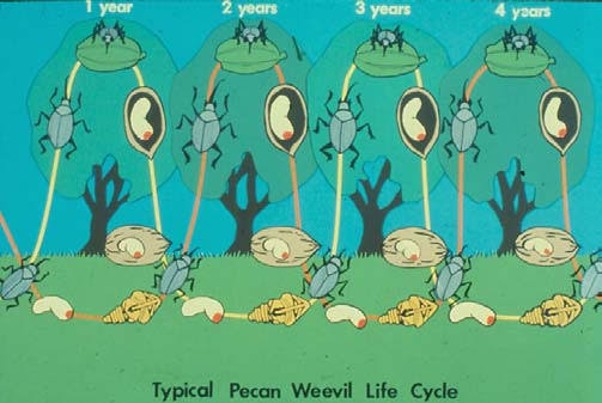 Figure 2. Typical Pecan Weevil Life Cycle. Kansas State University.
Feeding by pecan weevil after shell hardening may cause the deterioration of the gel and newly forming kernel (Fig. 3). If the weevil penetrates only the shuck, then damage may be limited to slight scars, black spots, pits or molds on the kernel near the puncture site.
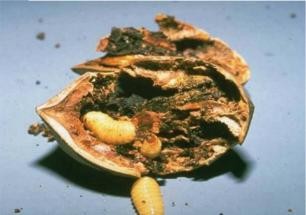 Figure 3. Pecan Weevil Damage. Oklahoma State University.
Oviposition by female pecan weevils can occur as early as 2 days after emergence; however, the majority of egg production and subsequent oviposition occurs 10‐12 days after emergence.
Pecan weevil larval feeding lasts for ~ 42 days, going through four instars before existing the nut and heading underground.
***The period from emergence to oviposition allows for a small window of opportunity for optimum control of this pest.
Regardless of how soon oviposition begins, it is initiated on early maturing varieties sooner than on trees that have late maturing nuts. Each female can average around 35‐75 eggs deposited during her life. Pecan weevil females will average about four eggs per nut. With a healthy weevil population, this can account for a great amount of damage.
Monitoring
Much of the damage experienced by pecan weevil can be avoided with timely use of insecticides. Making the decision on when to treat; however, can be a dilemma for many growers. Based on IPM principles, that decision should be made with some sort of trapping program established in the orchard.
For trapping we suggest the Pecan Weevil Circle trap. Although growers have become familiar with these traps over the years, many questions remain on how to best utilize the traps. Several studies conducted in Oklahoma over the years have helped provide some answers to many of these questions. Following are several suggestions on the utility of the Circle trap (Fig. 4).
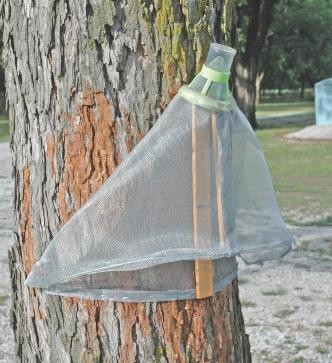
Figure 4. Pecan Circle Trap. Pecan South
- In commercial situations use as many traps as you can afford, to represent the land area, soil types, pecan varieties, and topography in your area.
- Where possible, target indicator trees – Those with a history of weevil problems, those that are earlier than most, or those located in sandy soils.
- Place two traps on each target tree. Set them at a height suitable for your operation.
If cattle are going to be grazing the orchard floor, then put the traps sufficiently high on the trunk to avoid their natural curiosity. Just remember that someone needs to check them regularly, therefore, they should be reachable for the person doing the checking.
Where cattle are present, a small step ladder or truck pickup bed will help. Soon after placement on the trees, cattle lose their curiosity with these traps. - When attempting to encircle the tree trunk, place additional wire screening wherever the traps don’t match up and curl the top lip of the screening over to funnel the weevils up into the trap tops.
- Mow grass under the trees to avoid providing weevils with a spot to take off (fly) into the canopy.
- Begin trapping by July 15, if possible, but don’t be overly concerned if the nuts are still in the water stage. While some early nut drop can occur from weevil probing, it is usually not significant. Depending on crop development, some producers may make their first applications prior to dough stage to protect the crop, however, female weevil will not start to lay eggs until nuts are in the later stages of gel through dough (usually mid to late August).
- Do not cease trapping too early (before mid‐October).
Be diligent in this task from July to October but really focus immediately following any 1-2 rainfall. If conditions are hot and dry, as they often are in July and August, weevil emergence may be delayed but can still be significant and cause damage up until shuck‐split. In Oklahoma, under normal conditions, populations generally peak about the third week of September.
Also, keep in mind that warm weather patterns can speed crop development so crop monitoring through this period is key.
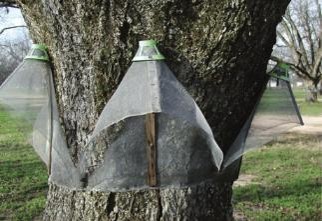 Figure 5. Homeowner trapping. Oklahoma State University.
For homeowners that may have one or a few trees, it may be possible to “trap‐out” the majority of their weevil population by encircling the trees with traps and following the same suggestions (Fig. 5).
This may reduce the number of insecticide applications needed in this sensitive environment and yet preserve pecans for harvesting. In localized “hot pockets,” where weevils have relied on a few trees in the area, thorough monitoring and treatment over a two-to-three-year period could dramatically reduce or even eliminate the pecan weevil for several years.
Products available for homeowner insect control are packaged differently and have less concentrated formulations than those for commercial use. These products can be found at local box stores and retail shops for homeowner use.
More information on commercially available products for pecan weevil and other pecan insects can be found in CR- 6209, Commercial Pecan Insect and Disease Control.
More updates to come as the season progresses.