

Monitoring for Pecan Weevil During Drought
Drought conditions can make pecan weevil control more difficult because dry soil may delay adult weevil emergence. In addition, hot dry conditions can alter pecan nut development causing dough stage to occur sooner than expected.
In Oklahoma, the pecan dough stage generally occurs in mid-to-late August when the soft gel inside the developing kernel solidifies into a soft, dough-like texture (Fig. 1). At this point, liquid inside the nut is gone, and the kernel begins accumulating the oils and solids that create its final flavor before hardening into maturity. Unfortunately, this is a prime time for pecan weevil to attack and damage nuts (Fig. 2).
| Image | Caption |
|---|---|
Water-Gel-Dough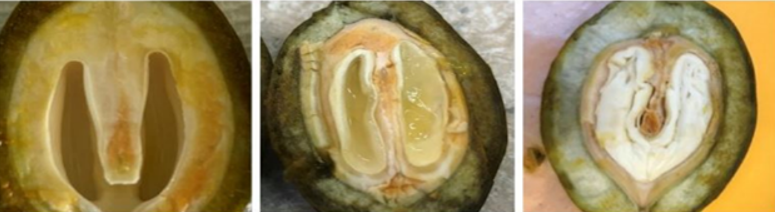 | Figure 1. Late season pecan nut developmental stages. |
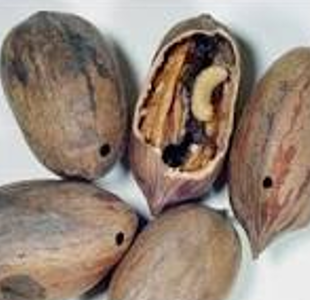 | Figure 2. Pecan Weevil damage. NC Cooperative Extension. |
Hot and dry conditions may have shortened pecan nut development this season for many growers. Since development is occurring earlier than normal, cover sprays for pecan weevil may be in order. In fact, some have already been applied, including at the Cimarron Valley Research Station (CVRS) Perkins, OK (Payne County). Weevil emergence and trap captures have been minimal, but dough stage in early varieties and sandier soil with irrigation, has prompted to the need for early applications.
Pecan weevil emergence commonly increases several days after a significant rainfall or irrigation event (1-2 inches), but drought can shift emergence later into the season. Just because the dough developmental stage for the crop has been reached, it doesn’t necessarily mean a need for insecticide application. Therefore, growers should not rely solely on a calendar date for insecticide applications.
Recent rainfall in some areas may have triggered a flush of emergence, while other areas may still be in drought and emergence may be delayed. This can create a dilemma for pecan growers. When to spray or how long do I monitor traps are common questions.
Activity of pecan weevil typically occurs from late August peaking in mid-September. Female weevils are not known for oviposition after shuck split (Fig. 3). However, based on current conditions in many areas, water stressed trees could cause shucks to remain closed later than normal (Fig. 4), especially in later maturing varieties.
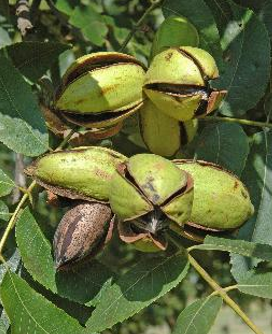 Figure 3. Late season Shuck Split. Northern Pecans.
The most important consideration for weevil control is monitoring both weevil activity and nut development.
Pecan Circle traps should be placed on susceptible or historically infested trees and checked frequently, ideally by late July.
The first insecticide application should generally coincide with the nuts reaching the dough stage, when female weevils are capable of laying eggs. Once eggs and larvae are inside the nut, insecticides are no longer effective against them. However, as stated above, nut development (dough stage) and pecan weevil emergence doesn’t always occur simultaneously.
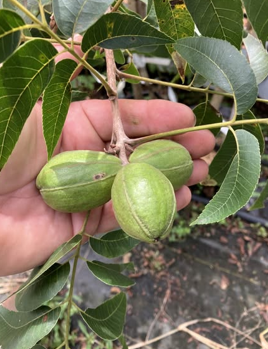 Figure 4. Delayed Shuck Split due to drought. Backyard Growers.
During a drought, growers should continue trapping/monitoring later than normal because emergence may be delayed until rainfall or irrigation increases soil moisture. With delayed shuck split, early October rains have surprised growers in the past, thinking weevil season was over, only to be surprised with damage at harvest.
Adequate irrigation is important for crop quality during kernel fill. However, irrigation can also stimulate delayed weevil emergence, so trapping should continue after watering or rainfall events.
Subsequent sprays should be based on continued trap captures and the insecticide label rather than automatically spraying on a fixed schedule. Based on previous management history 2-4 sprays may be needed per season.
Closing Thoughts
During drought, the best strategy is to place circle traps out early, monitor traps closely especially during peak periods of expected activity, inspect kernel development, and time sprays to actual weevil emergence. Avoid unnecessary applications when traps show little activity but remain prepared for a rapid increase in weevils following rainfall or irrigation.
Always follow the current insecticide label recommendations for rates, timing, and pre-harvest intervals.
More information on commercially available products for pecan weevil and other pecan insects can be found in CR- 6209, Commercial Pecan Insect and Disease Control.