

Keep an Eye Out for Blister Beetles in Alfalfa
While harvesting alfalfa variety plots at the Cimarron Valley Research Station (CVRS) in Perkins, OK (Payne County) last week I noticed several healthy swarms of striped blister beetles (Fig. 1).
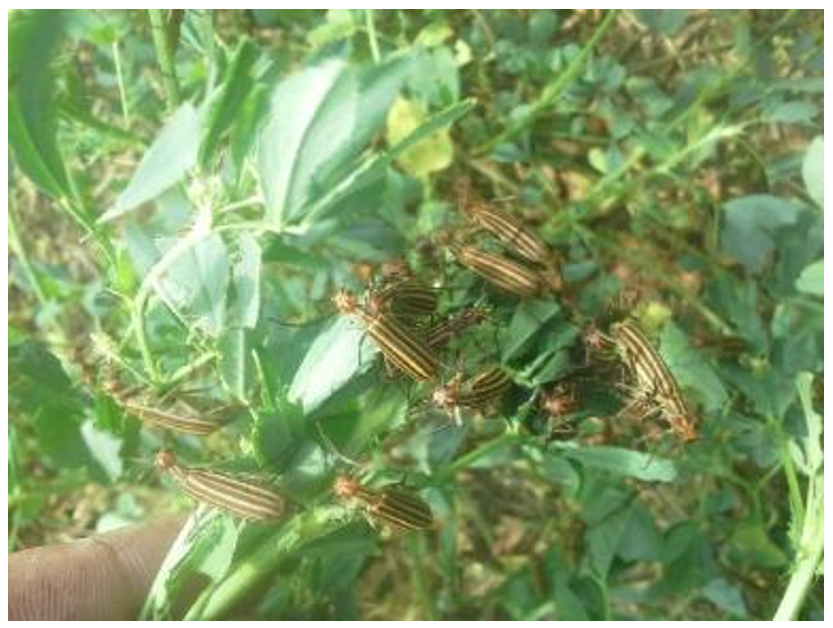
Figure 1. Striped Blister Beetle Swarm. Oklahoma State University.
As alfalfa producers gear up for their summer cuttings, they should be prepared for potential blister beetle activity. Emergence of adult blister beetles typically occurs after the first cutting of alfalfa is completed in early May.
Striped blister beetles, Epicauta occidentalis have not been collected by OSU entomologists before May 14 in Oklahoma, and in many years, it is mid-June or later before they become active. Prompted by a mild winter and earlier overall insect activity this season, it was early June when I saw their first occurrence. This activity can last until early fall.
The main concern for alfalfa growers is Cantharidin. Cantharidin is the blister beetle’s natural defense mechanism and is highly toxic when ingested by livestock, especially horses, and may cause illness and even death in these animals. According to some reports, ingestion of as few as twenty-three beetles can cause illness, and consumption of 50-100 can cause death. Irrespective of an exact figure, it is a very stable compound that retains its toxicity to livestock even when dried remains of beetles have been killed in the harvesting process and are fed along with forage.
Blister beetle adults emerge from the soil in late spring or early summer, and large numbers normally will congregate in small areas of fields, usually within fifty yards of field margins.
There are many blister beetle species, but several are commonly found in Oklahoma (Fig. 2).
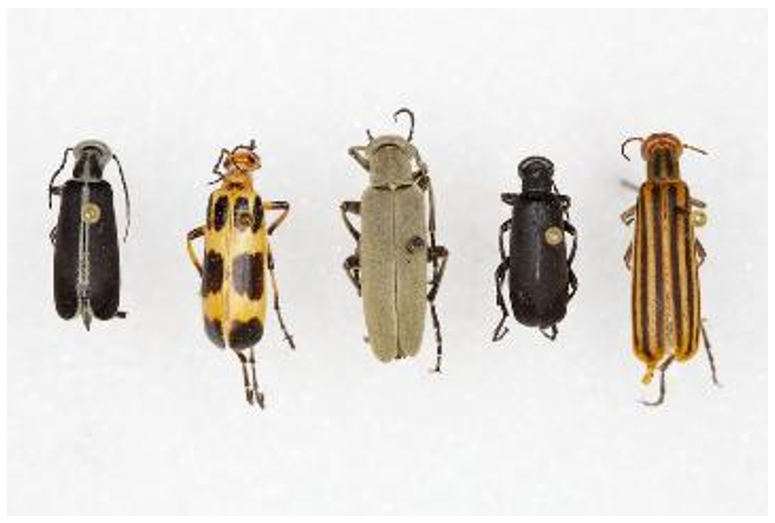
Figure 2. Common blister beetles found in Oklahoma.
Additional species like (Epicauta conferta) (Fig. 3) found last season in (Payne County) lespedeza and the Brown Blister Beetle (Epicauta immaculauta) (Fig. 4) were also observed in the Perkins alfalfa plots last week.
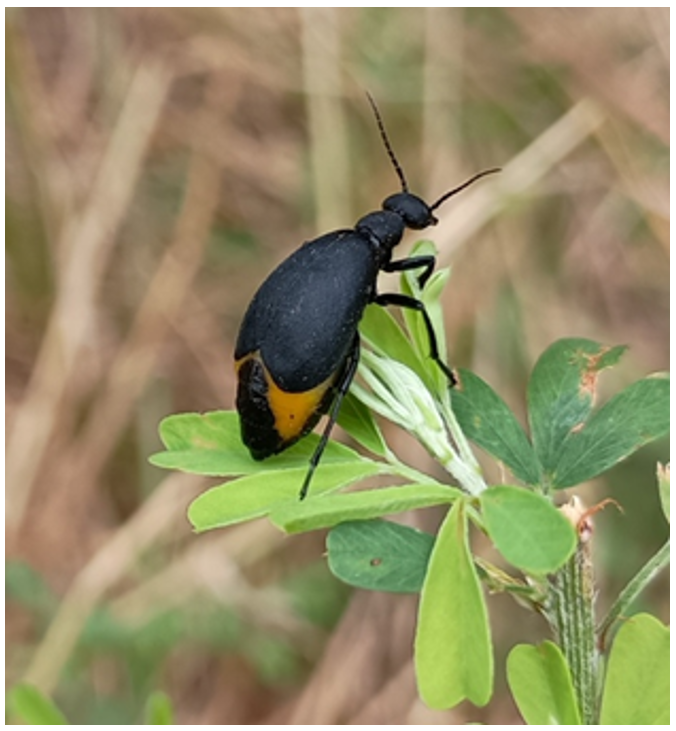
Figure 3. Epicauta conferta. J. Cammack
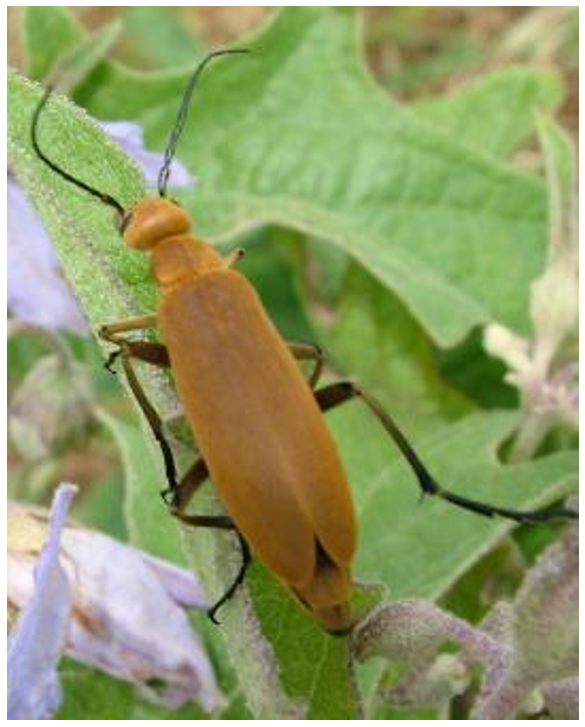
Figure 4. Brown Blister Beetle. Bug Guide
However, the predominant species (75%) found in Oklahoma is the striped blister beetle (Fig. 5). It has the highest concentration of Cantharidin (10x) compared to all other species. Because of its aggregating nature, beetles can be easily killed during the alfalfa harvest operation and can be concentrated in only a few hay bales or small portions of bales.
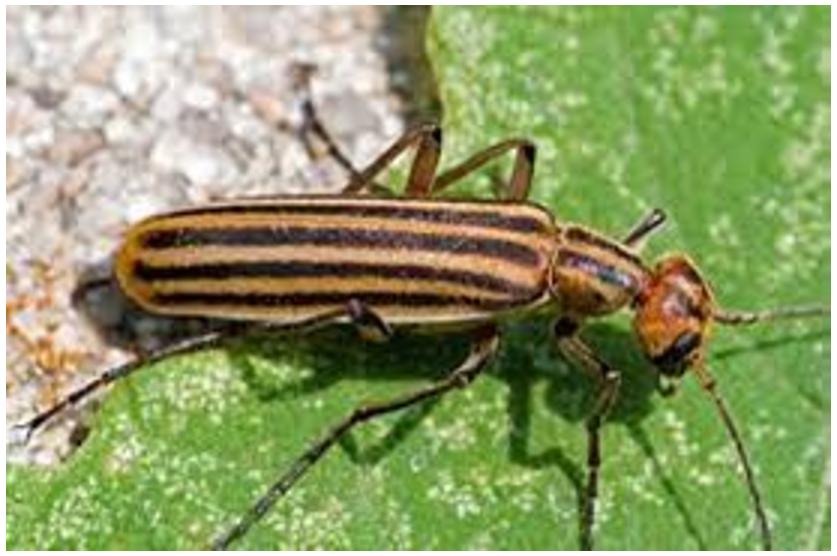
Figure 5. Stiped Blister Beetle. Oklahoma State University.
When infesting alfalfa, blister beetles prefer to feed on blossoms but will feed on leaves if blossoms are not present. Pigweed, goldenrod, goat head, puncturevine, peanuts, soybeans and many other plants also serve as hosts for these beetles.
Swarms of beetles can be crushed by crimper rollers of the swather and are trapped in windrowed hay. If beetles remain alive in the windrows, most of them will crawl out. They also can be trapped and killed in hay if windrows are driven on before beetles have had time to escape.
Therefore, two of the best ways to avoid blister beetle problems in hay from an infested field are swathing without the crimpers and avoiding wheel traffic on freshly cut windows. After swathing, beetles will crawl away on their own to find a new food source.
Other measures alfalfa producers can take to avoid blister beetles in the hay are:
- Maintain weed control within and outside the field.
- Spraying fence rows and field borders can help prevent migration into fields.
- Harvest before bloom, if possible.
- Monitor fields extensively for blister beetle activity before harvest. Swarms can move to other locations within the field in a short amount of time.
- Match cuttings and markets (early May and late September cuttings are before and after the major blister beetle season and are the best cuttings to target for horse buyers).
If blister beetles are found or even suspected, do NOT feed the alfalfa to horses or any other livestock. Simply removing the beetles will not eliminate the toxic contamination by cantharidin.
Awareness and proactive management among hay producers and livestock owners is crucial for management of this pest.
Additional information on Blister Beetles can be found in EPP- 2072, Blister Beetles in Alfalfa.