

Fall Armyworms in Pasture Being Reported Earlier Than Normal
Cattle and hay producers across the southeastern to south-central part of the state are being urged to stay vigilant as early signs of fall armyworm activity begin to surface. Mike Trammell, SE Area Agronomy Specialist for Oklahoma State University, has been getting reports of recent activity in the Bryan County area suggesting the pest populations may be increasing sooner than usual. Damaging populations usually don’t occur until later in the summer (late August – early September).
High Heat and Delayed Harvest Fuel Conditions
Fall armyworms (FAW) (Fig. 1) tend to occur at some level every year, but this season, mild winter temperatures may have contributed to earlier development and subsequent flight resulting in population buildup sooner than expected. In addition, a combination of drought conditions followed by rainfall in some areas has made matters worse.
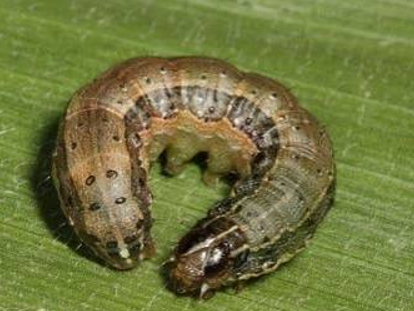 Figure 1. Fall Armyworm. Photo: OSU.
Drought conditions tend to suppress the natural enemies of the fall armyworm, allowing infestations to take hold more easily. Meanwhile, rains in certain parts of the state have increased plant growth, leaving plenty of forage in the field and pastures—ideal food sources for hungry larvae.
Fall armyworms are surface dwelling "climbing cutworm" caterpillars, so named because they tend to occur in noticeable numbers in late summer and fall, and they often “march” in large numbers from food source to food source.
Life Cycle
The FAW does not overwinter in Oklahoma. It reinfests the state each year by moths that migrate northward from the Gulf Coast, Texas, or Mexico. Migrating populations usually reach Oklahoma by late June. Each female lays about 1,000 eggs in masses of fifty to several hundred. Larvae are present by early July. After feeding for two to three weeks, larvae dig into the soil to pupate. A new generation of moths emerges about two weeks later. There are several overlapping generations in Oklahoma extending into October or even November in some years.
Damage
Fall armyworms and their feeding activity often go unnoticed until they become 1 inch or more in length. By then, they are large enough to destroy a grass pasture or a lawn overnight. They seem to prefer tall fescue, but they will also feed on bermudagrass and other turf, as well as many crops. They do not overwinter in Oklahoma, but we will not be rid of them until we experience a true “killing frost”.
Mature fall armyworms measure 1½ inches long when fully grown. Their body color can range from green to brown to black.
When looking for FAW, pay particular attention to their head capsule and the presence of a prominent inverted white "y" on the head capsule (Fig. 2). A hand-held magnifying glass may be needed to see that feature on smaller larvae.
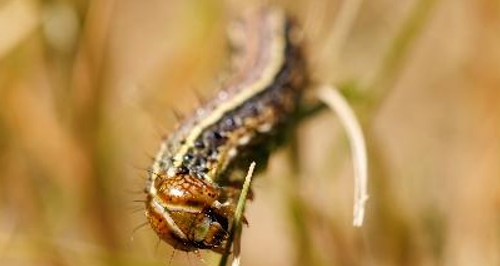 Figure 2. Fall Armyworm with predominate “inverted Y”. Photo: OSU.
Small larvae do not eat through the leaf tissue, but instead, scrape off all the green tissue and leave a clear membrane that gives the leaf a "windowpane" appearance (Fig. 3). Once they reach the fourth instar, they can chew through the entire leaf. When scouting, look for both types of chewing damage (Fig. 4).
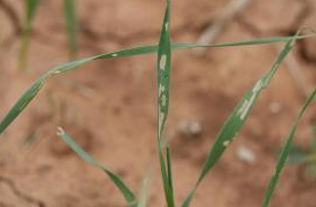 Figure 3. Windowpane feeding from FAW. Photo: OSU. Below, pasture defoliation. Purdue Ext.
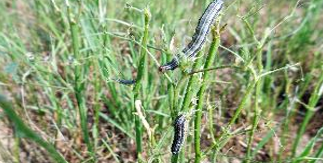 Figure 4. Continued Windowpane feeding from FAW. Photo: OSU. Below, pasture defoliation. Purdue Ext.
Grass Pastures
For those wanting to put up grass hay, scout your fields by looking for caterpillars and “window paned” or chewed leaves. Get a wire coat hanger, bend it into a hoop, place it on the ground, and count all sizes of caterpillars in the hoop. Take samples in several locations, along the field margin as well as in the interior. The hoop covers about 2/3 of a square foot (Fig. 5).
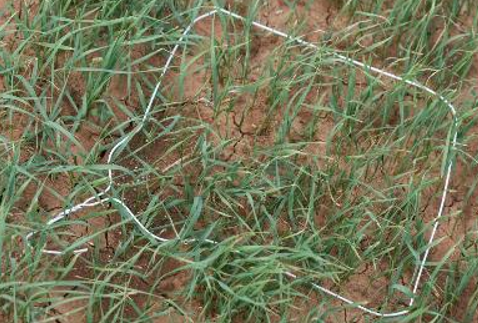 Figure 5. Wire coat hanger for FAW.
Keep in mind 90% of damage occurs within the last two instars of development. This can happen within a couple of days. So scouting is key to getting ahead of this persistent pest.
Treatment threshold is an average of two or three ½ inch-long larvae per hoop sample (3-4 per square foot). They are easier to control with an insecticide when they are small (less than ½ inches).
For control guidelines and specific insecticide information, consult OSU Fact Sheet CR-7193 Management of Insect Pests in Rangeland and Pasture.
Stay Alert, Stay Ahead
With early indications of fall armyworm pressure mounting in the south, taking proactive steps now can help minimize damage and protect pasture and forage crops. Keeping an eye on field conditions, acting quickly on harvesting opportunities, and using the right chemical tools when needed will be key to managing this pest in the weeks ahead.