

Drought Conditions may Invite Early Stink Bug and Leaf-footed Bug Activity in Pecans
I am starting to receive calls related to stink bug activity in pecans (Fig. 1) While in most years occurring later in the season in relation to traditional harvest time (late October), stink bug and leaf-footed bug activity can occur throughout the summer months into early fall, especially when drought conditions are eliminating outside food sources. This season, hot and dry environmental conditions may have shortened pecan nut development for many varieties. Producers in the central part of the state are reporting shuck split (Fig. 2) happening now in varieties like Pawnee, with harvest anticipated soon.
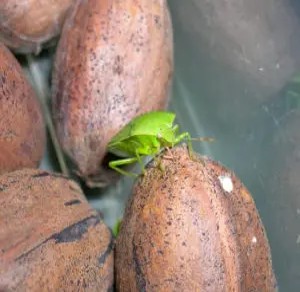
Figure 1. Green Stink bug. Pecan South.
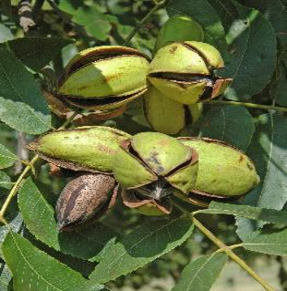 Figure 2. Pecan Shuck Split. Northern Pecan.
Traditionally, pecan weevil emergence would have occurred and sprays for control started by late August. Drought has limited their emergence in most areas of the state with many pecan growers not making their yearly cover sprays for pecan weevil control. In most scenarios, 2-4 sprays are needed for control through mid-September. These applications can also help with early migration and control of stink bugs that may be coming into the orchards during this time frame.
During periods of drought, stink bug activity in pecan orchards can intensify as these highly mobile pests search for reliable sources of moisture and food. Because true stink bugs do not reproduce on pecan trees, their presence is entirely driven by how attractive the orchard looks compared to the drying landscape around it.
Drought influences stink bug behavior, the damage they cause, and management strategies in several distinct ways (Table 1.)
| Factor | Normal Weather Conditions | Severe Drought Conditions |
|---|---|---|
| Orchard Migration | Gradual; usually occurs late in the season after row crop harvests. | Accelerated and heavy; driven early by dying weeds, field crops, and wild hosts. |
| Primary Attraction | Seeking late-season nutrients. | Seeking moisture and active sap flow. Irrigated pecans are an attractive host. |
| Pecan Weevil Timing | Predictable emergence in August; sprays catch both pests. | Delayed weevil emergence; leaves an unprotected window for stink bugs. |
| Secondary Pest Risk | Pyrethroid sprays can trigger mild aphid flares. | High heat and drought can escalate aphid and mite outbreaks after spraying. |
Damage
Damage this time of year is caused by Kernel spot (Fig. 3). This damage occurs after shell hardening. Kernel spot is characterized by dark brown to black circular spots on the surface of the kernel. The area underneath the spots is whitish and is pithy and porous in appearance. The area where the spots occur are bitter tasting; however, the unaffected areas of the kernel taste normal. Damage starts to take place immediately after feeding, with dark spots noticeable within a few days.
Kernel Spot cannot be detected until after the nut has been cracked and shelled. This can result in significant price reductions by buyers.
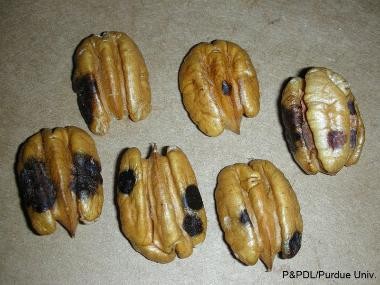
Figure 3. Kernel Spot in Pecan. Purdue University.
Management Adjustments for Scouting During Drought
Do not rely on historical dates.
Monitor sudden influxes as surrounding fields dry out.
Since stink bugs and leaf-footed bugs tend to move in from outside areas monitor the first few rows of outer trees. If caught early, border treatments can help with control without having to spray the entire orchard.
Because damage can happen right up until harvest, monitoring late-season populations from September through shuck split is critical
While there is no active threshold, consider treating with a high efficacy pyrethroid (like bifenthrin or lambda cyhalothrin) if you are seeing insect activity while checking 10 terminals on 10 trees across the orchard and finding one bug/40 terminals.
*Another option, if time allows, laying a knockdown sheet or white drop cloth covering 20 % of the area under the tree, applying a knockdown treatment or shaking limbs above the cloth. If you find five or more stink bugs that have fallen out of the tree, treatment is warranted for the orchard.
Watch for Aphid Flare-ups
Because hot, dry weather naturally accelerates aphid populations, using a broad-spectrum pyrethroid for stink bugs during a drought can trigger an aphid flare. Be prepared to tank-mix or follow up with an aphicide.
The reason behind this is to keep the leaves on the trees as long as possible. leaves provide energy and nutrients to the tree through photosynthesis to help finish this year’s crop and provide energy reserves for next spring’s return bloom.
If a cover spray is needed and harvest is approaching, pay close attention to label restrictions.
- Watch pre-harvest interval (PHI)
- PHI’s for the various pyrethroid compounds can range from 7-14 days or more. In addition, some aphicides can stretch to 30 days or more.
- More information on stink bug and leaf-footed bug control as well as tank mix option for aphicides can be found in CR-6209, Commercial Pecan Insect and Disease Control.