

Cold Temperature Injury on Landscape Plants
This week, we have had many calls and photos submitted of plants with unusual brown or black discoloration affecting the new growth. The entire tree may show damage at the branch tips, or it may be on more exposed sections of the plant. Affected plants have included saucer magnolia, edible pears, roses and maples. It’s also been reported that spring blooming plants such as lilacs and redbuds are less colorful than normal.
Since this is a widespread problem affecting unrelated types of trees, this suggests one or more abiotic (environmental) causes. Although drought and heat could be involved, most of the damage is the result of cold temperatures. Table 1 shows the daily high and low temperatures for the Stillwater Mesonet site during the month of March 2026, and 5 daily low temperatures were below freezing. Visit the Station Monthly Summaries to see the data for the Mesonet site closest to your location.
| Day | Air Temperature (0F) Max | Air Temperature (0F) Min. | Air Temperature (0F) Avg. | Air Temperature (0F) Dewpoint |
|---|---|---|---|---|
| 1 | 64 | 41 | 52.2 | 35.4 |
| 2 | 52 | 38 | 43.9 | 39.6 |
| 3 | 80 | 42 | 57.8 | 50.0 |
| 4 | 52 | 47 | 49.7 | 48.1 |
| 5 | 70 | 50 | 59.0 | 56.4 |
| 6 | 76 | 65 | 69.4 | 61.9 |
| 7 | 66 | 34 | 44.1 | 35.7 |
| 8 | 76 | 29 | 53.7 | 33.5 |
| 9 | 88 | 60 | 72.6 | 53.5 |
| 10 | 84 | 68 | 74.5 | 62.5 |
| 11 | 68 | 32 | 53.0 | 39.6 |
| 12 | 65 | 27 | 47.6 | 22.7 |
| 13 | 73 | 38 | 57.4 | 34.0 |
| 14 | 79 | 38 | 60.9 | 46.2 |
| 15 | 70 | 31 | 51.7 | 33.8 |
| 16 | 40 | 20 | 29.7 | 6.6 |
| 17 | 69 | 28 | 48.8 | 16.7 |
| 18 | 81 | 46 | 62.7 | 28.7 |
| 19 | 89 | 44 | 66.1 | 41.6 |
Table 1. Daily high and low air temperatures recorded at the Stillwater, OK Mesonet site from March 1-19, 2026.
The unseasonably warm temperatures have caused many plants to produce new growth earlier than normal. When the daily low temperature is near or below freezing, it will cause injury to plant tissues that are not adapted to these temperatures. Figures 1 and 2 show wilted brown leaves on shoot tips of saucer magnolia (Magnolia x soulageana) trees near the Horticulture Education Building at The Botanic Garden at Oklahoma State University in Stillwater. The blooms have been severely impacted by the cold temperatures and have either dropped to the ground or are discolored.
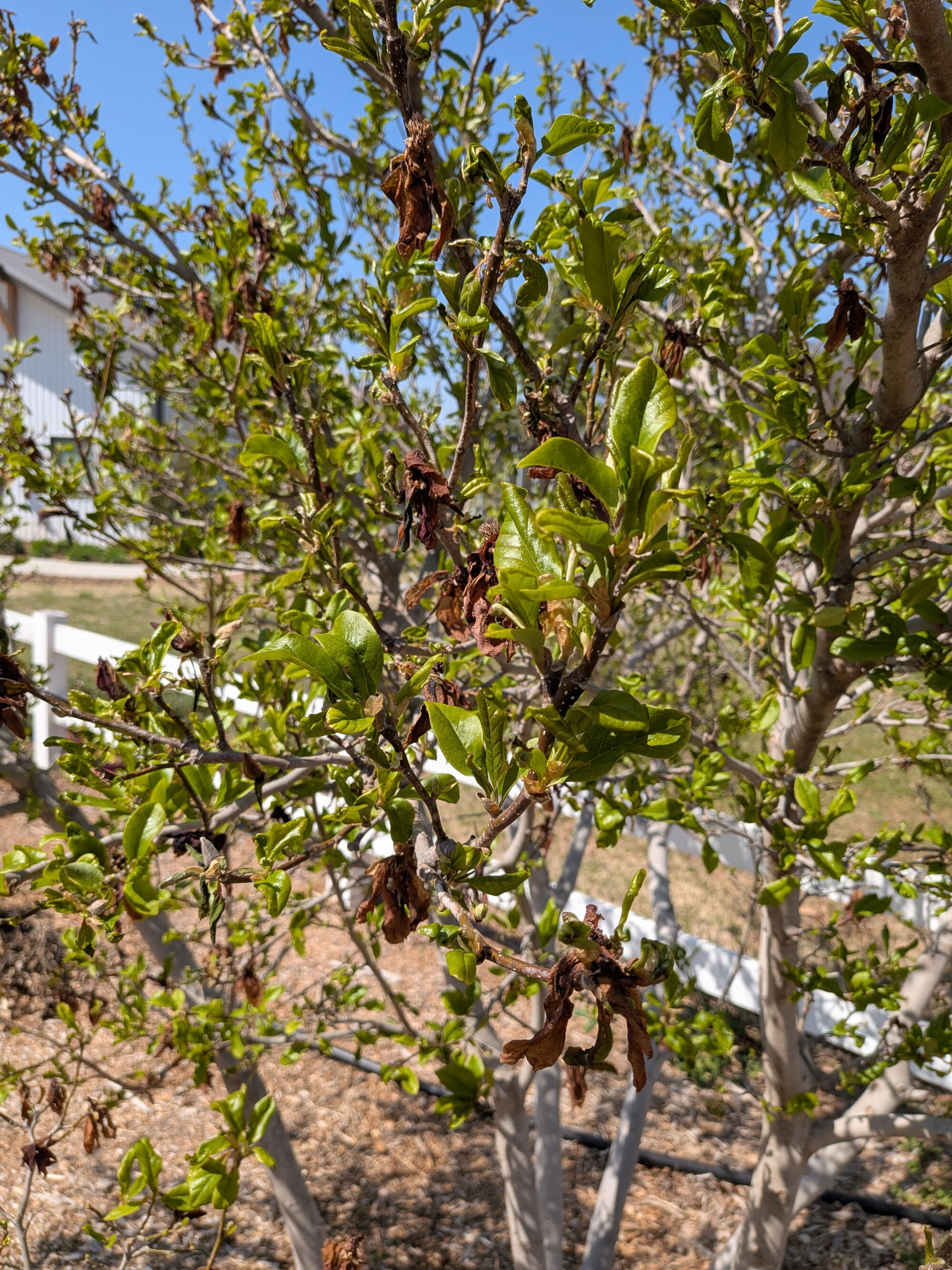 Figure 1. The saucer magnolia has brown, wilted new growth caused by temperatures below zero.
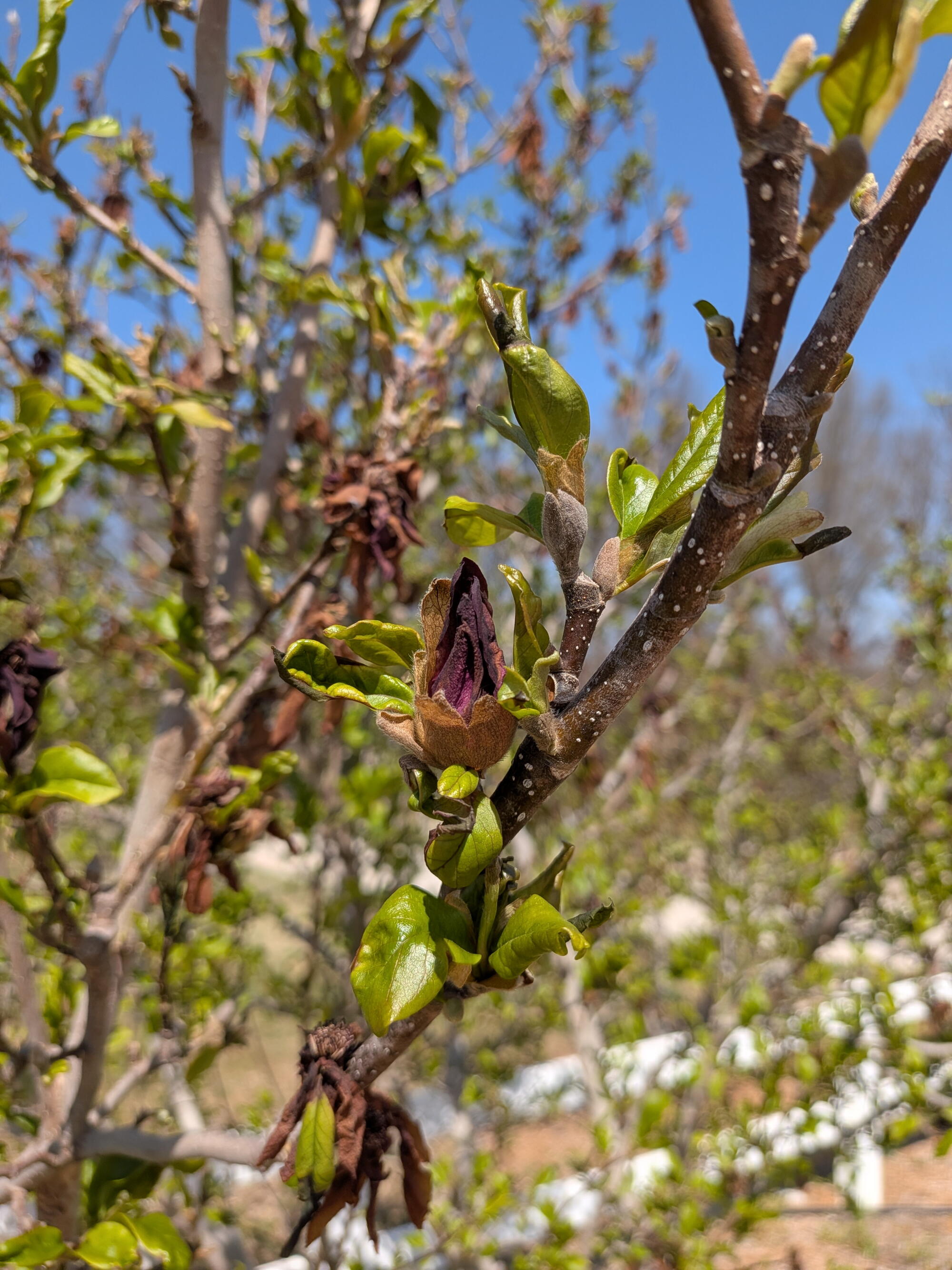 Figure 2. The petals on the developing magnolia flower near the center of the image have turned from purple to brown due to cold temperature injury. This bloom is unlikely to open fully.
Kieffer pear trees are highly resistant to fire blight, a bacterial disease that causes shoot tip discoloration and branch cankers. Figure 3 is an image with discolored and wilted leaves, and the damage resembles fire blight. This type of pear is highly resistant to the bacterial disease, and dry weather is unfavorable for infection. This damage is due to freezing temperatures.
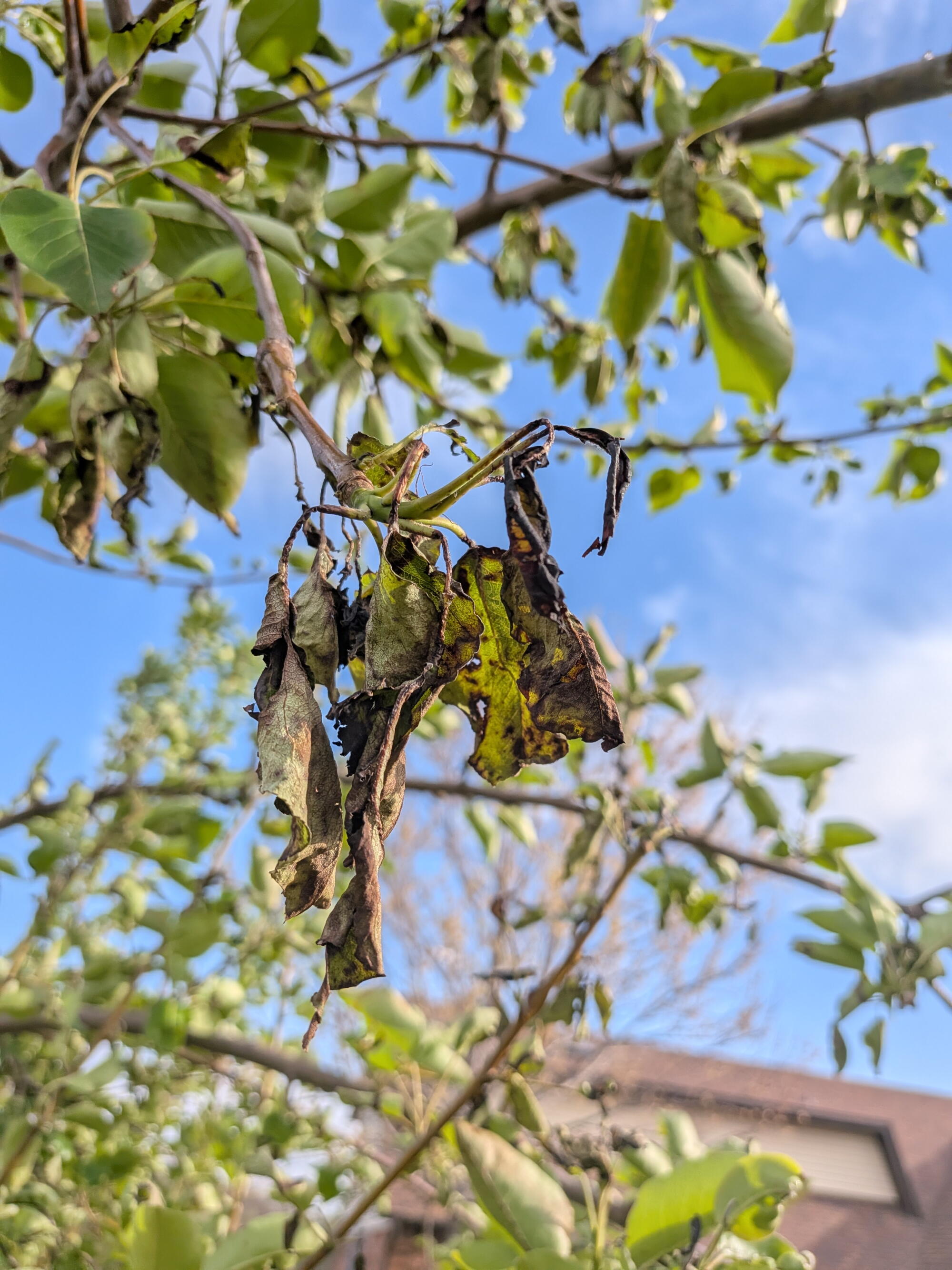 Figure 3. The Kieffer pear has leaves that are browning and wilting due to one or more exposures to temperatures below freezing.
Plants in the Oklahoma City area are also showing damage from cold temperatures. Riley Coy with Oklahoma Forestry Services provided Figures 4 and 5. These Amur maples (Acer tataricum subsp. Ginnala) have injury to the leaf tips. There was concern that these symptoms were due to anthracnose, a fungal disease. The dry weather is unfavorable for anthracnose and other foliar fungal diseases. All Amur maples at the site are affected and nearly all leaves at the end of the branches are affected. Cold temperatures have caused this damage.
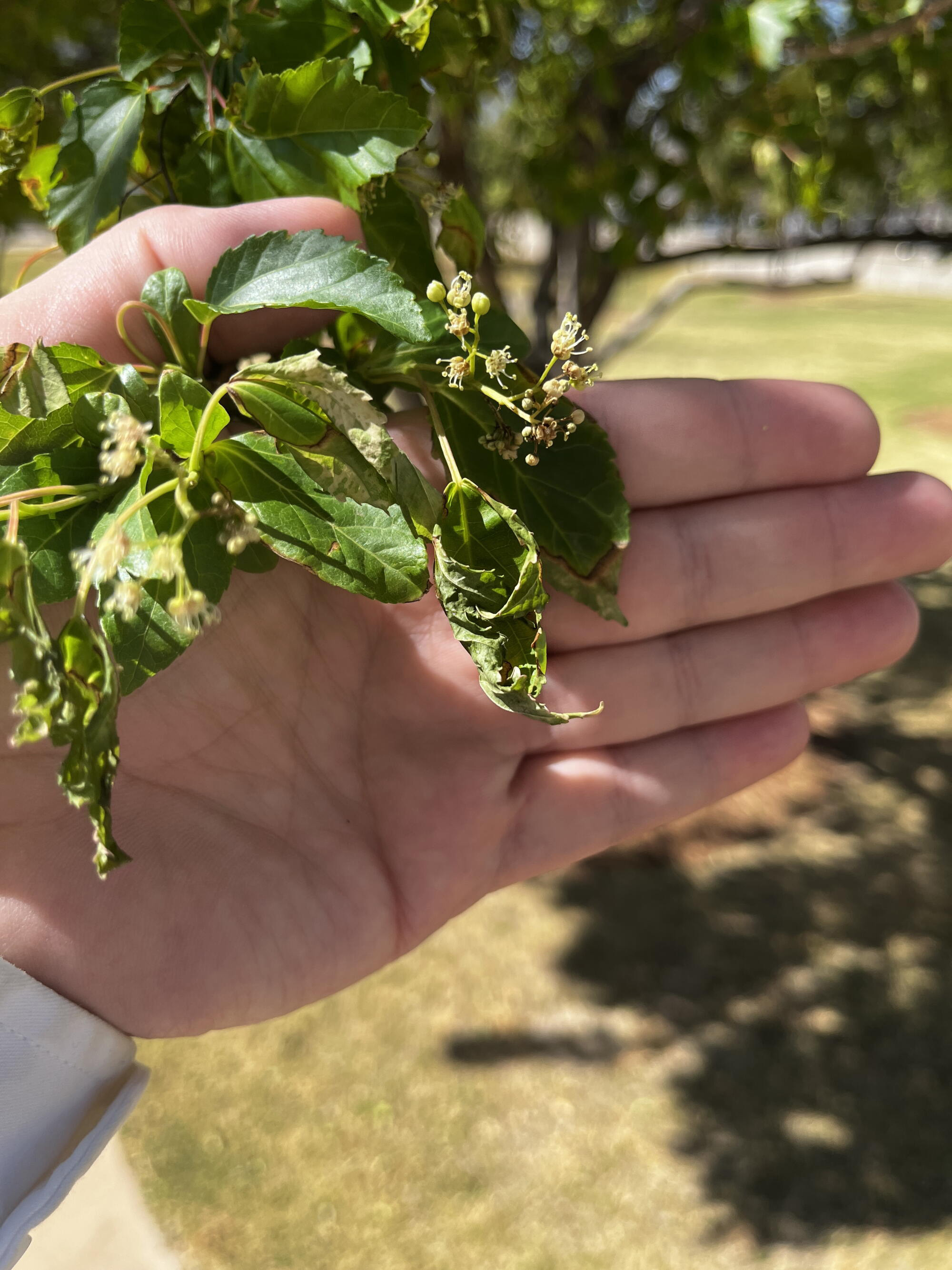 Figure 4. The leaves of the amur maple have some tip discoloration due to cold temperatures.
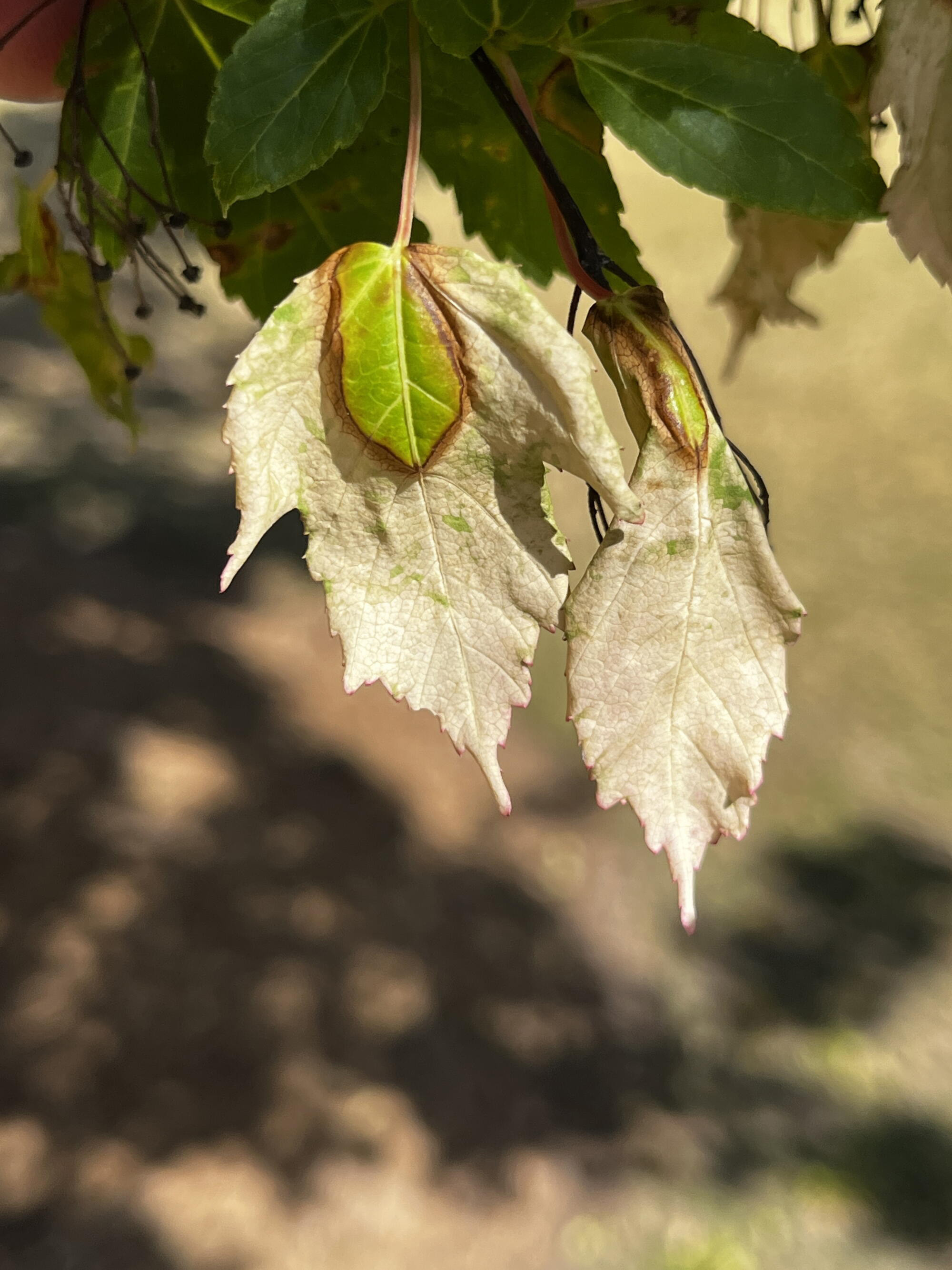 Figure 5. This is a closer view of the damage to Amur maple leaf tips that were exposed to cold temperatures.
Casey Henges (Oklahoma Gardening show host) indicated that redbud trees are less vibrant than normal since the cold temperatures damaged the developing blooms. I have noticed similar damage to the lilac in my landscape. The flower buds on most spring-blooming trees and shrubs developed in summer or fall the preceding year. Therefore, if the blooms were damaged by cold temperatures, they may have a poor display this season. However, some “late bloomers” may develop normally. The same saucer magnolia tree that was shown in Figure 2 has a single late bloom that appears to be developing normally (Figure 6).
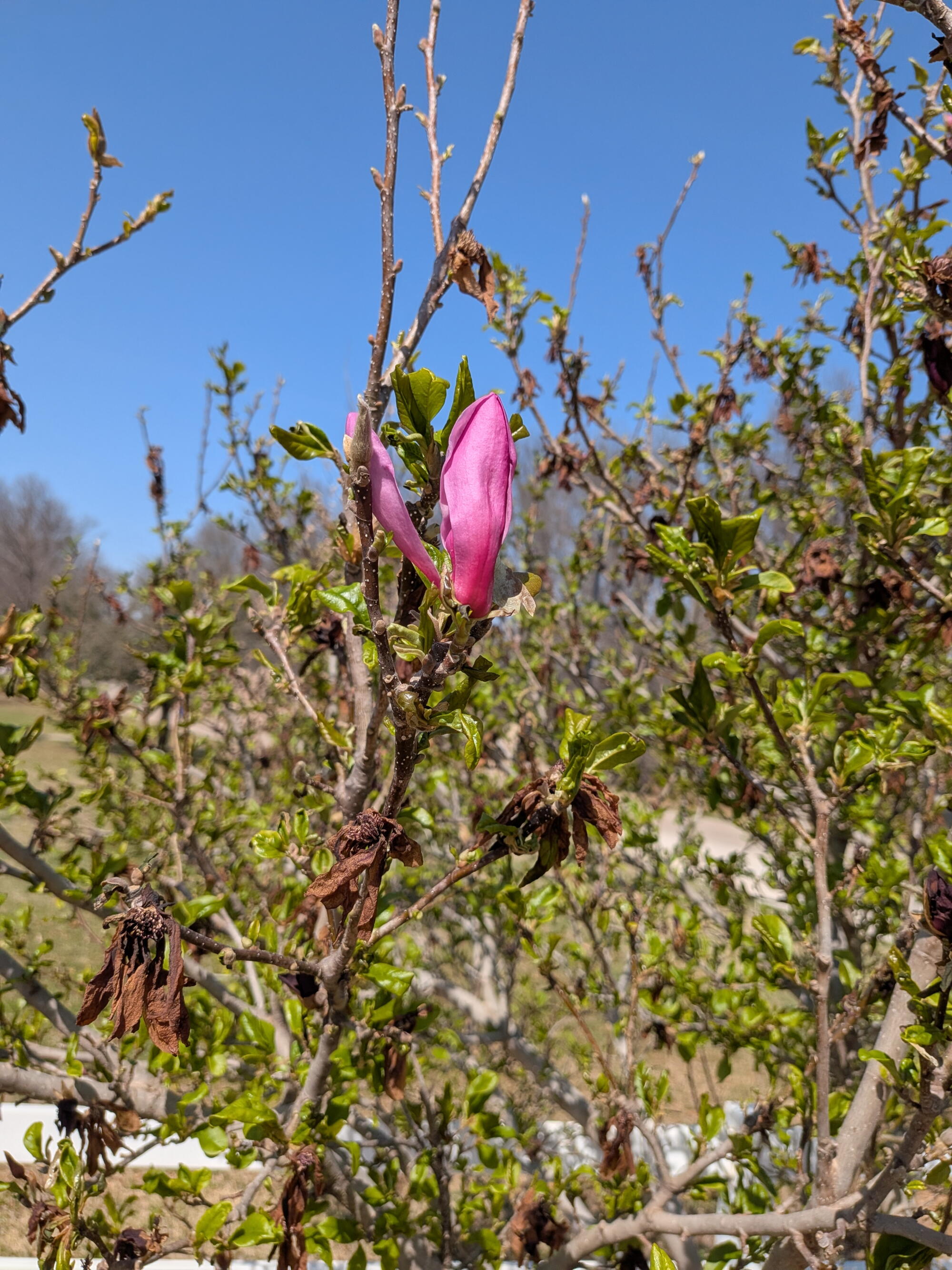 Figure 6. Although this saucer magnolia had many shoot tips and flower buds damaged by cold temperatures, there is one bloom that developed late and appears to be normal.
As spring progresses, the plants will activate secondary or tertiary buds, allowing the plants to grow new foliage. My rose plant (Figure 7) produced leaves which were damaged by cold temperatures and this foliage has turned off color (purple) and wilted. The plant is now developing new green growth.
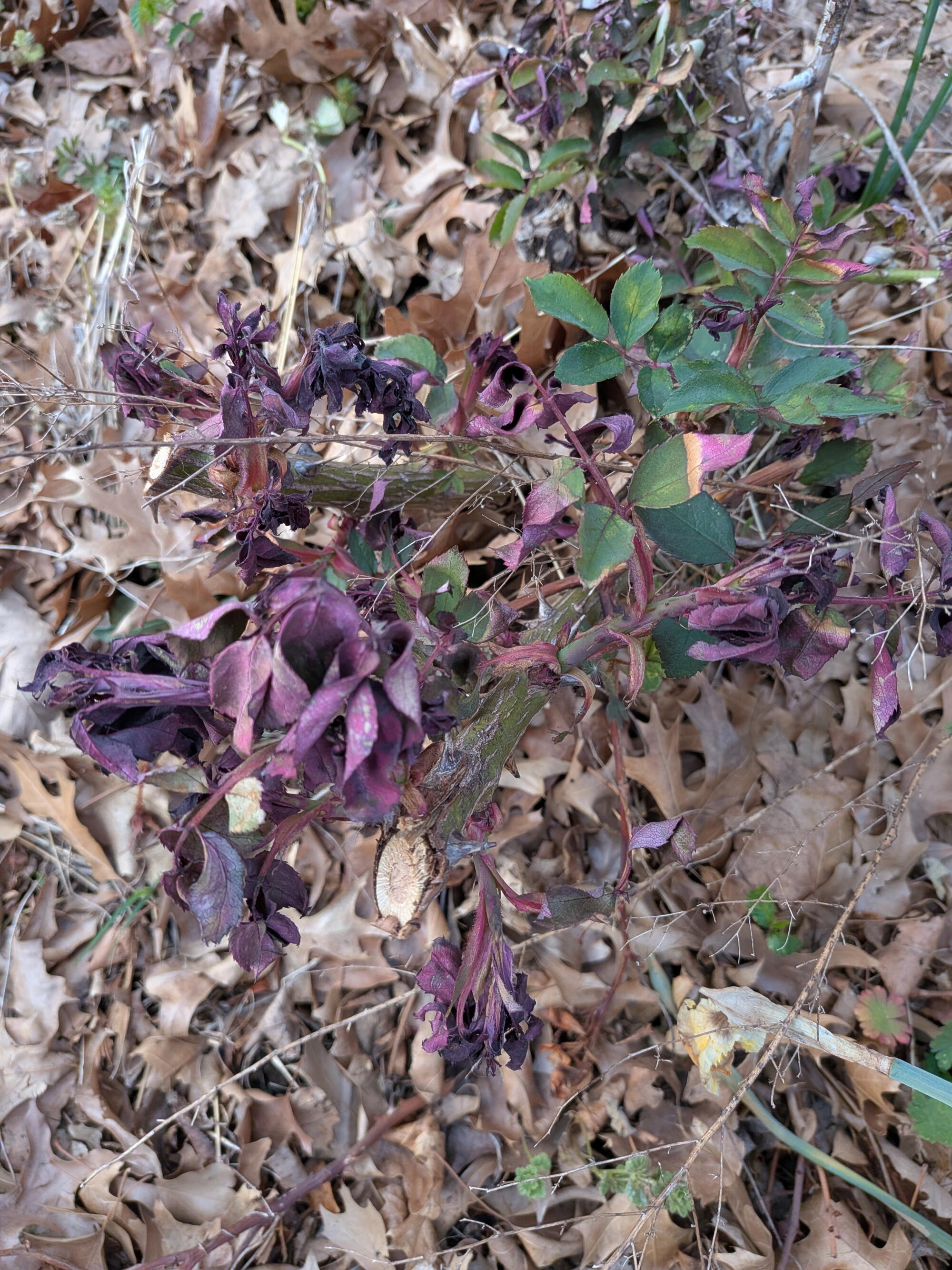 Figure 7. This rose has purple, wilted foliage (left side of the image) due to exposure to freezing temperatures. The plant has since developed new green growth (right side of image) from secondary buds.
If you have plants that were damaged by cold temperatures, hold off on removing the dead tips. The dead foliage helps to insulate the remaining buds. In a few weeks, once the danger of further freeze events has passed, the dead tips can be removed by pruning. Note that some plants will “self-prune”, so the damaged tips may not require intervention.
Don’t be tempted by the warm weather to plant or transplant warm-season crops unless you have a way to protect them from late frosts or freeze events. The Average Final Spring Freeze Map provides the average final spring freeze date for Mesonet sites in Oklahoma. This is the average and we may have a later cold temperature event. Therefore, be cautious about planting or transplanting warm season garden plants such as tomatoes and cucumbers into the landscape until we are past the date indicated by the map and have no additional freeze dates in the forecast for the next 2-3 weeks. Good luck with your plants!