

Charcoal Rot of Corn: Identification, Management and Harvest Considerations
Charcoal rot has been the most common disease observed in Oklahoma corn fields this growing season. The disease is caused by the fungus Macrophomina phaseolina, a soilborne pathogen widely spread throughout the state. This pathogen has a wide host range and can infect more than 500 plant species, including corn, soybean, and sorghum.
Although the fungus can infect corn early in the growing season, symptoms typically do not appear until tasseling or later reproductive stages. Disease development is most severe when plants experience stress, particularly drought stress.
Symptoms: Infected stalks become shredded as the pith and rind disintegrate, leaving the vascular tissue with a granular, gray appearance. The fungus also produces small, black, spherical survival structures called microsclerotia, which accumulate in the pith and rind of affected plants (Figure 1). These structures allow the fungus to survive in the soil between growing seasons, and potentially for several years. As the plants mature, the fungus colonizes the lower internodes of the stalk. This can cause premature ripening and weaken the stalks, increasing the risk of breakage and lodging (Figure 2).
Scouting and Proper Diagnosis: Begin scouting at tasseling and continue through grain fill, especially during hot, dry weather. Focus on drought-prone portions of the field, including compacted areas and field edges. Walk through the field and look for patches of plants that are wilting, drying prematurely or lodging.
Evaluate stalk strength and plant stability using the pinch and push tests. For the pinch test, squeeze the lower internodes near the ground between your thumb and forefinger. Stalks that crush easily may be affected by stalk rot. For the push test, push the plant at shoulder height approximately 30 to 45 degrees vertically, and then release it. Plants with weakened stalks may break, remain leaning or fail to return to an upright position. Stalks affected by charcoal rot may feel soft, hollow or easily crushed.
Another way to identify charcoal rot in corn is to cut or split the lower stalk lengthwise and examine the internal tissue. Infected stalks typically have shredded or disintegrated pith, gray discoloration (Figure 3-4), and numerous tiny, black microsclerotia that give the tissue a charcoal-like appearance. A 20× hand lens can help you see microsclerotia embedded in the stalk tissue. Because charcoal rot can resemble other stalk rots or drought injury, submit representative plant samples to the Plant Disease and Insect Diagnostic Laboratory (PDIDL) if the diagnosis is uncertain.
Harvest Considerations: Record the location and extent of affected areas, as well as the amount of lodging in each field. Prioritize fields with severely weakened stalks for early harvest to reduce yield losses caused by stalk breakage and lodging.
Management: There is no curative treatment for Charcoal rot once symptoms appear. Management should focus on reducing plant stress and limiting losses from stalk lodging.
- Reduce drought stress. When irrigation is available, maintain adequate soil moisture, particularly during tasseling and grain fill. Avoid overirrigation and prolonged soil saturation.
- Select appropriate hybrids. Choose locally adapted hybrids with good drought tolerance and stalk strength. No corn hybrid is completely resistant to charcoal rot.
- Use appropriate plant populations. Avoid excessively high seeding rates, which increase competition for water and nutrients during dry weather.
- Reduce additional plant stress. Manage weeds, insects, compaction and other diseases that can damage roots or compete with corn for water and nutrients.
- Use crop rotation carefully. Rotation alone may provide limited control because the fungus infects many crops and can survive in soil and crop residue for several years. Rotating to less-susceptible crops, such as wheat, barley, oats, and rye, may help reduce disease pressure but will not eliminate the pathogen.
- Harvest affected fields promptly. Scout fields before harvest and prioritize those with weak stalks or significant lodging risk. Adjust combine speed and header height as needed to recover lodged plants.
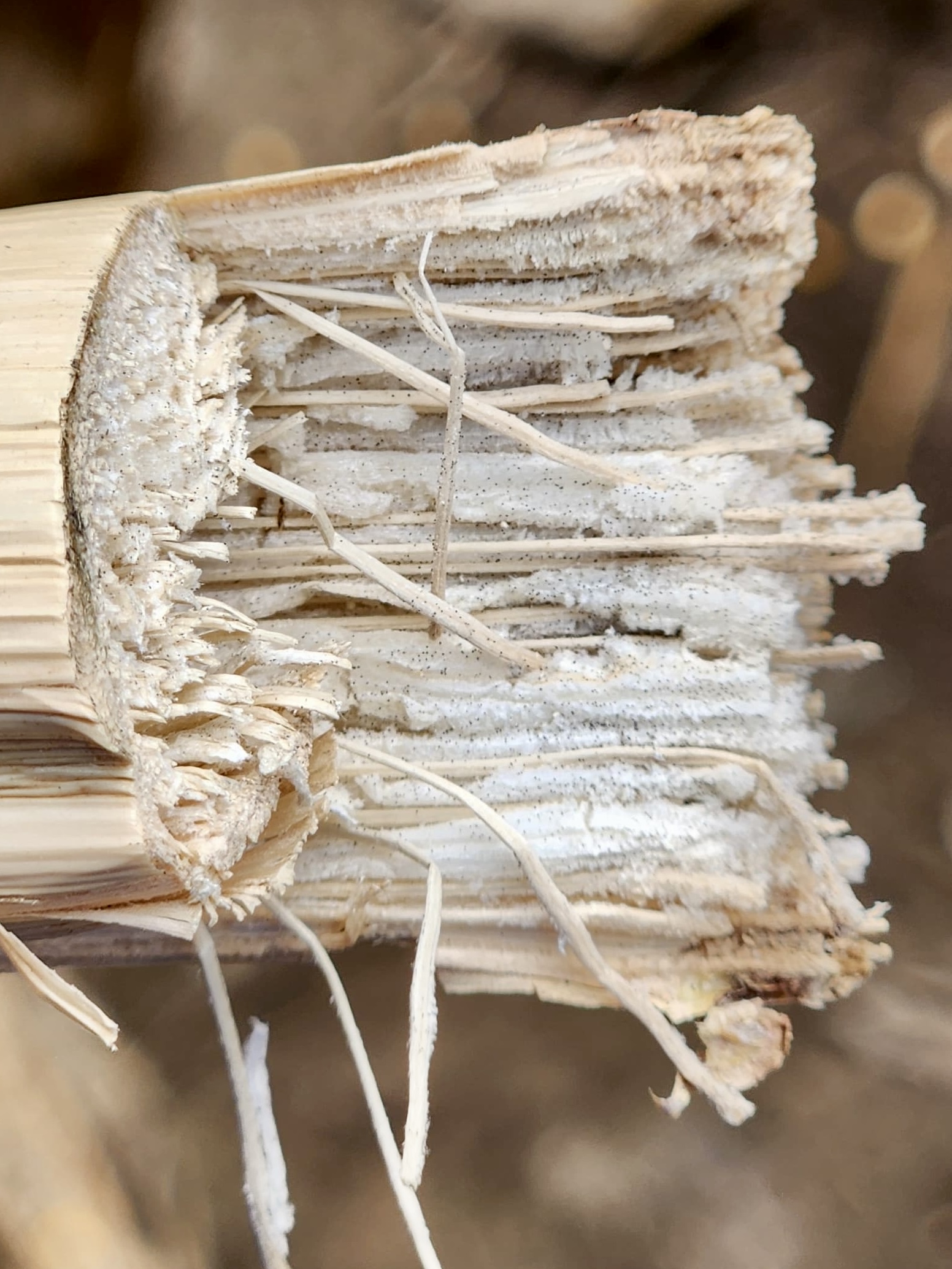 Figure 1. Numerous small, black survival structures called microsclerotia give infected stalk tissue the charcoal-like appearance characteristic of charcoal rot. Image credit: Maira Duffeck.
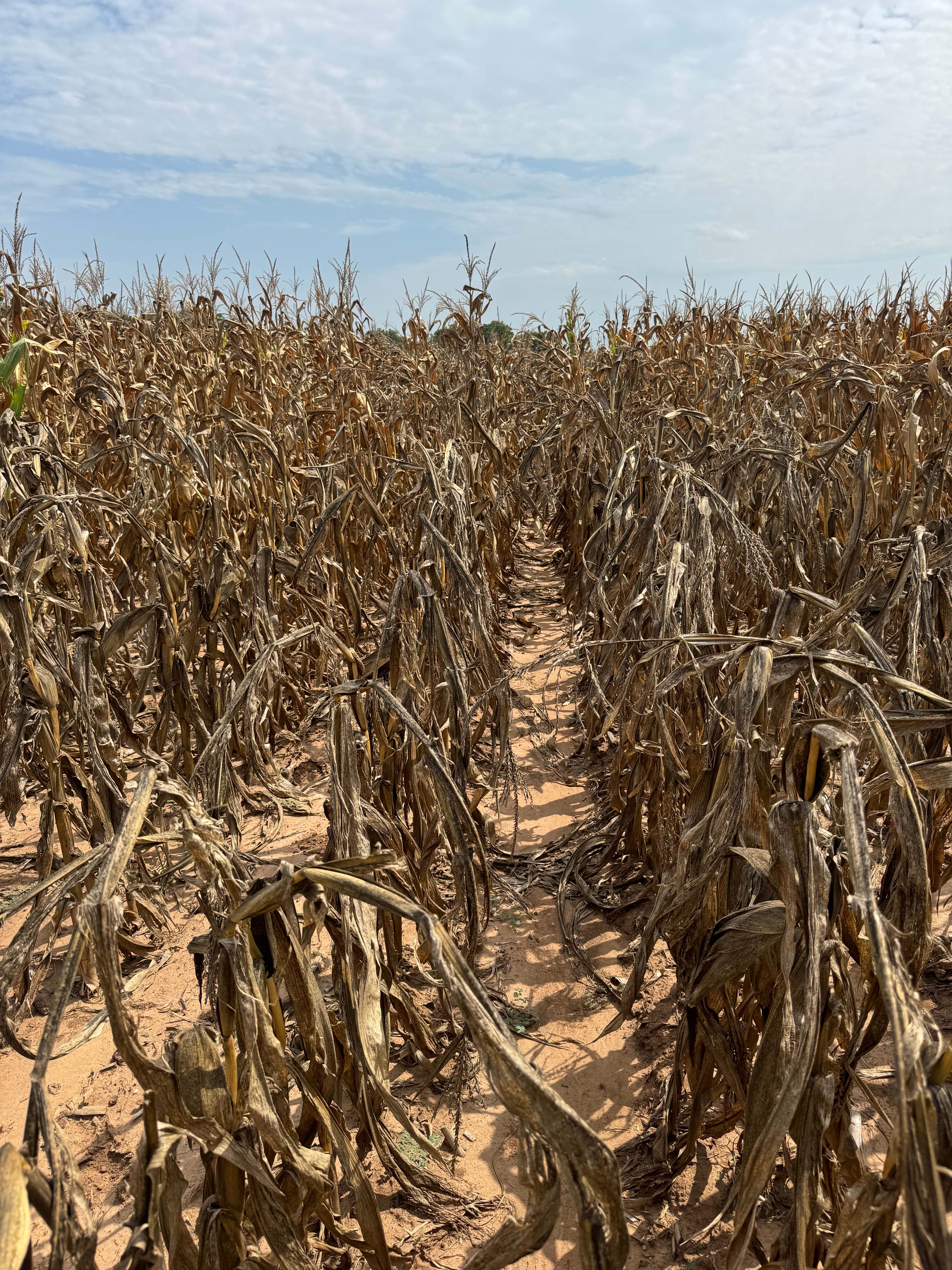 Figure 2. Corn plants affected by charcoal rot showing wilting, lodging and grayish discoloration of the stalk plant. Image credit: Maira Duffeck.
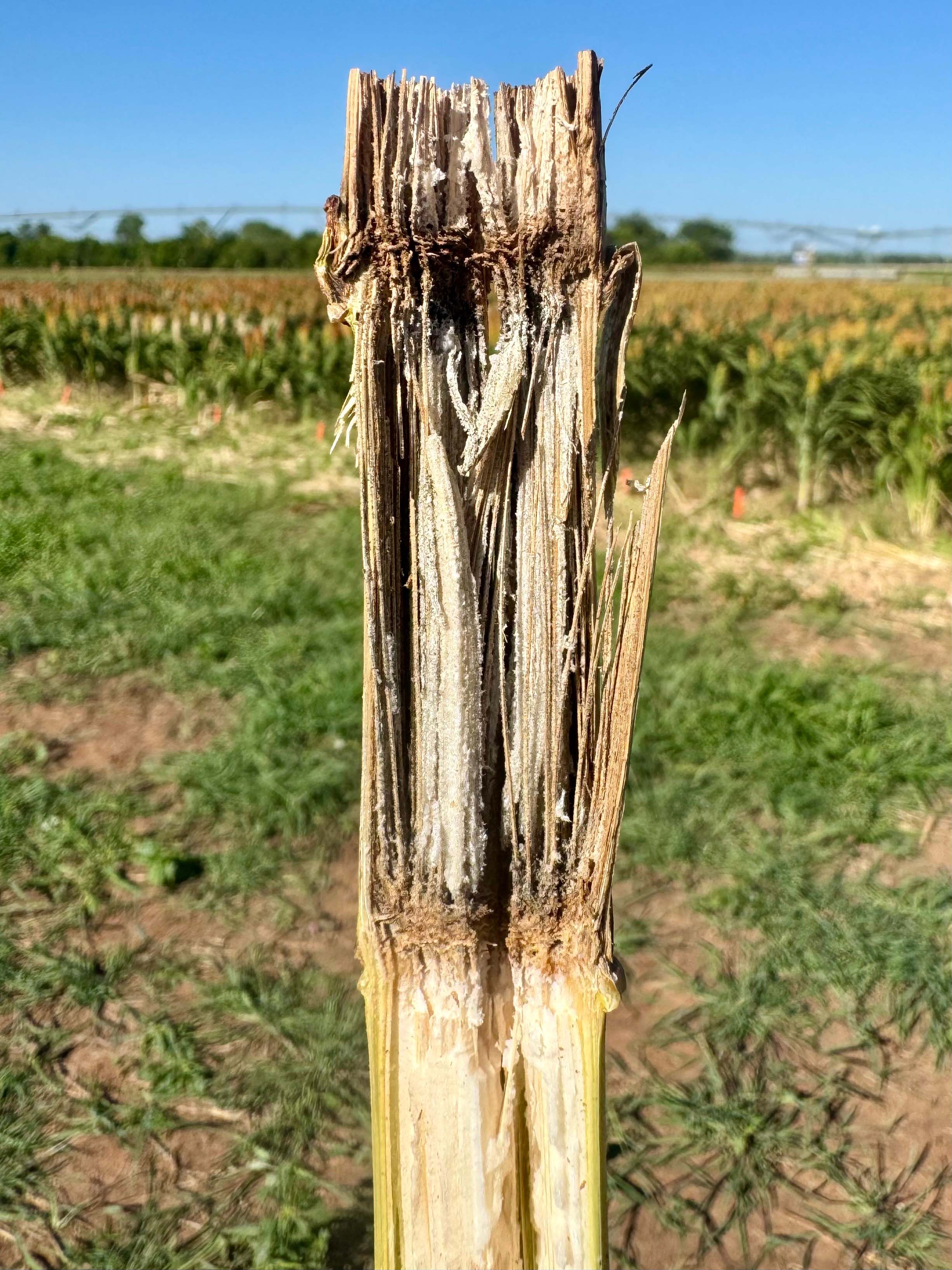 Figure 3. Corn stalk affected by charcoal rot, showing gray discoloration and disintegration of the internal stalk tissue. Image credit: Maira Duffeck.
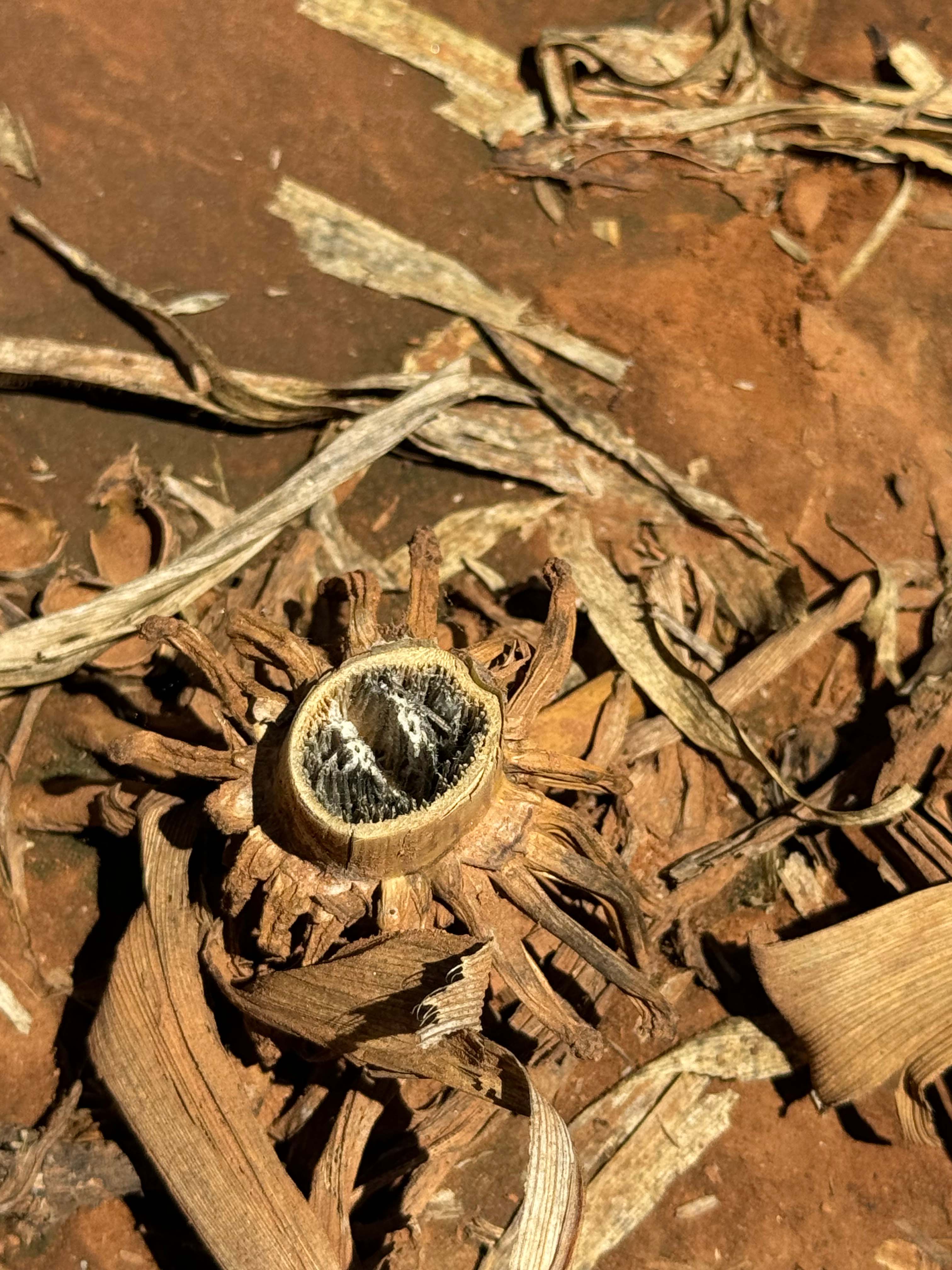 Figure 4. Corn stalk cut at the soil line showing symptoms of charcoal rot, including gray discoloration and disintegration of the internal stalk tissue. Image credit: Maira Duffeck.