

Be on the Lookout: The Pasture Mealybug (Heliococcus summervillei), An Emerging Threat to Pasture and Hay
The pasture mealybug is not currently detected in Oklahoma. However, this invasive pest is spreading rapidly across the Gulf Coast and neighboring states. Oklahoma producers should remain vigilant, proactively scout pastures, and understand how to prevent its introduction.
Background and Threat
Originally described in Australia, the pasture mealybug, Heliococcus summervillei, was first detected in the United States in Texas (2025). The pest has since been confirmed in 70 Texas counties, as well as in parts of Louisiana and Florida (Figure 1). The pasture mealybug exclusively feeds on grasses—including Bermudagrass, Bahiagrass, bluestems, and other tropical/subtropical forage grasses.
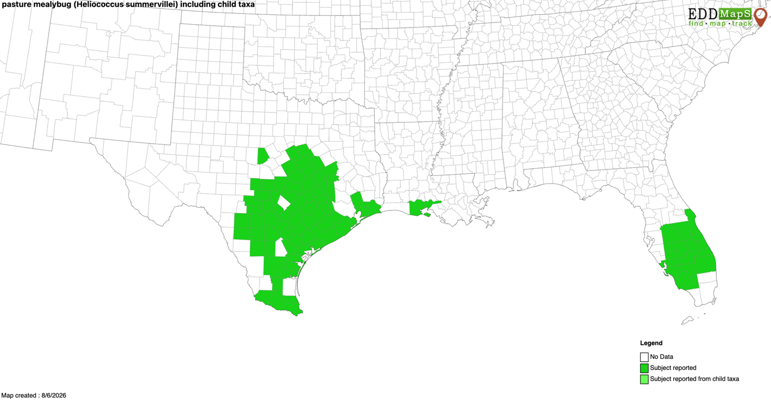 Figure 1. Current documented distribution of the pasture mealybug in the United States. Credit: EDDMapS
The pest injects toxic saliva into the plant while feeding on sap. This weakens the grass, makes it susceptible to secondary fungal infections, and leads to a devastating condition known as "pasture dieback." Millions of acres of highly productive grazing land have been lost in Australia, and U.S. producers are currently seeing massive yield reductions in heavily infested areas.
Pest Identification and Biology
Pasture mealybugs are tiny, highly mobile, and can easily go unnoticed until significant damage occurs. They prefer the lower parts of the plant canopy. Look on the undersides of the lower leaves, deep in the thatch layer, at the soil surface, on the roots, or even clustered under dried cow patties.
- Size and Appearance: Adult females are small (2 - 5 mm long), oval-shaped, and covered in a white, powdery, or "mealy" wax. They are covered in fine hairs extending from all sides of their bodies (Figure 2). Adult males are rarely seen due to their short lifespan. Males are winged, have a long wax tail and do not feed.
- Color Changes: Older, mated females turn a distinct pink color.
- Nymphs (Crawlers): The youngest nymphs are the most active feeders but are nearly invisible to the naked eye (less than 1 mm).
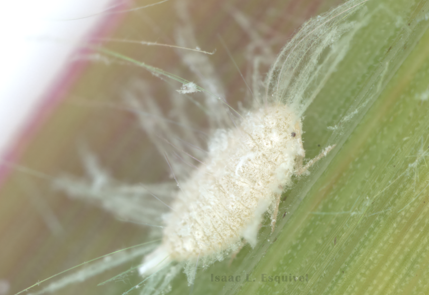 Figure 2.1 Close up of adult female pasture mealybug. Credit: Isaac Esquivel, University of Florida Extension.
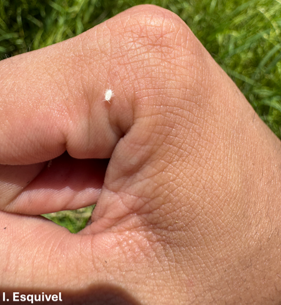 Figure 2.2 Pasture mealybug on hand. Credit: Isaac Esquivel, University of Florida Extension.
Damage Symptoms
Immature pasture mealybugs secrete honeydew as they feed. This honeydew can promote sooty mold fungi which can inhibit photosynthesis. Because mealybugs inject a toxin, grass injury can appear within a week of infestation. Symptoms are often mistaken for drought stress, nutrient deficiency, or disease.
- Yellowing: The earliest symptom is a general yellowing of the older leaves (Figure 3).
- Reddening/Purpling: As the dieback progresses, leaves develop distinct red or purple streaks starting from the leaf tip and moving downward (Figure 3).
- Desiccation and Death: The plant eventually dies due to premature senescence which allows opportunistic pathogen infections to kill the grass, leaving expanding patches of dead, brown grass in the pasture (Figures 4 and 5).
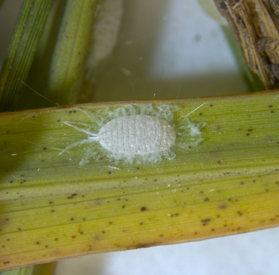 Figure 3.1 Yellowing of grass affected by pasture mealybug feeding. Credit: Danielle Sekula and Stephen Biles, Texas A&M AgriLife Extension Service.
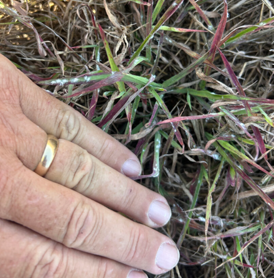 Figure 3.2 Reddening of grass affected by pasture mealybug feeding. Credit: Danielle Sekula and Stephen Biles, Texas A&M AgriLife Extension Service.
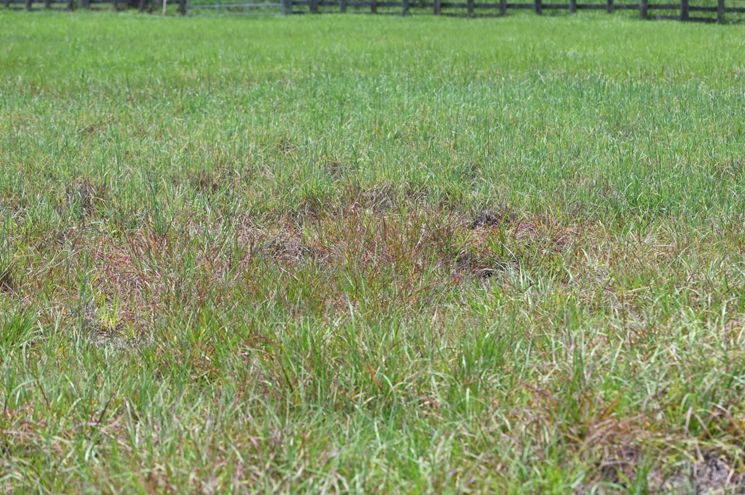 Figure 4. Pasture dieback caused by pasture mealybug. Credit: Isaac Esquivel, University of Florida Extension.
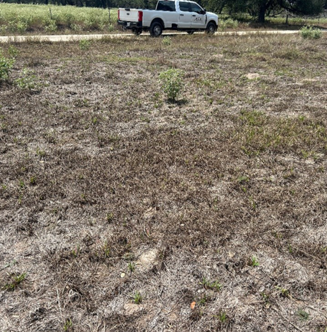 Figure 5. Severe pasture dieback caused by pasture mealybug. Credit: Stephen Biles, Texas A&M AgriLife Extension Service.
Scouting and Monitoring Practices
Since the pasture mealybug is not yet established in Oklahoma, early detection is our best defense.
- Check the Edges: Do not look for mealybugs in the completely dead patches of grass. Instead, scout the green, actively growing edges surrounding areas of yellowing, reddening, and poorly grown grass.
- Part the Canopy: Get down to the soil level. Pull the grass stems back at the soil surface and inspect the undersides of lower leaves, thatch, and root crown (Figure 6).
- Check Hay: In fields recently cut for hay (14 - 30 days post-cutting), check the remaining stubble near the ground.
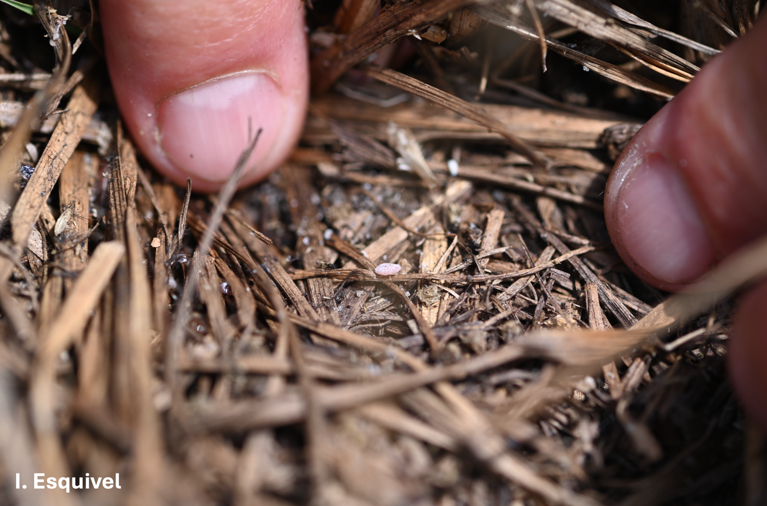 Figure 6. Adult female pasture mealybug in Bahiagrass. Credit: Isaac Esquivel, University of Florida Extension.
Sanitation and Spread Prevention
Pasture mealybugs move easily. Their tiny nymphs can be blown by the wind, hitchhike on clothing, or be transported on farm equipment.
- Equipment Hygiene: Never drive trucks, ATVs, or tractors into an infested field unless necessary. If you do, thoroughly pressure wash the equipment, tires, and undercarriages and remove any grass clippings before moving to an uninfested pasture. In cases where water is not available, sweeping or blowing equipment is advised. Thoroughly inspect any equipment for pasture mealybugs even after cleaning before moving to another location.
- Clothing Hygiene: Clean boots/shoes and pants when moving between fields (Figure 5). If working in a field that has suspected pasture mealybug damage wear protective coverings that can be disposed of after use and before moving into another pasture.
- Hay and Sprigs: The pest can be transported in freshly cut hay or infested grass sprigs. Do not source sprigs from known infested regions.
- Work Order: Always manage and scout your clean, un-infested pastures first before moving to pastures you suspect might have an issue.
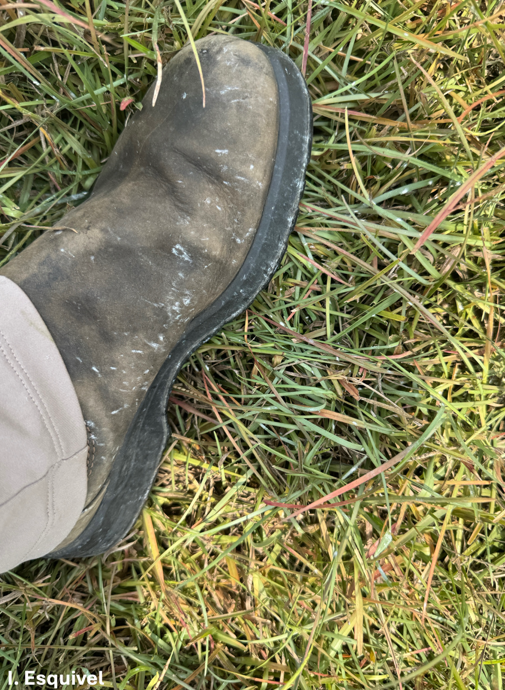 Figure 7. White specks on boot are wax from pasture mealybug after walking through an infested pasture. White specks on blades of grass are pasture mealybug. Credit: Isaac Esquivel, University of Florida Extension.
Cultural Management Options
If the pest is detected, cultural practices can help suppress population numbers. The pasture mealybug thrives in tall, thick, dense grass canopies, which protect it from the elements and predators.
- Reduce Biomass: Shredding, cutting for hay, or utilizing intensive, heavy grazing reduces the dense canopy the insect prefers. Texas A&M AgriLife has observed that most mealybugs left the grass but about 5% were found in the cut grass 48 hours after cutting.
- Baling: If cutting an infested field, cutting and removing the dry material removes their food source. However, Texas A&M AgriLife data also shows that PMB adults and nymphs were still alive in hay bales 14 days after baling. Caution should be taken when moving hay baled from PMB infested fields to prevent spread to non-infested areas.
- Re-establishment: If a pasture is entirely lost to dieback, the dead biomass should be completely removed before replanting a less susceptible/less preferred grass species to reduce mealybug survival rates. More research is needed to identify these grasses.
Chemical Control Guidelines
Controlling the pasture mealybug chemically is difficult. The pasture mealybug’s waxy coatings, overlapping life cycles, and preference for hiding deep in the soil thatch mean getting good chemical coverage is challenging.
- Avoid Broad-Spectrum Insecticides: General pasture insecticides like pyrethroids (Group 3A), organophosphates (Group 1B), and carbamates (Group 1A) have shown very poor efficacy against this pest. Furthermore, they kill beneficial predators and parasitoids that may naturally help keep mealybug populations in check.
- Application Timing is Critical: Never spray a tall, dense pasture. You must first cut, shred, or graze the grass to reduce the canopy. Allow the grass to regrow to 6 - 8 inches so there is fresh, green tissue to absorb the chemical before making an application. The use of adjuvants, like methylated seed oils, is highly recommended to improve leaf absorption.
- Effective Chemistries: While not all are permanently labeled for pastures in every state, research from Texas and Florida indicates that certain systemic products are effective. Currently the only product labeled for pasture mealybug in Oklahoma is Sefina® Inscalis® (ai: afidopyropen, 4.89%) at 8-10 fluid ounces per acre. However, this product provides at best suppression and is not recommended for high infestations or sites where grass injury is pronounced. Chemical control options are still being evaluated, and more information will be shared as it becomes available.
Important Regulatory Note for Oklahoma: Because this pest is not yet established in Oklahoma, Section 18 Emergency Exemptions are not currently available. These exemptions provide temporary authority to use certain pesticides that are not otherwise labeled for this specific pest. Always read and follow all label directions.
What to Do If You Suspect an Infestation
Oklahomans who observe unexplained pasture dieback or find small, white, waxy insects like the photos above or as described, should collect a sample immediately. Package grass clippings in a loose, dry paper towel or crumpled newspaper set inside a Ziploc bag that is sealed and placed in a small box. Do not add water to the sample or Ziploc bag. Submit the prepared package to the local county Extension office for shipment to the Oklahoma State University Plant Disease and Insect Diagnostic Laboratory for confirmation by state entomologists. The Oklahoma Department of Agriculture, Food and Forestry may follow up with you for additional information.