

Ag Insights March 2026
Thursday, April 23, 2026
Wheat Update
Josh Bushong, Area Extension Agronomist
Wheat has broken dormancy and is trying to grow. Overall, this winter, from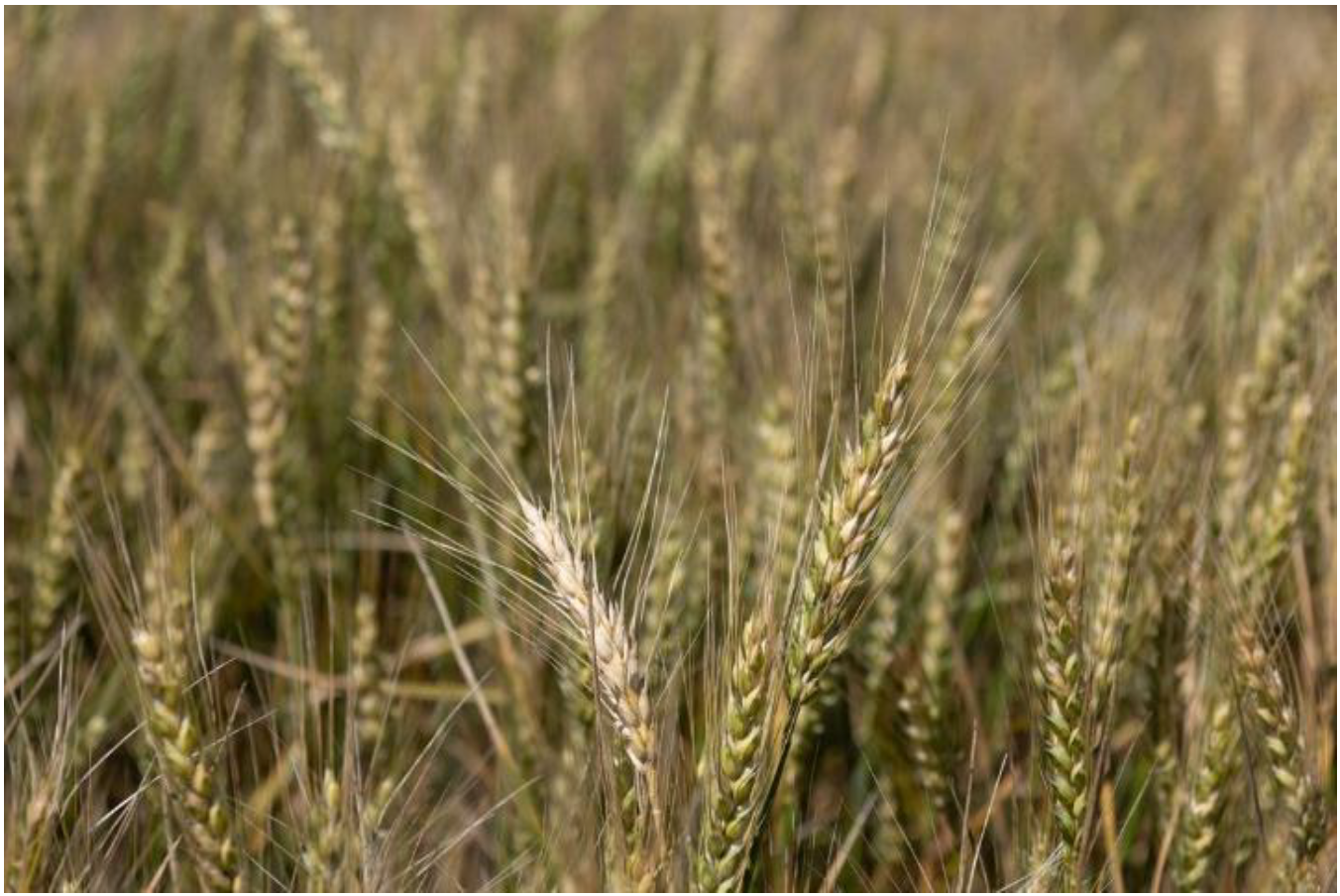 the start of December to mid-February, has been warm and dry with some hard freezes here and there. Most of the wheat acres in western Oklahoma only received 28-55 percent of “Normal Rainfall” for this time period compared to Mesonet data from 1991-2020.
The wheat has started to transition from vegetative to reproductive growth as it enters the all- important jointing growth stage. This growth stage is very critical for grain producers as the wheat head is being developed. The wheat head size and grains per head are determined at jointing. For the dual-purpose wheat grower, this is a critical moment as to when to pull off livestock.
The term “first hollow stem” was coined by OSU to describe the optimal time to terminate grazing. It is defined by reaching a height of at least 5/8 of an inch, about the size of a dime, of hollow stem between the developing wheat head and growing point or crown. This time of year, the growing point will likely still be beneath the soil surface so plants must be dug up, split lengthwise with a sharp knife, and then inspected to determine the height of the hollow stem. It is also recommended to check plants in a non-grazed area since grazed plants could indicate delayed maturity due to the stress from being grazed.
Wheat variety maturity ratings at first hollow stem (FHS) and its heading maturity are not always the same. For example, the variety OK Corral might typically be rated ‘Medium or Middle’ for FHS, but ‘Late’ for heading maturity. Most wheat varieties are going to mature mainly based on soil heat units accumulated, but a few varieties can also be influenced by day length. Planting date, soil fertility, and especially the environment can all impact when the plant reaches FHS.
Continuing to graze after FHS is reached on the main tiller can reduce grain yield potential by as much as 5% per day. It all depends on the current status of the wheat crop and projected growing conditions. OSU grazing research conducted near Marshall showed that grazing 14 days past first hollow stem resulted between 14 and 58 percent depending on the year.
Other research from OSU showed that maximum yield was achieved when there was at least 62% green ground cover at the jointing stage. Delaying grazing termination can reduce green ground cover, which will delay the plant’s ability to recover from grazing. Green ground cover can be determined with the free app developed by OSU called Canopeo.
Another tool that can be used to estimate FHS is the “First Hollow Stem Advisor” application. It can be accessed from mesonet.org by selecting the “Agriculture” tab at the top of the webpage, then the “Crops” icon, and finally the “Wheat” icon. This tool predicts the potential for early, medium, and late maturity varieties to reach FHS based on soil heat units accumulated. Specific sites and many common varieties can be used in the tool to better estimate FHS. This tool will never be 100% actuate but is a great way to know when to be scouting fields more closely and when to start making arrangements to remove stockers.
The OSU Small Grains program evaluates several wheat varieties at both Stillwater and Chickasha to routinely measure FHS. Results are promptly posted at osuwheat.com for all to review. The plot in Stillwater was planted October 10th this year and includes both a non-grazed and simulated grazed measurement for FHS. They mowed multiple times this spring to simulate light grazing by mowing at a three-inch plant height. The Chickasha plot was planted on September 25th and is further along so far this year.
In addition to checking for FHS, it is always good to be out in the wheat to check for weeds, insects, and diseases. So far, I haven’t seen much pressure from any one particular pest but it’s always best to scout and manage for timely applications to be most economical in protecting yield potential. Even though conditions have been warming up, time herbicide applications a few days around harsh cold fronts to maximize product uptake into the plant to optimize herbicide efficacy. Hopefully rains will continue to finish February out and set some good yield potential this year.
Should Corn Be Used as an Energy Source for Cows?
Dana Zook, NW OK Area Livestock Specialist
We have weathered our first shot of cold for the year and I hope everyone is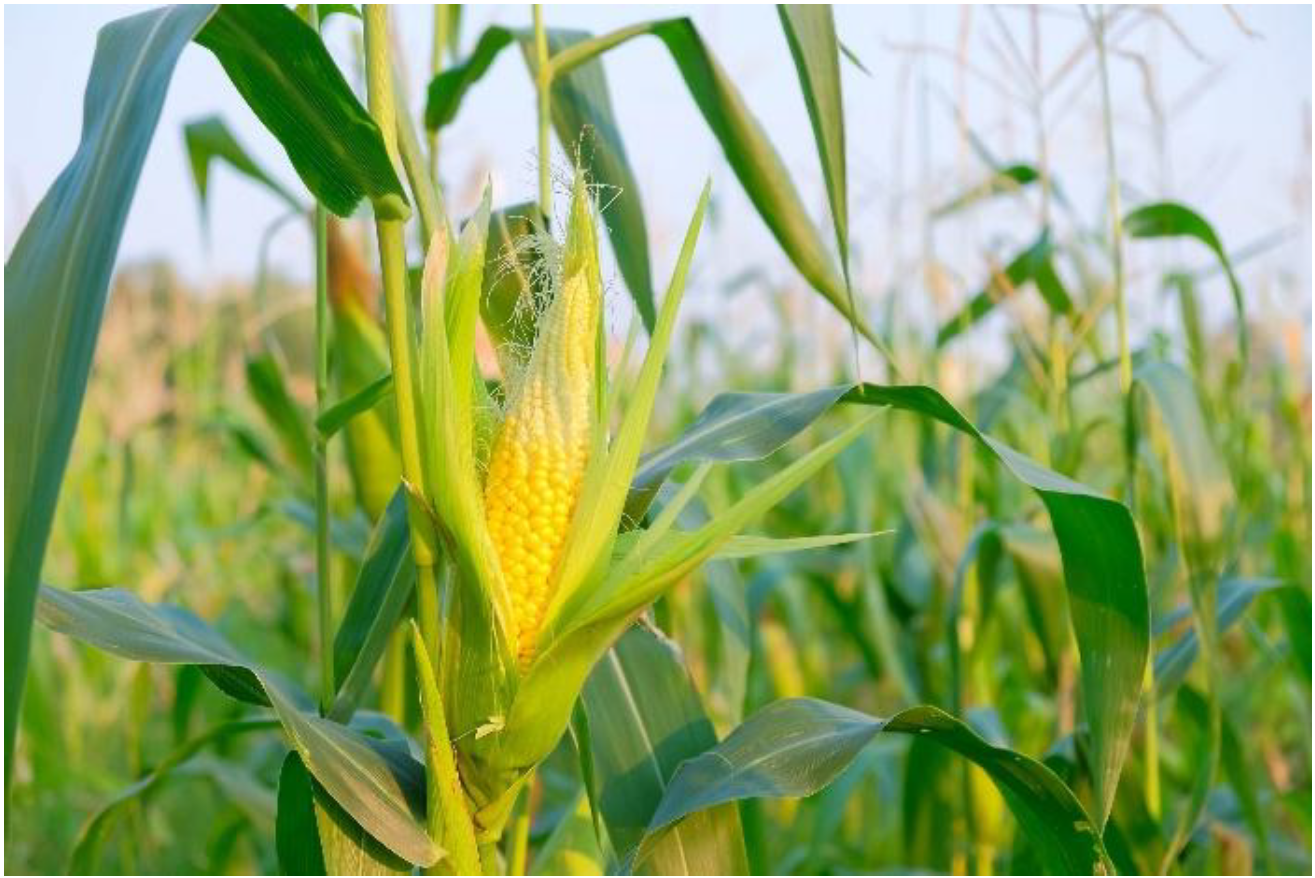 holding up well. Over the last few weeks, there has been a great deal of good information about feed and water needs of cows in cold weather. This week I wanted to touch on the use of corn as an energy source for cows in cold weather due to some recent inquiries from producers.
Although feeding corn in Oklahoma isn’t common, it still plays a big role in our nation’s beef industry. Coming from Nebraska, corn and its byproducts are often the baseline of nutrition for beef cattle. Preconditioning and growing rations contain corn and feedlot cattle all over the nation are finished on it. That being said, you don’t see a lot of information about feeding corn to mature beef cows. This is because most of our mature beef cows primarily graze or are fed a forage-based diet. In certain times of the year, forages become deficient in protein, but energy isn’t usually an issue. Corn, being an “energy feed” that is low in protein (84% TDN, 8-9% CP) is not an appropriate option for most forage focused diets.
Given this, the recent cold weather has amplified the conversation about increased energy needs for cows. Because of the energy value, producers might look to corn for an additional boost in cold weather, but it’s important to know how it can be specifically utilized. Corn is an entirely different feed ingredient compared to our commercially pelleted and cubed supplements. These commercial supplements contain products such as wheat midds, distillers’ grains, and cottonseed meal and are pretty balanced in both energy and protein while also being high in fiber. Comparatively, corn is a starchy feed low in protein (8-9%) and high in energy (84% TDN). For cattle on forage-based diets, corn should be fed at lower levels. Feeding too high a level of starchy grains can cause digestive upset (founder, acidosis, etc.) but it also wrecks the forage efficiency in cows on a forage-based diet. That being said, producers who know they are feeding a forage with adequate protein (through a hay test or nutritional analysis) could utilize whole corn as an energy source. Producers should limit total consumption of corn per head to 3-4 pounds when fed along with a good forage source that is adequate in protein. Feeding this level of corn each day should have a minimal effect on forage efficiency and provide a good energy boost during cold winter weather. As always, producers should properly adapt cattle to any new feed, starting with a pound or two for a few days before increasing to the maximum level of 4 pounds a day. Corn isn’t a feed available to everyone nor is it appropriate in every situation, however it can be used strategically to keep our cows in good condition.
If you are interested in using corn for gestating or lactating cows, feel free to reach out to your local OSU Extension Educator or Specialist for insight.
Understanding EPD’s and Accuracy for Bull-Buying Season
Dana Zook, NW OK Area Livestock Specialist
A touch of spring is in the air and cattle producers are amidst Spring bull-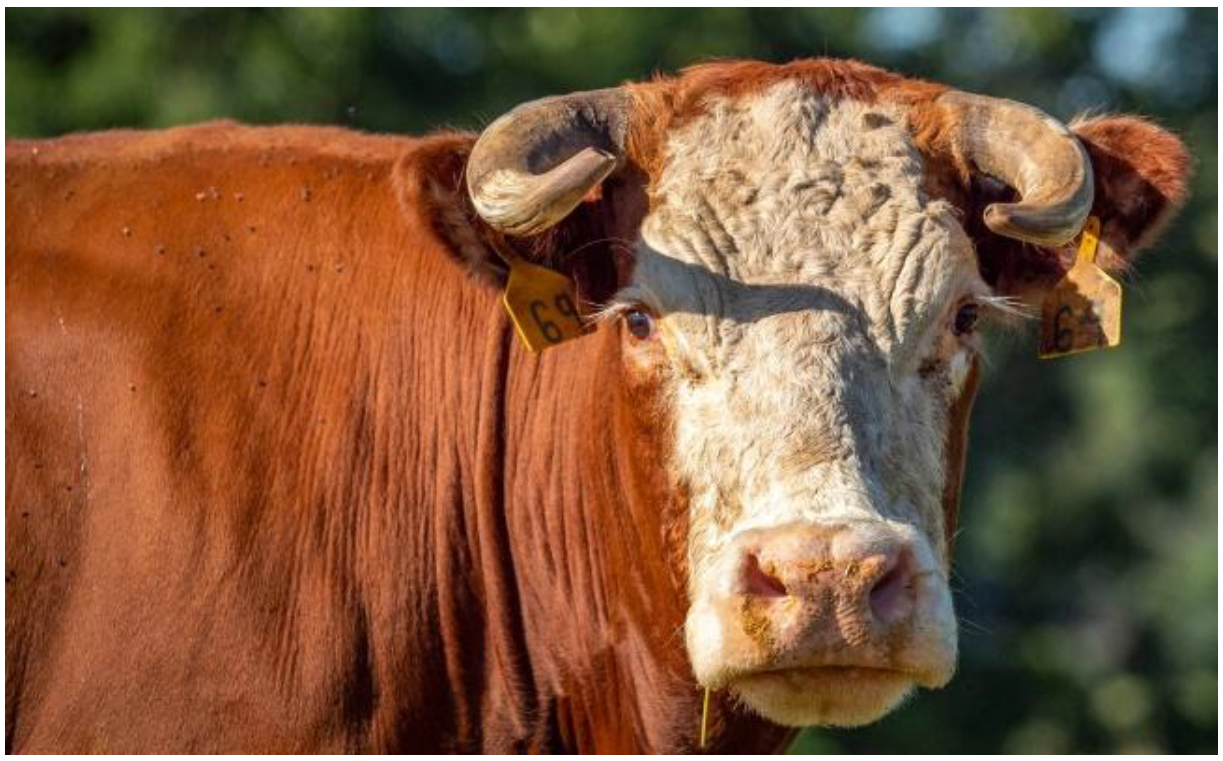 buying season. Buying a bull isn’t a small decision. At maturity, bulls can breed 20-30 cows in a season. That is a lot of genetic influence on the calves born in a cow herd. Producers utilize a variety of ways to select bulls but one of the best tools in the toolbox for selection is Expected Progeny Differences (EPD’s). Expected progeny differences are predictions of the genetic transmitting ability of a parent to its offspring and are one of the most effective tools in our industry to estimate the appearance and performance of an animal.
First off, let’s set a foundation about EPD’s. Expected progeny differences are based on data submitted by producers on the performance and characteristics of parents, siblings, daughters and sons of that animal. They are a comparison tool and should be used to evaluate differences between two animals or comparing one animal to the breed average. To level the playing field in comparison, EPD’s help minimize the differences of management when comparing two animals.
Next, to use EPD’s to buy a bull, think about the details important to your operation. How will this bull be used? Will he be breeding mature cows or first calf heifers? Producers selecting bulls to directly breed heifers need to evaluate using calving ease direct (CED) to identify more unassisted births from first calf heifers. For producers who wish to retain heifers, calving ease maternal (CEM) should be evaluated to predict calving east of daughters of bulls when they calve. Producers should place more emphasis on CED and CEM over birthweight (BW) due to its influence in the calving ease traits.
Let’s take a step further. When do you sell calves? Do you sell at weaning or retain for grazing and sell as yearlings? If you sell calves around weaning, then weaning weight (WW) would be an EPD that should be more important than yearling weight (YW) in your bull buying decision. These are just a few of the economically important EPD’s and more information and some great examples can be found when searching for EPD Basics and Definitions by Dr. Matt Spangler in your browser search engine.
Let’s touch on Accuracy because this is often an overlooked value in a sale catalog. Accuracy is used to indicate the confidence of the EPD values. For instance, Bull A has been used in artificial insemination and there is data collected on 50 of his calves. Bull B is a yearling and is being sold this year for his first breeding season. Bull B has EPD values based on his sire and dam but he himself hasn’t sired any calves yet. Since there is more data collected on Bull A, he will have an increased EPD accuracy, meaning there is more confidence in his EPD’s values. Accuracy is a risk management tool that can help producers be more confident in a bull’s EPD values.
I hope this gives producers a little more insight into EPD’s during bull-buying season. If you have any questions about EPD’s and genetics, please reach out to your OSU County Extension Educator and we can get you in touch with a specialist. Good luck this season and enjoy the spring temperatures!
Securing Your Calf-Crop Prices
Alberto Amador, West Area Ag Economics Specialist
The cattle context doesn’t show significant changes in 2026. The USDA Cattle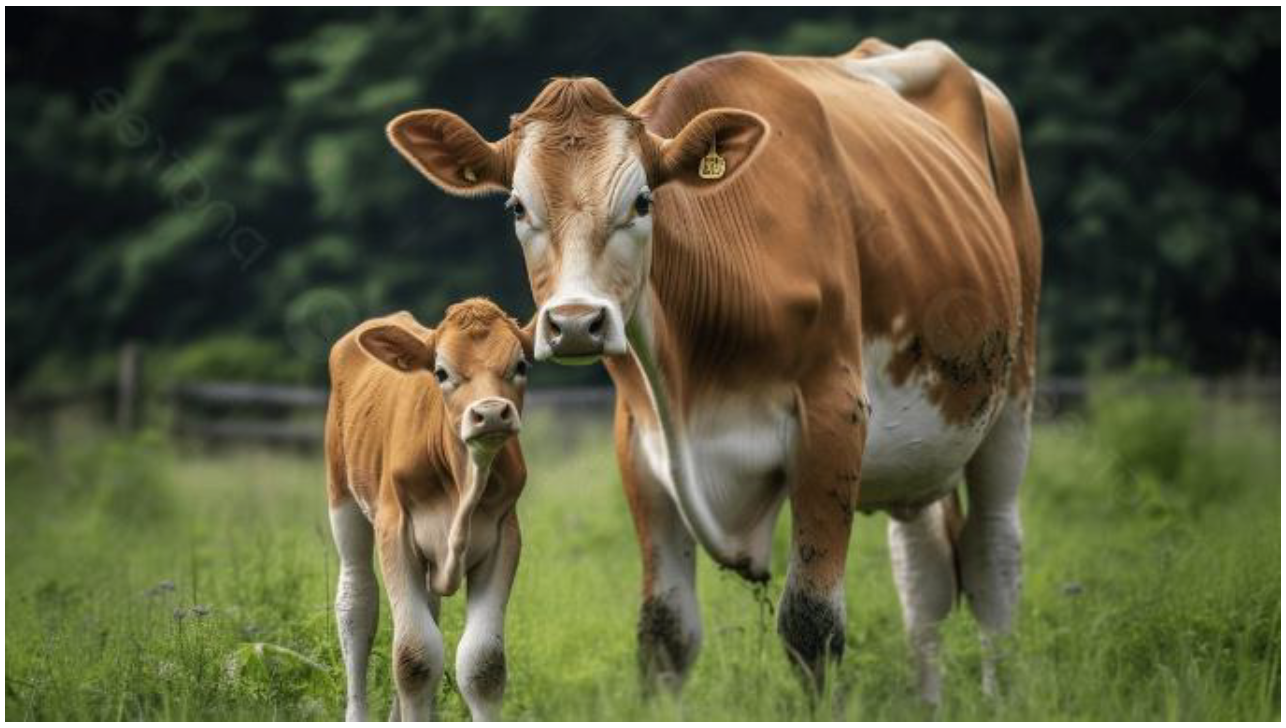 inventory report published on January 30 provides a general perspective of how the cattle inventory in 2025 was and how 2026 is beginning. The Calf Crop in 2025 continued to follow a downward trend, decreasing by 1.6 percent compared to 2024. While beef-replacement heifers slightly increased by 0.9 percent, the estimated number of beef cows has contracted by 1 percent compared to a year ago. Despite the increase in beef heifer replacements, there are no solid signs of herd expansion yet. From a general perspective, the current level of heifers held as replacements will likely stabilize herds by offsetting the low beef cow levels. As a result, this year the cattle market still has a tight supply while demand continues to be constant and strong.
Following economic fundamentals, these market conditions push prices up. So, what is going to happen with prices? Will cattle/beef prices continue to increase throughout the year? Will prices reach a record level? To be honest, who knows? Although there are no signs that suggest market shifts, prices are multifactorial and there is always a possibility of a price shock (an unexpected event that disrupts the normal price equilibrium). Just look back to Oct/Nov of last year, cattle prices faced a “shock” caused by government announcements. A shock could last for short or long periods and could be harmful for ranchers if their potential selling dates match the shock periods.
Since cow-calf producers have the best margins in the beef supply chain under current conditions, they should protect their investment even though using risk management tools is an individual preference, whether someone likes to carry the risk or not. One of the available risk management tools for cow-calf producer is the Livestock Risk Protection (LRP) Unborn category for “Bulls and Heifers”. It is a great option for spring calving this year. In simple terms, if calves are born between February and April, and if they will be weaned in fall, LRP allows the insured to determine a price floor for their calf-crop even if the calves have not been born yet.
Depending on how the market outlook looks, a producer could apply different strategies, such as insuring all his calf-crop in one contract, or insuring them in different contracts on different dates, to have multiple price floors. Strategies will vary depending on the situation of each operation and the goals of each rancher. However, I highly recommend every cow-calf producer calculate their unit cost per weaned pound to set a price floor at least at the same level. In addition, the insured pays the premiums after the coverage endorsement end date. This allows ranchers to allocate resources during the production process (fence maintenance, forage production, medicines, etc.) and pay insurance premiums after sales.
When producers sign an LRP contract, they must be aware that they will face three possible scenarios, depending on how the CME Feeder Cattle Cash Index and local price (basis) perform, but the price floor is only useful when prices are lower than the insured price specified in the contract. In contrast, if prices increase the income that producers receive will be the difference between the cash price ($/cwt) and the premium costs ($/cwt). LRP insurance and all its categories including “Unborn, Bulls and Heifers” have specific requirements. If you are curious
about these requirements or want to learn more about risk management strategies, options, and how to calculate your breakeven cost, please don’t hesitate to contact your local extension office or any OSU extension staff.
The Wild Card in the Official Outlook
Alberto Amador, West Area Ag Economics Specialist
Last week there were a couple of events related to grain markets. On February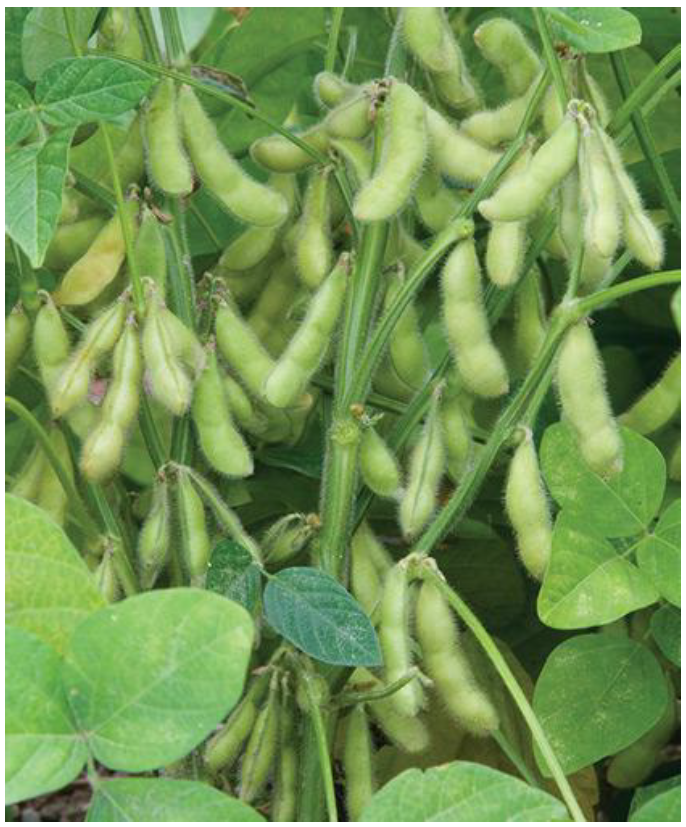 19 and 20, the USDA held its 102nd Agricultural Outlook Forum, presenting the first crop forecast for 2026-27. Additionally, after a series of discrepancies between the court and the executive power, the President announced a global 15% tariff rate for all countries. Although this year we might assess the real impact of tariffs on food production and farms, the effects remain unclear. This situation with the tariffs and other policies makes more alternative scenarios to the forecast, and as we know uncertainty always hits market. Therefore, in this column we’ll analyze the official forecast and factors that challenge it.
Despite projections in the 2026 outlook don’t differ significantly from the last WASDE report (2025), the USDA’s forecast notes some variations. For wheat, changes are minimal, while corn and soybeans show interesting shifts. The forecast hints that farmers will return to planting soybeans in 2026, consequently, corn acreage, production, and exports are expected to decrease by 5%, 7%, and 6% respectively. Meanwhile soybean projections show a 4% increase in acreage, a 3.5% rise in production, an 8% increase in exports and a 17% jump in Biofuel use. In simple terms, the USDA calculates a 5 million acres decline in corn and an increase in soybean acreage to reach 85 million. With this expansion, exports and domestic use are expected to grow.
In my opinion, it’s early to forecast planting acreages and exports. The probability of forecasts failing is high, because multiple variables could happen before planting begins or global purchases are finalized. The primary headwinds facing the current grain forecast are domestic biofuel policies and global trade regulations.
Regarding international trade, specifically exports, calculations are based on total global supply and global demand for each commodity but do not include all the variables that affect actual trading. Essentially, the specific terms of business and shifting market conditions are not considered. Therefore, the internal conflict over tariffs could impact export situation and how countries respond could either benefit or undermine the current purchase commitments, such as China’s agreement to purchase 25 million metric tons of soybeans annually through 2028.
If these laws pass, demand for grains, especially corn and soybeans, will rise significantly,
impacting planting intention, domestic use and ending stocks. Consequently, this creates positive price implications by strengthening the demand side of the balance sheet. USDA’s economists are aware of this potential, and the official forecast is subject to change depending on how the legislative processes unfold. I’d say the biofuel law situation currently carries more weight than tariff disputes, at least in the short-term period. We should stay tuned to the progress of these debates and their impacts on grain markets.
Bull Fertility
Barry Whitworth, DVM
Senior Extension Specialist/BQA State Coordinator, Department of Animal & Food Sciences, Freguson College of Agriculture
The development of sperm cells in bulls depends on several factors. A key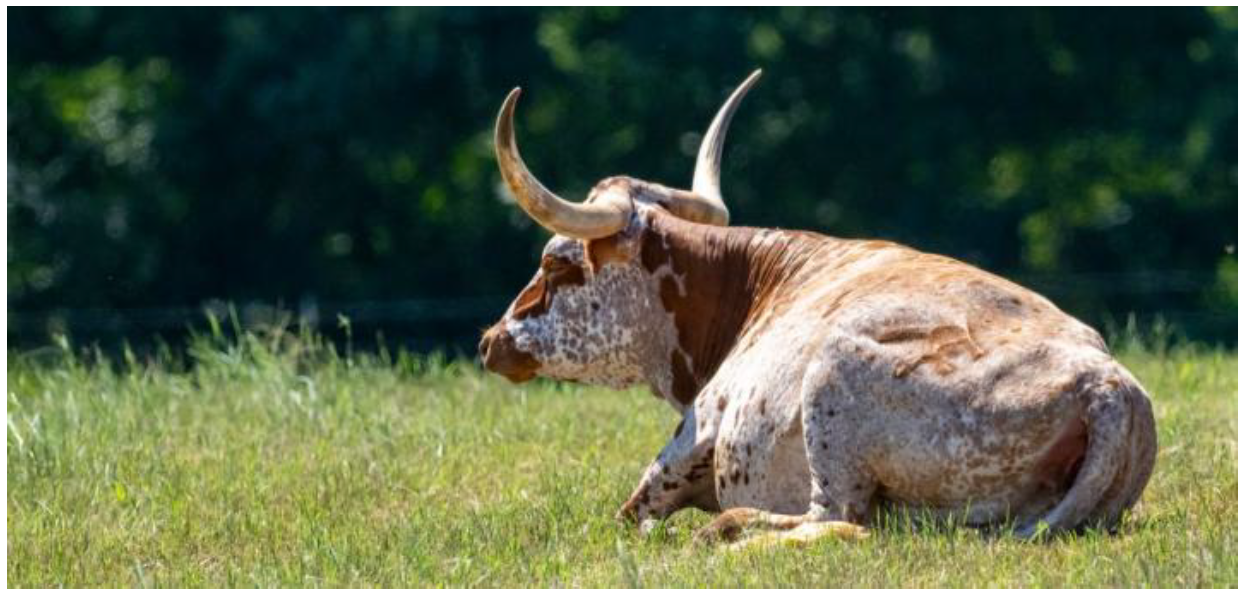 factor is temperature regulation of the testes. Bovine testes must be maintained at a temperature around 90° Fahrenheit (F). This means that bull testes are kept around 7° to 11°F below normal body temperature. Any insult to the scrotum that damages the testes and/or impairs their ability to move freely within the scrotum will disrupt temperature regulation of the testes. This will result in improper development of the sperm cells.
Damage to the bull’s scrotum may occur in a variety of ways. One way is frostbite. In a study performed in Canada, severe frostbite was associated with reduced satisfactory bull breeding soundness exams (BBSE). The authors of the study suggest that frostbite resulted in inflammation to the testes, which increases testicular temperature. Frostbite is not a common problem with bulls in Oklahoma; however, Oklahoma cattle are not accustomed to the extreme temperatures seen during the winter storm in late January. Without proper protection, bulls may have suffered damage to their scrotums or testes. Damage to these tissues may result in poor semen quality.
The wildfires that burned over 300,000 acres in northwest Oklahoma may have resulted in some hidden reproductive consequences for bulls. Minor thermal injury or burns to the scrotum might be severe enough to interfere with scrotal temperature regulation. Again, this may result in nonmotile sperm and/or abnormal sperm.
With this information in mind, cattle producers need to have their bulls evaluated before spring turnout. A BBSE performed by a veterinarian should alleviate any concerns about infertility. The exam has three parts. Part one is a physical examination to ensure that the bull is in good health. Bulls impacted by wildfires may have sustained injuries to their feet which would impair their ability to breed. Part two is the examination of the internal and external reproductive organs. During this part of the process, the scrotum will be measured and evaluated for any abnormalities such as frostbite or burns. Lastly, the semen will be evaluated for motility and morphology (normal and abnormal sperm). Any abnormalities in any part of the exam are cause for concern.
Bulls meeting the minimal standards for each part of the BBSE will be classified as a “satisfactory potential breeder”. Any issues discovered will result in a bull being classified as “deferred” or “unsatisfactory potential breeder”. Bulls with signs of frostbite or burn damage to their scrotum and with poor semen will most likely be classified as “deferred”. The evaluator will probably suggest a recheck in a few weeks. One study indicated that most problems improve after 6 weeks of rest; however, according to the study in Canada, the fertility of some bulls with frostbite damage never improves.
A BBSE does not detect infectious diseases that might be present in the bull. These diseases may cause infertility or other reproductive problems. Testing for diseases such as Trichomoniasis or Persistently Infected Bovine Virus Diarrhea might prevent unwanted infections in the cow herd. If bulls were commingled with other cattle during the wildfire, producers may want to test for these diseases.
A BBSE is just one step in preparing for the spring breeding season. Hopefully, it will prevent any unwanted surprises during pregnancy testing this fall. For more information about Bull Breeding Soundness Exams and issues associated with frostbite and burn injuries, producers should consult their local veterinarian and/or Oklahoma State University County Agriculture Educator.
References
Barth AD, Waldner CL. Factors affecting breeding soundness classification of beef bulls examined at the Western College of Veterinary Medicine. Can Vet J. 2002;43(4):274-284.
Kastelic JP, Rizzoto G, Thundathil J. Review: Testicular vascular cone development and its association with scrotal thermoregulation, semen quality and sperm production in bulls. Animal. 2018;12(s1):s133-s141.
Digital Farm Management Resources
The e-Farm Management website showcases resources to help producers learn about financial management topics along with production, marketing, and risk management topics. This site includes videos, tools, and publications for farmers and ranchers to strengthen their farm management skills.
In the Farm Grant Opportunities and Proposals video, viewers learn about different funding sources and some available grants and loans. The video examines how producers can use these grants in their operations. Finally, viewers learn about the application process and how to apply for these grant and loan opportunities.
To view this video and find additional information on farm grants, visit: Farm Management and Finance: Other Tools and Trainings.
More information on this and other farm management topics may be found: 1) by contacting your nearest Extension Educator 2) on the e-farm management website or 3) on the OSU Ag Econ YouTube Channel.