

Fall Flowers for Fall Pollinators
Wednesday, September 16, 2026
Courtney DeKalb-Myers, Assistant Extension Specialist in Consumer Horticulture
The garden naturally begins to shut down during the transition from summer to fall. Warm-season annuals are beginning to fade, and perennials might appear ragged after a hot and dry summer. It might be tempting to clean out the garden and wind down for the winter. However, this is an especially important time for pollinators. Because flowers are often much more abundant earlier in the growing season, it’s worth intentionally including a few fall-blooming plants in the landscape.
For a pollinator-friendly landscape, it’s important to consider food availability from the beginning of the growing season through the first freeze. This is especially critical for migrating insects, like the monarch butterfly. Each fall, monarchs travel south through the Great Plains on their way to overwintering sites in central Mexico. Oklahoma sits directly in a major monarch migratory pathway, so providing late-season nectar sources gives them the resources they need for a successful journey. Many native bees and other insects remain active through fall, making late-season flowers valuable beyond just monarch migration.
Asters make an excellent addition to the pollinator garden. There are several native asters that work well in Oklahoma landscapes, including aromatic aster (Symphyotrichum oblongifolium), sky blue aster (S. oolentangiense), and Drummond aster (S. drummondii). These plants provide valuable resources for native bees and other pollinators. Most asters have pale purple to indigo blooms with a daisy-like shape. Some white varieties are available as well. Growing requirements vary by species, but many asters are relatively low maintenance and drought tolerant once established.
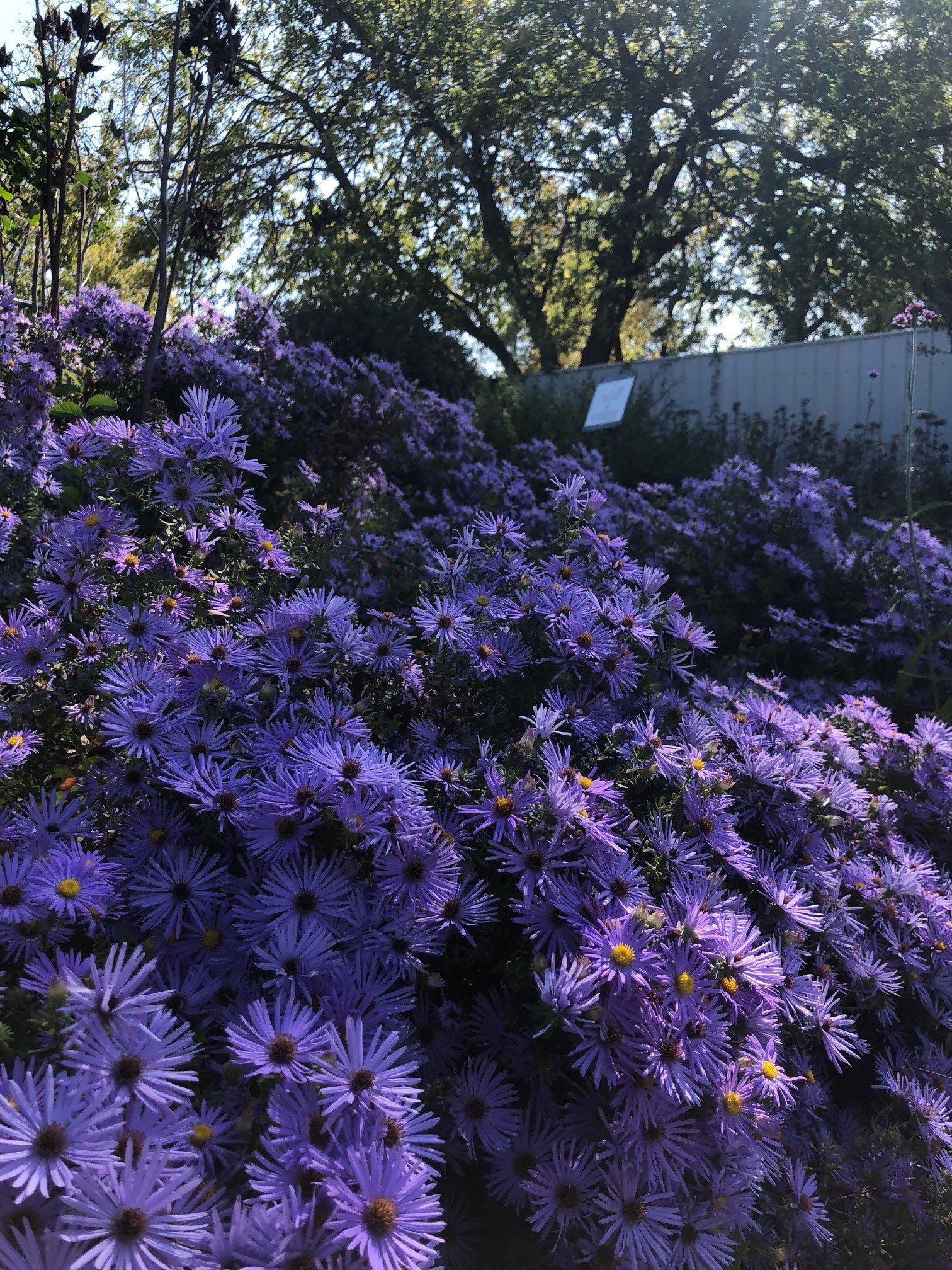
Figure 1. Aromatic asters (Symphyotrichum oblongifolium) are a low maintanence, show-stopping addition to fall gardens (IC: Courtney DeKalb-Myers)
Goldenrods are another group of plants to consider for the landscape. There are many species of goldenrod (Solidago spp.), but most have large plumes of yellow flowers. They are sometimes confused with ragweed, which blooms at the same time and releases airborne pollen causing hay fever. Unlike ragweed, goldenrods rely primarily on insects to move their pollen rather than releasing large amounts of lightweight pollen into the wind. Goldenrods are tough plants, preferring full sun and tolerating drought once established. Some species of goldenrods spread by underground stems, called rhizomes, and can be somewhat aggressive. Choose clump-forming species like showy goldenrod (S. speciosa) for better behavior in the landscape.
Azure blue sage (Salvia azurea) also provides fall blooms for pollinators. It prefers partial shade to full sun. Azure blue sage can reach 3 to 6 feet tall and may develop a loose or sprawling habit. Planting it among native grasses and other sturdy perennials can provide support while allowing its airy blue flowers to mingle with the surrounding plants.
When designing a landscape for pollinators, it’s important to have continuous blooms available to provide nectar and pollen. Take a walk through the landscape in early fall and make note of what’s still blooming. If flowers are few and far between, consider planting a few late-season perennials in next year’s garden. Asters, goldenrods, and azure blue sage can help fill that gap while adding late-season color to the garden.