

Leaving Plant Stems for Native Bees
Wednesday, October 14, 2026
Courtney DeKalb-Myers, Assistant Extension Specialist in Consumer Horticulture
Honey bees receive a tremendous amount of credit for their pollination efforts and are often touted as the leading representation for pollinators. While important, this credit tends to overshadow our native bee populations. There are around 4,000 species of native bees in the United States and they’re actually more effective pollinators than the honey bees.
The colony lifestyle of beehives is unique in the bee world. Almost all native bees are solitary or only semi-social. These critters prefer to nest in the ground, shelter in leaf litter, or nest in cavities, including the hollowed-out stems of our garden plants. One of the ways we can encourage native bees in the garden is by leaving these hollow stems, allowing them a space to nest and overwinter so that they emerge next to their food source the following spring.
Adult female bees begin looking for a hibernation location, or hibernaculum, in the fall. If the gardener is planning to prune out any spent flowers from the summer, plan to leave stems at varying heights (8” to 24”) as a nesting site for these bees. Many perennial flowers and shrubs have pithy stems that will serve as a good location. A few common Oklahoma garden plants that are good candidates include roses, purple coneflower, goldenrod, bee balm, and sunflowers.
This practice can be completed anytime from late summer through early winter, giving bees ample time to find their hibernaculum. If unused in the winter, native bees can use the stems to lay eggs and care for their offspring. Leave these stems undisturbed after pruning; they will begin to fade the following growing season. At this time, gardeners can start the process over again.
It’s always a good practice, if the gardener can stand it, to leave the landscape a little bit messy going into the winter. Dead plant material provides nesting supplies for birds and insects, as well as the dried canopy can serve as a wildlife shelter. Spent flowers left can also serve as a food source for many birds during winter. If cleaning out the garden in early fall, it might be worthwhile to consider little bit of both strategies – prune out some flowers for bees’ hibernaculum and leave some for the winter birds. We garden in an active ecosystem and the creatures around us can benefit from a little bit of our help.
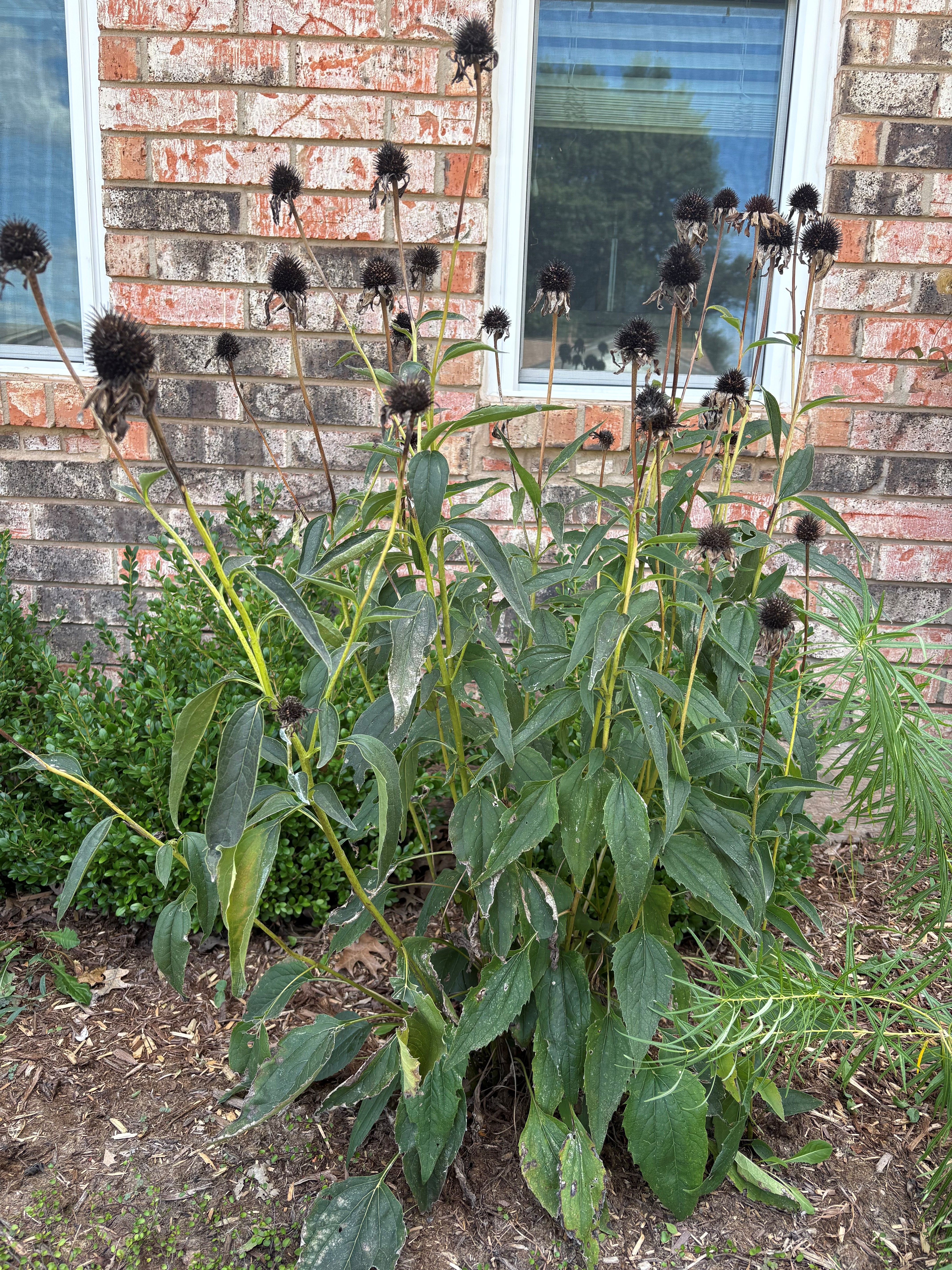 Figure 1. A mature coneflower plant with many pent blooms from the summer (Credit: Courtney DeKalb-Myers)
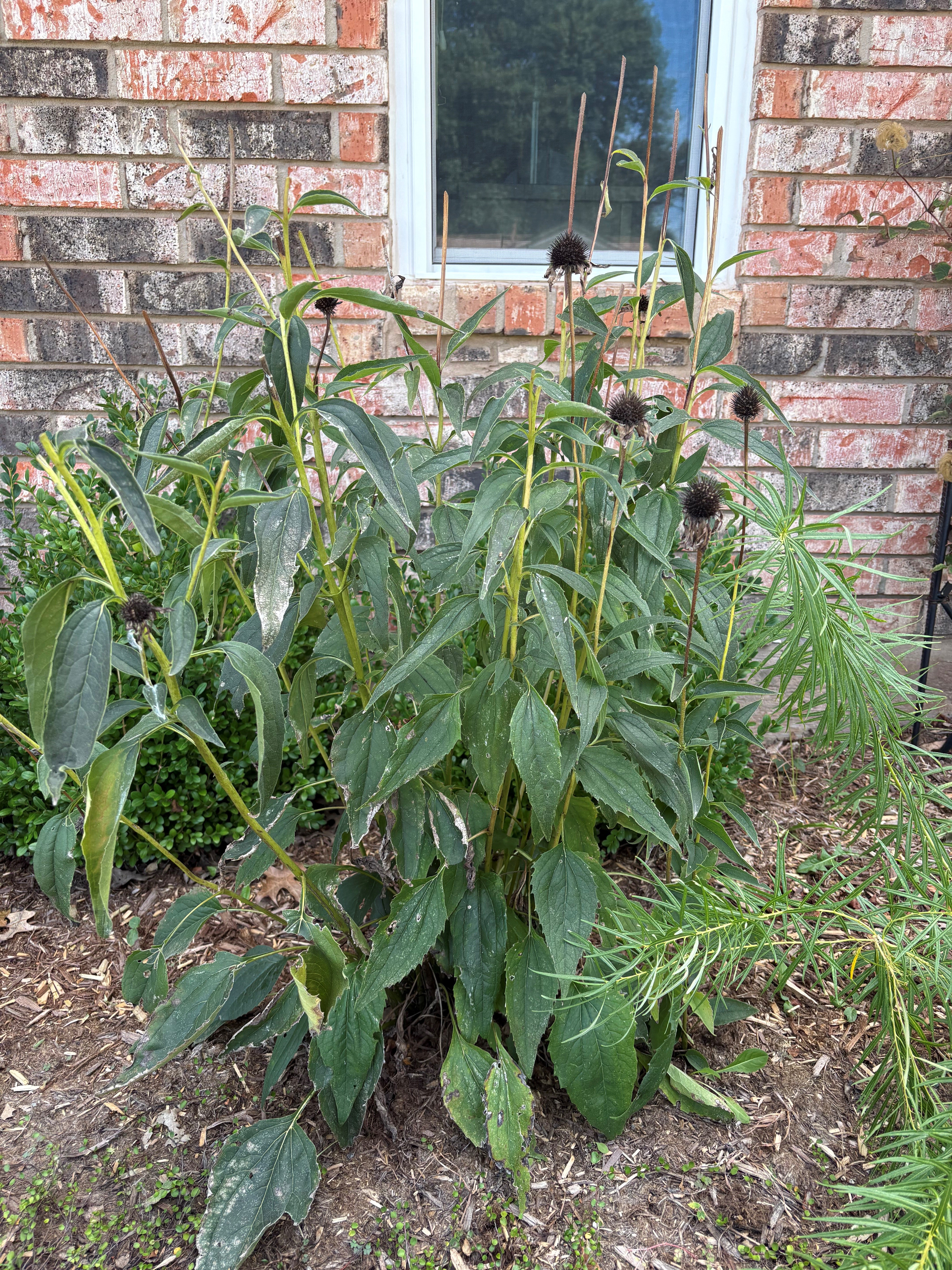 Figure 2. A mature coneflower after pruning, leaving stems at various heights for stem nesting native bees to overwinter and a few spent blooms for winter birds (Credit: Courtney DeKalb-Myers)